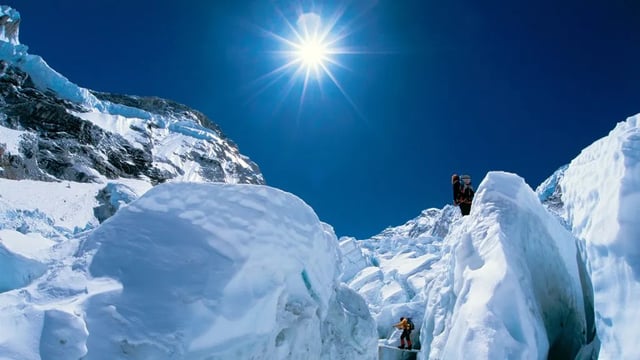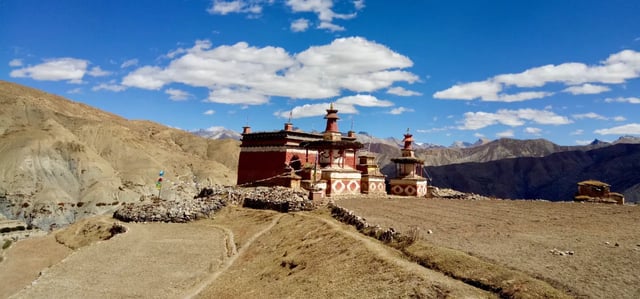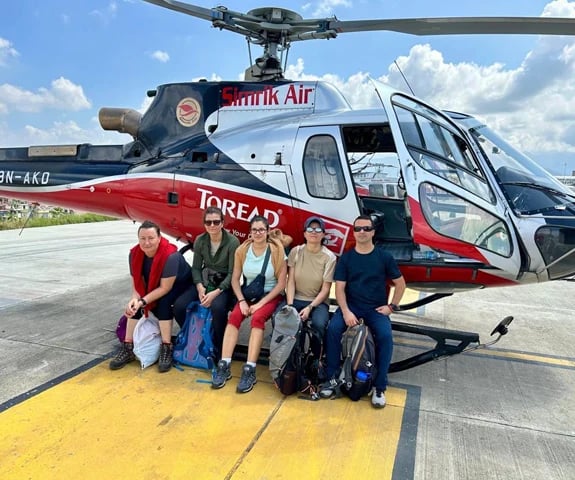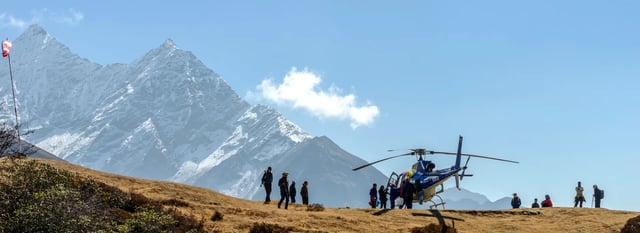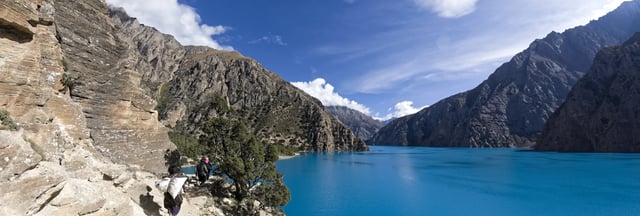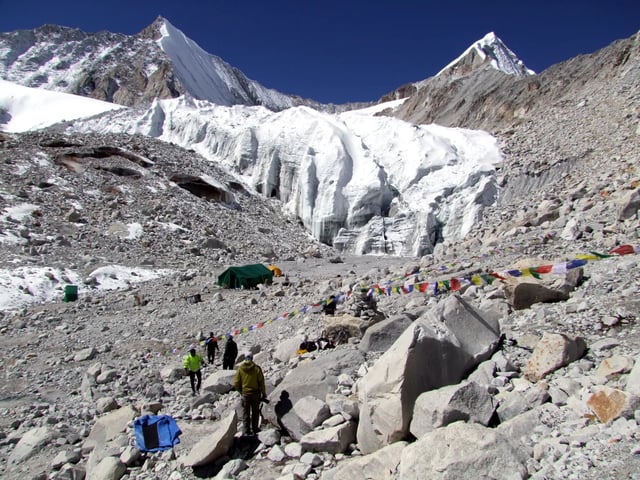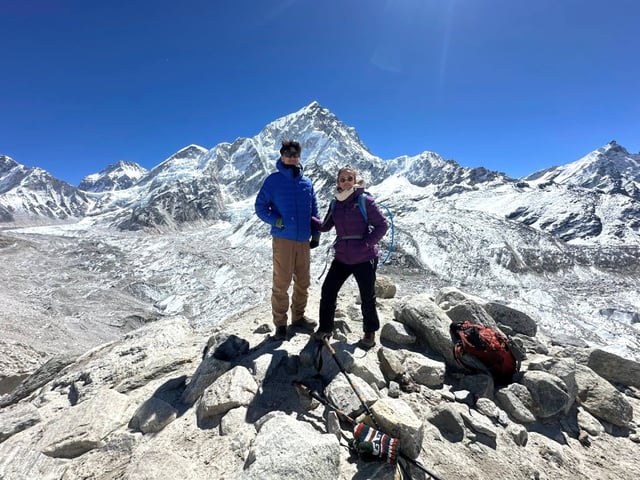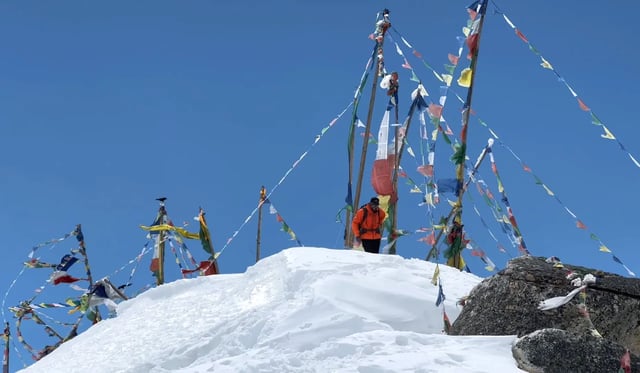
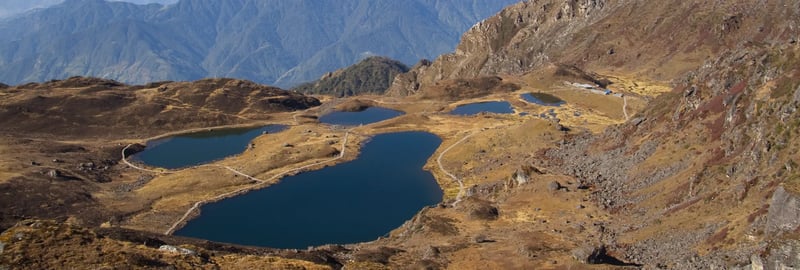
Panch Pokhari is a cluster of five sacred lakes on a Jugal Himal ridge, reached from Bhotang via Melamchi. You camp or use basic lodges as the trail leaves villages for Nasimpati meadows. Five high lakes on a Jugal Himal ridge, reached from Bhotang once Melamchi is behind you.
The five lakes sit together on the high ridge. The walk out drops toward Chautara or the same Melamchi road back to Kathmandu. Nasimpati meadows and a Chautara walk-out keep the finish on the east side of Helambu.
The walk starts at Bhotang via Melamchi, not Dhunche or Sundarijal. Our Kathmandu office checks camping kit and the thin lodge list before you leave for the Jugal ridge, then your guide paces Nasimpati so the five sacred lakes are not a summit dash. You'll camp or use basic lodges once the trail leaves the last village.
Crews on this ridge know when meadows turn to camp and keep porter loads honest above Bhotang. Guides train on altitude illness for the lake night and would rather wait for clear air than push a pilgrim photo in cloud. We share a daily plan so a wet ridge or a slower Chautara walk-out can move without losing the five lakes.
Your Panch Pokhari Trek starts when you get into Tribhuvan International Airport at Kathmandu. One of our representatives will welcome you and safely take you to your hotel. You will get the time to relax or take a walk in Thamel after the check-in to purchase any last-minute items that you will need in your trek.
You will have a warm welcome dinner in the evening with Nepali food and soft cultural music. This is also the time when you will meet with your trek guide and group members.
You will begin your trip to the village of Bhotang, which is the initial point of the Panch Pokhari Trek, after having breakfast. The highway leads towards the northeast through serene hills, terraced lands, and peaceful Tamang villages. On your way, you will see the river valleys, green forests, and the mountains of the Himalayas located far away, gradually lifting the vision off.
The road follows the Melamchi River and has numerous scenic turns and beautiful views. Late in the afternoon, you will arrive at Bhotang, a pleasant village, where you can rest and get ready to continue the walk the following day.
You will start the Panch Pokhari Trek today. After breakfast, you will leave Bhotang and follow a lovely trail, ascending steadily through the pine and rhododendron woods. You will listen to birds sing, bright flowers on the mountain, and quiet nature around.
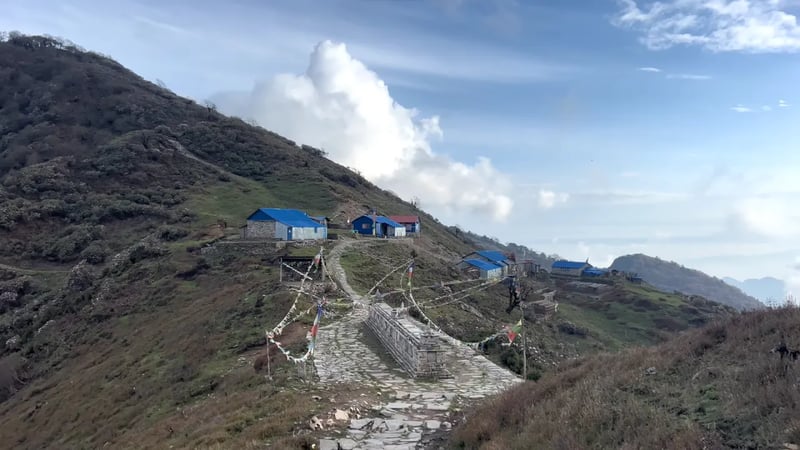
The higher you get, the cooler the air, and the tree line gradually opens to give broader sceneries of the Himalayan mountains. The last part ascends through the open meadows, and then you come to Nasimpati, 3,800 meters.
After breakfast at Nasimpati, you will proceed to the holy lakes of Panch Pokhari. It ascends along the alpine meadows and then traverses the rocks, on which you reach greater levels.
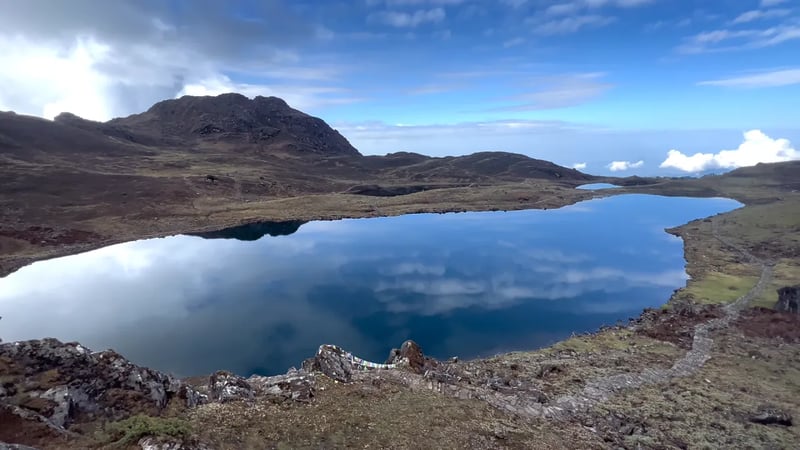
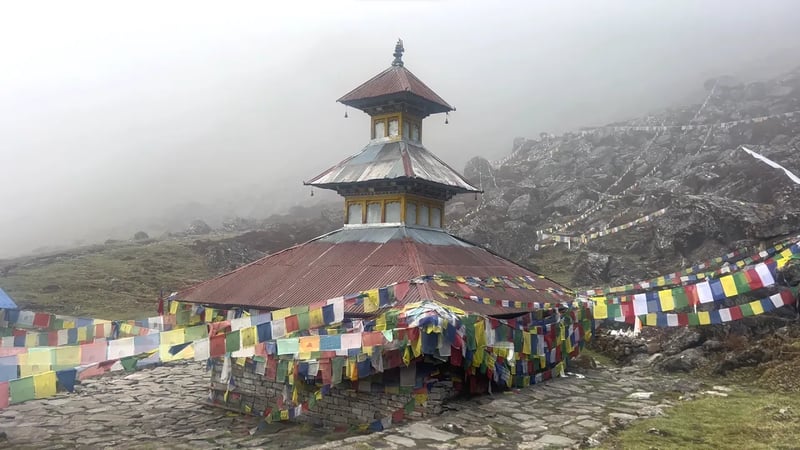
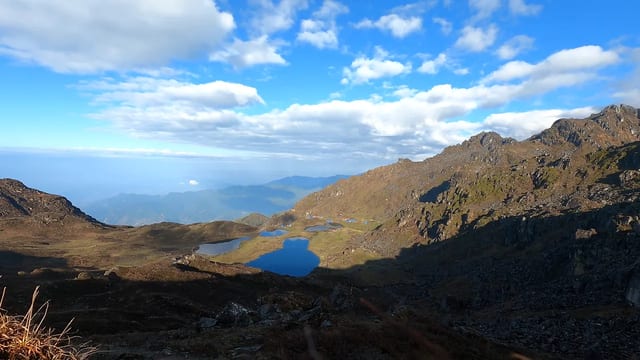
The five holy lakes of Panch Pokhari will be visible shortly, with the image of the sky and the mountains that surround them. This is the primary attraction of the Panch Pokhari Trek and a very spiritual site for Hindu and Buddhist pilgrims.
Following breakfast, you will make a last visit to the serene Panch Pokhari lakes and begin your lengthy downward journey towards Bhotang. The path runs back through the high alpine meadows, and so down into the rhododendron wood. These woods are very colorful at spring and you will hear the gentle sound of the rivers and the birds which you will hear as you walk.
The descending parts may be time-consuming, yet the view is all day long. You will take a lunch-stop half-way, and go slowly back to Bhotang.
In the morning, you will drive back to Kathmandu along the same scenic road that you had previously been on. The trip provides picturesque sights of terraced hills, small villages, and the river Melamchi flowing.
You will have lunch at Melamchi bazaar, where you will get time to stretch your legs and have a rest before proceeding to the capital. You will see Kathmandu lights and busy streets back in sight as you approach Kathmandu.
Today will be the end of your Panch Pokhari Trek. You will have breakfast in your hotel, after which you will pack your bags and prepare to fly back home.
Our crew will take you to Tribhuvan International Airport and assist with your checkouts. In case you want to spend more time in Nepal or have another mini trip, you are welcome to be directed with choices and plans.
When you move out of Kathmandu, you will leave behind beautiful memories of the holy Panch Pokhari lakes, quiet forest cover, and Himalayan scenery that you got to experience during the trek. We wish you a pleasant trip and hope to see you again in Nepal.
Fly into Tribhuvan International Airport in Kathmandu unless the itinerary uses another regional hub. Airport or hotel pickup can be arranged when you share arrival details ahead of travel.
Briefings cover road or domestic travel to the trailhead. Build buffer time before onward international flights in case mountain weather shifts the schedule.
Twin or double rooms in a comfortable Kathmandu hotel cover your first nights and your return from the trail, with breakfast on those city stays when included in the package. Briefings happen at the hotel, and airport collection from Tribhuvan is available when flight times are shared in advance.
Family-run teahouses or lodges line the route with twin beds and a shared dining room. Rooms get simpler and colder as you climb, with shared bathrooms common at higher villages. Hot water, Wi-Fi, and charging are paid at the lodge when offered.
March to May rhododendron bloom and October to November crisp air are peak windows for this itinerary. July and August mean leeches and cloud on lower slopes; December to February can ice steps above village level.
Your guide reads the forecast before long cols or sunrise hikes. Shoulder weeks need an honest weather call before high passes or dawn viewpoints.
You should be comfortable walking several hours a day on uneven paths with a daypack, including steady uphill sections as you gain height. Hill training and longer weekend walks in the months before travel help your legs and lungs on uphill trail days.
Hill training, stair climbing, and longer weekend hikes in the months before travel help your legs and lungs, even when acclimatisation days are built into the route. Break in boots before you fly and carry a light daypack on practice walks.
Guided trekking with licensed leaders, lodge nights on the trail, meals as described for walking days, and permits for the regions crossed are included when they are part of this trip. Domestic flights, porters, and airport transfers apply only when they are part of this trip.
Domestic flights, road transfers, porter support, and airport transfers apply only when they are part of this trip. Permits for the regions you cross are arranged in Kathmandu or Pokhara when included.
International flights to Nepal, visa fees, compulsory travel insurance, personal trekking clothing, snacks and drinks outside included meals, and tips for crew are not covered. Hot showers, Wi-Fi, and battery charging in lodges are usually paid locally when offered.
Charges for hot showers, Wi-Fi, or battery charging in lodges are paid locally when offered unless your trip notes say otherwise. International flights, visa fees, and personal insurance stay outside the trek package.
Share your Tribhuvan arrival time ahead of travel for a Thamel hotel transfer, or make your own way to the meeting hotel in the capital. Thamel hotels are the usual meet point; drivers need flight numbers to meet you at the international terminal.
Briefings cover Lukla bag weight, porter duffle limits, and what to wear on the mountain flight. Weather can shift daily plans, so your guide keeps a steady pace with regular breaks.
Guides set a steady pace and watch for headache, nausea, or dizziness as you gain height. Trail conditions are checked each morning before the group moves.
Tell your guide early if symptoms appear so tomorrow's stage can shorten or descent can start before conditions worsen. Your crew would rather wait for a safe window than rush marginal weather.
Jeep or bus days to the remote trailhead are arranged when they are part of your package. Your guide confirms departure times at briefing.
Motion sickness medicine helps on winding mountain roads. Allow a little extra time after the trek before international flights home in case mountain roads or flights move.
National park or restricted-area permits apply depending on the valleys you cross. The team arranges paperwork in Kathmandu or Pokhara when you provide passport copies and trek dates.
Keep copies in your daypack for checkpoint stops. Monsoon cloud sits lower on the hills while winter brings ice on steps above village level.
Families join when children can manage the daily hours and terrain on this specific route. Pace and daily hours can be adjusted on private departures, though that may extend the calendar.
Ask our Kathmandu team if you are planning with younger walkers. Private departures can shorten daily hours, though that may add a day or two to the calendar.
Comprehensive travel insurance that covers trekking to the highest altitude on your itinerary, medical evacuation, and helicopter rescue when applicable is essential. Many standard policies exclude high altitude by name.
Read the wording before you travel so you can adjust cover if trekking above 5,000 metres is not named. Many standard policies exclude high altitude by name, so read the wording before you fly.
We partner with Rewilding Britain to help protect our natural spaces for future adventures.
All centres are vetted for safety and quality. Your adventure is in good hands with adventuro.
About the centre
Kathmandu
You'll travel with a Kathmandu-based team that plans treks, peak climbs, helicopter flights, motorbike journeys, and cultural trips across Nepal, Tibet, and Bhutan. Routes range from classic teahouse walks and high passes to luxury lodge itineraries and longer expedition-style climbs, with departures shaped around how you want to pace the mountains.
Licensed guides and office staff train regularly on mountain safety and guest care. Porters are insured, fairly paid, and equipped for the trail, with sensible load limits on lodge routes. We work with remote communities through sustainable tourism, including support for education in village areas, so your booking helps local people as well as your own adventure.
Operated by Himalayan Adventure Treks & Tours, a partner of adventuro.