We partner with Rewilding Britain to help protect our natural spaces for future adventures.
All centres are vetted for safety and quality. Your adventure is in good hands with adventuro.
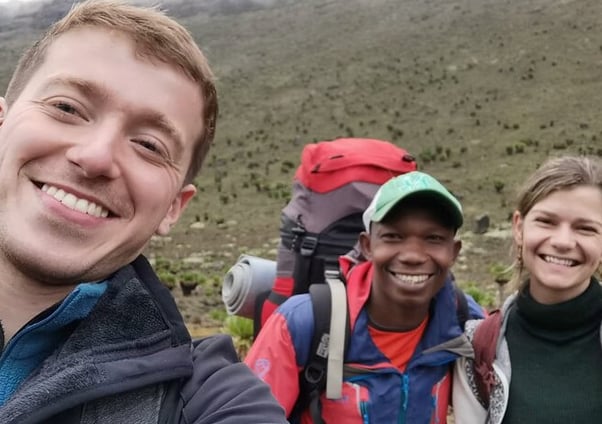
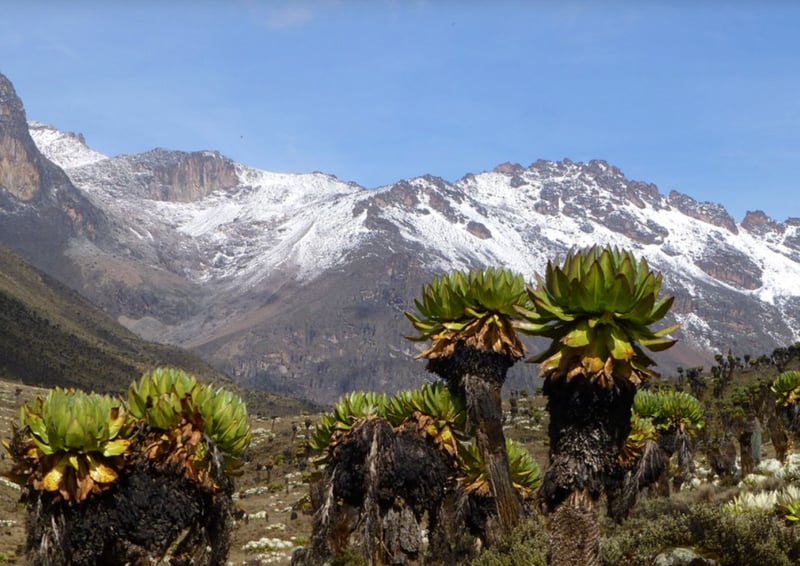
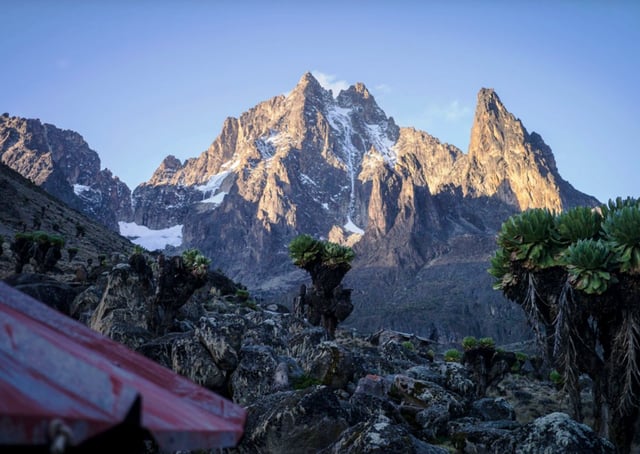
A focused four-day ascent offers a direct approach to Point Lenana via the Sirimon side of Mount Kenya. This itinerary provides a steady acclimatisation profile, moving from forest and heathland into the alpine zone. Although four days is sufficient, an additional acclimatisation night in Nanyuki before the climb is strongly advised.
The route is suitable for trekkers with good fitness who want a structured, short itinerary with professional mountain support. Throughout the ascent, meals, camp logistics, and pacing are fully managed so you can concentrate on the climb.
Depart Nairobi around 09:00 for the drive north, stopping briefly at the Equator line before continuing to Nanyuki for lunch. The afternoon is intentionally relaxed to support acclimatisation. You’ll overnight in Nanyuki, giving time to organise kit and prepare for the ascent.
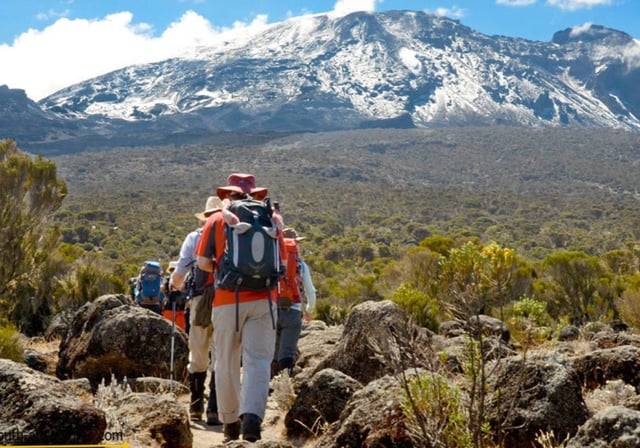
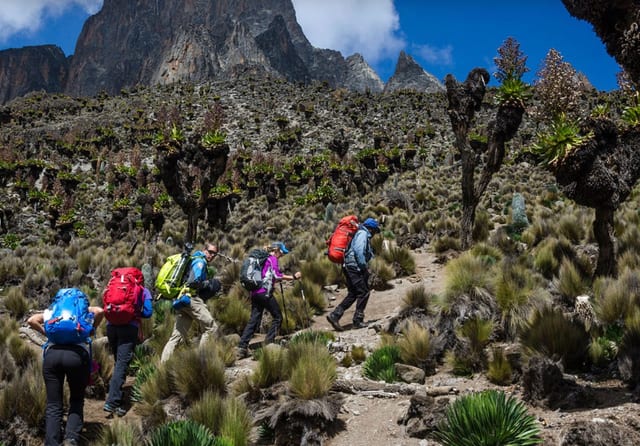
After breakfast, transfer to Sirimon Gate and enter the national park. The trek to Old Moses Camp takes roughly 5–6 hours, gaining altitude gradually on well-defined trails. The landscape transitions from montane forest to open heathland as you progress. Dinner and overnight at Old Moses Camp.
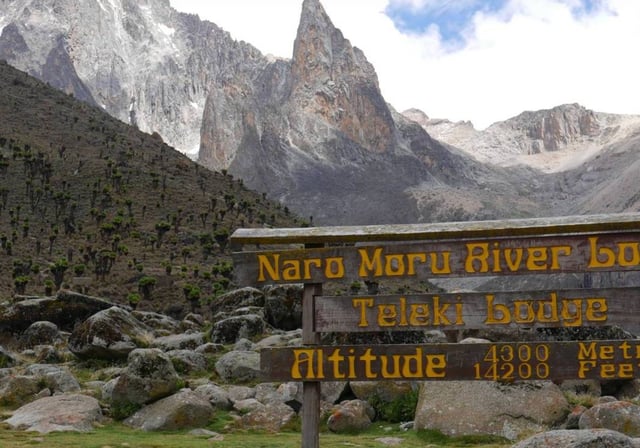
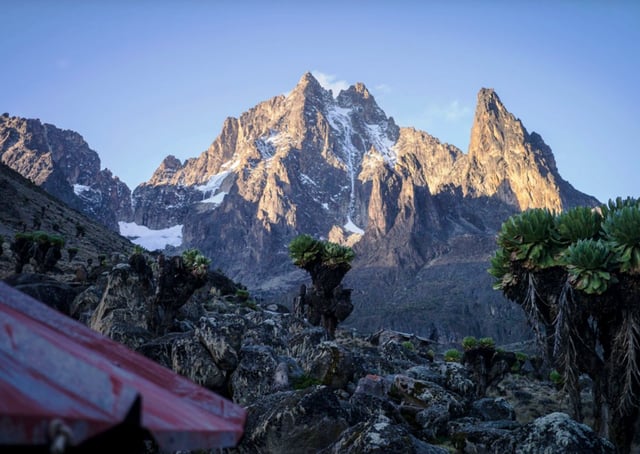
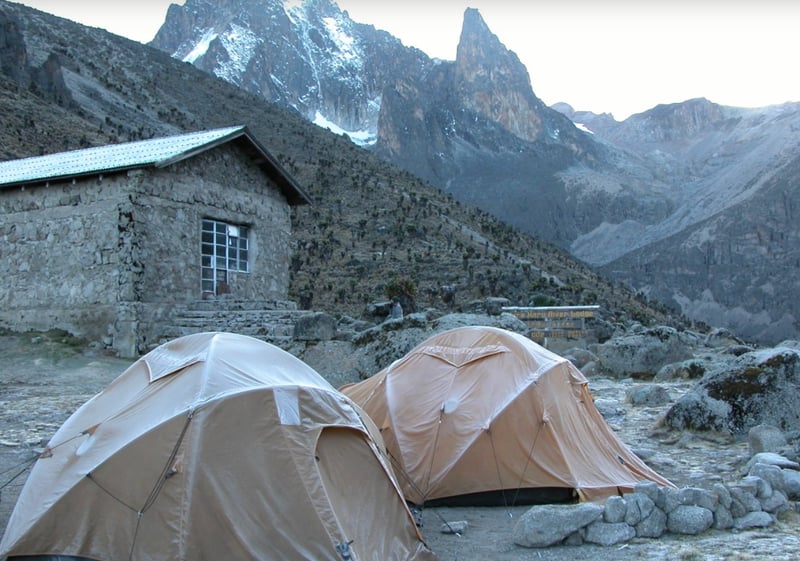
A steady hike of around 5–6 hours leads into the higher alpine zone. Trail sections become rockier, temperatures fall, and views expand across the mountain’s broad valleys. Arrive at Shipton’s Camp for dinner and overnight, giving essential acclimatisation time before the summit attempt.
A very early start at approximately 02:00–03:00 positions you for sunrise on Point Lenana. After reaching the summit, descend to Shipton’s Camp for breakfast before continuing down to Sirimon Gate. A vehicle will meet you for the return drive to Nairobi, arriving late afternoon.
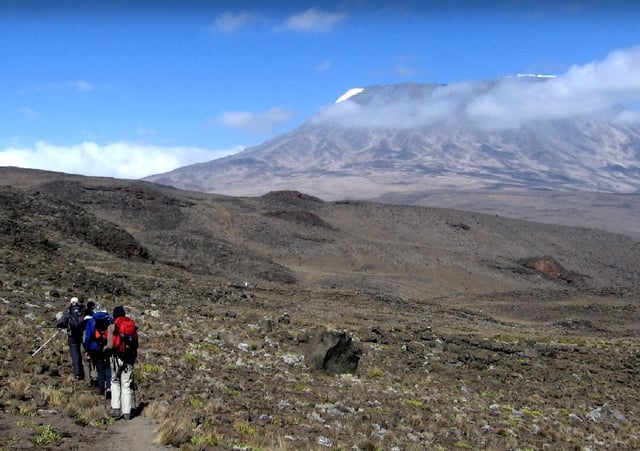
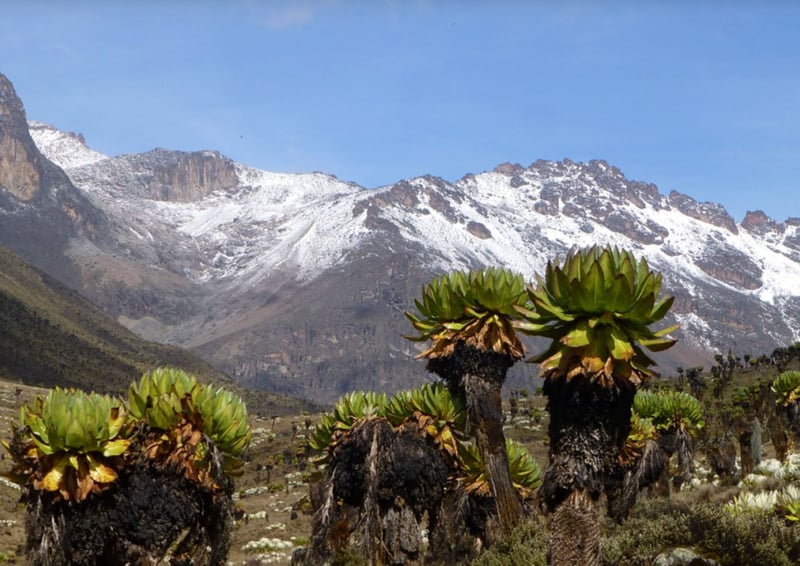
The Sirimon route begins on the north-western side of Mount Kenya, known for its drier climate and reliable trail conditions. The ascent progresses through forest, heathland, and alpine zones, each with distinct vegetation and terrain. The Sirimon approach is widely favoured for offering steady altitude gains and high success rates for reaching Point Lenana.
Nanyuki serves as the staging town for equipment checks, acclimatisation, and last-minute supplies. Sitting at moderate elevation, it provides a natural adjustment point before entering Mount Kenya National Park. Road access to Sirimon Gate from Nanyuki is straightforward, making logistics efficient for climbers.
This trek is best suited to participants with good overall fitness who are comfortable walking for 5–6 hours per day while carrying a daypack. The summit push takes place at high altitude and in cold pre-dawn conditions, so endurance and resilience are important. Prior trekking experience is beneficial but not essential.
Altitude affects individuals differently, and acclimatisation is a key factor for comfort and success. An extra night in Nanyuki before the climb is strongly recommended. Understanding basic altitude safety—hydration, pacing, rest—is important, and guides will monitor wellbeing throughout the ascent.
Guides on this route have long experience supporting safe and successful ascents on Mount Kenya. Their understanding of route timing, acclimatisation, weather patterns, and group pacing helps maintain steady progress. Porter teams manage equipment and camp logistics, ensuring the focus remains on the climb.
All meals on the mountain, park fees, accommodation, and transfers are fully arranged, removing logistical complexity. The itinerary is built around efficiency and safety, making this four-day ascent an excellent choice for trekkers looking to reach Point Lenana with dependable support.
This route is considered challenging due to the sustained elevation gain and the summit attempt at nearly 5000m. Each trekking day involves 5–6 hours of walking, followed by a full summit push that begins before dawn. Most participants with good fitness and some hiking experience find the route manageable, provided they pace themselves.
Altitude plays a significant role in difficulty. Even fit trekkers may feel the effects of lower oxygen levels. Guides monitor progress, encourage steady pacing, and adjust breaks when needed. A night of acclimatisation in Nanyuki greatly improves overall comfort.
Accommodation in Nanyuki is in a lodge or hotel, giving a comfortable place to adjust before entering the park. Rooms typically include hot water, bedding, and space to organise gear. This night is highly recommended for acclimatisation.
On the mountain, accommodation is in huts or designated camps. These facilities are basic but practical, providing shelter from cold conditions at higher altitudes. Facilities are communal and designed for functionality rather than comfort.
Trekkers should bring sturdy hiking boots, warm layers, waterproof gear, gloves, a headlamp, and a reliable daypack. At altitude, temperatures drop significantly, so adequate insulation is essential. Trekking poles can be helpful for both ascent and descent.
Personal medication, snacks, and water bottles should also be included. While food is provided, having extra energy snacks can be useful, especially on summit day. Gear rental may be available in Nanyuki, but bringing your own well-fitted equipment is preferable.
Summit day begins early - usually around 02:00–03:00 - to allow arrival at Point Lenana for sunrise. The route is steady but demanding due to the altitude and cold temperatures. Guides will set a manageable pace to ensure safe progress.
After reaching the summit, you’ll descend to Shipton’s Camp for breakfast before continuing toward Sirimon Gate. This makes summit day the longest part of the itinerary, combining ascent, descent, and the return drive to Nairobi.
Weather varies by season, but generally the Sirimon side is drier than other approaches. Days can be warm and clear, while nights - especially at Shipton’s - can drop below freezing. Sudden changes are possible at altitude, so waterproofs and warm layers are essential.
Rainfall is more likely from April to June and again from October to December. Dry-season ascents often offer more predictable conditions. Guides monitor weather patterns and adjust timings if necessary.
Most days require around 5–6 hours of trekking with steady altitude gain. The pace is deliberate to support acclimatisation and avoid unnecessary fatigue. Breaks are taken regularly for hydration and snacks.
Summit day is significantly longer, beginning before dawn and covering both the ascent and much of the descent. The return to Nairobi in the afternoon completes the schedule.
Most climbs operate with small groups or private arrangements - typically between two and seven participants. This ensures manageable pacing and personalised attention from guides. Smaller groups also reduce trail congestion and improve overall comfort.
Porters assist with carrying equipment and managing camp logistics. Group sizes are intentionally limited to maintain safety and efficiency.
Meals are freshly prepared by support staff and designed to provide sufficient energy at altitude. Typical dishes include carbohydrates such as rice, potatoes, pasta, and bread, paired with vegetables and simple proteins. Hot drinks accompany meals to support hydration.
Appetite can vary at altitude, so trekkers may wish to bring personal snacks. Dietary requirements can usually be accommodated with advance notice.
Guides monitor acclimatisation, hydration, pacing, and general wellbeing throughout the climb. They carry the necessary knowledge of altitude symptoms and appropriate response measures. Camps are selected for safety and suitability based on weather and group condition.
The route follows recognised trails with established huts, making navigation straightforward. Transfers to and from the mountain are conducted in maintained vehicles with experienced drivers.
About the centre
Mount Kenya National Park
Operated by Bencia African Adventure and Safaris, a partner of adventuro.
Basseterre & South Peninsula, Saint Kitts and Nevis
From $109.99
Kilimanjaro & Arusha, Tanzania
From $850
Cheshire, United Kingdom
From £699