We partner with Rewilding Britain to help protect our natural spaces for future adventures.
All centres are vetted for safety and quality. Your adventure is in good hands with adventuro.
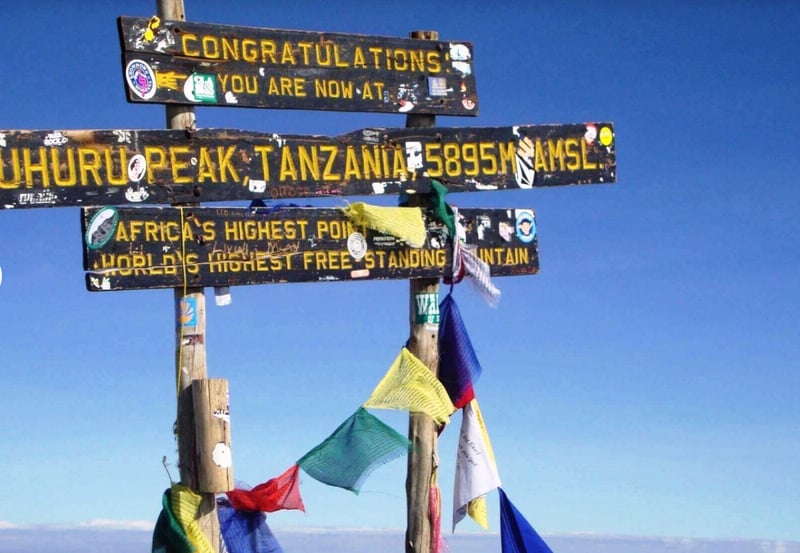
The Marangu Route is the oldest and most established trail on Kilimanjaro, and the only route that provides hut accommodation throughout the ascent. Often referred to as the “Coca-Cola Route,” it offers a structured approach with clear paths, set overnight stops, and a direct out-and-back itinerary. While popular, it still presents a serious high-altitude challenge requiring steady pacing and good acclimatisation.
This six-day version includes an additional night at Horombo Huts, significantly improving acclimatisation and overall summit success. The route follows the same trail during ascent and descent, offering a consistent terrain profile and well-maintained shelter facilities.
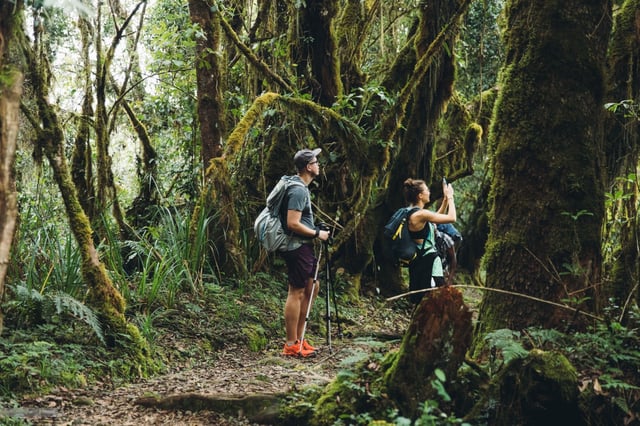
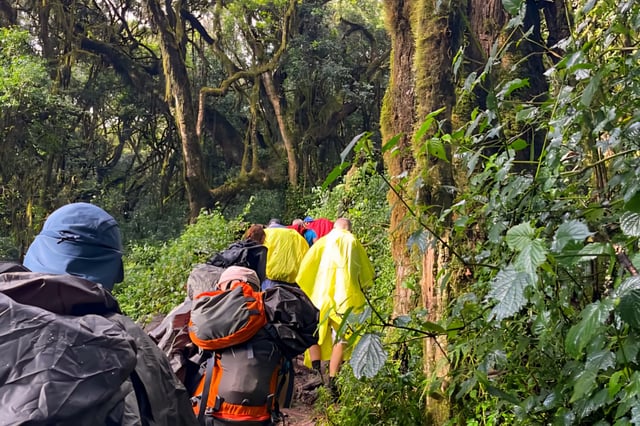
Depart Arusha after breakfast and drive to Marangu Gate for registration and a pre-trek briefing. The hike begins through rainforest with gradual ascent to Mandara Huts. The trail is well maintained and offers a gentle introduction to Kilimanjaro’s lower slopes. Dinner and overnight at Mandara Huts.
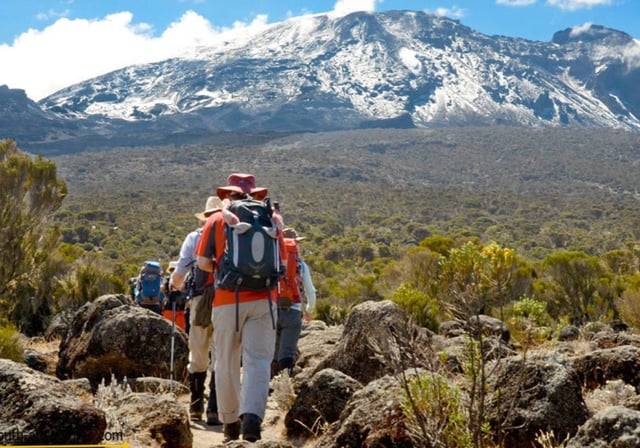
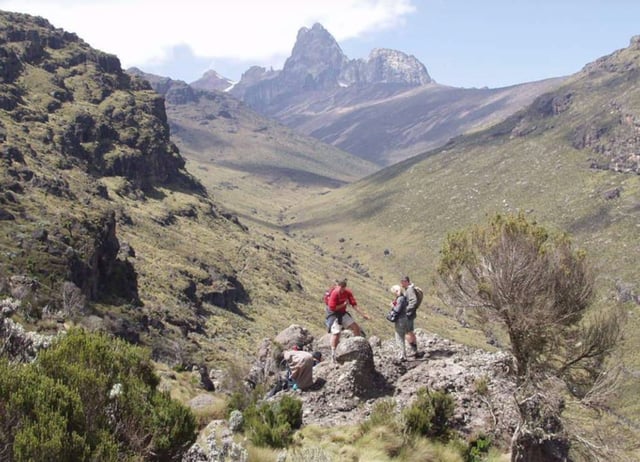
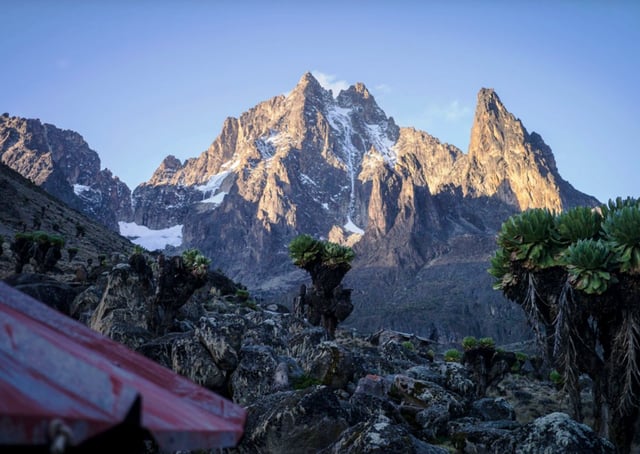
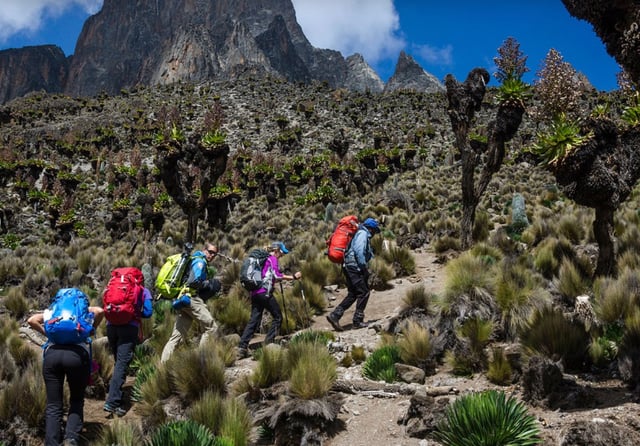
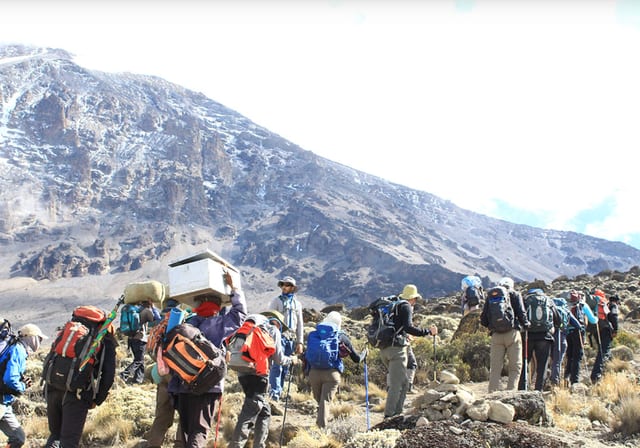
After breakfast, the trail continues out of the forest and into heathland. Clear weather offers views toward Mawenzi and the upper slopes of Kilimanjaro. The ascent to Horombo Huts generally takes 5–7 hours. Dinner and overnight at Horombo.
This additional day is essential for altitude adaptation. A recommended acclimatisation walk heads toward Zebra Rocks or Mawenzi Saddle, giving trekkers exposure to higher elevations before returning to Horombo. Meals and overnight at Horombo Huts.
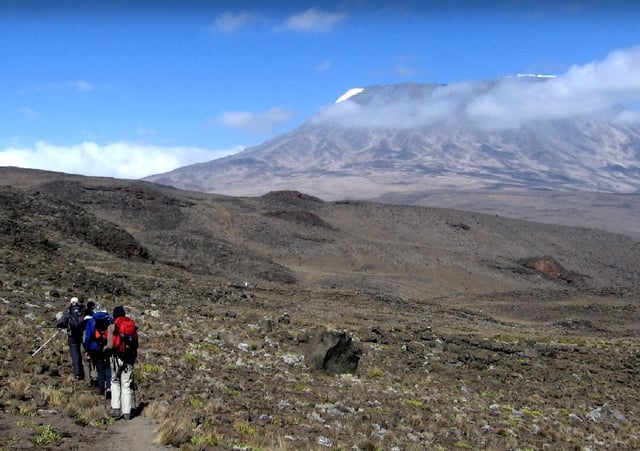
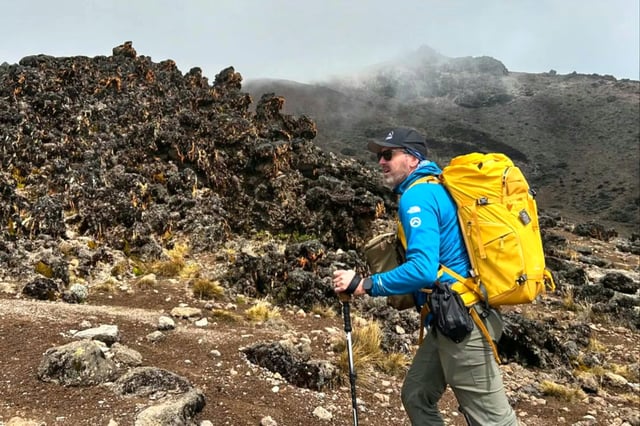
The trail ascends steadily across the alpine desert, passing the final water point and crossing expansive volcanic terrain. The approach to Kibo is straightforward but demanding due to decreasing oxygen levels. Early dinner and rest before the summit push.
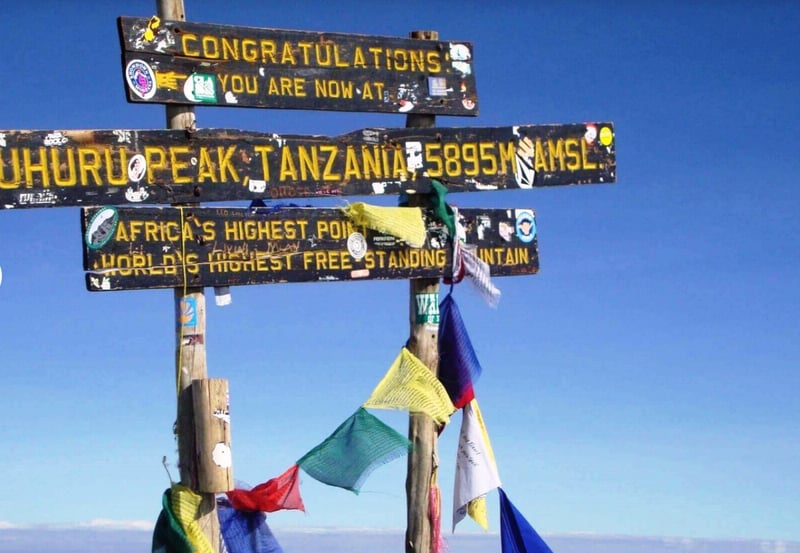
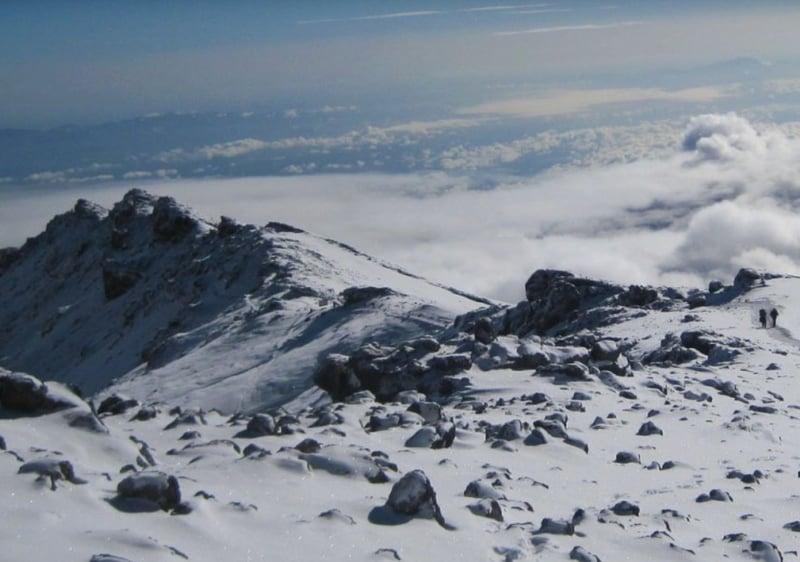
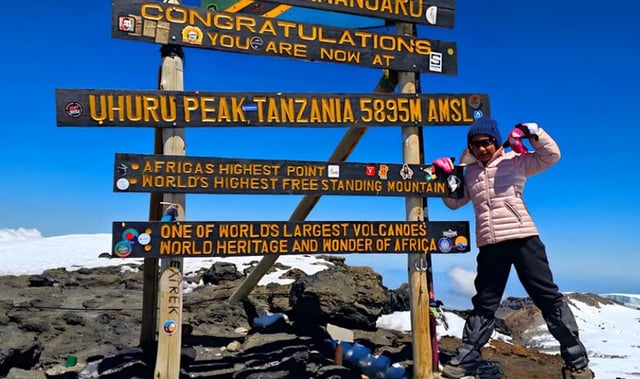
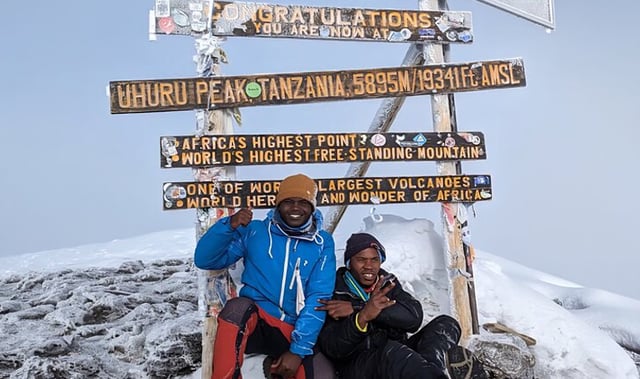
Begin the summit attempt shortly after midnight, ascending to Gilman’s Point and then along the crater rim to Uhuru Peak. The climb is steep and long, requiring steady pacing. After reaching the summit, descend to Kibo for rest and a meal before continuing down to Horombo Huts for overnight recovery.
Descend through moorland and rainforest toward Marangu Gate, sign out, and enjoy a final celebratory lunch. Transfer to Arusha for an evening arrival.
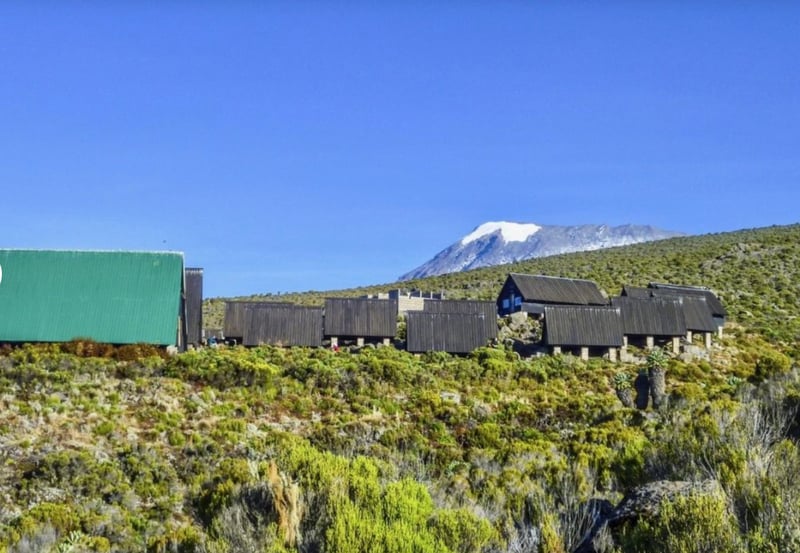
The Marangu Route ascends the south-eastern side of Kilimanjaro, starting at Marangu Gate near Moshi. The trail passes through rainforest, heathland, alpine desert, and finally the glaciated summit zone. Hut accommodation makes this route distinct from other Kilimanjaro itineraries, providing mattresses, dining areas, and shared dorm-style rooms.
Arusha serves as the primary pre- and post-trek base, offering access to hotels, equipment checks, and transport links. The drive from Arusha to Marangu Gate typically takes around three hours.
Trekkers must have good fitness and be prepared for sustained altitude exposure. Daily distances are moderate, but the summit day is long and physically demanding. Prior multi-day trekking experience is helpful but not essential.
Altitude awareness is critical. The itinerary’s additional acclimatisation day supports safer progression, but participants must maintain hydration, pacing, and consistent nutrition. Guides monitor symptoms closely and adjust the plan if required.
Guides on Kilimanjaro are professionally trained in altitude management, first aid, and environmental safety. Their familiarity with the Marangu Route ensures steady pacing, clear communication, and daily checks using oximeters and visual assessment. Support teams manage cooking, water purification, and camp organisation to keep the focus on acclimatisation and progress.
Porters and cooks are treated ethically, with fair wages and proper equipment. Meals are fresh and nutritious, and purified drinking water is provided throughout the trek. Airport transfers, Arusha accommodation, and emergency oxygen are included to ensure a safe and structured experience from start to finish.
The Marangu Route is the only trail with hut accommodation, which appeals to trekkers who prefer not to camp. Its established infrastructure and consistent trail profile make it highly accessible. The path is clear and well maintained throughout, with designated meal areas and bunk-style sleeping huts.
However, it should not be mistaken for an easy climb. Summit day remains difficult, and altitude affects trekkers differently. The six-day version is strongly recommended for better acclimatisation.
While technically non-challenging, the route requires strong endurance, particularly on summit day. The trail is often steady but becomes demanding near Kibo and during the long ascent to Gilman’s Point. Altitude plays the largest role in difficulty.
Trekkers should be prepared for early mornings, cold temperatures, and sustained effort over multiple days. Good basic fitness is essential.
Mandara, Horombo, and Kibo Huts provide simple bunk rooms with mattresses, communal dining areas, and solar lighting. While basic, the huts offer protection from weather and eliminate the need to camp. Toilets are shared and vary from flush facilities at lower elevation to long-drop systems higher up.
The huts help reduce exposure to wind and rain, especially at night.
Trekkers need sturdy boots, warm layers, waterproofs, gloves, headlamp, and a daypack. Summit night requires well-insulated clothing and wind protection. Trekking poles are highly recommended for both ascent and descent.
Personal items such as snacks, medication, sunscreen, and hydration systems should also be packed. Rental gear may be available, but using your own equipment ensures better fit and reliability.
The six-day version includes an acclimatisation day at Horombo, allowing the body to adjust before proceeding to Kibo. Guides use oximeters to monitor oxygen saturation and watch for signs of altitude sickness.
Trekkers are encouraged to stay hydrated, eat regularly, and maintain a slow, steady pace—especially as they approach higher elevations.
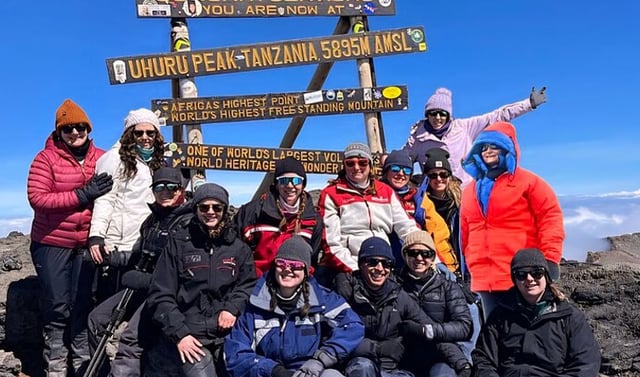
Summit night begins around midnight to reach Uhuru Peak shortly after sunrise. The ascent is steep and slow, often in cold temperatures and thin air. Reaching Gilman’s Point marks the beginning of the final traverse along the crater rim to Uhuru.
After celebrating at the summit, trekkers descend back to Kibo for rest, then continue to Horombo for overnight recovery.
Daily distances are moderate, generally requiring 4–7 hours of trekking. Summit day is the longest, often lasting 10–14 hours in total. Breaks are incorporated for rest, acclimatisation, and meals.
The descent on Day 6 is steady and follows the same trail used on the ascent.
Groups typically range from 2–10 trekkers, depending on booking patterns. Smaller groups allow for more personalised pacing and guide attention. Porters and cooks accompany every group to carry equipment and manage logistics.
Group size does not affect route infrastructure, as huts can accommodate large numbers of climbers during peak season.
Meals are fresh, varied, and designed for high-altitude nutrition—typically including grains, vegetables, eggs, pasta, soups, and fruit. Hot drinks, purified water, and energy-focused meals ensure trekkers remain fuelled for daily hiking demands.
Dietary preferences can often be met with advance notice.

About the centre
Kilimanjaro National Park
Operated by Bencia African Adventure and Safaris, a partner of adventuro.
Kilimanjaro & Arusha, Tanzania
From $2200
Kilimanjaro & Arusha, Tanzania
From $2600
Kilimanjaro & Arusha, Tanzania
From $2600