
We partner with Rewilding Britain to help protect our natural spaces for future adventures.
All centres are vetted for safety and quality. Your adventure is in good hands with adventuro.
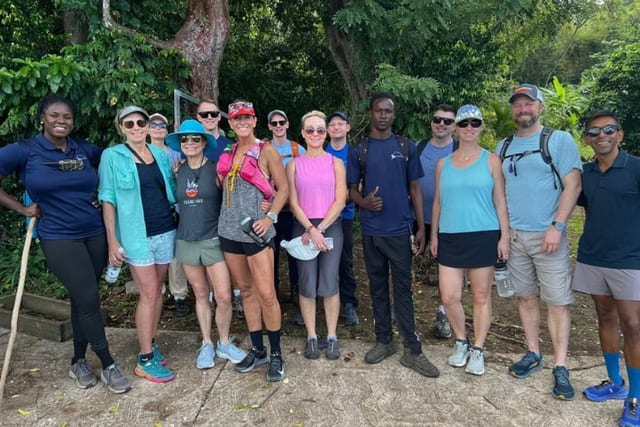
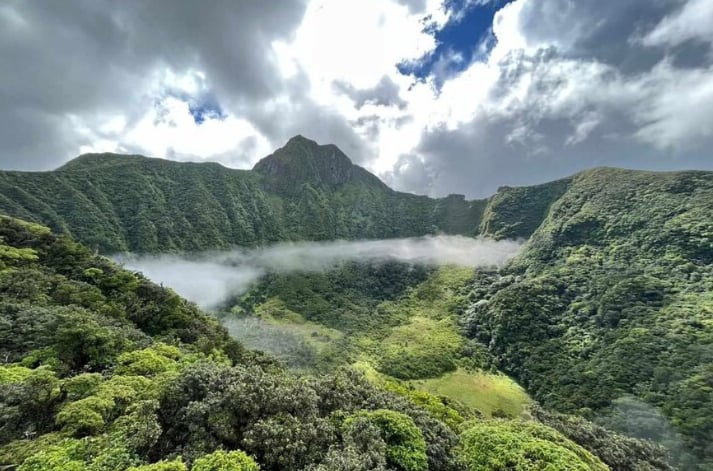
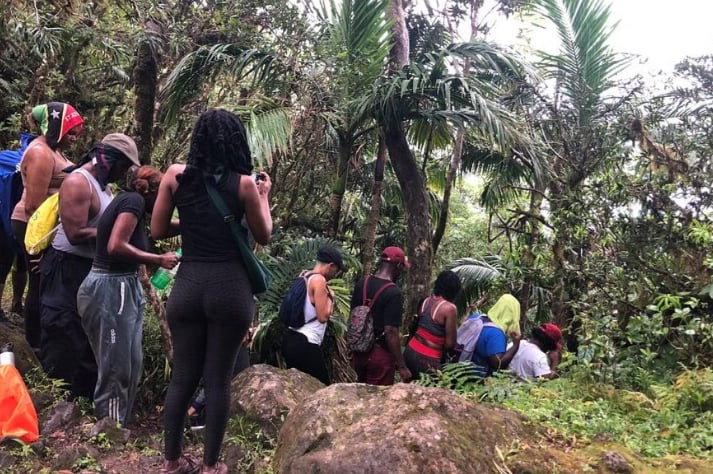
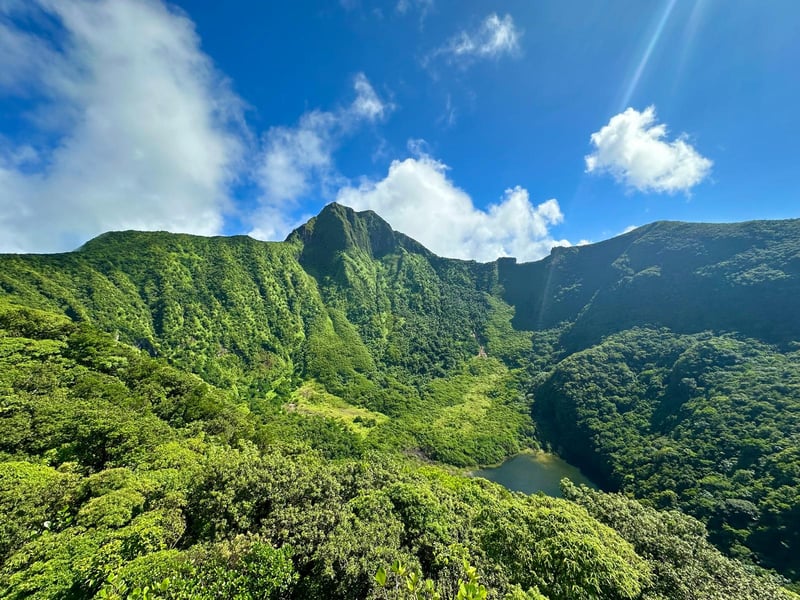
Climbing Mount Liamuiga offers a demanding but rewarding experience, combining rainforest trails, panoramic views, and cultural insight. Guided by knowledgeable locals, the hike balances physical challenge with carefully paced support, allowing participants to enjoy both the environment and the island’s history. Small groups and thoughtful guidance ensure the climb feels personalised and manageable.
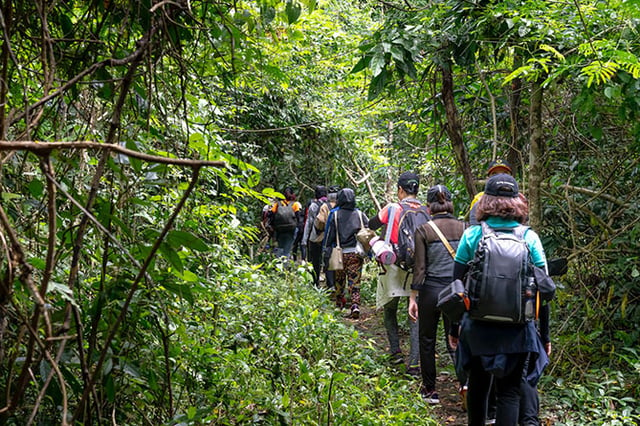
Hiking begins on the lower slopes of Mount Liamuiga, where shaded rainforest paths create a cooler environment for the early stages. Guides explain the ecology and history of the mountain, highlighting native plants and wildlife while giving context on the volcano’s formation and influence on the island.
Steeper, more rugged sections appear further up, including rocky and root-covered areas that require careful footing. Regular breaks are incorporated to hydrate, take in views, and learn more about St Kitts’ culture and natural history.
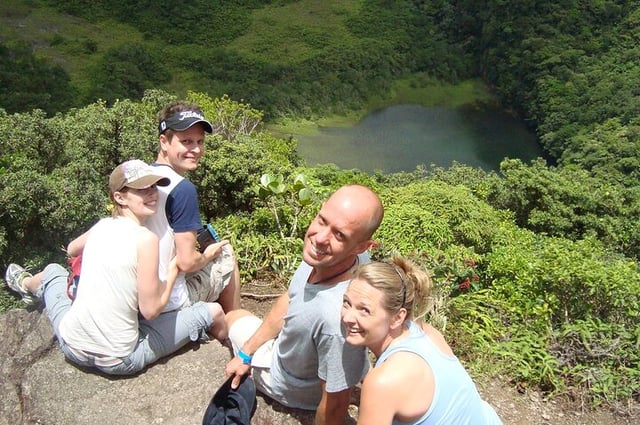
Summit arrival provides expansive views across the island and neighbouring seas, rewarding the climb. Descending follows the same path, allowing for a gradual wind-down while reflecting on the experience and enjoying the rainforest a second time.
Mount Liamuiga dominates the northern interior of Saint Kitts and Nevis, offering one of the most immersive natural experiences on the island. The trailhead sits away from busy coastal areas, creating a peaceful and scenic setting from the start.
Meeting is arranged in Basseterre, and transport can be included if requested. Pickup arrangements should be confirmed in advance to ensure a smooth start to the hike.
Participants should be comfortable with steep, uneven paths and capable of walking for several hours in humid conditions. Physical fitness is important, as the climb requires sustained effort over natural terrain.
Guests with asthma can join if they carry necessary medication and inform the guides in advance. The hike is not suitable for strollers, wheelchairs, or anyone with significant back, heart, hip, or knee issues.
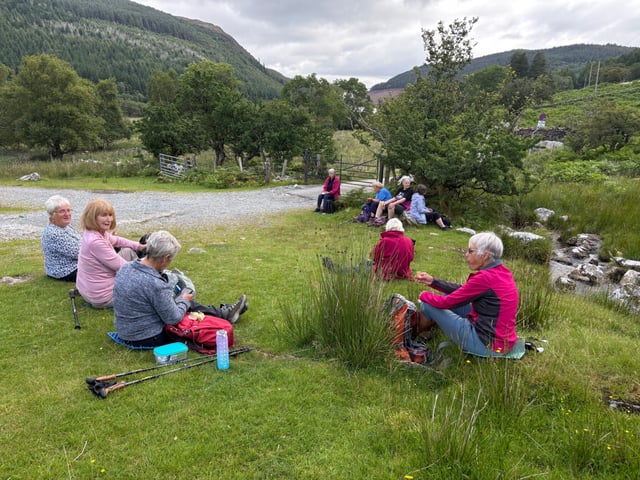
Local guides share personal knowledge of the mountain and surrounding areas, combining ecological education with historical and cultural storytelling. Group sizes remain small to allow each guest attention, ensuring questions are answered and safety is prioritised.
Supportive guidance, flexible pacing, and thoughtful planning create an experience that blends challenge and comfort. Light refreshments, optional transport, and attentive care help make the climb memorable and manageable for all participants.
Mount Liamuiga is one of the most challenging hikes on St Kitts, requiring sustained uphill walking over rocky and uneven terrain. While guides pace the group carefully, participants should be prepared for several hours of exertion, including steep sections that test endurance and balance.
The hike combines moderate aerobic activity with the need for attention to footing. Those unaccustomed to extended uphill walking should assess their fitness and energy levels before participating.
Previous experience is helpful but not mandatory. Individuals who are reasonably fit and able to manage uneven surfaces over a few hours can complete the hike safely. Guides provide continuous support and adapt pace as needed for varying abilities within the group.
Guests should be comfortable walking at a consistent pace and handling short stretches of steep or rocky ground. Confidence in natural terrain is more important than formal hiking experience.
Reaching the summit typically takes two to three hours, depending on weather, group pace, and breaks. Guides schedule multiple stops to hydrate, photograph, and discuss flora, fauna, and cultural context, which enhances the experience beyond just reaching the peak.
Time at the summit is spent taking in panoramic views, observing geological features, and reflecting on the climb before descending. The descent usually takes slightly less time due to gravity, but still requires careful attention to footing.
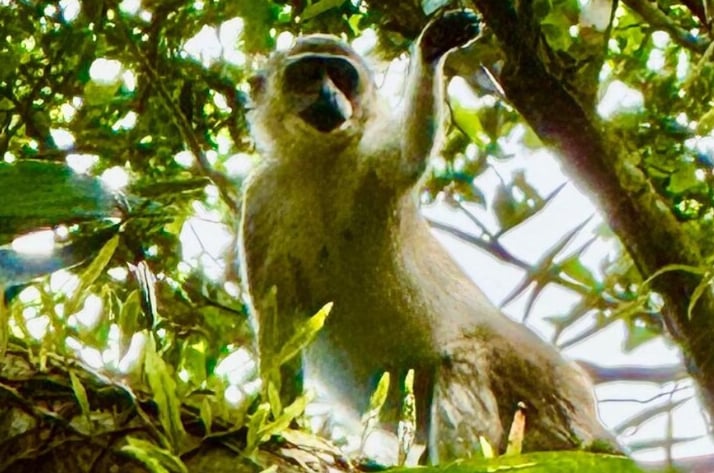
Rainforest trails host a variety of birds, small mammals, and insects, with Vervet monkeys occasionally appearing in the upper forest zones. Guides identify native plants and explain traditional uses for medicine, food, and craft materials.
Floral diversity changes with altitude, offering insight into how different species adapt to varying conditions. Even without direct animal sightings, the richness of plant life and forest sounds contributes to the ecological learning experience.
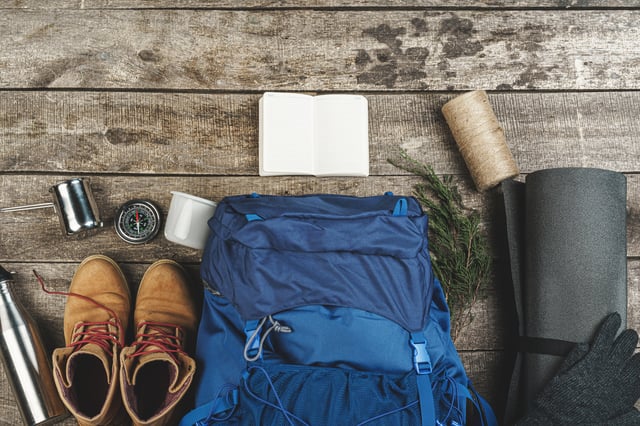
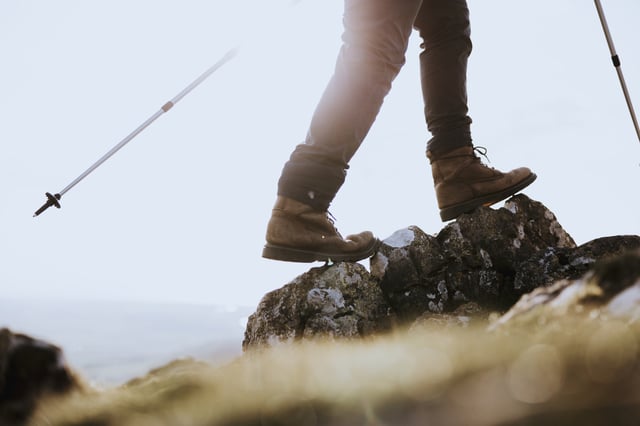
Sturdy hiking shoes with ankle support are essential for rocky and slippery sections. Lightweight, breathable clothing allows comfort in humid conditions, and layering may be useful for wind or cooler temperatures at higher elevations.
Additional recommended items include insect repellent, sun protection, a refillable water bottle, and any personal medication. Guides carry light refreshments, but participants may prefer to bring small snacks for energy.
Children aged six and above who are physically capable of sustained walking can participate. The route is demanding, so younger or less active children may struggle with long stretches and steep sections.
Parents should consider their child’s stamina and comfort on uneven terrain. Children should be prepared for full participation without strollers or frequent assistance.
About the centre
Basseterre, St Kitts and Nevis
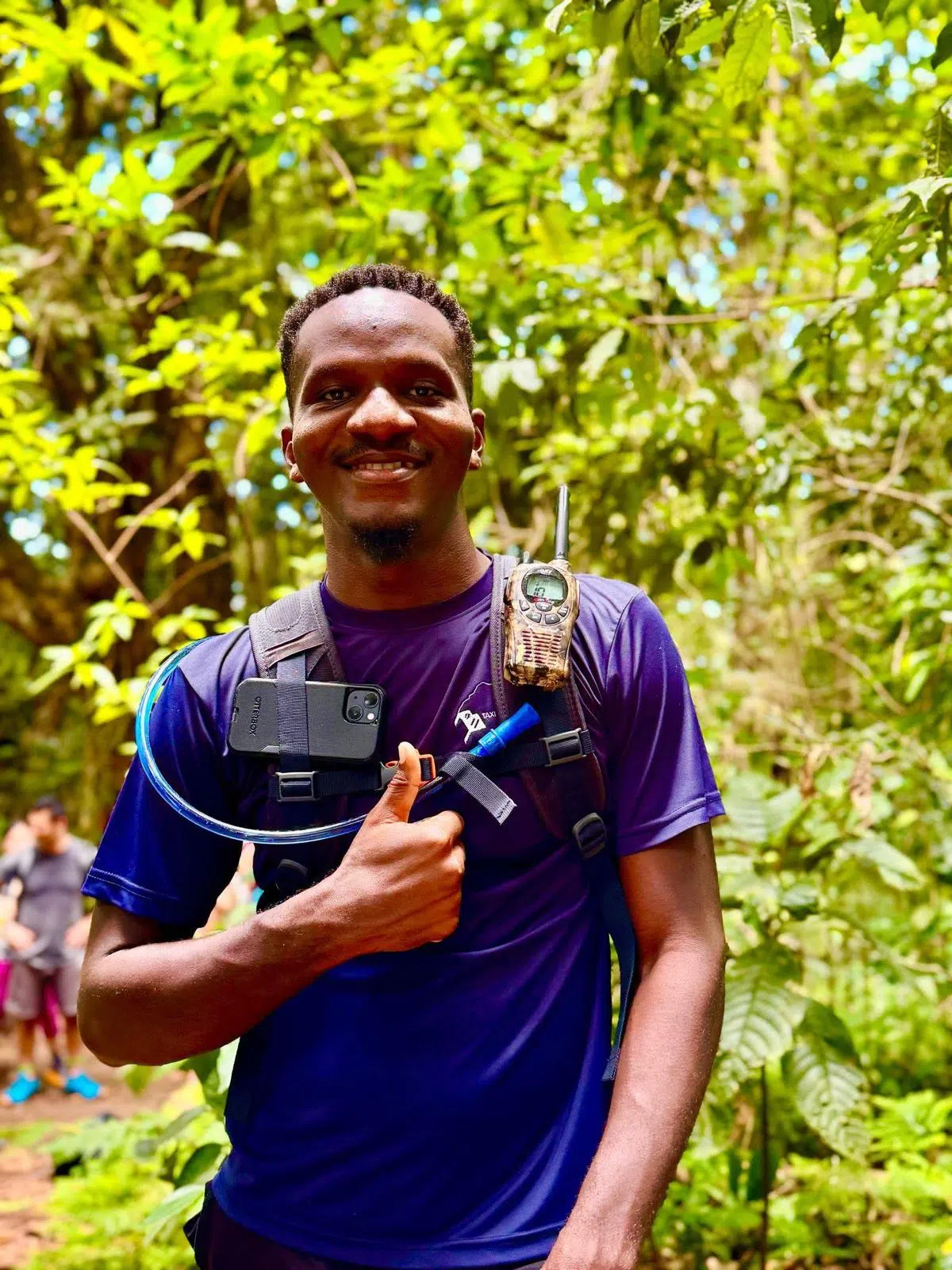
Operated by JB Taxi and Excursions, a partner of adventuro.
Basseterre & South Peninsula, Saint Kitts and Nevis
From $275
Basseterre & South Peninsula, Saint Kitts and Nevis
From $85
Basseterre & South Peninsula, Saint Kitts and Nevis
From $100
Basseterre & South Peninsula, Saint Kitts and Nevis
From $120