We partner with Rewilding Britain to help protect our natural spaces for future adventures.
All centres are vetted for safety and quality. Your adventure is in good hands with adventuro.
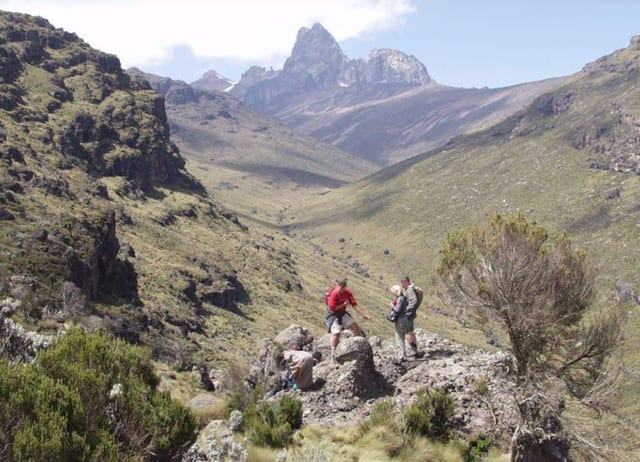
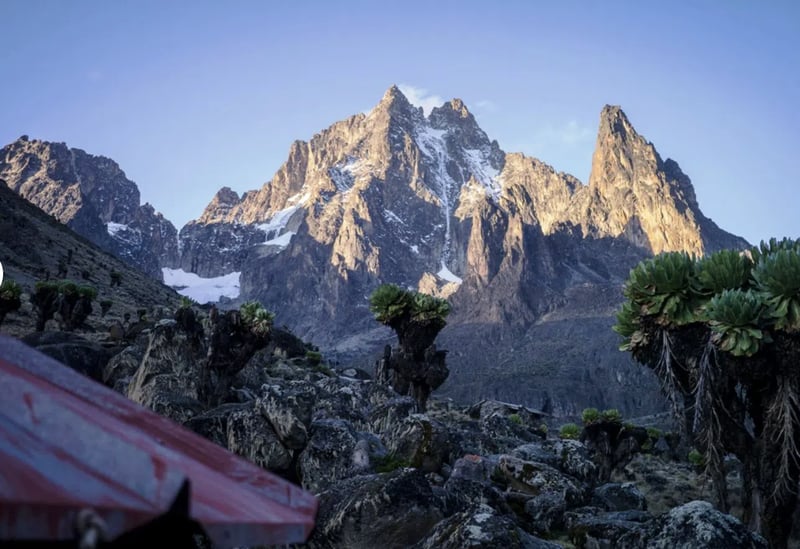
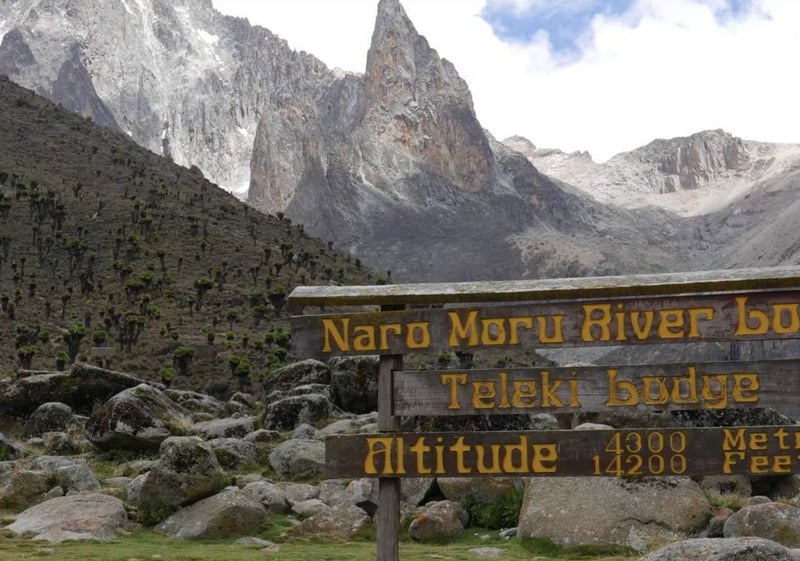
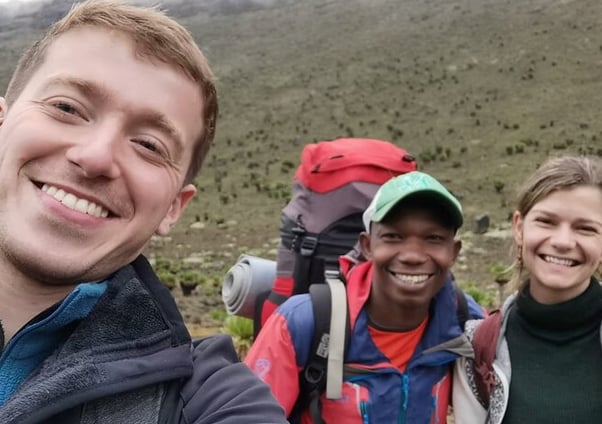
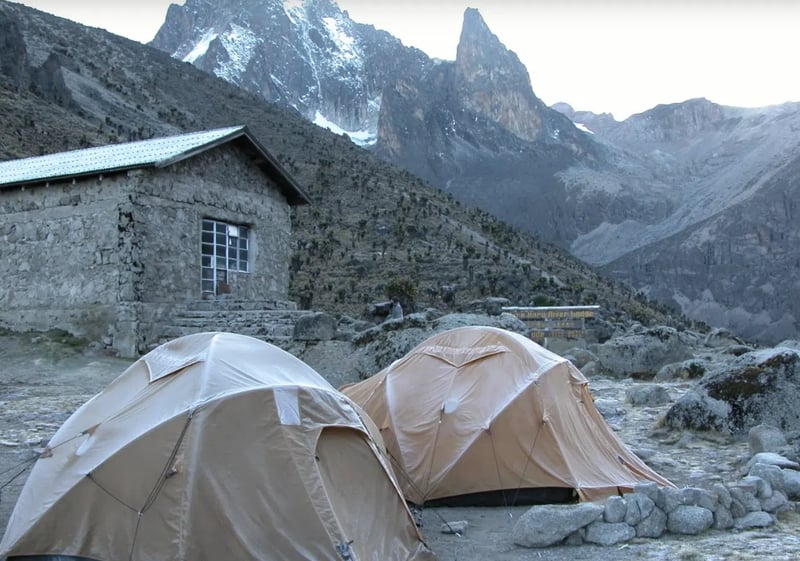
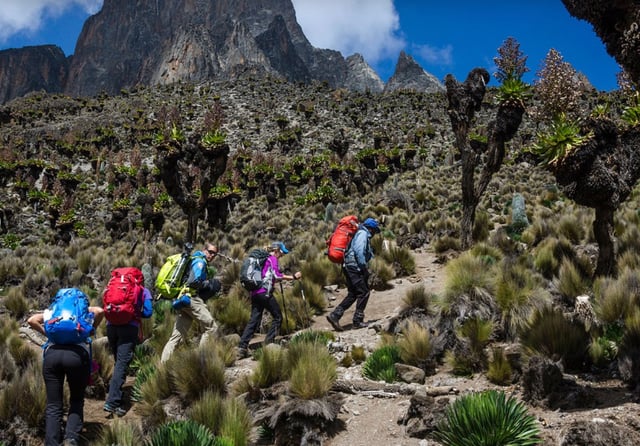
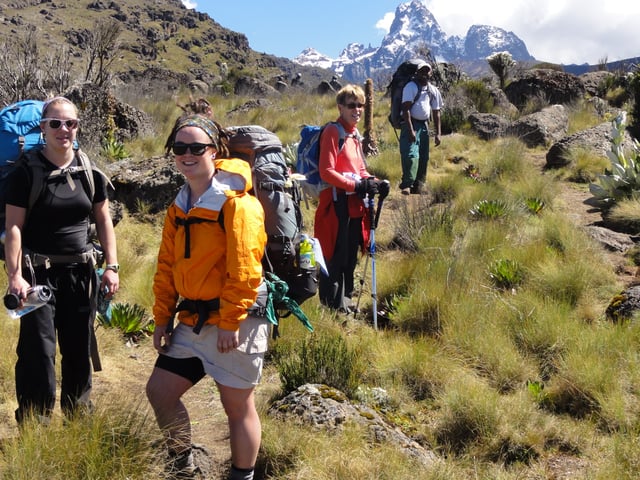
This five-day traverse combines the steep approach of the Naro Moru side with the scenic descent through the Chogoria valley, offering varied terrain and strong acclimatisation progression. It is considered one of the most rewarding ways to experience Mount Kenya, linking forest trails, high-altitude camps, and the broad landscapes leading to Point Lenana.
The route is suitable for trekkers with solid fitness who want a more diverse ascent than single-route climbs. With a steady increase in altitude, professional mountain support, and a scenic exit via Chogoria, this itinerary offers a well-rounded high-altitude trekking experience.
Depart Nairobi around 09:30 and travel to Naro Moru for lunch at the Mountain Rock area. In the afternoon, take an acclimatisation walk to the Mau Mau Caves and Burguret Waterfalls before continuing to Hikers Camp at approximately 2330m. This day includes around 11 km of hiking and helps prepare your body for the altitude ahead. Dinner and overnight at camp.
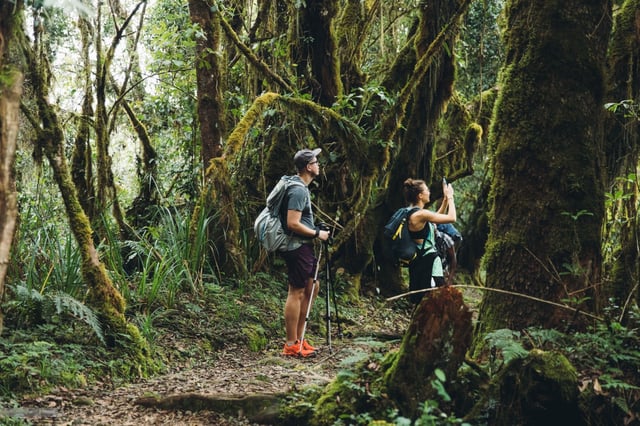
After breakfast, begin your ascent through the Naro Moru Gate. The trail climbs steadily through forest and moorland to reach Met Station, roughly 13 km away. The hike typically takes 3–4 hours with lunch en route. Dinner and overnight at Met Station.
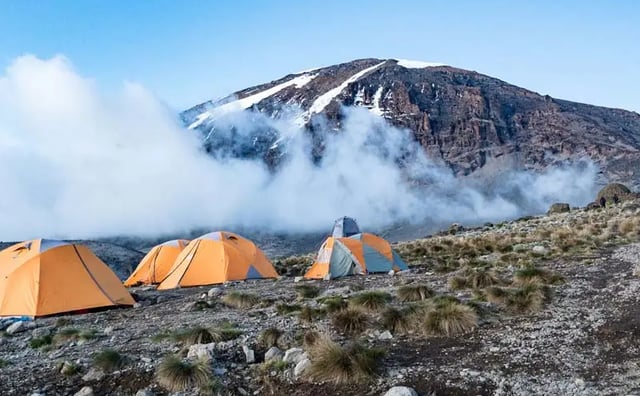
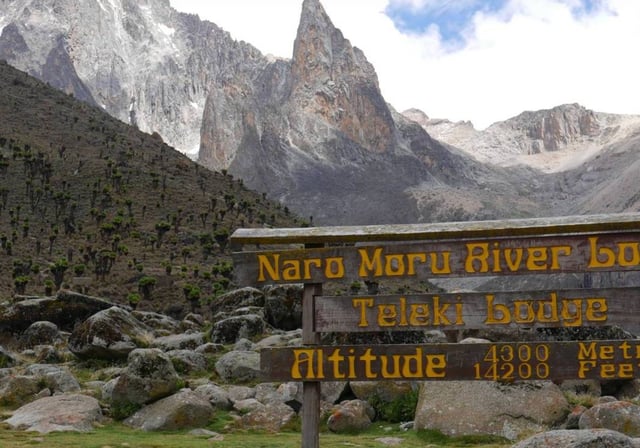
A longer day of approximately 13 km brings you to Mackinder’s Camp, a key acclimatisation stop situated at around 4200m. Expect 4–5 hours of hiking across open moorland and the upper alpine zone. Dinner and overnight at camp, with preparations for the early-morning summit attempt.
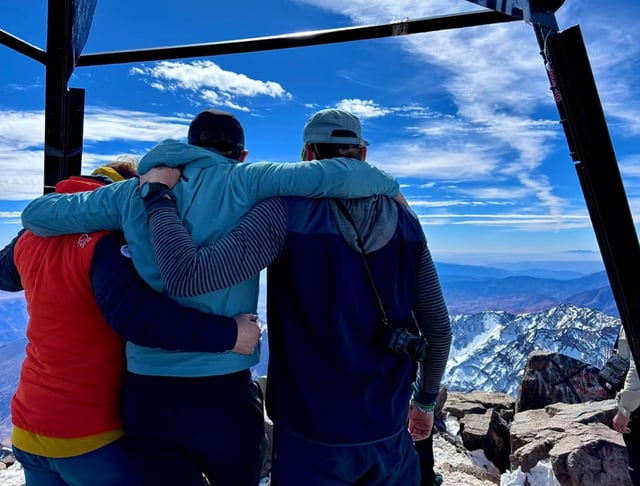
Begin the ascent at roughly 02:30 to reach Point Lenana for sunrise. After time at the peak, descend to Mintos Hut for a well-earned breakfast. The trail continues down the Chogoria side, known for its wide valleys, waterfalls, and dramatic cliffs. Lunch is taken en route before reaching Chogoria Bandas for dinner and overnight.
Following breakfast, descend the final section of the trail and meet your transfer vehicle for the drive to Chogoria town. After lunch, continue toward Nairobi, normally arriving late in the afternoon.
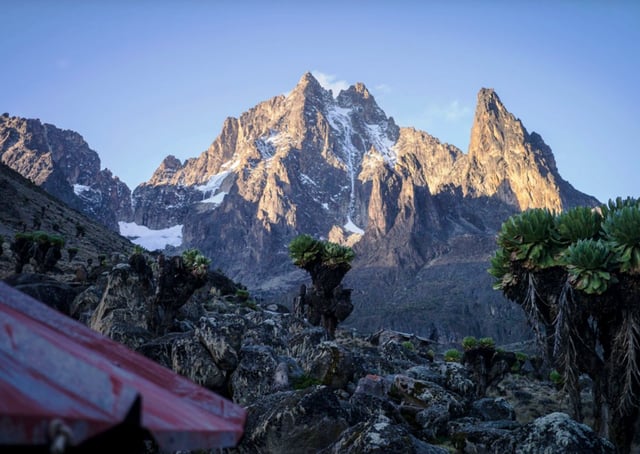
This route starts on the western side of Mount Kenya via Naro Moru, known for its direct access and rapid ascent profile. The initial forest and moorland zones provide a steady acclimatisation gradient before reaching the high-altitude camps surrounding the Lewis Glacier and the peak.
The descent through Chogoria is considered one of the most scenic areas of the mountain. Expect open valleys, tarns, cliff faces, and a more gradual route toward the forest belt. Chogoria town serves as the exit point, offering convenient road access back to Nairobi.
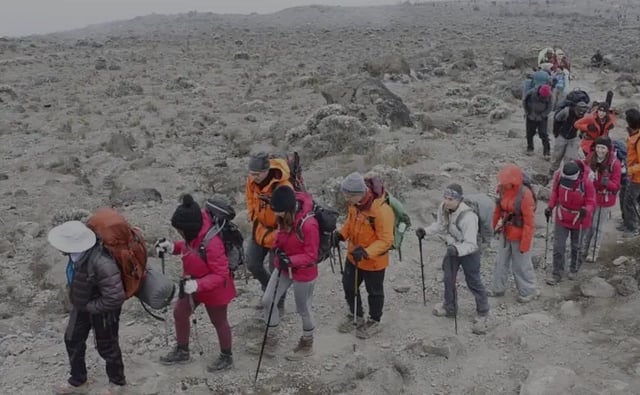
Participants should have good overall fitness, as the route involves several days of continuous hiking at altitude. Daily distances range from 11–13 km with significant elevation gain, and the summit push requires endurance in cold pre-dawn conditions. Experience with multi-day trekking is helpful but not mandatory.
Altitude is a key consideration, and trekkers should be aware of how the body reacts to sustained elevation. Maintaining steady hydration, pacing, and eating well throughout the climb supports better acclimatisation. Guides monitor participants daily and adjust the pace as needed.
The guiding team has long experience on both the Naro Moru and Chogoria sides of the mountain, ensuring safe pacing and effective acclimatisation throughout the ascent and descent. Their familiarity with summit-day timing, weather patterns, and terrain transitions contributes to a smooth, well-managed climb.
Porters handle camping equipment and mountain supplies, while all meals on the mountain are freshly prepared. Accommodation is arranged in established huts or camps, giving structure and predictability each night. Transfers, park fees, and logistics are fully coordinated to provide a reliable and well-supported mountain experience.
This route is challenging and suited to trekkers with good fitness. The ascent via Naro Moru includes long, steady elevation gains, while the summit push takes place in cold, pre-dawn conditions. The descent through Chogoria adds distance but is less steep, contributing to a well-rounded high-altitude trek.
The itinerary supports acclimatisation through progressive elevation increases and structured overnight stops. Guides closely monitor participants and maintain a pace that prioritises safety and comfort at altitude.
Accommodation consists of mountain huts or designated camps, depending on availability. These are designed for functionality and weather protection rather than comfort, offering reliable shelter in high-altitude environments.
Before entering the park, lunch is taken at Mountain Rock in Naro Moru and the first night is spent at Hikers Camp. Facilities here are more comfortable than upper-mountain camps and allow for acclimatisation and pre-climb preparation.
Trekkers should bring sturdy boots, warm layers, waterproof clothing, gloves, a headlamp, and a reliable daypack. Temperatures drop significantly at altitude, particularly around Mackinder’s Camp, so thermal layers and proper insulation are essential.
A detailed kit list typically includes trekking poles, sun protection, refillable water bottles, and personal medication. Snacks for summit day and long descents are recommended. Gear rental may be available in Naro Moru, though quality varies.
Summit day begins at around 02:30 to reach Point Lenana for sunrise. This early start helps avoid cloud build-up and provides the best visibility. The ascent is gradual but demanding due to altitude and cold conditions.
After summiting, trekkers descend to Mintos for breakfast before continuing toward Chogoria Bandas. The day is long, combining the summit push with a substantial descent into the Chogoria Valley.
Naro Moru is known for its direct approach and can be steeper in sections, especially as the trail ascends toward the moorland. The Chogoria side is more scenic and less steep, offering wide views, waterfalls, and varied terrain.
Weather can shift quickly at altitude. While mornings are often clear, afternoons may bring cloud or rain depending on the season. Waterproofs and warm layers should be accessible at all times.
Daily distances range from 11–13 km on the ascent, with moderate elevation gain spread across 3–5 hours of hiking. The longest day is summit day, combining the ascent to Point Lenana, descent to Mintos, and continued descent to Chogoria Bandas.
Breaks for hydration, snacks, and lunch are built into each day. Guides set a steady pace aimed at supporting safe acclimatisation.
Groups typically consist of two to seven participants to ensure manageable pacing and personal attention. Smaller groups also reduce trail congestion and make the experience more flexible based on participant needs.
A dedicated team of porters accompanies each group, carrying equipment, meal supplies, and camp essentials. This allows trekkers to hike with lighter daypacks.
All meals on the mountain are included. A typical menu features rice, pasta, vegetables, bread, simple proteins, and hot drinks. Meals are designed to provide steady energy at altitude and are prepared by support staff at each camp.
Dietary preferences can usually be accommodated with advance notice. Bringing additional personal snacks helps maintain energy levels, especially on summit day.
Guides are trained in altitude management, pacing, and group safety. They monitor wellbeing throughout the ascent and respond promptly to signs of altitude discomfort. Camps are selected based on established safety and suitability criteria.
Transfers to and from the trailheads are organised using maintained vehicles, and the route follows recognised paths throughout the national park.
About the centre
Mount Kenya
Operated by Bencia African Adventure and Safaris, a partner of adventuro.
Basseterre & South Peninsula, Saint Kitts and Nevis
From $109.99
Kilimanjaro & Arusha, Tanzania
From $850