We partner with Rewilding Britain to help protect our natural spaces for future adventures.
All centres are vetted for safety and quality. Your adventure is in good hands with adventuro.
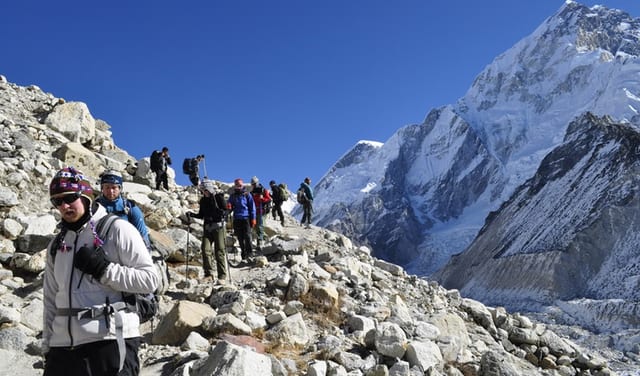
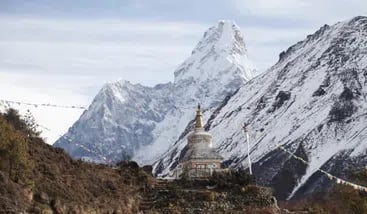
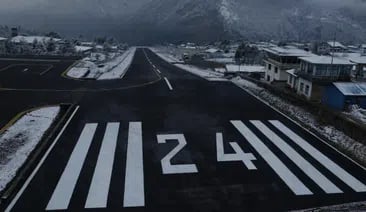
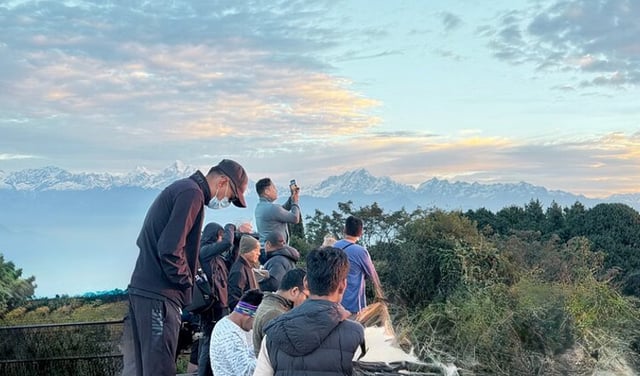
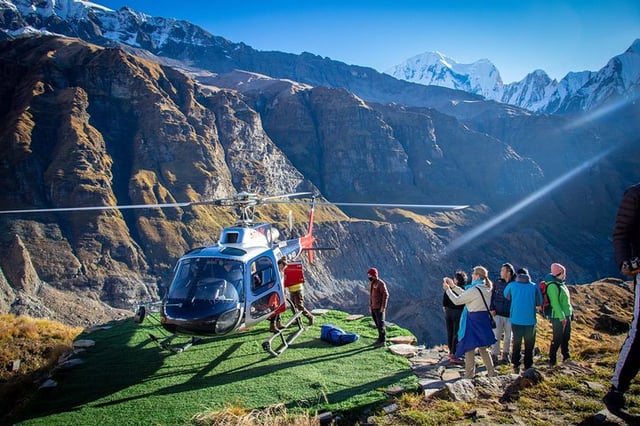
This 15-day trek combines cultural discovery in Kathmandu with a high-altitude journey through the Everest region. Starting with guided sightseeing, the experience builds gradually before heading into the mountains via a short flight to Lukla, where the trekking begins.
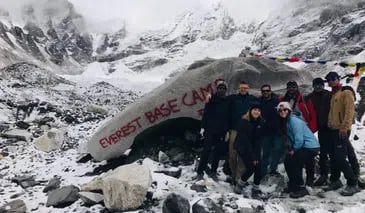
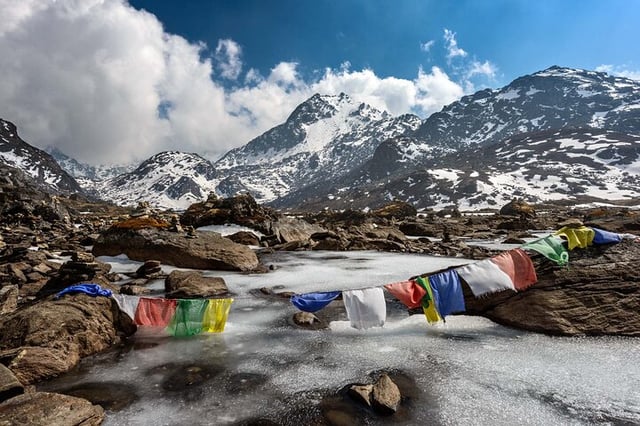
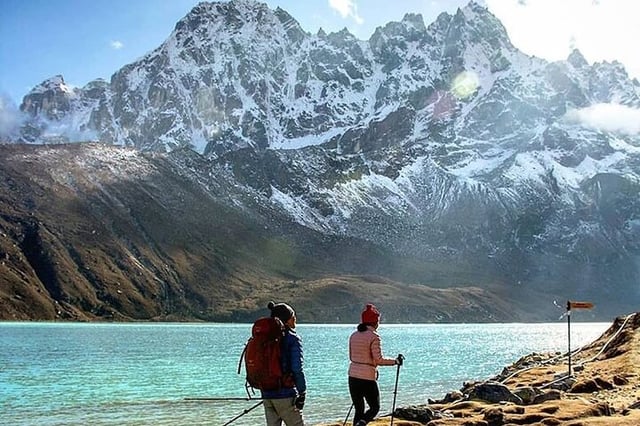
The route has been carefully planned to allow for proper acclimatisation, with rest days built in at key points. Along the way, you’ll pass through well-known villages, cross suspension bridges, and walk alongside rivers and glacial landscapes. The journey leads to Everest Base Camp and Kala Patthar before returning along the same route.
The team brings strong experience in organising Himalayan treks, with a clear focus on safety, pacing, and local knowledge. Every detail is planned in advance, from permits and flights to accommodation and support staff, allowing you to focus fully on the experience.
Beyond logistics, there is a genuine emphasis on delivering a well-rounded trip. Cultural elements, knowledgeable guides, and a structured itinerary ensure that the journey is not only manageable but also meaningful from start to finish.
Accommodation in Kathmandu is based in a comfortable hotel with twin or double-sharing rooms and modern facilities. This provides a relaxed base before and after the trek.
During the trek, accommodation is in local teahouses. These are simple lodges that provide basic rooms, meals, and a warm place to rest each evening. Facilities become more limited at higher altitudes, but remain suitable for trekking conditions.
This trek is considered challenging due to the altitude, distance, and number of trekking days. While there is no technical climbing involved, the combination of long walking days and thinner air makes it physically demanding.
Preparation is important, especially building cardiovascular fitness and leg strength. With the right training and pacing, most fit individuals can complete the trek successfully.
Previous experience is helpful but not essential. Many people complete this trek as their first high-altitude experience with proper preparation beforehand.
What matters most is being comfortable walking for several hours a day and maintaining a steady pace over varied terrain.
The itinerary includes planned acclimatisation days to help reduce the risk of altitude sickness. Guides are trained to monitor symptoms and respond appropriately.
If symptoms become serious, descending to a lower altitude is the safest solution. Listening to your body is key throughout the trek.
In Kathmandu, you’ll stay in a comfortable hotel with modern amenities. This provides a good level of comfort before and after the trek.
On the trail, accommodation is in teahouses, which are simple but functional. Rooms are basic, and facilities become more limited as you go higher.
Meals during trekking days are not included, allowing flexibility in choosing what you eat along the route. Teahouses offer a variety of meals suitable for trekking.
Costs increase with altitude, so it’s useful to budget accordingly for food and drinks during the trek.
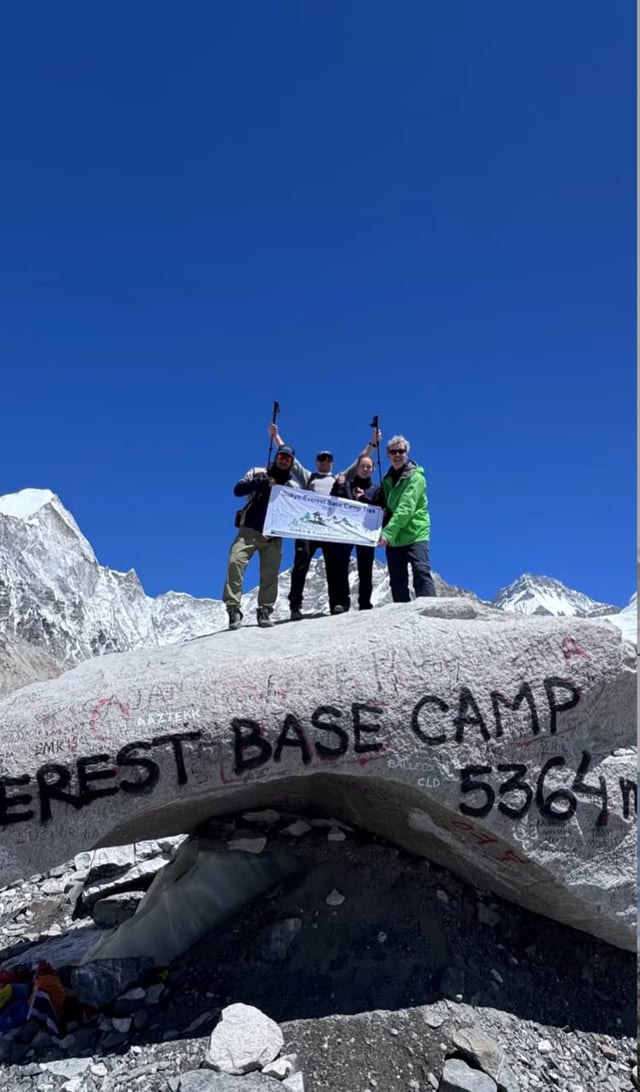
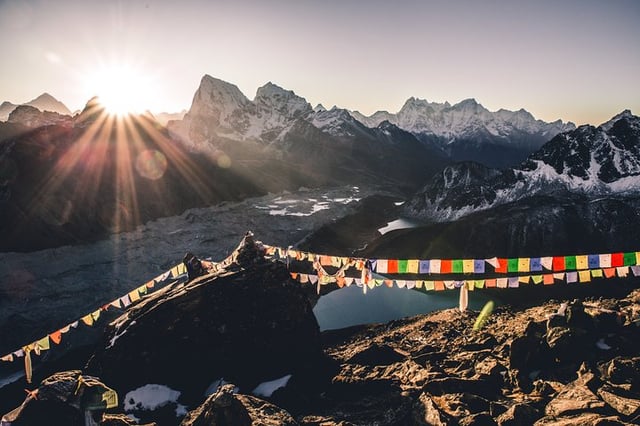
The highest point is Kala Patthar at 5,545 metres, which provides one of the best views of Everest. Everest Base Camp itself sits at 5,364 metres.
Both locations are highlights and mark key achievements during the trek.
Arunachal Himalaya (Tawang & Siang Region), Nepal
From $1450
Arunachal Himalaya (Tawang & Siang Region), Nepal
From $1700
Himachal Pradesh (Shimla, Manali, Spiti), Nepal
From $1750
Bagmati Province, Nepal
From $1358

About the centre
Kathmandu
Operated by Relax Getaways Pvt. Ltd, a partner of adventuro.