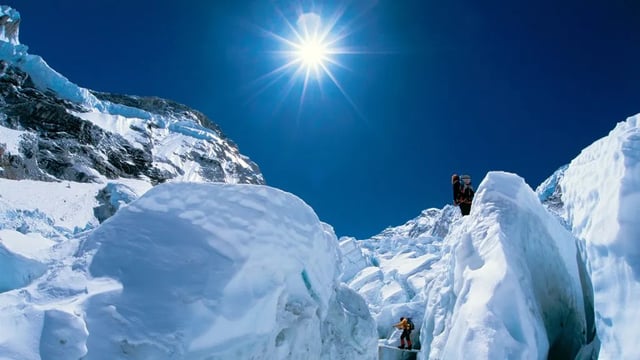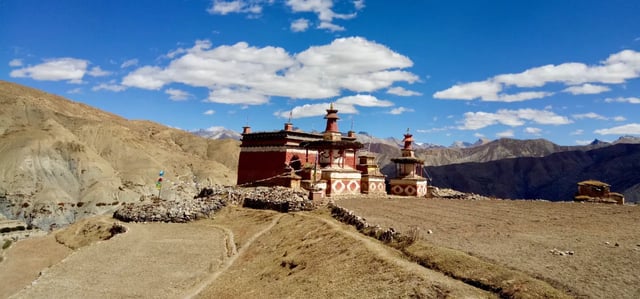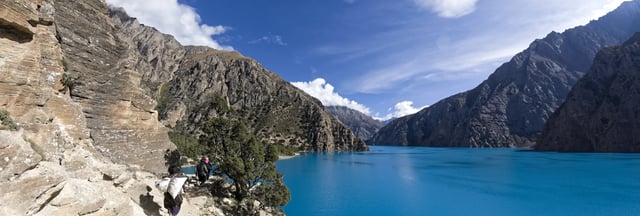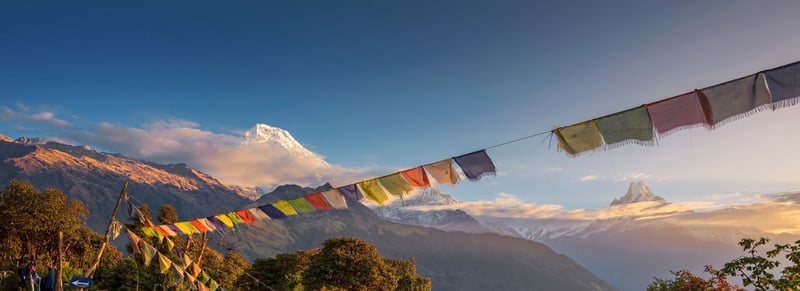
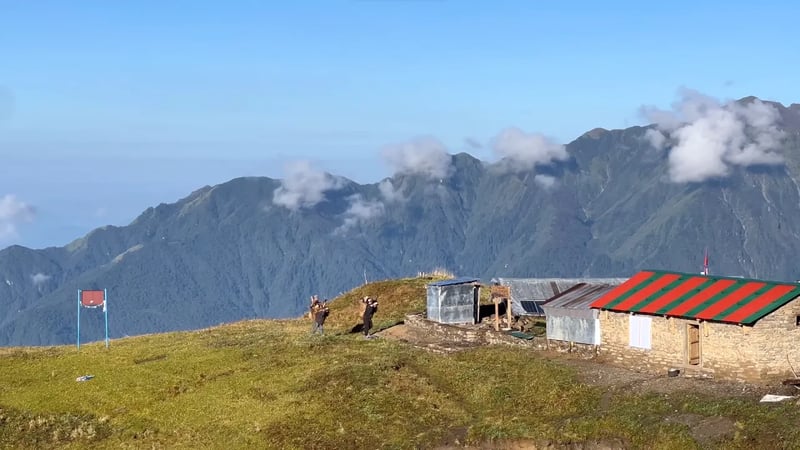
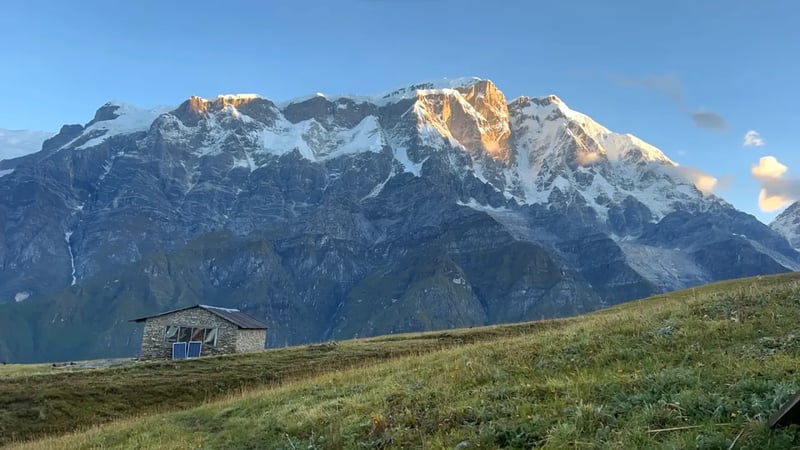
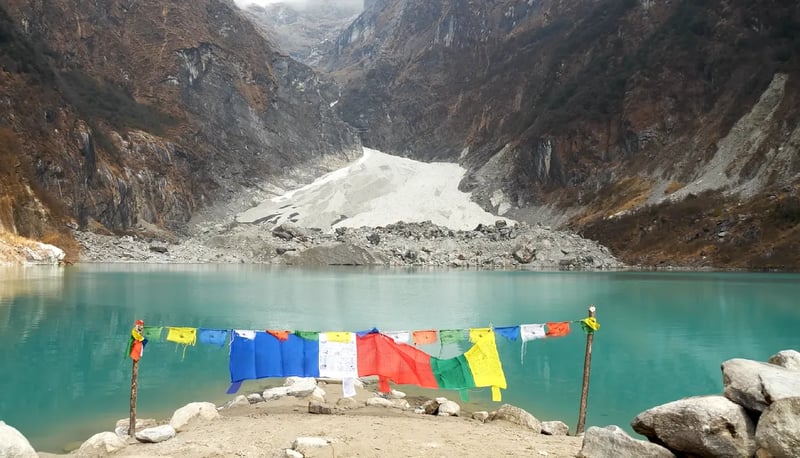
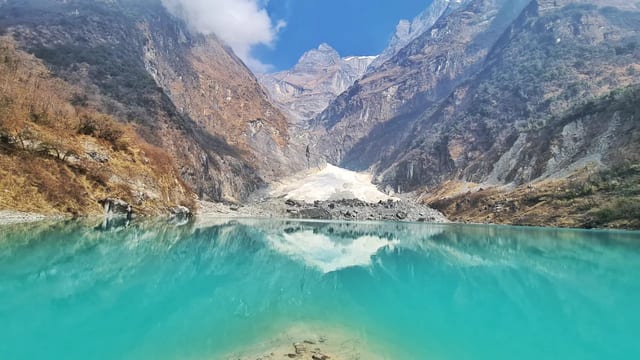
Kapuche Lake and Kori Danda sit above Sikles country, reached from Pokhara via a drive and a climb through Gurung villages. The lake is a glacial pool with Annapurna II and Lamjung Himal overhead. Sikles village, the glacial pool at Kapuche, and Kori ridge sit under Annapurna II and Lamjung Himal.
Kori ridge adds a viewpoint day before you walk back toward the road. Lodge nights are village-simple, with time in Sikles on the way in or out. Gurung homestay evenings in Sikles sit between the lake day and the Kori viewpoint, so the walk stays village-paced.
Our Kathmandu office files ACAP and TIMS before the tourist-bus run to Pokhara, then the jeep into Sikles so the first walk is to Hugu Goth, not a permit queue. You'll day-hike from Hugu Goth to Kapuche Glacier Lake at 3,210 m and sleep back on the same ridge. Your guide times that ice-edge visit for the rhododendron window, and we keep the daily plan easy to shift if weather holds you a night.
Kori Danda at 3,800 m is the viewpoint morning, with Annapurna II and Lamjung overhead, then a long descent through rhododendron back to Sikles. We prefer a Gurung-country guide who already works these herder trails, and porters carry insured lodge loads of about 25 to 30 kg, one porter for two guests. A share of profits supports school students in remote villages.
We land at Tribhuvan International Airport in Kathmandu after our flight touches down early or late depending on airline schedules. You clear immigration and customs in under an hour if lines move smoothly. Our local trek coordinator meets you outside baggage claim holding a sign with your name.
You hop into a private vehicle for the 20-minute transfer to your hotel in or around Thamel. We check you into a three-star guesthouse with hot showers and Wi-Fi. You rest after your long flight while we handle your permits and gear checks.
We meet you at 6 PM for a welcome dinner along with the Kapuche Lake Kori Trek guide and porters. You should have a taste of momos and dal bhat as we brief you on altitude protocols and the next day’s drive. We answer your questions about trail conditions and weather forecasts for the coming week.
We leave Kathmandu early, aiming to reach Pokhara before dusk settles. The drive covers roughly 200 kilometers. Expect the journey to consume between seven and eight hours. Road conditions vary, making the exact timing unpredictable. We navigate winding mountain roads that connect Nepal's capital to its lakeside city.
The route offers glimpses of terraced hillsides and distant peaks. You might feel the descent as we drop from Kathmandu's higher elevation down to Pokhara at 822 meters. Lunch stops break up the long drive, letting you stretch. Soon enough, we arrive in Pokhara, a bustling town beside Phewa Lake, ready for rest. This day is purely about transportation, moving you efficiently from the urban Kathmandu to the calmer gateway of the Annapurnas.
The road, while sometimes rough, is the standard access route before our trekking boots hit the trail near Sikles. Pokhara provides our last proper chance to stock up on any forgotten essentials. We settle into our accommodation, preparing mentally and physically for the Kapuche Lake Kori Trek ahead starting tomorrow.
We wake up in Pokhara while the mist still hugs Phewa Lake and the surrounding hills. Breakfast fuels us for the drive day ahead. The road to Sikles climbs steadily, twisting through rhododendron forests and past remote Gurung villages. We gain over 1,100 meters in elevation, stopping at 1,981 meters by afternoon. The drive eats up about four to five hours, depending on the weather and road repairs.
After parking near the entrance gate, we walk the final stretch into Sikles village. This last leg takes roughly 20 minutes on a well-marked stone path. Stone houses with slate roofs dot the hillside, showing traditional architecture. The final stretch into Sikles reveals stone houses stacked on steep slopes. We rest in family-run teahouses with basic rooms and shared bathrooms.
You refill water, air out your boots, and prep for tomorrow’s climb. The village offers a quiet, authentic Himalayan experience before we head deeper into the Kapuche Lake Kori Trek. Locals smile and greet you with “Namaste” as you wander the single main path.
We wake before sunrise in Sikles to pack warm layers and rain gear. Breakfast is simple toast, eggs, and hot lemon tea. We step onto the trail by seven thirty, heading northeast toward Hugu Goth. The path climbs steadily through pine and rhododendron forest with occasional clearings that show Machhapuchhre’s snow crown. You gain about 880 meters over six to seven hours of walking. The distance stretches roughly 10 to 12 kilometers, depending on the exact route taken.
Stone steps give way to packed dirt and occasional rocky scrambles. We cross wooden bridges over icy streams fed by distant glaciers. Lunch happens near a shepherd’s stone hut at around 2,500 meters. Locals sometimes sell fresh yak cheese here if they are in season. Afternoon brings steeper sections where trekking poles save your knees. You pass prayer flags strung between trees, flapping in the mountain wind.
Hugu Goth sits on a grassy ridge with basic stone shelters and one teahouse. We drop our packs, stretch sore calves, and sip ginger tea while watching shadows creep across the valley. Water comes from a nearby spring; we treat it with tablets or filter it before drinking. You can charge devices using the teahouse’s small solar panel. After a simple dinner, we sleep early, listening to the wind flow through the ridge.
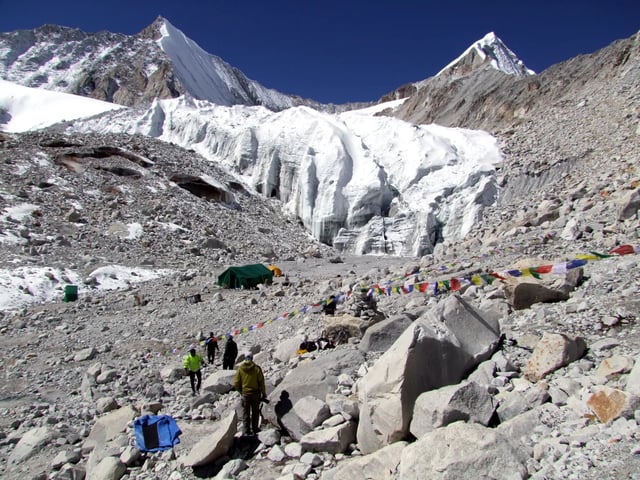
On the 5th day of the Kapuche Lake Kori Trek, we leave Hugu Goth right after dawn with packed lunches and full water bottles. The trail climbs sharply through alpine scrub and across glacial moraines toward Kapuche Glacier Lake. You gain roughly 350 meters over two and a half hours of slow, steady ascent. The path narrows in sections, hugging steep slopes with fixed ropes in icy or loose terrain.
Views open wide as we rise, revealing Dhaulagiri’s massif and the glacier’s mouth feeding the turquoise lake. We reach the lake at 3,210 meters by mid-morning. Ice still dominates its edges even in late spring. You take photos, rest on flat rocks, and eat lunch with the glacier rumbling faintly in the distance.
We turn back after an hour, retracing our steps to Hugu Goth. The descent takes less time, about two hours, as gravity helps our tired legs. You check your knees, adjust your pack straps, and drink often to stay hydrated. Back at the teahouse, we wash the sweat off our faces and sip hot lemon-ginger tea.
The following day on the Kapuche Lake Kori Trek, we pack up at Hugu Goth while the sun warms the ridge behind us. Breakfast is likely Sel Roti, some veggie stew, and black tea poured from a dented kettle. We head east along a high traverse path that skirts steep scree slopes above the Modi Khola valley. The trail undulates gently, losing a little elevation before climbing again toward Nho-ta. You walk for five to six hours, covering around 10 kilometers of rugged, remote terrain.
The path is narrow in places, marked by faded cairns and yak tracks. We cross two wooden bridges lashed together with wire, swaying slightly underfoot. Lunch happens near a shepherd’s summer camp, where you might see wool drying on rocks. Nho-ta sits at approximately 3,000 meters, a grassy plateau with stone huts used by herders in warmer months. We drop our packs inside a basic shelter with wooden floors and smoke-stained walls.
You refill water from a glacial stream using purification tablets. Dinner is simple potato stew with flatbread cooked over a wood fire. We dry socks, and check blisters, as stars appear, unobscured by city glow. You hear the occasional bell of a grazing yak nearby. We sleep wrapped in a thick blanket, listening to the pleasing sounds of the countryside.
Day 7 of the Kapuche Lake Kori Trek starts at around 7 in the morning. We leave Nho-ta under a bright blue sky, boots crunching on dew-holding grass. The trail climbs steeply through alpine meadows dotted with juniper shrubs. You gain 800 meters over five to six hours, pushing toward Kori Danda at 3,800 meters. The path switchbacks up a rocky moraine left by ancient ice.
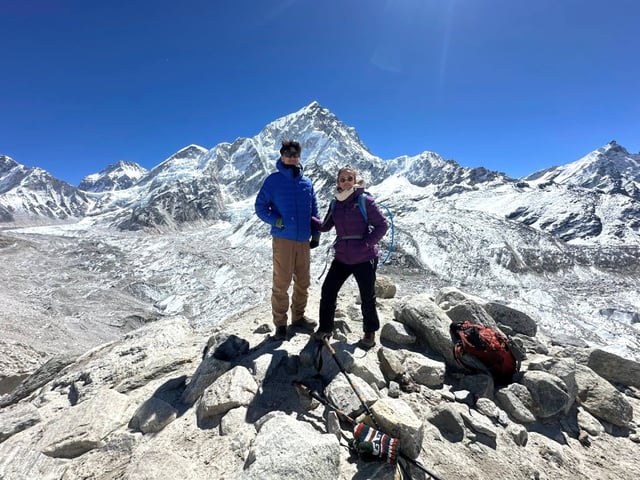
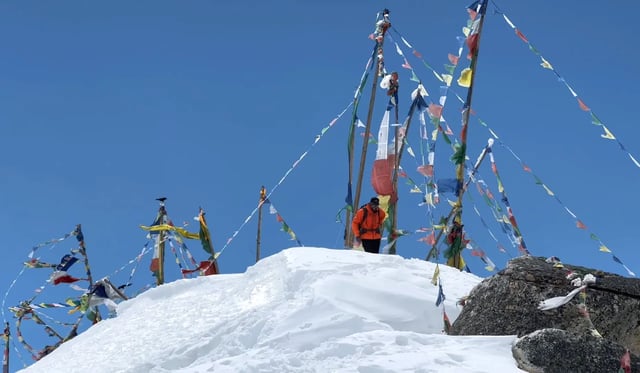
Your breath comes shorter as the air thins. We pause often, sipping water and adjusting layers as the sun warms our backs. Around midday, we reach a saddle with 360-degree views of Annapurna South, Hiunchuli, and the glacier feeding Kapuche Lake far below. Lunch is a quiet scene on sun-warmed boulders, eating boiled eggs and flat bread wrapped in cloth with some tasty sides. The final push to Kori Danda crosses a windswept ridge where prayer flags snap loudly.
You might feel the altitude here; headaches are common. We chew garlic or sip coca tea if symptoms appear. Meds are also available, but things do not get that serious at this elevation.
The next day on the Kapuche Lake Kori Trek, we break camp before sunrise, packing frozen tent pegs and stiff sleeping bags. Breakfast is quick, hot porridge gulped down while watching the first light hit Annapurna’s crown. We descend sharply from Kori Danda, losing over 1,800 meters of yesterday’s climb in one long, knee-testing drop. The trail zigzags down scree slopes and through rhododendron forests just starting to bloom in spring. You walk for seven to eight hours, covering roughly 14 kilometers of steep, rocky terrain. Trekking poles dig into loose soil to steady each step.
We stop halfway at a stone hut at 2,600 meters to drink lemon tea and rub sore muscles. Locals pass us carrying baskets of firewood strapped to their foreheads. The forest thickens as we drop, slowing down the wind and fluttering its leaves. Bird chirping replaces the glacier’s rumble. By late afternoon, we reach Sikles, greeted by the same stone houses and smiling faces from Day 3 of the Kapuche Lake Kori Trek. You peel off boots, soak feet in a bucket of cold stream water, and change into dry socks.
Dinner is celebratory, often with local buckwheat pancakes and honey. We tally blisters, share trail stories, and charge headlamps using the village’s solar panel. Sleep comes fast, deep, and dreamless after nearly 2,000 meters of descent. Your legs will thank you tomorrow.
We wake in Sikles to roosters crowing and smoke curling from kitchen chimneys. Day 9 of the Kapuche Lake Kori Trek features the last mountain meal, thick omelets with local greens and sweet milky tea. You will pack up all your belongings, including heavy gear and daypacks, and hand it to our porters, who will arrange them on the jeep. The dirt road drops fast through terraced fields and stone staircases slick with morning dew. You lose 730 meters over three hours of steady drive to Ghachok.
The drive to Pokhara takes four to five hours, winding down through river gorges and past roadside stalls selling oranges and roasted corn. You nap, snack, or watch waterfalls streak past the window. We enter Pokhara as the sun dips behind Fewa Lake. Check into lakeside guesthouses with hot showers and real beds. Dinner is your choice, maybe mimosas by the lakeshore or a thick pasta near the lakeside center.
We gather for a group photo under string lights, swapping favorite moments from the high trail. You can charge every device, and even rent a paddleboat at sunset. Sleep comes soft, silent, and deep, no wind, no cowbells, just the hum of the city outside your open window.
We wake up in Pokhara with no alarm, letting sunlight through the curtains wake us gently. Breakfast is pancakes with honey or toasted bread with jam or pancakes if you crave them. We check out by nine, loading bags into a large and comfortable tourist bus. The drive back to Kathmandu retraces the Prithvi Highway, roughly 200 kilometers of winding river valleys and roadside bazaars. You gain elevation slowly, climbing back to Kathmandu’s 1,400 meters over seven to eight hours.
We stop a couple of times, once for lunch at a trusted eatery near Mugling, and twice or so for refreshments. You can buy last-minute souvenirs, maybe prayer flags or hand-knit wool hats in Kathmandu. Traffic thickens as we near the capital. Dust, horns, and crowds replace mountain silence. We will drop you at your Kathmandu hotel in the evening.
Dinner is your choice, there are a lot of options since it's the city area. We meet for a final debrief, hand out certificates, and share a group photo. You pack tomorrow’s airport bag, charge adapters, and set alarms. Sleep comes easily, legs heavy but heart full, knowing you walked to a culturally rich region and returned with stories and experiences that will last a lifetime.
We wake before dawn in Kathmandu and zip bags shut. You check every pocket for passports, tickets, and leftover rupees. We load into a pre-arranged taxi by seven thirty, windows down, watching the city wake up slowly.
Traffic moves more slowly than expected near Kalanki, but we leave buffer time. The airport is around 20 minutes from Thamel if the roads are not too packed. We hug goodbye at the gate.
The plane lifts off over the green hills you walked just days ago.
Most guests fly into Tribhuvan International Airport in Kathmandu. Share your arrival time ahead of travel so a Thamel hotel transfer can be arranged, or make your own way to the meeting hotel.
Many departures include a road transfer to Pokhara before walking starts from Nayapul or a nearby trailhead. Allow a little extra time after the trek before international flights home.
Twin or double rooms in a comfortable Kathmandu hotel cover your first nights and your return from the trail, with breakfast on those city stays when included in the package. Briefings happen at the hotel, and airport collection from Tribhuvan is available when flight times are shared in advance.
Family-run teahouses or lodges line the route with twin beds and a shared dining room. Rooms get simpler and colder as you climb, with shared bathrooms common at higher villages. Hot water, Wi-Fi, and charging are paid at the lodge when offered.
Spring from March to May and autumn from September to November usually bring the clearest views and stable walking conditions on this route. Winter is quieter but colder at altitude, while monsoon months bring cloud and wet trails at lower elevations.
Shoulder weeks need an honest weather call before high passes or dawn viewpoints. Monsoon cloud sits lower on the hills while winter brings ice on steps above village level.
You should be comfortable on steep stone steps and forest paths for four to six hours with a daypack. Hill training and longer weekend walks in the months before travel help your legs and lungs on uphill trail days.
Hill training, stair climbing, and longer weekend hikes in the months before travel help your legs and lungs, even when acclimatisation days are built into the route. Break in boots before you fly and carry a light daypack on practice walks.
Guided trekking with licensed leaders, lodge nights on the trail, meals as described for walking days, and permits for the regions crossed are included when they are part of this trip. Domestic flights, porters, and airport transfers apply only when they are part of this trip.
Domestic flights, road transfers, porter support, and airport transfers apply only when they are part of this trip. Permits for the regions you cross are arranged in Kathmandu or Pokhara when included.
International flights to Nepal, visa fees, compulsory travel insurance, personal trekking clothing, snacks and drinks outside included meals, and tips for crew are not covered. Hot showers, Wi-Fi, and battery charging in lodges are usually paid locally when offered.
Charges for hot showers, Wi-Fi, or battery charging in lodges are paid locally when offered unless your trip notes say otherwise. International flights, visa fees, and personal insurance stay outside the trek package.
Pickup can be arranged from Tribhuvan International Airport or your hotel in Thamel when you share flight times ahead of travel. Thamel hotels are the usual meet point; drivers need flight numbers to meet you at the international terminal.
Some departures brief in Pokhara after the road from Kathmandu; your trip notes state which city hosts the main kit check. Allow a little extra time after the trek before international flights home in case mountain roads or flights move.
Guides set a steady pace and watch for headache, nausea, or dizziness as you gain height. Weather can shift daily plans, so your guide keeps a steady pace with regular breaks.
Tell your guide early if symptoms appear so tomorrow's stage can shorten or descent can start before conditions worsen. Trail conditions are checked each morning before the group moves.
Road transfer from Kathmandu to Pokhara and a short drive to Nayapul or another start point are common when transport is included. Your guide confirms departure times at briefing.
Motion sickness medicine helps on winding mountain roads. Your crew would rather wait for a safe window than rush marginal weather.
Annapurna Conservation Area Permit and TIMS registration apply on this route. The team arranges paperwork in Kathmandu or Pokhara when you provide passport copies and trek dates.
Keep copies in your daypack for checkpoint stops. Your crew would rather wait for a safe window than rush marginal weather.
Families join when children can manage the daily hours and terrain on this specific route. Pace and daily hours can be adjusted on private departures, though that may extend the calendar.
Ask our Kathmandu team if you are planning with younger walkers. Private departures can shorten daily hours, though that may add a day or two to the calendar.
Comprehensive travel insurance that covers trekking to the highest altitude on your itinerary, medical evacuation, and helicopter rescue when applicable is essential. Many standard policies exclude high altitude by name.
Read the wording before you travel so you can adjust cover if trekking above 5,000 metres is not named. Many standard policies exclude high altitude by name, so read the wording before you fly.
We partner with Rewilding Britain to help protect our natural spaces for future adventures.
All centres are vetted for safety and quality. Your adventure is in good hands with adventuro.
About the centre
Kathmandu
You'll travel with a Kathmandu-based team that plans treks, peak climbs, helicopter flights, motorbike journeys, and cultural trips across Nepal, Tibet, and Bhutan. Routes range from classic teahouse walks and high passes to luxury lodge itineraries and longer expedition-style climbs, with departures shaped around how you want to pace the mountains.
Licensed guides and office staff train regularly on mountain safety and guest care. Porters are insured, fairly paid, and equipped for the trail, with sensible load limits on lodge routes. We work with remote communities through sustainable tourism, including support for education in village areas, so your booking helps local people as well as your own adventure.
Operated by Himalayan Adventure Treks & Tours, a partner of adventuro.