We partner with Rewilding Britain to help protect our natural spaces for future adventures.
All centres are vetted for safety and quality. Your adventure is in good hands with adventuro.
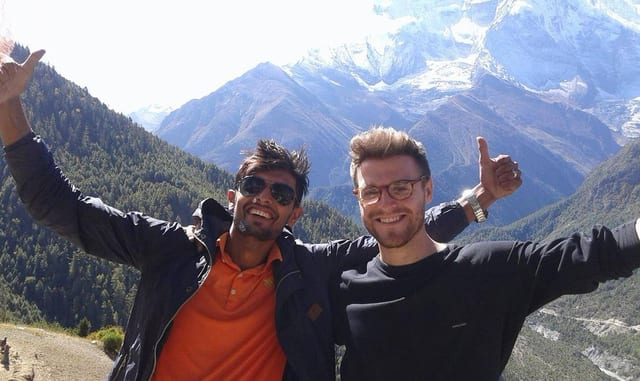
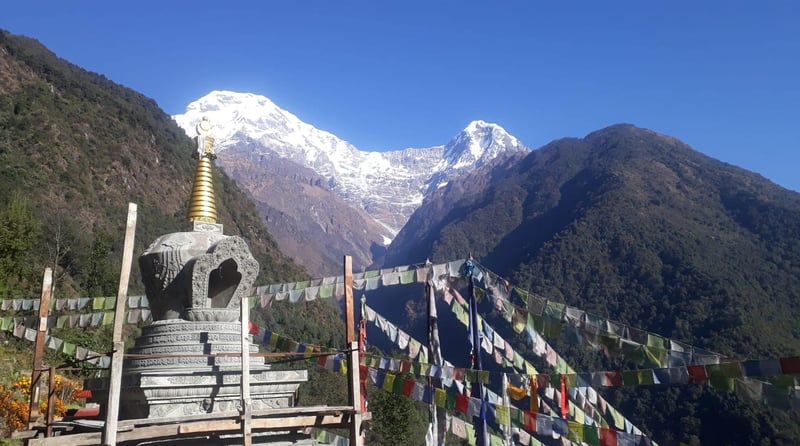
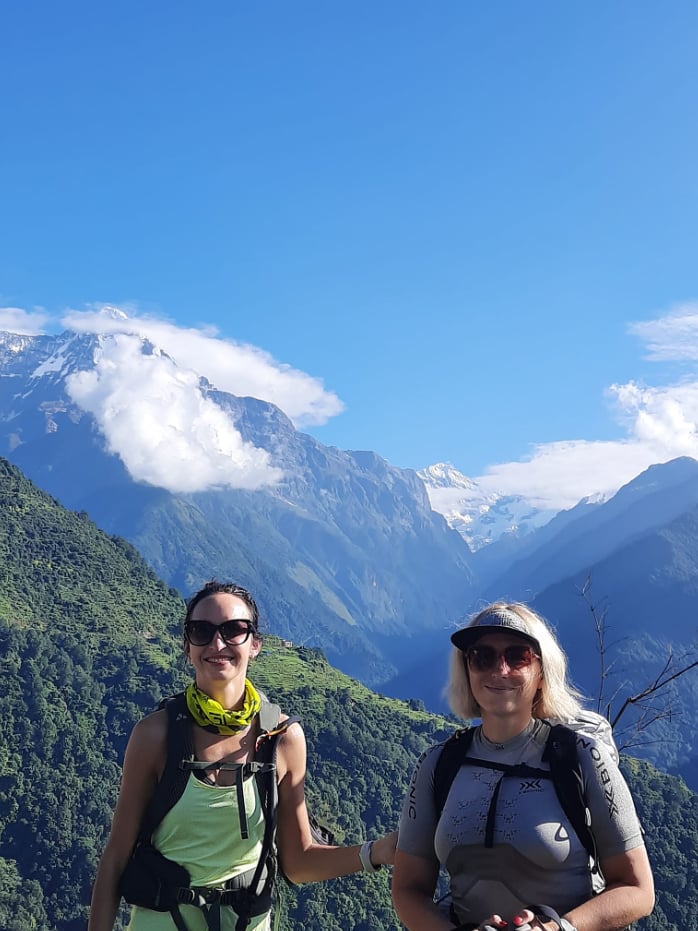
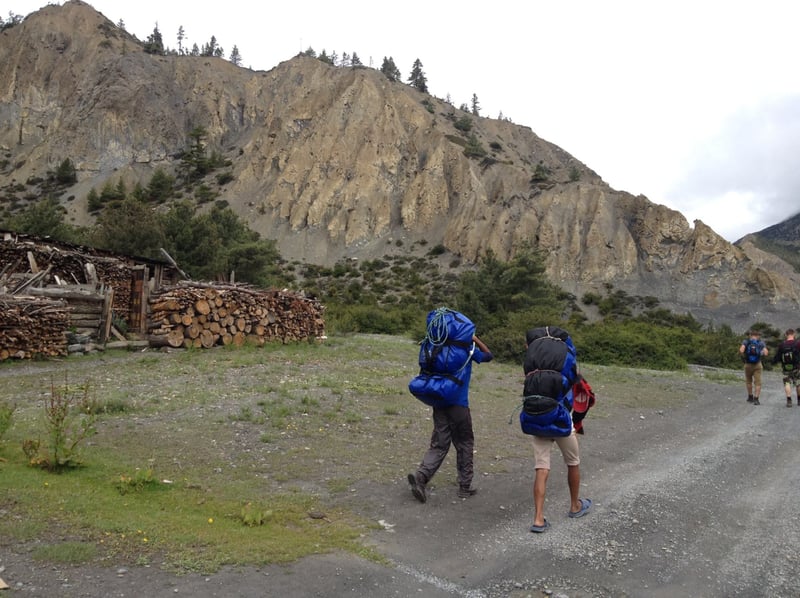
The Annapurna Base Camp trek offers a classic Himalayan experience, leading you through diverse landscapes and traditional villages to the heart of the Annapurna range. Over 13 days, you will experience local culture, mountain scenery, and the challenge of high-altitude trekking. The route balances demanding days with plenty of time to acclimatise and enjoy the surroundings.
Day 1: Arrive in Kathmandu and transfer to your hotel. Meet your guide and group, review the trek details, and prepare your gear. This day is for resting and adjusting after your journey.
Day 2: Drive from Kathmandu to Pokhara (1,400m), which takes around 6-7 hours by road. Pokhara is a relaxing city by the lake, giving you time to organise last-minute supplies and enjoy the local atmosphere.
Day 3: Travel by road from Pokhara to Nayapul (1,070m). From here, the trek begins, passing through villages, farmland, and subtropical forest to reach Tikhedhunga. Expect 5-7 hours walking with steady uphill sections.
Day 4: Trek from Tikhedhunga to Ghorepani (2,860m). This day involves a challenging climb with over 2,000 steps through rhododendron forests, rewarding you with great mountain views.
Day 5: Wake early for the hike to Poon Hill (3,210m) to see sunrise over the Annapurna and Dhaulagiri ranges. After descending, continue trekking to Tadapani (2,630m), passing through forests and remote villages.
Day 6: Walk from Tadapani to Chhomrong (2,170m), descending into the Modi Khola valley and then climbing again. The trail crosses several suspension bridges and offers glimpses of terraced fields and waterfalls.
Day 7: Trek from Chhomrong to Bamboo (2,310m), passing through dense forests and occasional local homes. The path is mostly gradual with some uphill sections and crosses more bridges.
Day 8: Move from Bamboo to Deurali (3,230m), where the terrain changes to alpine with fewer trees and more open mountain views. The walk is steady but requires good fitness due to the altitude gain.
Day 9: Trek from Deurali to Machapuchare Base Camp (3,700m), ascending steadily and passing glaciers and rocky terrain. This is a good day for acclimatisation, with time to rest and enjoy the views.
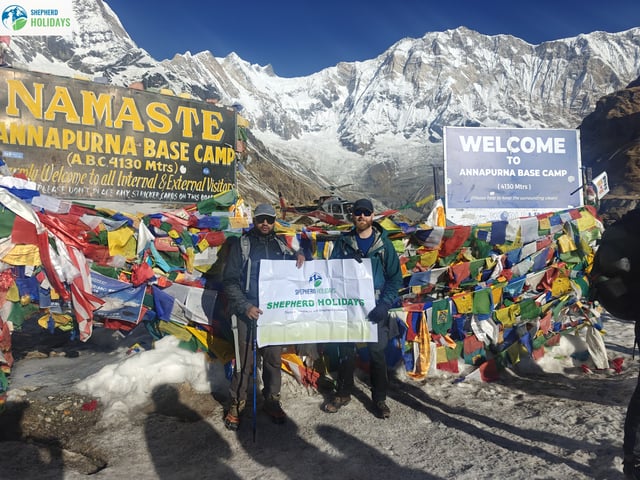
Day 10: Ascend from Machapuchare Base Camp to Annapurna Base Camp (4,130m). This final push leads you into a vast glacial amphitheatre surrounded by high peaks. Time at base camp allows you to explore and take photos.
Day 11: Begin descending back to Bamboo, retracing the path through forested sections and villages, allowing your legs to recover from the climb.
Day 12: Trek from Bamboo to Jhinu Danda (1,780m), where you can relax in natural hot springs to soothe tired muscles after days of walking.
Day 13: Complete the final section from Jhinu Danda to Nayapul, then transfer by vehicle back to Pokhara for a well-earned rest and celebration of the trek.
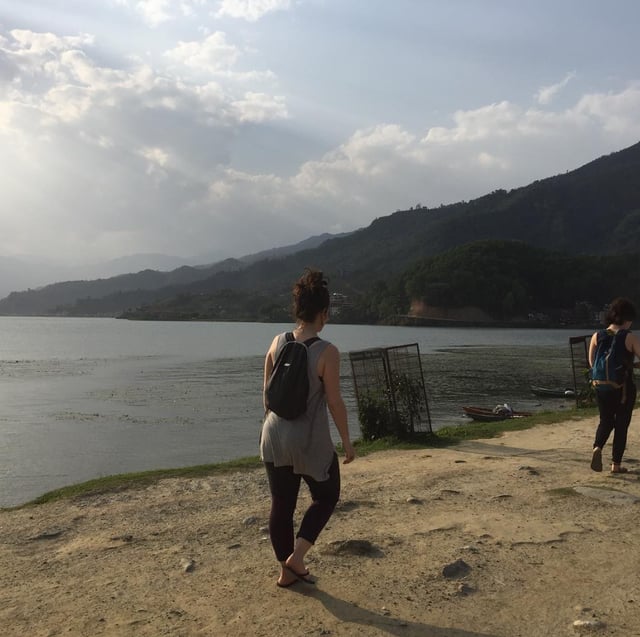
This trek takes place in the Annapurna region of Nepal, starting near Pokhara, a popular city on the edge of the Himalayas. Pokhara is known for its lake, mountain views, and relaxed atmosphere, serving as the gateway for many trekking routes in the area.
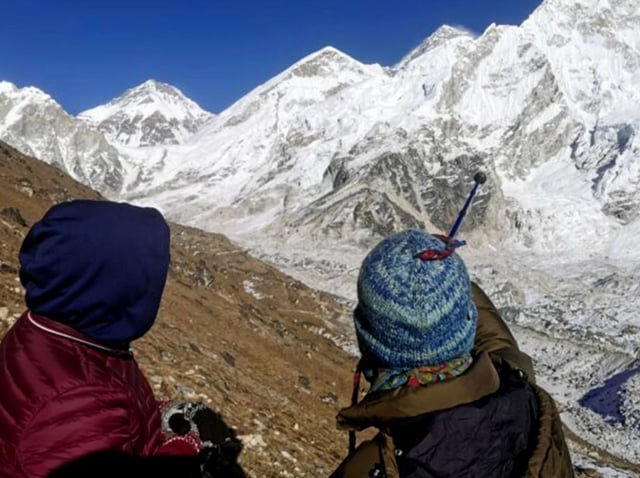
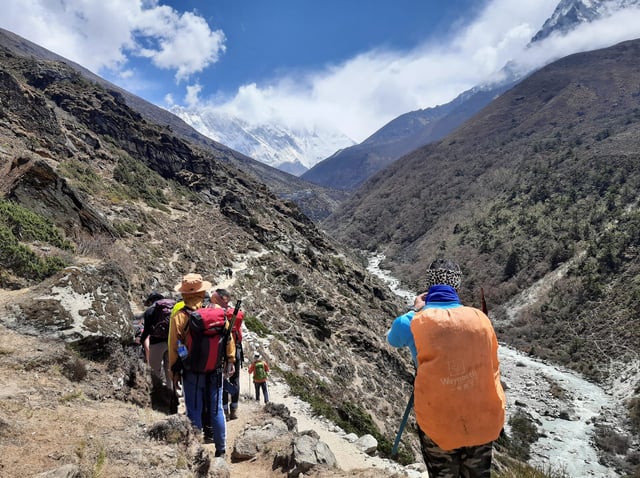
The trail itself passes through the Annapurna Conservation Area, a protected zone that combines natural beauty with local culture. Along the way, you will move from subtropical forests and terraced fields into alpine zones surrounded by towering Himalayan peaks, including Annapurna I and Machapuchare.
Accommodation during the trek is provided in traditional teahouses along the route. These offer basic but comfortable rooms with shared or private bathrooms depending on the location. Most teahouses serve hot meals and provide a warm place to rest after each day’s walk.
Rooms are typically twin or triple occupancy, though dormitory-style options may be available in busier locations. Facilities vary but are well suited to the trekking environment, with heating and hot water in many places during the colder months.
A reasonable level of fitness and some prior experience with hiking or walking on uneven terrain will help you enjoy the trek more. You should be comfortable walking 5-7 hours a day on varied paths and be prepared for gradual altitude gain.
Altitude sickness can affect some people as you reach higher elevations. It is important to acclimatise properly, follow your guide’s advice, and maintain hydration throughout the trek. Those with heart or respiratory conditions should consult a medical professional before booking.
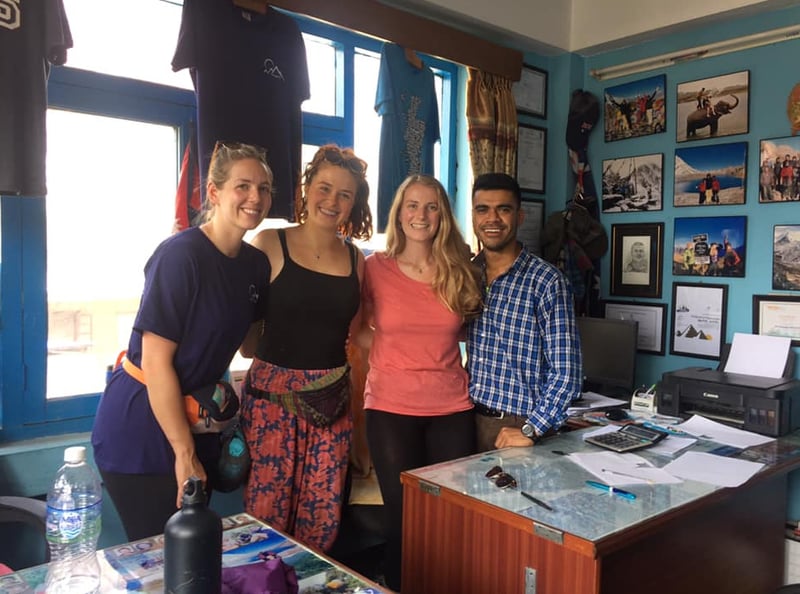
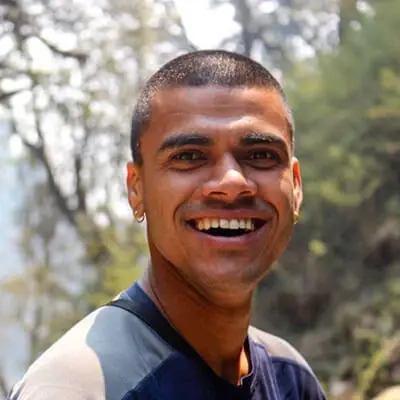
The team guiding this trek has extensive experience navigating the Annapurna region, ensuring each person receives the care and support needed for a safe and enjoyable experience. Their knowledge of local culture and terrain helps create a trip that balances challenge with comfort.
Friendly and approachable, the guides encourage a positive atmosphere and are happy to tailor the pace to the group’s needs. The support team also provides logistical help and arranges meals and accommodation to make the journey straightforward for every person.
The ideal seasons for trekking to Annapurna Base Camp are spring (March to May) and autumn (September to November). During these months, the weather tends to be more stable with clearer skies, making it easier to enjoy views of the mountain range and safer trail conditions. Temperatures are also milder, which helps with comfort during the trek.
The monsoon season from June to August brings heavy rain, which can make trails slippery and increase the risk of landslides, so trekking is generally not recommended during this time. Winter months (December to February) can be very cold, especially at higher altitudes, and some sections of the trail may be covered in snow, making the journey more challenging for less experienced trekkers.
The trek involves walking for 5 to 7 hours daily over mountainous terrain with significant elevation gain, reaching over 4,000 metres at base camp. While it is demanding, many people of different ages and fitness levels complete it successfully each year. The key is to pace yourself, stay well hydrated, and allow time for acclimatisation to avoid altitude sickness.
You don’t need any formal training to do the trek, but some basic fitness preparation will help. Light cardio exercises and regular walks on inclines in the weeks leading up to the trek can improve your stamina and make the experience more enjoyable. It’s important to listen to your body and communicate with your guide if you experience any difficulties.
Accommodation on the Annapurna Base Camp trek consists mainly of teahouses or mountain lodges that provide simple rooms, often shared with others. Most rooms will be twin or triple sharing, and sometimes dormitories with up to four beds. Facilities are basic but clean, with shared bathrooms usually located outside the rooms.
Hot showers are available but come at an extra charge, typically between $3 and $5. It’s advisable to bring your own sleeping bag for warmth and comfort, as bedding may not always be sufficient. Booking through a trekking agency or guide usually ensures you have a confirmed place to stay at each stop.
Altitude sickness can occur above 2,500 metres and is a risk on this trek, especially after Chhomrong, Machapuchare Base Camp, and Annapurna Base Camp itself. Symptoms include headaches, dizziness, nausea, and difficulty sleeping. In severe cases, it can lead to dangerous conditions like HACE or HAPE.
To minimise the risk, ascend gradually and avoid climbing more than 300-500 metres per day above 3,000 metres. Drink plenty of water, avoid alcohol, and eat light, carbohydrate-rich meals. Your guide will monitor your condition and recommend rest or descent if symptoms worsen.
Teahouses along the trail serve a mix of local and continental dishes, with the traditional Nepali meal Dal Bhat being a popular and nutritious choice. Dal Bhat includes lentil soup, rice, vegetables, and sometimes curried meat, providing good energy for trekking.
Food is hygienic and generally well-prepared, but flavours may differ from what you’re used to at home or in cities like Kathmandu and Pokhara. Breakfast, lunch, and dinner options are available at each stop, giving you plenty of choices to stay well nourished.
Many teahouses offer WiFi, but connectivity can be slow and inconsistent due to the remote mountain location. Usage usually comes with an additional fee, around $3 to $5 per session, and the signal strength varies throughout the trek.
Mobile phone coverage is patchy but improving, especially closer to towns. It is recommended to purchase a local SIM card in Kathmandu for better network access and as a backup for emergencies. Charging devices at teahouses is possible but often costs extra and is done in communal areas.
Layered clothing suitable for changing weather conditions is essential. This includes moisture-wicking base layers, thermal tops and bottoms, a fleece or down jacket, waterproof outer layers, warm gloves, hats, and sturdy trekking boots.
Additional gear such as trekking poles, a sleeping bag rated for cold temperatures, water purification tablets, and personal hygiene items will also improve comfort and safety. It’s important to pack light but be prepared for cold nights and sudden weather changes.
Tipping is customary and appreciated but not mandatory. It is a way to show gratitude for the hard work and support provided by your guide and porter throughout the trek.
The amount varies depending on your satisfaction, but typical tips are around 10-15% of the trekking cost per person for guides and less for porters. Your guide can advise you on appropriate amounts based on local customs and the level of service.
Trekking insurance covering high-altitude trekking and emergency helicopter evacuation is highly recommended. Medical care and rescue services in the mountains can be costly, so having adequate coverage is essential for peace of mind.
Make sure your policy includes coverage for altitude sickness, injuries, and evacuation. Carry a basic first aid kit and discuss emergency plans with your guide before starting the trek. It’s also wise to register your trip details with your embassy or travel advisor.
About the centre
Kathmandu
Operated by Happyland Treks, a partner of adventuro.
Himachal Pradesh (Shimla, Manali, Spiti), Nepal
From $813
Arunachal Himalaya (Tawang & Siang Region), Nepal
From $1450
Arunachal Himalaya (Tawang & Siang Region), Nepal
From $1700
Himachal Pradesh (Shimla, Manali, Spiti), Nepal
From $1750
Arunachal Himalaya (Tawang & Siang Region), Nepal
From $2000
Bagmati Province, Nepal
From $3093