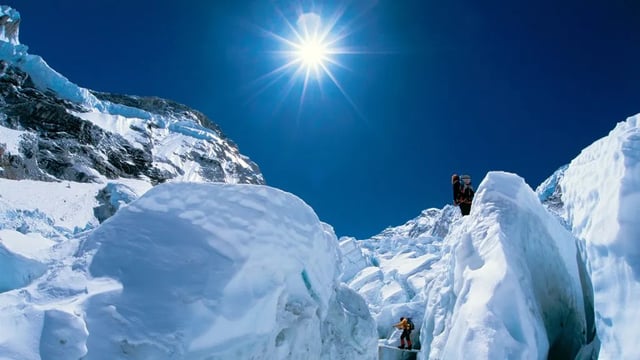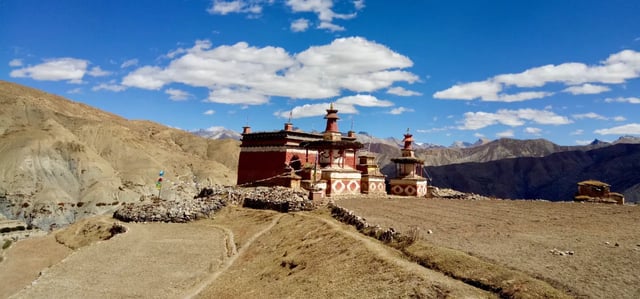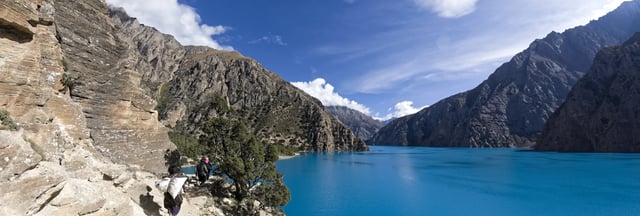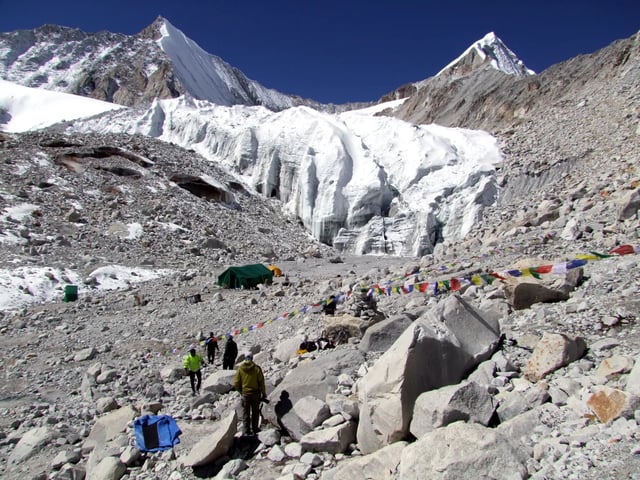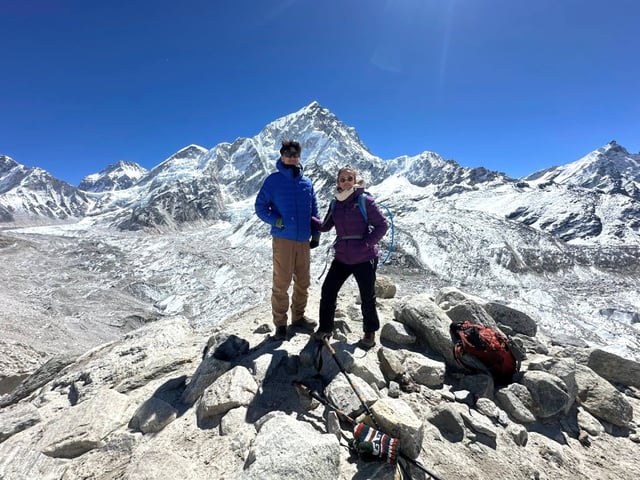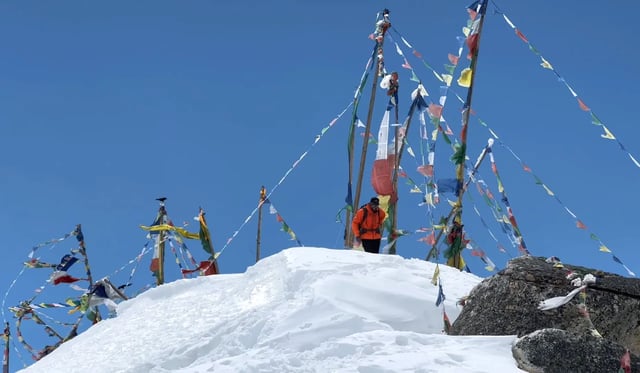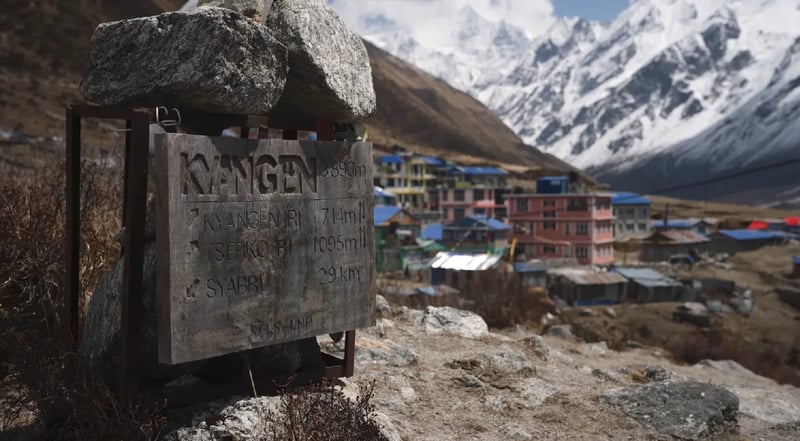
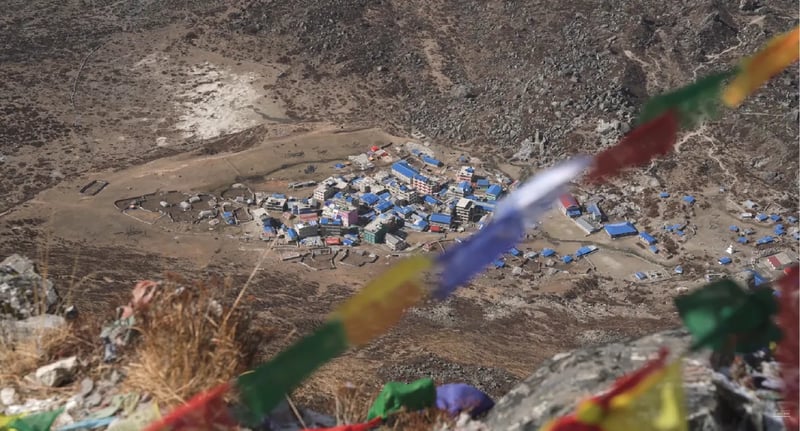
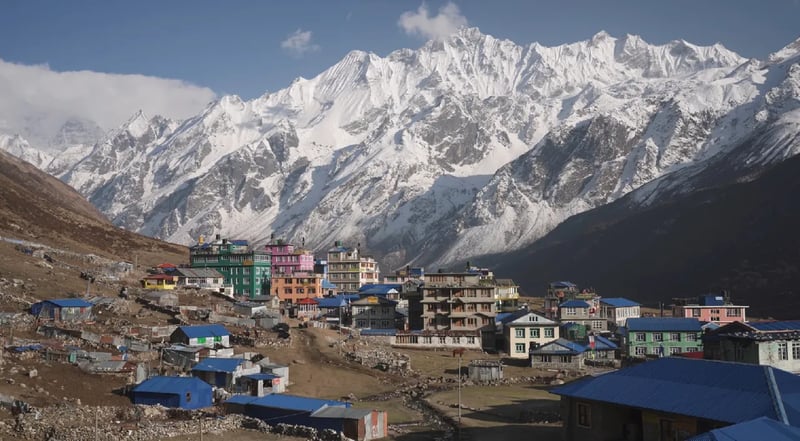
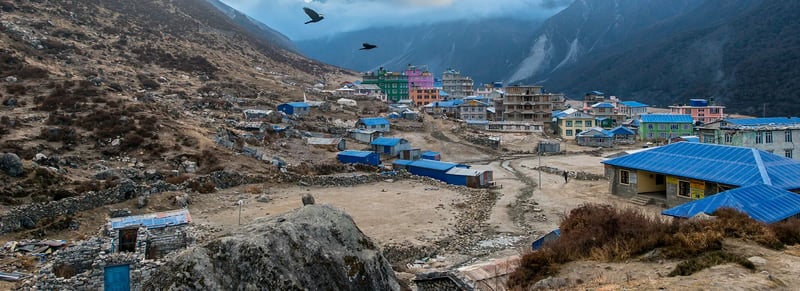
From Syabrubesi you walk the Langtang Khola through Bamboo and Lama Hotel to Langtang village and Kyanjin Gompa. Cheese factory paths and a climb toward Kyanjin Ri or Tserko Ri open Langtang Lirung and the glacier. Kyanjin Gompa, the cheese factory path, and Tserko Ri are the high-valley days under Langtang Lirung.
Tamang lodges, yak pastures, and a straightforward valley out-and-back keep logistics simple. You return down-valley to the road and Kathmandu. Yak pastures above the rebuilt village and a same-valley walk back to Syabrubesi keep the logistics simple.
From Syabrubesi we walk the Langtang Khola through Bamboo and Lama Hotel to Langtang village and Kyanjin Gompa. Our Kathmandu office files Langtang National Park and TIMS before the bus day, then briefs you on landslide sections that change after monsoon. You'll have time for the cheese factory path and a climb toward Kyanjin Ri or Tserko Ri under Langtang Lirung.
Guides on this valley know which forest stretches stay slick and which lodges reopened after the rebuild. We prefer a local leader trained on altitude illness because height comes on quickly above Kyanjin. One porter travels with every two guests, and we share a daily plan so a slower Ri morning can move without rushing the walk-out to the road.
The capital of the Kingdom of Skies is delighted in the grace of your presence. Our Himalayan Adventure representative will be ready to greet you at the entrance of TIA with welcoming scarves (Khada). Then, you will be transferred to your overnight lodging in Kathmandu.
Make sure to rest and if you happen to arrive early, take this chance to wander through the picturesque narrow streets of the capital. In the evening, after all the participating guests of the Langtang Valley trek arrive, there will be a meet and greet program with our tour guide who will then give you an introductory briefing about the Langtang Valley trekking itinerary.
Today you have an exciting road journey that will take you towards the northern part of Nepal, to the amazing settlement of Syabrubesi positioned in the Rasuwa district of Nepal near the Tibetan border. Our journey begins as we board the bus and make our way out of Kathmandu through Kalanki and Thankot. From here, the Trishuli Highway will take us to the colorful market of Trishuli, where we will take a moment to refresh ourselves.
Then, we will continue our journey along the long Pasang Lhamu Highway, which gently ascends alongside the jagged cliffs. As we climb higher, the snowy peaks of Ganesh, Manaslu, and Annapurna will reveal themselves, standing majestically above the landscape.
It is now time for us to get on with our trekking adventure. After leaving Syabrubesi, we will hike for a while and meet the so well-known suspension bridges of Nepal.
One after another, we will cross two of these remarkable bridges that arch over the Bhote Koshi River. Then, the gentle flow of the Langtang River will lead us to the charming Dhomen Hamlet (1620 m).
As we continue, the trail will gradually rise through a lush jungle filled with conifers and rhododendrons until we reach Bamboo (1970 m). A brief rest here with the majestic Langtang Himal in view will prepare us for the challenging climbing of the steep steps of large stones that will demand two hours of effort.
The Langtang Khola will remain our loyal guide who starts to once more lead us through the deep, shadowy forests of Langtang National Park. After we reach Ghumanchok, we will encounter yet another army checkpoint, where our permits and documents will be carefully checked. From this point, the journey continues upward as we ascend toward Chunama.
But the striking sight of Langtang Lirung will keep capturing our gaze so our journey will be relatively comfortable and short. Battling the steep inclines, we will finally reach 2800 m high Ghoratabela translated as Horse Stable. The trail now winds down towards Thangshyap, Ghumba, and Chyamki.
Eventually, we will step into the land of the revitalized valley of Langtang which still showcases the remnants of the 2015 earthquake along with the remarkable transformation since then.
Our ascension will continue today also as we depart from the Langtang Village towards the Kyanjin Gumba. A little forward, we will meet the settlement of Mundu (3543 m); reaching here feels as though the entire Langtang village has been relocated here, giving rise to the new settlement of Langtang Village.
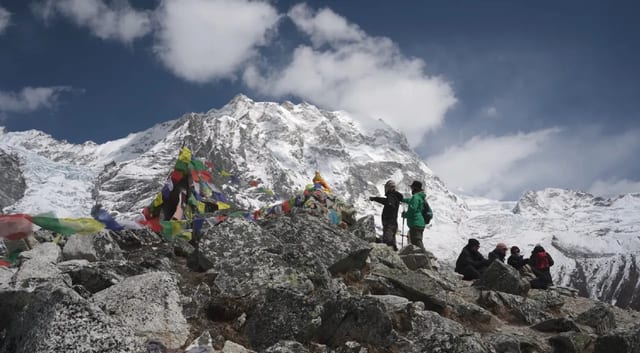
Notice the arid landscape resembling that of Tibetan highlands. From this point, the path is decorated with chortens and fluttering prayer flags as we traverse the highland grasslands of Singdun and Yemphu.
Soon, we will arrive at the sacred grounds of Kyanjin Gumba, the final village in the Langtang Valley. This remarkable village houses the enchanting sparkling peaks of Kinsung, Langtang Lirung, Dorje Lhakpa, Gangchempo, Chorakri Ri, Langshisha Ri, and Kyanjin Ri alongside a monastery and a yak cheese factory funded by the government.
We have an incredible journey today as we set our sights on the summit of Kyanjin Ri at 4773 m. This summit also marks the highest point and altitude of our entire Langtang Valley trek 10 days journey.
The ascent to this rugged peak is not tough nor technical and does not require any technical climbing gear. However, you will need your tenacity to tackle the rocky jagged path for about one to two hours.
Because of its impressive height, the tip of this summit serves as the extraordinary observation point to gaze at some of the most stunningly lit peaks in Nepal. Such as Langtang Lirung glacier, Tsergo Peak, Naya Kang, Changu, Langshisa Ri, Ganchenpo, Yurba, Yala Peak, Langtang II, Kimshung, and Dorje Lhakpa.
After a short yet captivating journey through the Langtang Valley, we are now set to make our way back to Kathmandu. We will take the circular route beside the calm waters of Langtang Khola.
It will mostly lead us downhill towards the well-known landscapes of Mundu, Ghumba, Thangshyap, Ghoratabela, and Ghumanchok. Our day will conclude at the cozy lodge of Lama Hotel, where a warm welcome awaits us.
Today will be the final stage of our romantic walking journey through Langtang Valley. Traversing the wider terrain and basking under the brilliant sun, we will reach the wonderful settlements of Rimche and Dhomen.
The gorgeous Langtang Khola will now leave our side but we will meet ou another faithful companion of Bhote Koshi which will show us our path to Syabrubesi ready to envelop us in its warm hospitality once more.
After admiring a sunrise over the mountains, we will now prepare to leave Syabrubesi and head towards Kathmandu. The same winding road, this time sloping downward, will lead us through the charming towns of Dhunche and Rani Pauwa.
The Trishuli River will become even more picturesque as we journey by its side toward Kathmandu. As we draw closer to Thankot and Kalanki, the busy life of the city will begin to emerge.
Finally, we have arrived in Kathmandu, a place alive with its bustling nightlife and exquisite cuisine. With our wonderful team by our side, we will gather for a farewell dinner raising our glasses to celebrate the success of our Langtang Valley trek.
Enjoy your breakfast in the midst of the Himalayan air for one more time.
Then one of our employee will come with you to TIA where you will check in for your international journey back home.
Fly into Tribhuvan International Airport in Kathmandu unless the itinerary uses another regional hub. Airport or hotel pickup can be arranged when you share arrival details ahead of travel.
Briefings cover road or domestic travel to the trailhead. Build buffer time before onward international flights in case mountain weather shifts the schedule.
Twin or double rooms in a comfortable Kathmandu hotel cover your first nights and your return from the trail, with breakfast on those city stays when included in the package. Briefings happen at the hotel, and airport collection from Tribhuvan is available when flight times are shared in advance.
Family-run teahouses or lodges line the route with twin beds and a shared dining room. Rooms get simpler and colder as you climb, with shared bathrooms common at higher villages. Hot water, Wi-Fi, and charging are paid at the lodge when offered.
March to May rhododendron bloom and October to November crisp air are peak windows for this itinerary. July and August mean leeches and cloud on lower slopes; December to February can ice steps above village level.
Your guide reads the forecast before long cols or sunrise hikes. Shoulder weeks need an honest weather call before high passes or dawn viewpoints.
You should be comfortable walking several hours a day on uneven paths with a daypack, including steady uphill sections as you gain height. Hill training and longer weekend walks in the months before travel help your legs and lungs on uphill trail days.
Hill training, stair climbing, and longer weekend hikes in the months before travel help your legs and lungs, even when acclimatisation days are built into the route. Break in boots before you fly and carry a light daypack on practice walks.
Guided trekking with licensed leaders, lodge nights on the trail, meals as described for walking days, and permits for the regions crossed are included when they are part of this trip. Domestic flights, porters, and airport transfers apply only when they are part of this trip.
Domestic flights, road transfers, porter support, and airport transfers apply only when they are part of this trip. Permits for the regions you cross are arranged in Kathmandu or Pokhara when included.
International flights to Nepal, visa fees, compulsory travel insurance, personal trekking clothing, snacks and drinks outside included meals, and tips for crew are not covered. Hot showers, Wi-Fi, and battery charging in lodges are usually paid locally when offered.
Charges for hot showers, Wi-Fi, or battery charging in lodges are paid locally when offered unless your trip notes say otherwise. International flights, visa fees, and personal insurance stay outside the trek package.
Share your Tribhuvan arrival time ahead of travel for a Thamel hotel transfer, or make your own way to the meeting hotel in the capital. Thamel hotels are the usual meet point; drivers need flight numbers to meet you at the international terminal.
Briefings cover Lukla bag weight, porter duffle limits, and what to wear on the mountain flight. Weather can shift daily plans, so your guide keeps a steady pace with regular breaks.
Guides set a steady pace and watch for headache, nausea, or dizziness as you gain height. Trail conditions are checked each morning before the group moves.
Tell your guide early if symptoms appear so tomorrow's stage can shorten or descent can start before conditions worsen. Your crew would rather wait for a safe window than rush marginal weather.
Jeep or bus days to the remote trailhead are arranged when they are part of your package. Your guide confirms departure times at briefing.
Motion sickness medicine helps on winding mountain roads. Allow a little extra time after the trek before international flights home in case mountain roads or flights move.
National park or restricted-area permits apply depending on the valleys you cross. The team arranges paperwork in Kathmandu or Pokhara when you provide passport copies and trek dates.
Keep copies in your daypack for checkpoint stops. Monsoon cloud sits lower on the hills while winter brings ice on steps above village level.
Families join when children can manage the daily hours and terrain on this specific route. Pace and daily hours can be adjusted on private departures, though that may extend the calendar.
Ask our Kathmandu team if you are planning with younger walkers. Private departures can shorten daily hours, though that may add a day or two to the calendar.
Comprehensive travel insurance that covers trekking to the highest altitude on your itinerary, medical evacuation, and helicopter rescue when applicable is essential. Many standard policies exclude high altitude by name.
Read the wording before you travel so you can adjust cover if trekking above 5,000 metres is not named. Many standard policies exclude high altitude by name, so read the wording before you fly.
We partner with Rewilding Britain to help protect our natural spaces for future adventures.
All centres are vetted for safety and quality. Your adventure is in good hands with adventuro.
About the centre
Kathmandu
You'll travel with a Kathmandu-based team that plans treks, peak climbs, helicopter flights, motorbike journeys, and cultural trips across Nepal, Tibet, and Bhutan. Routes range from classic teahouse walks and high passes to luxury lodge itineraries and longer expedition-style climbs, with departures shaped around how you want to pace the mountains.
Licensed guides and office staff train regularly on mountain safety and guest care. Porters are insured, fairly paid, and equipped for the trail, with sensible load limits on lodge routes. We work with remote communities through sustainable tourism, including support for education in village areas, so your booking helps local people as well as your own adventure.
Operated by Himalayan Adventure Treks & Tours, a partner of adventuro.