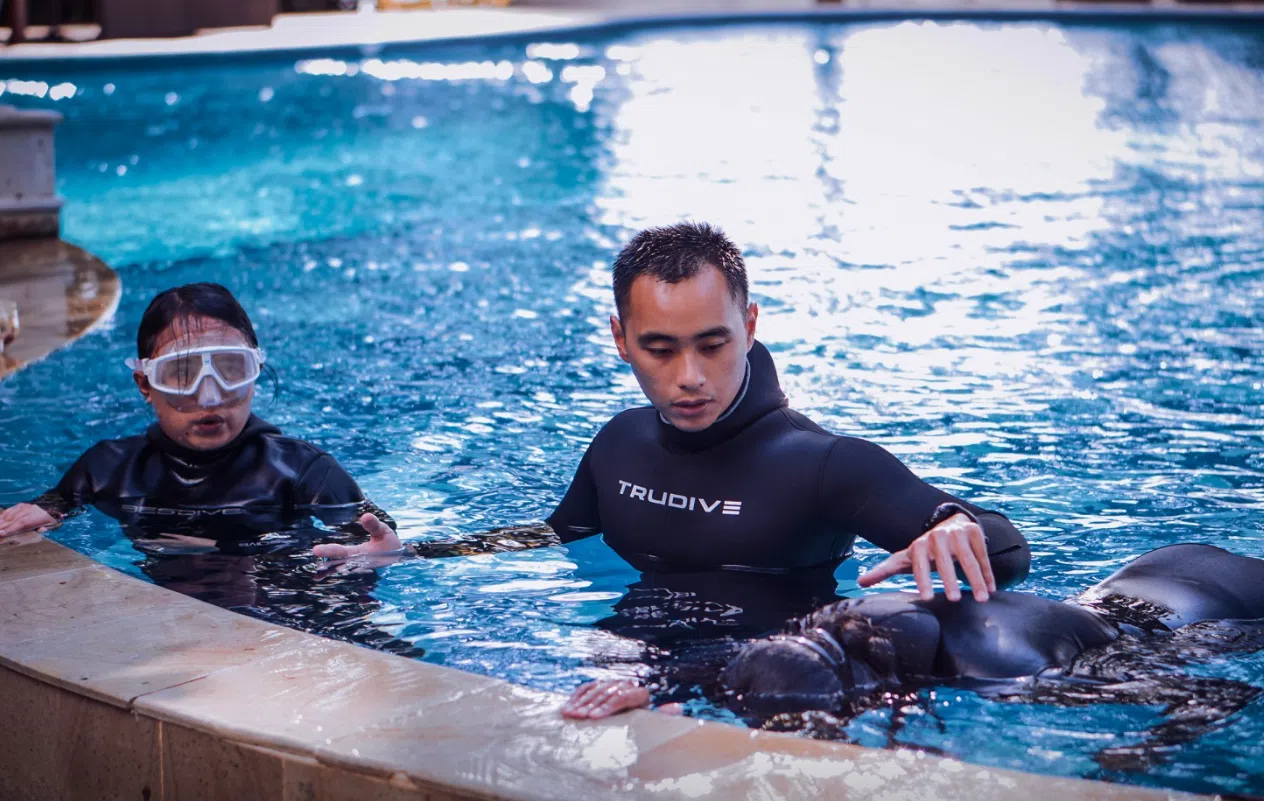

Ready to find a course or session?
AIDA 1 Introduction to Freediving is a taste of breath-hold diving without the pressure of certification targets on day one. AIDA, the international freediving association, designed this course for swimmers and snorkellers who want structured coaching on relaxation, equalisation and buddy safety before committing to a full AIDA 2 Freediver course. SSI and PADI run similar entry routes via Basic Freediver and Level 1 Freediver; AIDA 1 sits at the same gentle end of the ladder.
Expect at least one day with classroom or knowledge review time plus confined water work to a maximum depth of ten metres. Your instructor covers finning, duck dives, breathing preparation and how to stay calm when your diaphragm contracts. That twitchy urge to breathe hits everyone early. That is normal, and good coaching keeps you paired with a buddy rather than chasing social media depth records.
Most centres run AIDA 1 as a standalone taster or as day one of a longer block leading into AIDA 2. You need to swim one hundred metres non-stop and meet AIDA medical screening. Minimum age is eighteen, or sixteen and seventeen with parent or guardian consent. Leave a comment when you book if you want a patient beginner-focused coach or if you trained with another agency first.
AIDA 1 is an introductory experience course assessed continuously by your instructor rather than through formal performance exams.
Quick answers about this qualification. For anything else, use live chat or browse bookable activities below.
Find activitiesIt is AIDA's entry introduction to breath-hold diving in confined water to ten metres maximum. You learn relaxation, finning, duck dives, equalisation and buddy safety without the full performance targets of AIDA 2 Freediver.
Think of it as a structured taster with an active AIDA Pool Instructor or higher supervising every water session.
Swim one hundred metres non-stop and be comfortable in water. No prior freediving certification is required.
Snorkelling or pool swimming background helps. Scuba experience is optional and sometimes unhelpful until you unlearn continuous regulator breathing. Leave a comment when you book if you are unsure which centre suits complete beginners.
AIDA requires at least one day with three hours minimum and one water session. Many centres run a fuller day including classroom time of at least ninety minutes.
Intensive holiday formats may combine AIDA 1 with the start of AIDA 2. Check the listing or ask the centre before you pay.
Maximum training depth is ten metres in confined water under instructor supervision. Depth is not the goal on day one.
Clean technique, calm recovery breathing and buddy communication matter more than any number on a dive computer.
SSI Basic Freediver and PADI Basic Freediver teach similar introductory breath-hold safety in controlled water. AIDA 1 aligns with that gentle entry level before open water certification.
Agency choice often comes down to centre location, coach style and which pathway you plan to follow long term.
AIDA 1 focuses on knowledge review and in-water coaching rather than a high-stakes written test. Your instructor ensures you understand safety topics before and during water sessions.
Formal theory exams with pass marks begin at AIDA 2 level and above.
Swimwear, towel and warm layers for poolside rests. Centres usually provide mask, snorkel, fins and wetsuit hire.
Bring your own low-volume mask if you have one that seals well. Leave a comment when you book about fin sizes and wetsuit thickness for the venue.
That is common and exactly why AIDA 1 exists. Your instructor introduces breath-holds gradually with a buddy watching and clear abort signals. You are never asked to push through panic.
Leave a comment when you book if you want a centre known for patient beginner coaching, or if a previous water experience left you anxious. Good instructors pace the group without singling anyone out.
Eighteen by default. Sixteen and seventeen year olds may participate with parent or guardian consent per AIDA rules.
Younger children should look at AIDA Youth Programme courses instead of adult AIDA 1.
Continue to AIDA 2 Freediver when your instructor agrees you are ready. That course adds open water depth to twenty metres with formal performance requirements.
Some students repeat pool sessions or take time for snorkelling before committing to certification. Both are valid paths.
adventuro lists AIDA centres at pools and calm coastal sites. Compare whether kit hire, classroom materials and AIDA 2 bundles are included.
Leave a comment when you book with your swim background and any medical questions so the centre can advise before you travel.

Beginner freediving course in Chertsey for £195. Full day session (10:15am - 5:00pm). Ages 18+ (16-17 with consent). Includes theory and practical in heated pool.
From £ 195

Freediving pool training in London. £115, 1-hour session at Duke Aldridge Academy. 6:15pm-7:15pm, equipment hire available. Prerequisite: AIDA 1 course or equivalent.
From £ 115

Guided snorkelling sessions in tropical North Sulawesi with equipment included, coral reefs, turtles, and optional boat transfers. From $38pp.
From $ 38
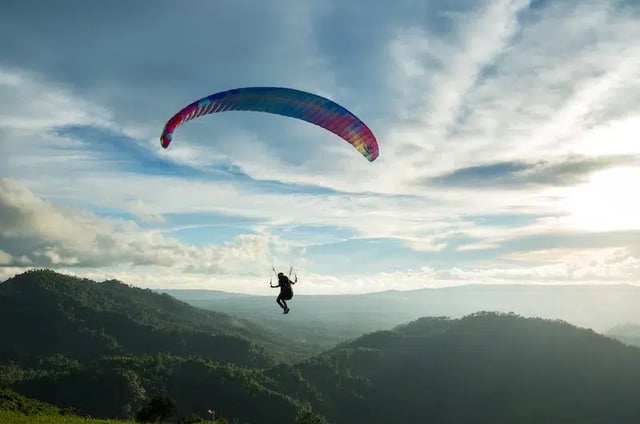
Tandem paragliding over North Sulawesi with experienced pilots and wide coastal views. From $154pp.
From $ 154

Begin your freediving adventure with this 1-day course covering basics, relaxation, and safety in North Sulawesi's warm waters. $163.
From $ 163
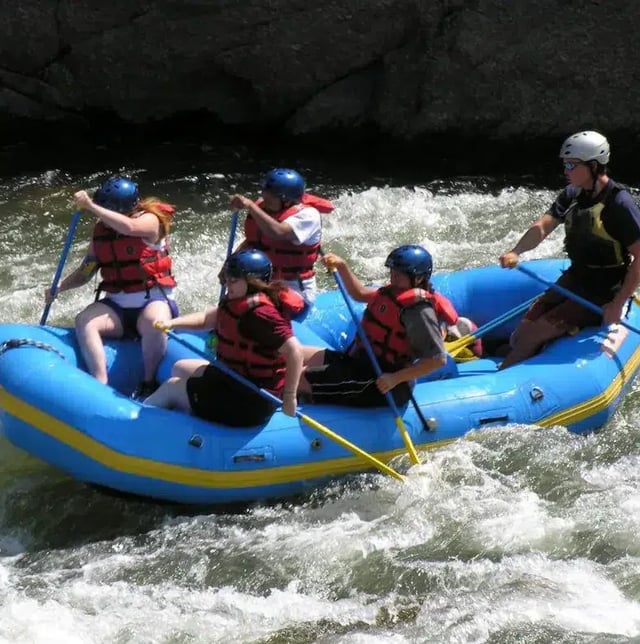
Experience exciting whitewater rafting in North Sulawesi with expert guides, safety gear, and transport included. From USD 130 per person.
From $ 130
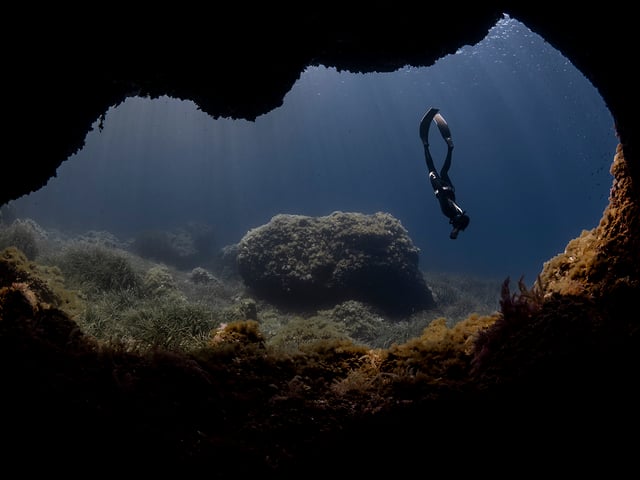
Book a 1-hour online freediving consultation with Adam for £65. Suitable for all levels, no age limit, tailored training from any location.
From £ 65