
Ready to find a course or session?
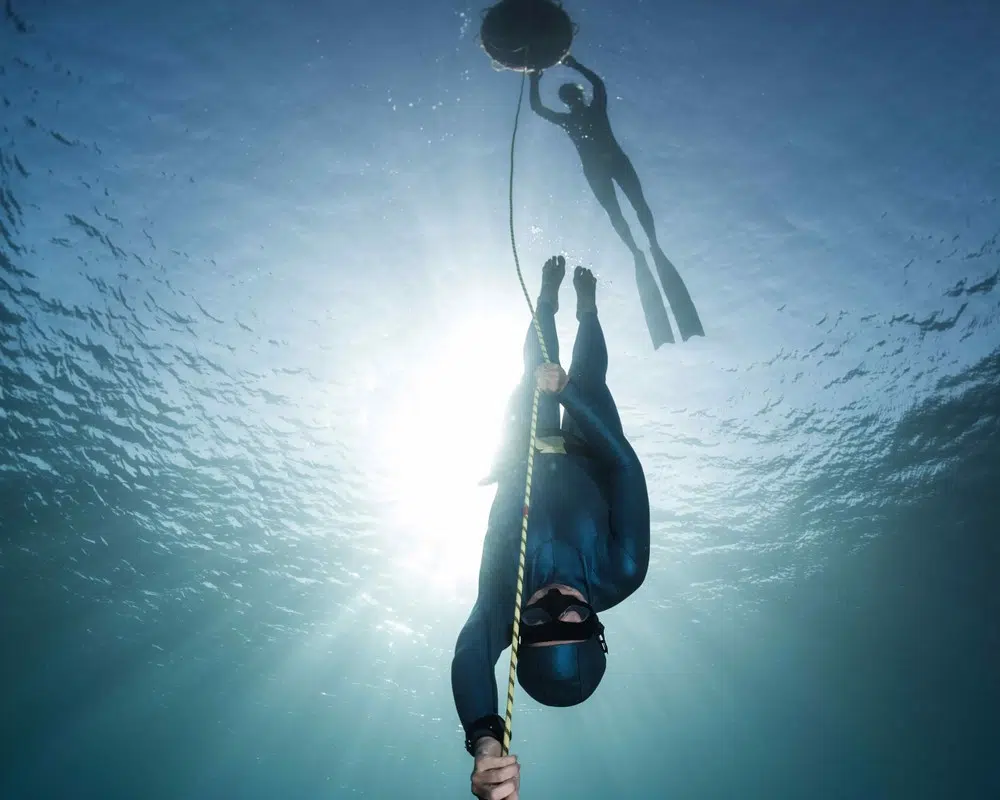
Basic Freediver is your first structured step into breath-hold diving without committing to open ocean depths on day one. SSI teaches relaxation, equalisation, buddy safety and limit recognition in pool or confined water to five metres. PADI's entry parallel is Basic Freediver / Level 1 Freediver depending on agency branding; both emphasise safety over depth records.
Four MySSI academic sessions cover physiology and technique. You practise breathing exercises on land, then move to static apnea, dynamic apnea and controlled depth dives under instructor supervision. One open water session may appear on the schedule if your centre and conditions allow, but certification focuses on confined water competence.
Freediving feels peaceful until your diaphragm disagrees. That is normal. Good instruction keeps you calm, paired with a buddy and nowhere near internet stunt depths. Junior freedivers under fifteen must dive with a certified adult or professional after certification. Most courses run six to eight hours across a weekend or two evenings plus pool time.
Basic Freediver is assessed through continuous instructor evaluation in academics and water sessions.
Quick answers about this qualification. For anything else, use live chat or browse bookable activities below.
Find activitiesIt is SSI's entry freediving certification for pool or confined water to five metres. You learn breath-hold safety, technique and buddy procedures without requiring scuba experience.
Upgrade to SSI Freediver later if you want open water depth to 20 metres.
No. Basic Freediver is standalone. Scuba divers welcome the relaxation focus but must unlearn habits like continuous regulator breathing.
Comfortable swimming matters more than plastic cards.
Certification qualifies you to freedive to 5 m / 15 ft in pool or confined water with an appropriate buddy. Some centres add a shallow open water tasters session.
Depth is not the goal on day one. Clean technique and calm recovery breathing are.
Both agencies teach introductory breath-hold safety in controlled water. PADI Basic Freediver is the common cross-reference on adventuro.
Pick the centre and coach that fits your diary. Fundamentals overlap more than agency marketing suggests.
Any breath-hold activity carries risk without training and a dedicated buddy. SSI emphasises limit recognition, surface supervision and never training alone.
Stay within course limits and ignore social media depth challenges. That is the point of structured instruction.
Six to eight hours is typical across one weekend or several shorter sessions. Pool time plus briefings fills most of a Saturday.
Avoid stacking heavy cardio the night before static sessions.
Mask, snorkel and fins suited to freediving if you have them. Centres often rent long-blade fins and low-volume masks.
Wetsuit thickness depends on pool temperature. Leave a comment when you book about hire availability.
Yes. SSI Freediver extends training to open water environments to 20 metres with additional sessions and logged requirements.
Basic Freediver is the sensible first step if you are unsure about open ocean commitment.
Ten years old. Juniors under 15 must dive with a certified adult or SSI Professional after certification.
Centres may set higher minimums for pool depth sessions with younger teens.
Respiratory, cardiac, ear and sinus issues need honest disclosure on medical forms. Breath-hold training stresses systems scuba medics also screen.
Get physician clearance before booking if you are unsure.
adventuro lists SSI freediving centres at pools and calm coastal sites. Compare whether open water tasters, kit hire and MySSI fees are included.
Leave a comment when you book if you need a patient beginner-focused coach.
No activities match your filters
Try adjusting your filters or