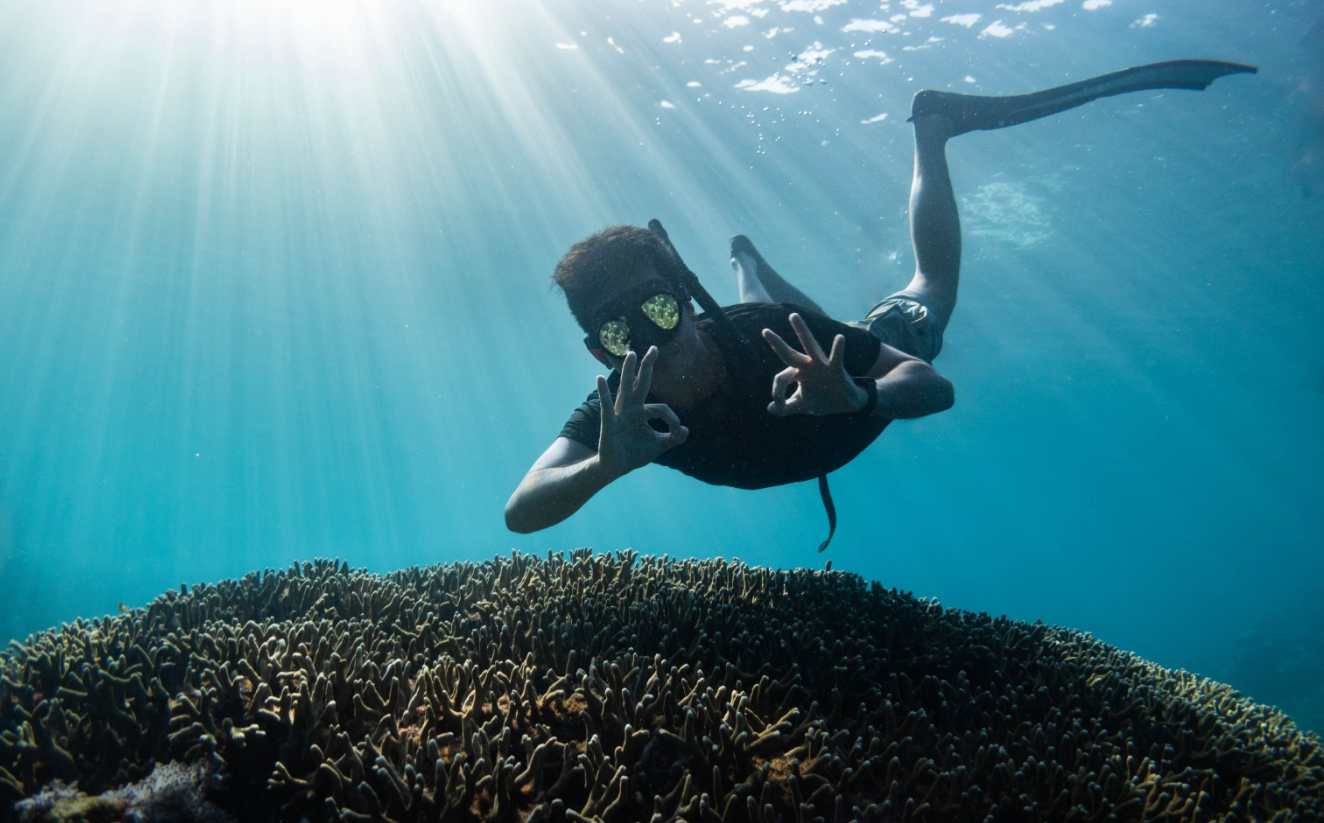

Ready to find a course or session?
AIDA 2 Freediver is the first full AIDA certification where you qualify as a recreational freediver to twenty metres open water maximum training depth with an appropriate buddy. You build static and dynamic apnea in confined water, then take duck dives, equalisation and rescue drills into open water under AIDA standards. If you trained with SSI or PADI first, Basic Freediver and Level 1 Freediver cover similar foundations; AIDA 2 is the point where performance numbers and a seventy-five percent theory exam enter the picture.
The course runs at least two and a half days with five water sessions: two confined and three open water over at least two days. Performance targets include two minutes static apnea, forty metres dynamic with bifins, twelve metres constant weight with bifins in open water, plus rescue and buddy procedures including blackout response drills. In water below twelve degrees Celsius the constant weight requirement drops to ten metres, which catches UK students off guard until their instructor explains it calmly.
Swim two hundred metres without fins or three hundred metres with mask, fins and snorkel before you start. No certification prerequisite exists, though many students take AIDA 1 first. That is normal and often sensible. Leave a comment when you book with your swim test preference and any crossover cards from other agencies.
AIDA 2 is performance assessed in confined and open water plus a written theory exam. Your instructor signs off skills when you meet AIDA standards reliably.
Quick answers about this qualification. For anything else, use live chat or browse bookable activities below.
Find activitiesIt is AIDA's first full recreational freediver certification. You meet static, dynamic and constant weight performance targets plus rescue skills and a theory exam, then qualify to train to twenty metres open water maximum with an appropriate buddy.
It sits above AIDA 1 and below AIDA 3 Advanced Freediver in the AIDA ladder.
AIDA 2 requires two minutes static apnea, forty metres dynamic with bifins, twelve metres constant weight with bifins in open water, rescue skills and a seventy-five percent theory pass.
In water below twelve degrees Celsius the constant weight requirement is ten metres instead of twelve. Your instructor explains local rules at briefing.
At least two and a half days with five water sessions: two confined and three open water over at least two days, plus theory study and the written exam.
Many students need extra pool or open water time for equalisation or static progression. That is normal, not a failure.
Yes. AIDA 2 includes a theory exam with a seventy-five percent pass mark covering physiology, equalisation, safety, equipment and disciplines.
Classroom teaching or self-study knowledge review prepares you before water sessions. Your instructor clears weak topics before you sit the exam.
All three agencies certify recreational open water freedivers with static, dynamic and depth components. SSI Basic Freediver and PADI Basic Freediver are confined-water entry points; AIDA 2 aligns with their full open water freediver level.
Performance numbers differ slightly by agency. Pick the coach and centre that fit your diary; fundamentals overlap more than marketing suggests.
Swimwear, towel, warm layers and any personal mask that fits well. Centres typically rent long fins, wetsuit and weight belt.
Leave a comment when you book about fin stiffness and wetsuit thickness for your venue. Poorly fitting rental fins waste leg strength on dynamic sessions.
Most AIDA 2 students feel that way early on. Instructors build static and depth gradually with line supervision and clear abort signals. Rescue training feels intense until you have run drills enough times that your hands know what to do.
Leave a comment when you book if you want patient coaching or if a past water experience makes you anxious. Centres can often add pool time before open water depth days.
Buddy procedures, surface supervision, rescue responses for blackout and loss of motor control, and communication signals throughout static, dynamic and constant weight sessions.
Safety is not a lecture bolted on at the end. AIDA 2 integrates rescue drills alongside performance training from day one.
Eighteen by default, or sixteen and seventeen with parent or guardian consent per AIDA standards.
Younger divers should explore AIDA Youth Programme courses rather than adult AIDA 2.
adventuro lists AIDA 2 courses at pools, quarries and coastal sites. Compare boat fees, kit hire, theory materials and cold-water scheduling before you pay.
Leave a comment when you book with your swim test plan and any prior agency training so the centre can prepare coaching from session one.
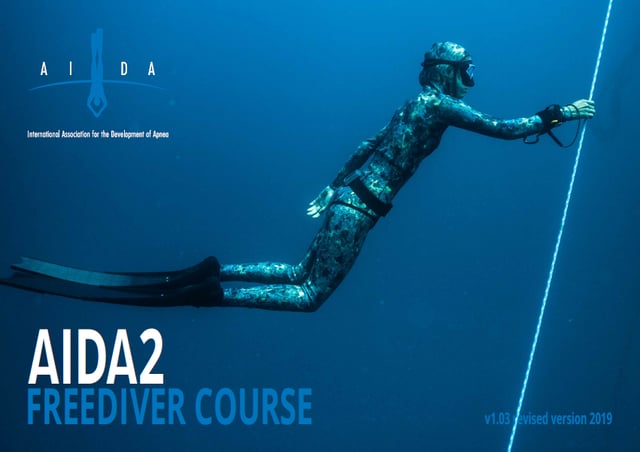
Start your freediving journey with our AIDA Beginner Freediver Course: 2.5 days, £330, 20m depth, online theory, practical sessions in London & Wraysbury. Book now!
From £ 330
Advance your freediving skills with this 2-3 day AIDA Level 2 course combining pool and ocean sessions in North Sulawesi. $422.
From $ 422
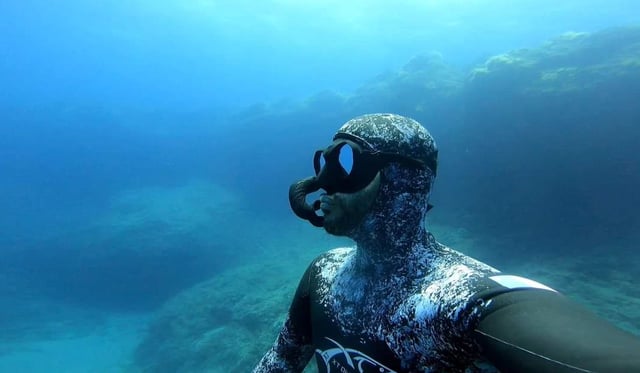
Learn to freedive on this AIDA 2 course in Lanzarote. Includes theory & ocean sessions. Dive up to 20m in open water. All kit included. From €450pp.
From € 450