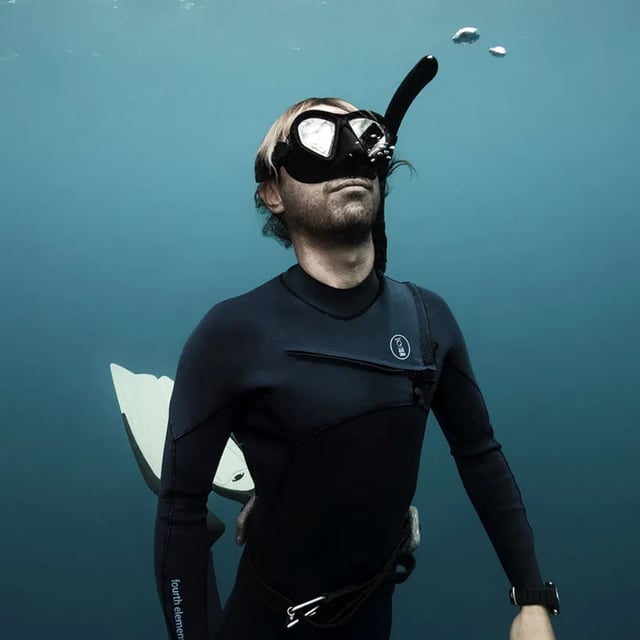
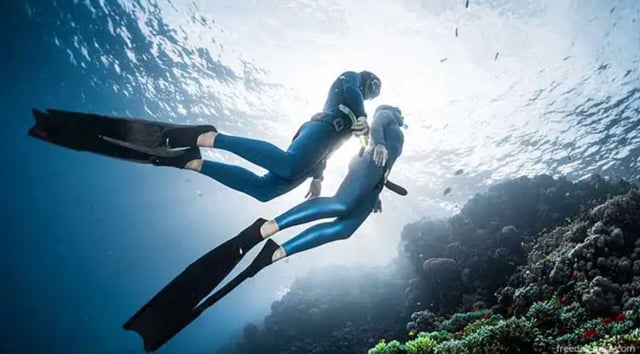
PADI Basic Freediver is where breath-hold diving stops being a party trick and starts being a skill. You learn to relax on a single breath, move efficiently through the water, and dive with a buddy who knows what to watch for. No scuba kit and no cylinders, just you, a line, a low-volume mask, and a lot of coaching on breathing.
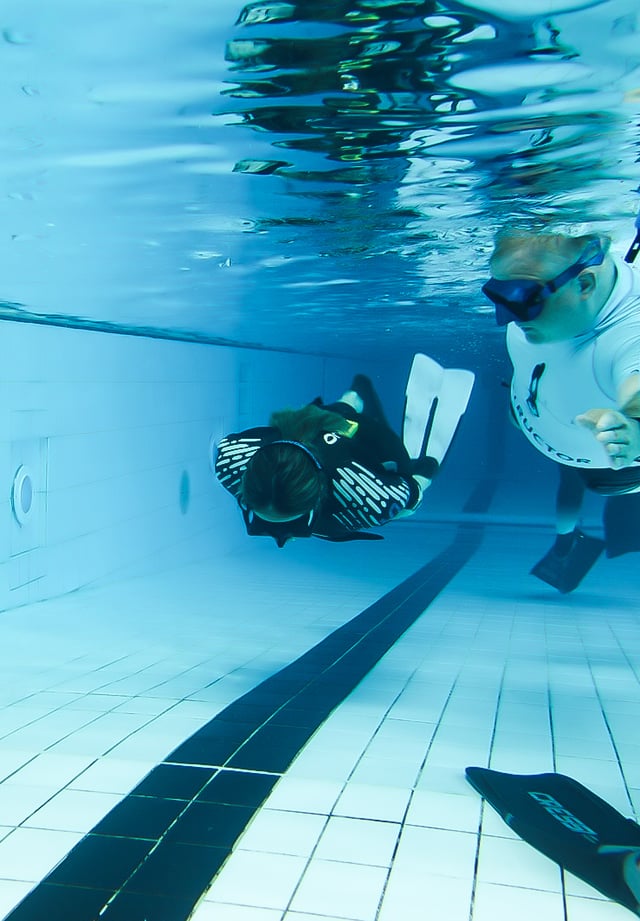
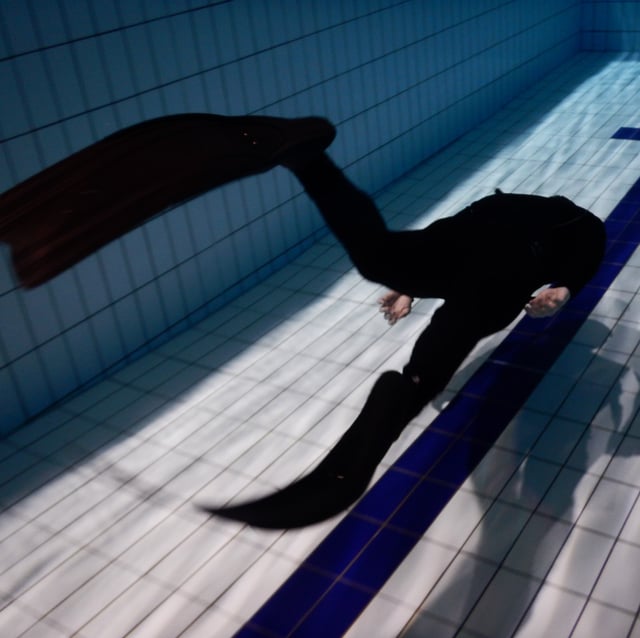
This is the confined-water foundation of the full PADI Freediver programme. You work in a pool or sheltered site on static apnea, holding still underwater, and dynamic apnea, swimming on one breath. Depth comes later. Technique comes first, and your instructor will drill breathing cycles until they feel boring, which is when they start working.
Most centres run eLearning at home, typically five to ten hours, then two to four days of pool sessions. The numbers sound intimidating until your instructor walks you through relaxation. Ninety seconds of breath-hold feels impossible on day one and ordinary by day three for most students, and that is normal.