We partner with Rewilding Britain to help protect our natural spaces for future adventures.
All centres are vetted for safety and quality. Your adventure is in good hands with adventuro.
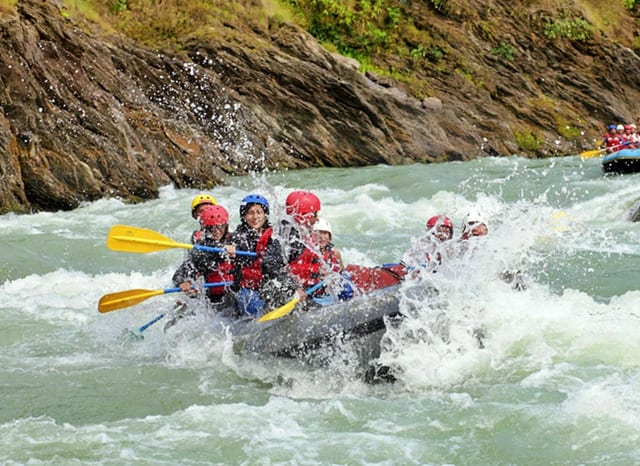
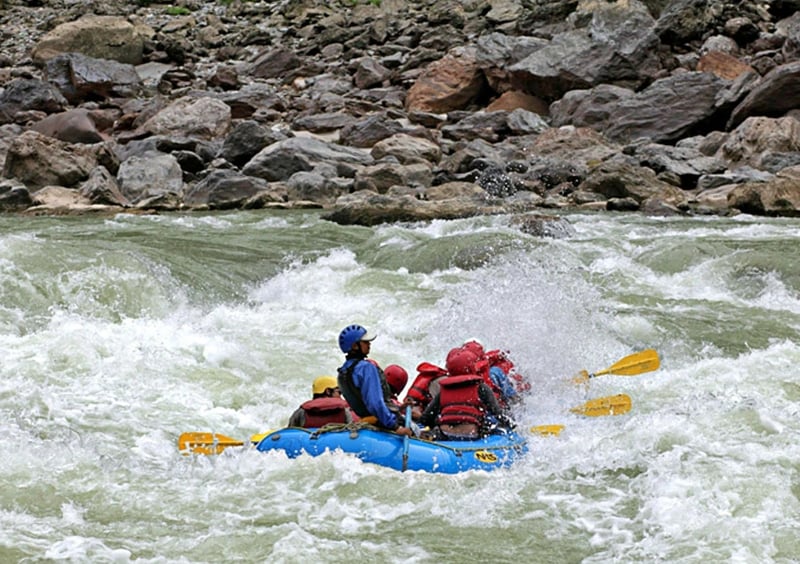
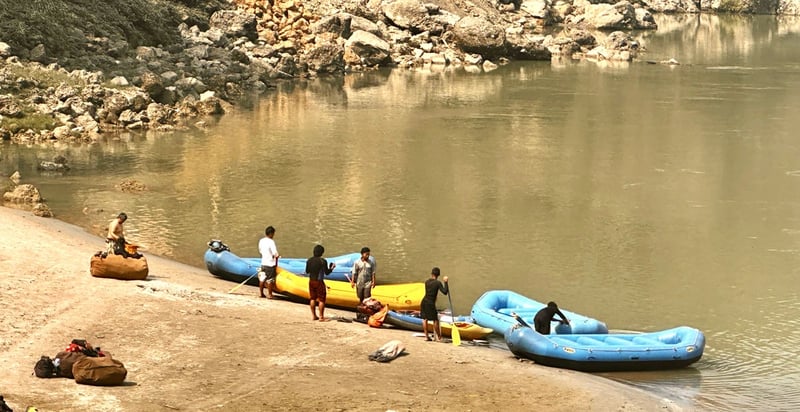
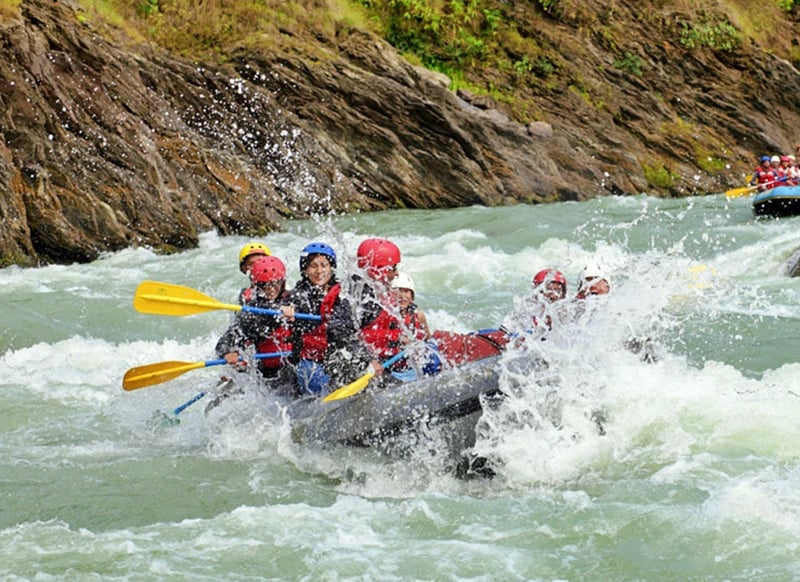
Trishuli River offers a mix of adventure and scenery, making it one of the most well-known rafting spots in Nepal. This one-day white water rafting experience is ideal for people looking to fit in a short but exciting outing, with the river flowing through deep gorges and open valleys.
You’ll meet the team in Thamel, Kathmandu at 6:30 am before boarding a tourist bus heading to Charaudi, a small town by the Trishuli River. The drive takes about 2.5 hours and follows a scenic stretch along the Prithvi Highway, with early morning views of local towns and forested hills.
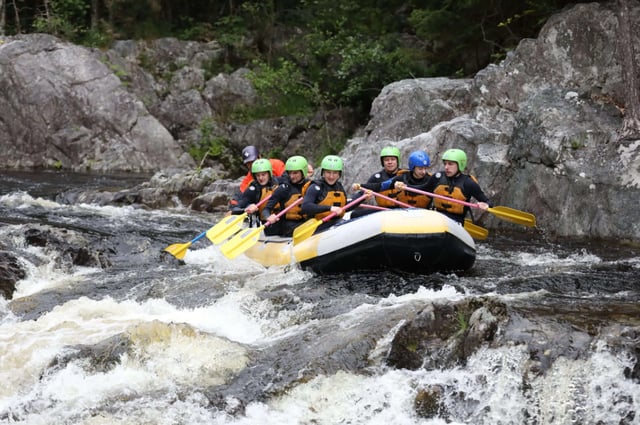
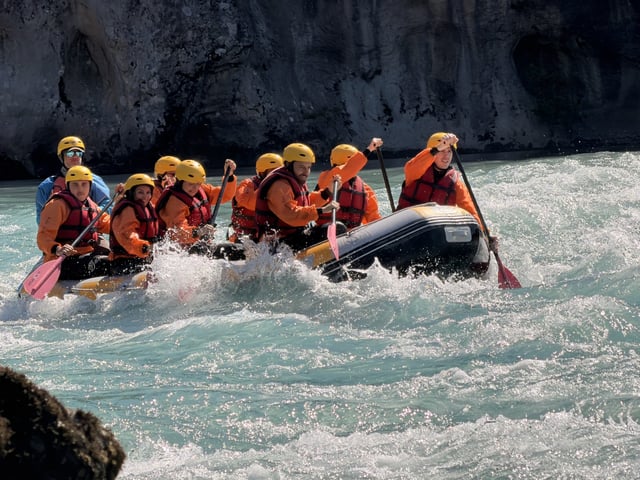
Once at the riverbank, you’ll be briefed on safety and paddling techniques by your guide before gearing up with helmet, paddle, and life jacket. The rafting session lasts around 2 to 3 hours, covering a stretch of the river between Charaudi and Fishling. This section includes a mix of class II to IV rapids, offering just the right level of excitement without being overwhelming for first-timers. After completing the rafting, you’ll dry off, change clothes, and enjoy a well-earned lunch by the riverbank. Depending on your preference, you can return to Kathmandu or continue your onward journey to Pokhara or Chitwan by road.
The Trishuli River flows southwest from the Himalayas near the sacred lake of Gosaikunda and runs alongside the Mahindra Highway, making it one of the most accessible rafting destinations in Nepal. Its course cuts through impressive gorges and wide valleys, providing a beautiful and varied setting for a day trip.
Starting and ending in Kathmandu, the rafting site is roughly a 2.5-hour drive away. The journey itself is part of the experience, with views of terraced farmland, roadside villages, and the fast-flowing river accompanying you much of the way. Your meeting point is Thamel, Paknajol Chowk, 4th floor, Kathmandu 44600.
This day trip is suitable for most people in good general health, including beginners. A basic level of swimming ability is helpful but not required as all safety gear is provided, and trained guides are present throughout the activity.
The session runs during the spring and autumn months when river levels are ideal, and conditions are comfortable. It’s a good idea to bring a change of clothes, sun protection, and anything you’ll need for the ride back after rafting.
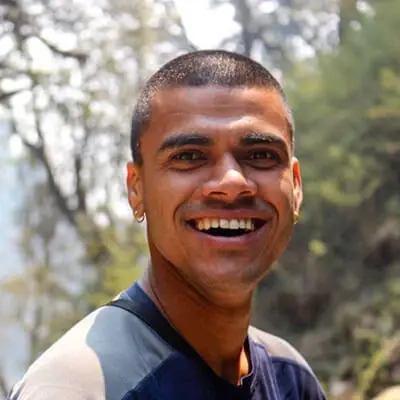
With years of experience guiding people through Nepal’s rivers and mountains, the team has created trips that are exciting, safe, and accessible to everyone from solo travellers to private groups. The centre is known for its personalised service, carefully chosen guides, and attention to the details that matter. The reviews on TripAdvisor and Google reflect the quality of the experience and the friendliness of the team.
Supporting local communities is a priority. 3% of annual income is set aside to fund projects such as clean water access, education supplies, and food for vulnerable elders. By choosing this centre, each person helps to make a small but meaningful difference. Most of the guides are hired from remote areas of Nepal, providing jobs where they’re needed most and giving visitors a chance to hear stories from people who grew up close to the landscapes they work in.
The entire trip lasts for one full day, starting early in the morning and returning by late afternoon. The rafting portion of the trip generally takes 2 to 3 hours, depending on river conditions and group pace.
The rest of the time includes transport to and from the river (around 2.5 hours each way), a safety briefing, gear preparation, and lunch after the activity. Although the rafting itself is relatively short, the full-day schedule allows for a relaxed and enjoyable experience without feeling rushed.
Yes, the Trishuli River day trip is well-suited for first-timers and those with limited experience. The rapids along this stretch are classified as grade II to IV, offering an exciting mix of easier sections with a few more powerful waves.
Trained guides are present throughout the trip to provide instructions, lead the group, and ensure everyone's safety. A full safety briefing is given before you get on the water, and personal flotation devices, helmets, and paddles are all provided.
Wear quick-drying clothes that you don’t mind getting wet—ideally something synthetic rather than cotton. Closed-toe water shoes or sandals with straps are the best footwear for rafting.
It's also a good idea to bring a change of dry clothes for after the trip, sunscreen, a towel, and a waterproof bag or case if you want to carry small items. Valuables should ideally be left at your hotel or kept to a minimum, as there are limited storage options.
Return transport is included and provided via tourist bus. You’ll depart from the meeting point in Thamel, Paknajol Chowk, Kathmandu at around 6:30 am. The journey to the river takes approximately 2.5 hours.
After rafting and lunch, you’ll be driven back to Kathmandu or, if arranged in advance, dropped off in Pokhara or Chitwan instead. The bus is comfortable but basic, and offers scenic views as it follows the Prithvi Highway alongside the river.
Yes, lunch is included as part of the package. You’ll be served a freshly prepared meal after finishing the rafting activity. It’s usually a mix of Nepali and Western food such as rice, vegetables, dal (lentils), and sometimes chicken or eggs.
Food is cooked locally and is designed to be both filling and suitable for a range of dietary preferences. If you have specific dietary needs, it’s best to inform the centre in advance so arrangements can be made.
There is no strict age limit, but participants should be physically fit enough to paddle, sit in a raft for several hours, and respond to commands. Typically, children over 12 can join with parental consent.
The trip is graded ‘easy,’ but that refers more to technical skills than physical demands. You’ll still need reasonable balance and stamina. People with heart conditions, recent injuries, or poor mobility should seek medical advice before booking.
Safety is a top priority, and all rafting sessions are led by certified guides with years of experience on Nepali rivers. Before setting off, there’s a detailed safety briefing covering paddling technique, rescue procedures, and commands.
Participants wear life jackets and helmets throughout the trip. The guide’s raft is equipped with throw ropes and first aid supplies. Every trip also takes into account current river conditions and may be adjusted or cancelled in extreme weather.
About the centre
Kathmandu
Operated by Happyland Treks, a partner of adventuro.


Bagmati Province, Nepal
From $3093