We partner with Rewilding Britain to help protect our natural spaces for future adventures.
All centres are vetted for safety and quality. Your adventure is in good hands with adventuro.
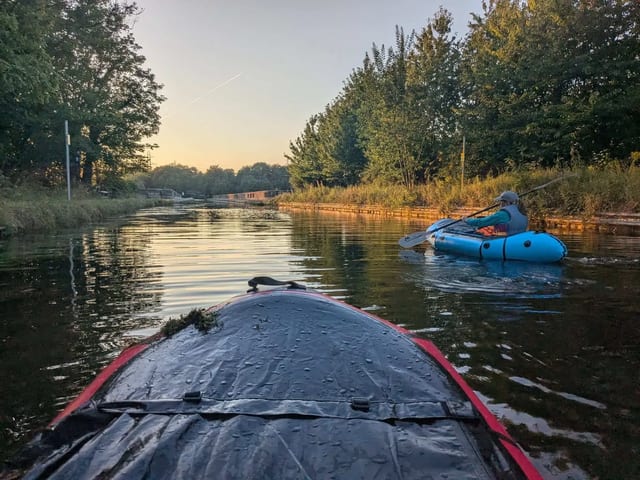
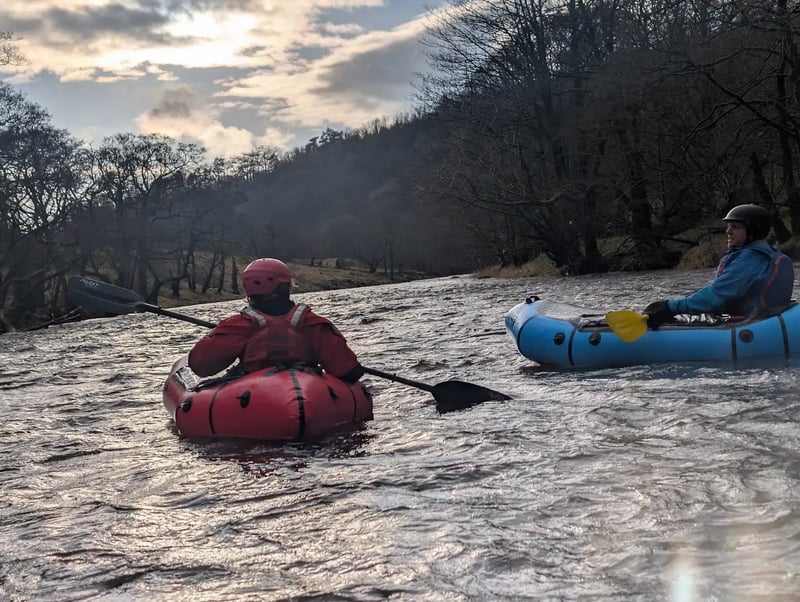
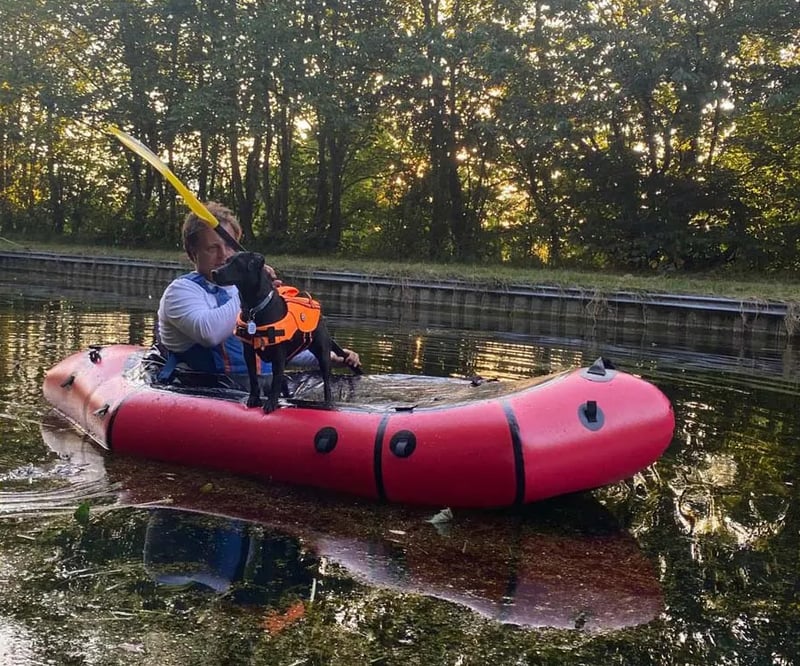
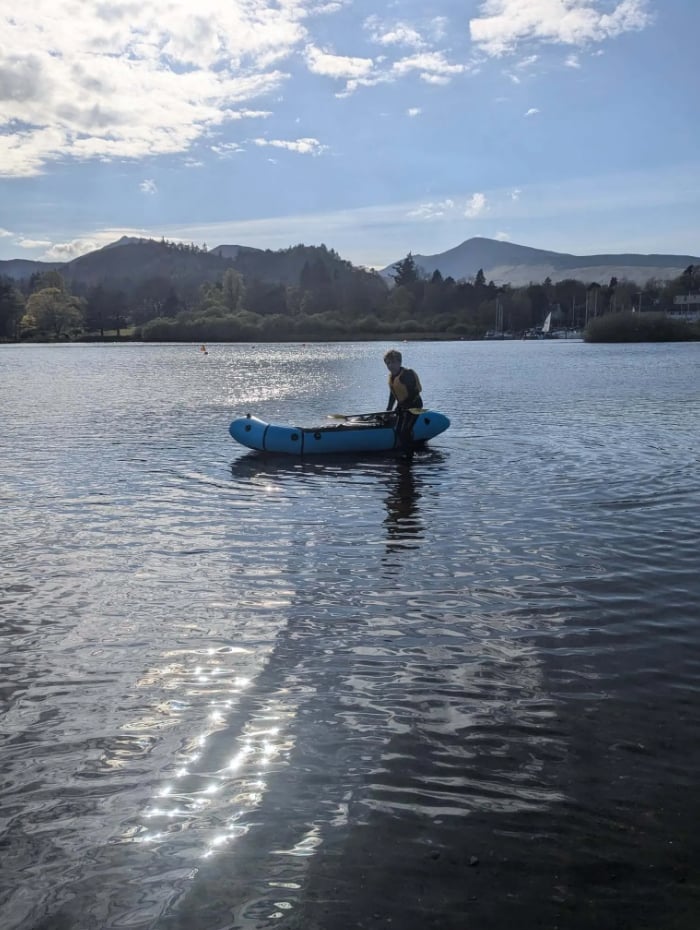
When the day-trippers head home and the car parks empty, the Lake District shifts into something different — softer, slower, and far more personal. This evening paddle gives you up to three hours on the water as the light turns golden and the lakes settle into their quietest hours. Ideal for beginners, couples, families with older children and anyone wanting to end the day on something memorable, it's a flexible, small-group way to see this landscape at its best.
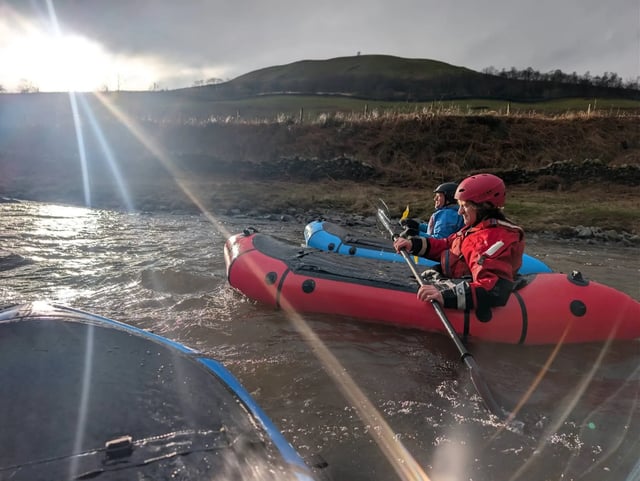
Your session begins on the shore with a friendly welcome and a walk-through of your packraft, paddle and buoyancy aid. Before you launch, we'll cover the basics — how to sit, how to steer, how to handle the boat if a breeze picks up — so that by the time your feet leave the ground, you already feel settled. Everything is pitched for first-timers, and there's no rush; the priority is making sure every paddler is comfortable on the water before the route begins.
Once afloat, the tone of the evening takes over. Colours deepen across the fells, swallows sweep low over the surface, and the lakes often glass out just as the sun starts to drop behind the skyline. You'll paddle at a gentle pace, pausing often to take in the changing light, the quiet coves, and the reflections that only appear at this hour. It's an unhurried outing, designed as much for noticing as for paddling — and most guests say the stillness stays with them long after they've come off the water.
How your evening finishes depends on where the route takes you. Some paddles close at the original launch point as the last light fades; others end somewhere entirely new, with the journey back completed on foot, by bike, bus or taxi. Because packrafts pack down small, multi-mode adventures are part of what makes this experience different — you might even continue onwards to a remote tarn if conditions and the group are up for it.
The Lake District is England's largest national park and home to some of the country's most recognised waters, from Windermere and Ullswater to quieter pools tucked deep in the fells. Routes are chosen based on the conditions on the night, which means you're always paddling somewhere matched to the wind, the light, and the mood of the group. Expect a mix of broad open water, wooded shoreline and glimpses of crags rising behind the treeline — always with space to stop, drift, and look around.
Evenings here have a particular character. Traffic eases along the lanes, footpaths empty, and the fells cast long shadows across the valleys as the sun lowers. On the water, this translates to calmer surfaces, fewer boats, and a quality of light that photographers travel miles to catch. Whether you're local to Cumbria or visiting for the first time, paddling at this hour opens up a version of the landscape most people never get to see.
This experience is open to most people, with no previous paddling required. Beginners, couples, solo guests and families with older children are all very welcome. A reasonable level of general mobility helps — enough to sit comfortably in a packraft and manage a short walk to and from the water — but there's no fitness test and the pace is gentle throughout. Children aged 8 and above can take part when accompanied by a participating adult, and anyone 18 or over can join independently. Basic water confidence is useful, as all guests wear a buoyancy aid and the session begins with a full safety briefing.
What you wear makes a real difference to how much you enjoy your evening. Comfortable outdoor clothing suited to the weather works best, along with a waterproof layer in case conditions shift. Sturdy footwear — light boots or trainers — will see you through the walk in and any short portages. We'd also recommend a small backpack for snacks, water, sun protection, and a warm top for when the temperature dips once the sun is down. All packrafting equipment, including buoyancy aids, is provided, and you'll be talked through everything before you set off.
Packrafting is our single focus, and it shows. Every route has been walked, paddled and refined over years of exploring Cumbria's waters, which means each evening session is built around genuine local knowledge rather than an off-the-shelf itinerary. Small group sizes keep the atmosphere relaxed, and kit is chosen specifically for comfort, warmth and quick learning — so you'll feel settled on the water far faster than you might expect.
What really sets these outings apart is the flexibility. Because packrafts pack down into a backpack, we're not tied to the same launch points each day; we can take you to quieter, harder-to-reach corners of the Lakes and finish the evening somewhere entirely different from where it started. Combined with patient, personal guidance and a deep respect for the landscape we work in, that flexibility is what turns a simple paddle into something people talk about long after they've headed home.
Not at all — this session is designed with complete beginners in mind. Most guests arrive having never sat in a packraft before, and many have never paddled anything at all. You'll find the setup gentle, the pace relaxed, and the group small enough that no one feels rushed or overlooked. Couples, families with older children, solo adventurers and groups of friends all mix happily on these outings.
Before you get on the water, your guide will run through how to sit, hold the paddle, and move the boat forwards, backwards and around. They'll also cover what to do in the unlikely event of a wobble, and how to handle a small gust of wind if one comes through. By the time you push off from the shore, the basics will feel familiar — and because the pace is unhurried, you'll keep learning naturally throughout the session.
The Lake District can shift its mood quickly, and one of the real advantages of working with packrafts is the flexibility to respond. If conditions look less suitable on one stretch of water, your guide will adjust the plan and take you somewhere calmer, more sheltered, or simply better matched to the wind and light on the evening. Safety and enjoyment always come first, and this kind of local knowledge is part of what makes the experience feel tailored.
In rare cases where the weather is genuinely unsuitable for being on the water at all — very strong winds, thunderstorms, or similar — we'll reach out before the session and arrange a reschedule to another evening that works for you. You'll never be pushed onto the water if conditions aren't right, and we'd much rather postpone than compromise your experience.
Comfortable outdoor clothing suited to the day's weather is the best starting point, with a waterproof layer to hand in case conditions shift. Many guests opt for quick-drying trousers or leggings, a breathable top and a light fleece or insulated layer they can pull on during breaks. Evening temperatures in the Lakes drop noticeably after the sun dips behind the fells, even on warm days, so having something warm in your bag is always worth it.
Footwear-wise, sturdy trainers or light walking boots work well — something you don't mind getting a little wet, with decent grip for the walk in and any short portages. Avoid loose flip-flops or anything that won't stay on securely. Bring sun protection regardless of the forecast (sunglasses included, as reflections off the water can be bright) and pack a small backpack for snacks, water and spare layers.
The pace is deliberately gentle, which makes this a great fit for most general levels of fitness. You won't be paddling flat-out or covering huge distances; instead, the session is built around soaking in the evening, stopping often, and enjoying the quieter pockets of water most people never see. Paddling a packraft itself is low-impact — it works your upper body lightly, but nothing like a sporty kayaking session.
You should feel comfortable walking a short distance over uneven ground to reach the launch point, sitting in a packraft for extended periods, and getting in and out of the boat from the shoreline. If you have specific mobility considerations, just let us know in advance and we'll match the route and launch point to suit. Most reasonably mobile adults and older children find the experience very manageable.
Children aged 8 and above are very welcome, provided they're accompanied by a participating adult who is also in a packraft. Evening paddles can be a lovely family experience — the calmer waters, softer light and slower pace tend to make younger paddlers feel settled, and there's plenty to notice along the way, from dragonflies skimming the surface to reflections shifting as the sun moves.
Anyone aged 18 or over can join independently, and we'll always group you thoughtfully so the pace suits everyone on the water. If you're unsure whether your child is ready — perhaps it's their first time around open water, or they've not been in a paddle boat before — just get in touch ahead of booking. We'll talk you through what to expect and help you decide whether an evening outing is the right first step for them.
A packraft is a lightweight, inflatable paddle boat designed to be tough enough for real water and light enough to carry in a backpack. Unlike a kayak, which tends to be long, rigid and fast, a packraft is short, stable and very manoeuvrable — closer in feel to a sit-in inflatable with proper seating and a spray deck. They inflate in minutes, pack down small, and handle a wide range of water conditions remarkably well.
This matters for evenings in the Lake District because it unlocks places a traditional kayak simply can't reach. We can walk in to quieter, less-used stretches of water, paddle them at the best time of day, and then pack the boats away and walk, cycle or bus back if the route isn't circular. For guests, it also makes for a gentler learning curve — packrafts are forgiving, steady and easy to sit in, so first-timers usually feel confident far faster than they expect.
Late spring through early autumn tends to offer the most reliable evening windows. From May onwards, the days are long enough that a sunset paddle doesn't finish too late, and the water temperatures are more comfortable if anyone ends up with wet feet or hands. June and July give you the latest sunsets and often the calmest evenings, while August and September bring warmer light and beautiful reflections as the colours on the fells start to shift.
Earlier and later shoulder months can still work beautifully, though you'll want extra warm layers and it's worth being flexible on the date to catch the right conditions. Midges can occasionally appear on calm summer evenings, particularly near wooded shorelines — bringing repellent or a light head net is sensible if you're sensitive to them. Whatever month you choose, we'll time your session to make the most of the light.
Capsizes are rare on these evening paddles — the routes are chosen for their calm conditions, the packrafts themselves are very stable, and the pace is gentle throughout. Everyone wears a correctly fitted buoyancy aid, your guide stays close by, and the briefing at the start covers exactly what to do if you do end up in the water. In practice, most guests finish their session completely dry.
If a capsize does happen, the priority is getting you back to the shoreline or into your boat quickly and calmly, with your guide directly alongside. Afterwards, you'll have access to dry robes and warm layers from your own bag, plus plenty of time to reset before continuing. Nothing about the experience is designed to feel daunting — the emphasis is always on relaxed paddling within your comfort zone.
One of the lovely things about packrafting is that you're not tied to the same start and finish point. Some evenings are run as a straightforward out-and-back or loop, with everyone returning to the launch spot as the light fades. Other routes are designed as point-to-point adventures, where you paddle to a new shoreline and return to the original meeting place by foot, bike, public bus or taxi — whichever best suits the route and group.
Your guide will talk you through the planned finish before you set off, so there are no surprises about how and where the session ends. If transport back involves a bus fare, taxi or similar, that cost isn't included in the session price and is worth budgeting for separately. For anyone who fancies a longer adventure, certain routes can even continue onwards to a remote tarn — ask about this if it sounds appealing.
Absolutely — and most guests want to, because the evening light is genuinely photogenic. We provide a dry bag for essentials, which is the safest place to stow a phone or small camera between photo opportunities. If you want quick access while paddling, a waterproof phone case is highly recommended, and we have cases available to purchase on the day if you don't already own one.
We'd just ask that you take a moment to put things away securely before setting off across open water, rather than holding a phone in one hand while paddling. Reflections, silhouettes against the fells, and long golden-hour shadows all come out beautifully from the water — and your guide can often suggest the best vantage points for photographs along the route, based on the light and the direction you're heading.
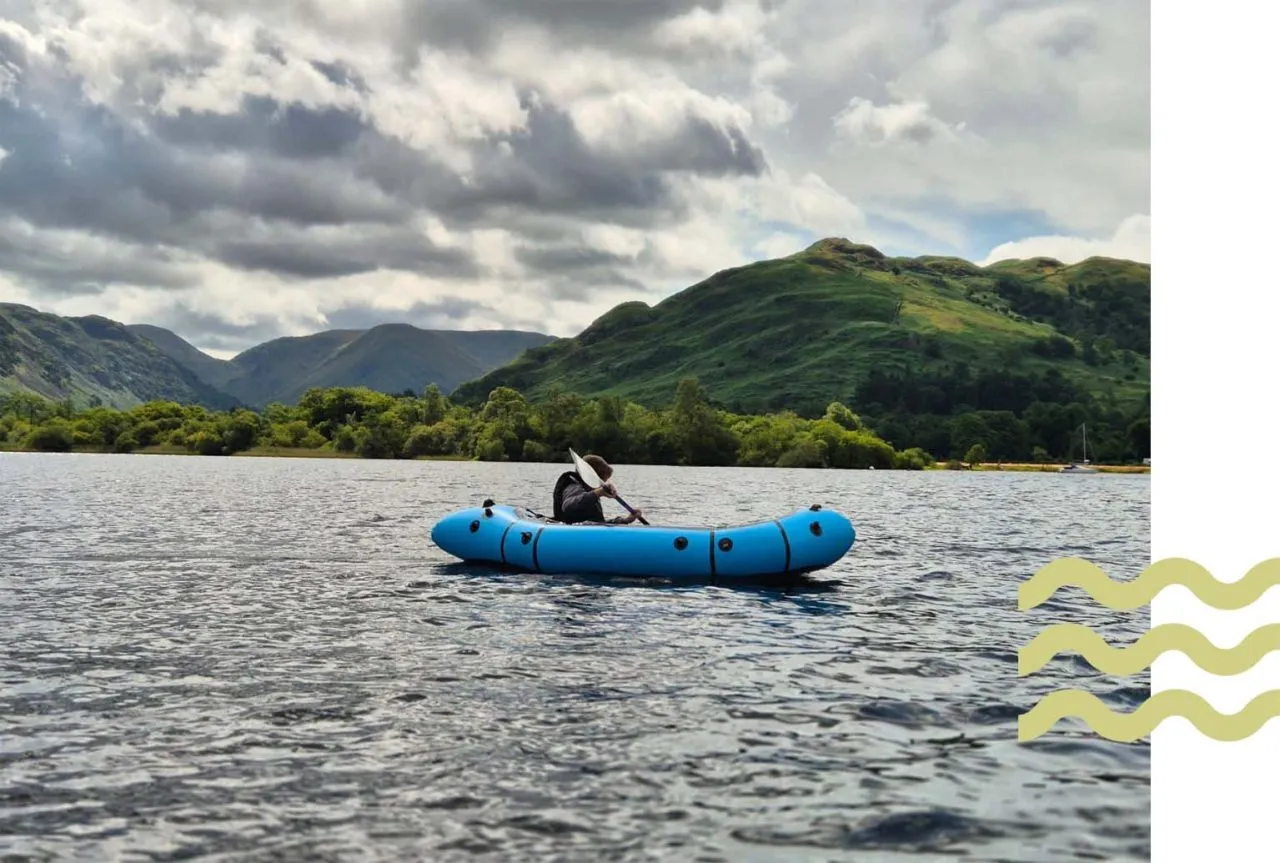
About the centre
Carlisle
Operated by Lake District Packrafting, a partner of adventuro.
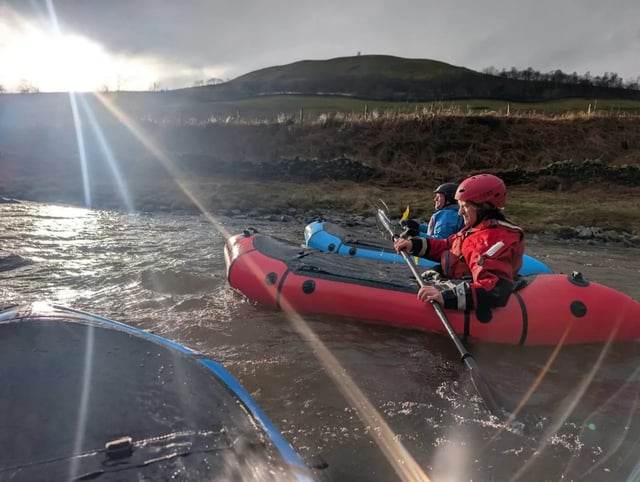
Cumbria, United Kingdom
From £200
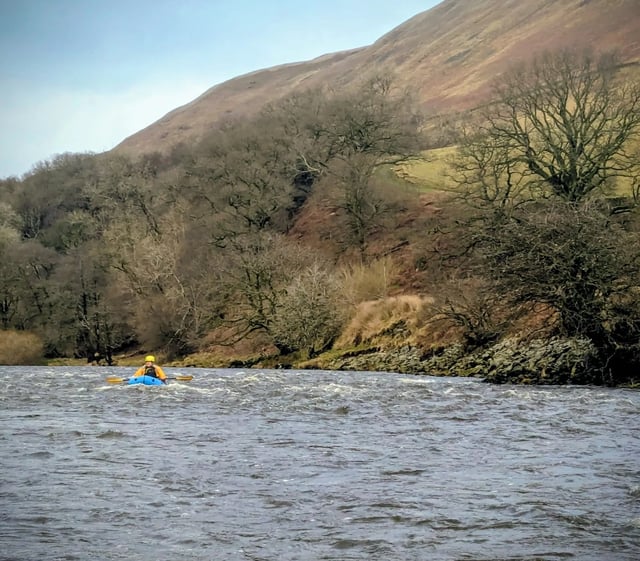
Cumbria, United Kingdom
From £182
Cumbria, United Kingdom
From £180
Cumbria, United Kingdom
From £173.65
Cumbria, United Kingdom
From £102
Cumbria, United Kingdom
From £102



Cumbria, United Kingdom
From £59