We partner with Rewilding Britain to help protect our natural spaces for future adventures.
All centres are vetted for safety and quality. Your adventure is in good hands with adventuro.
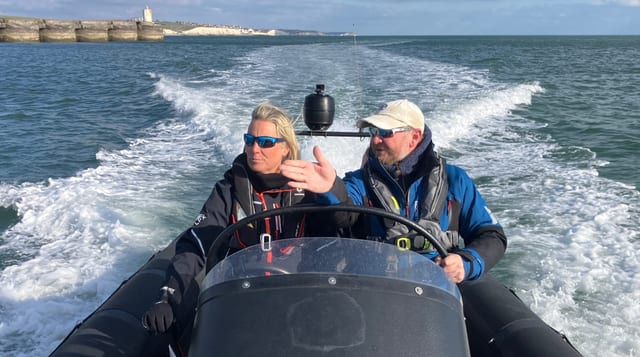
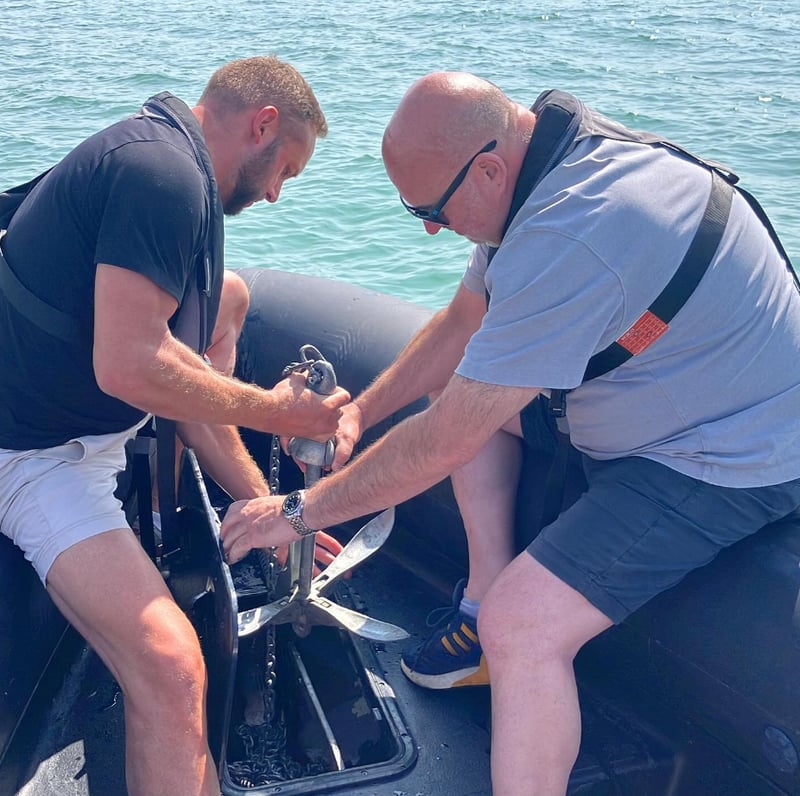
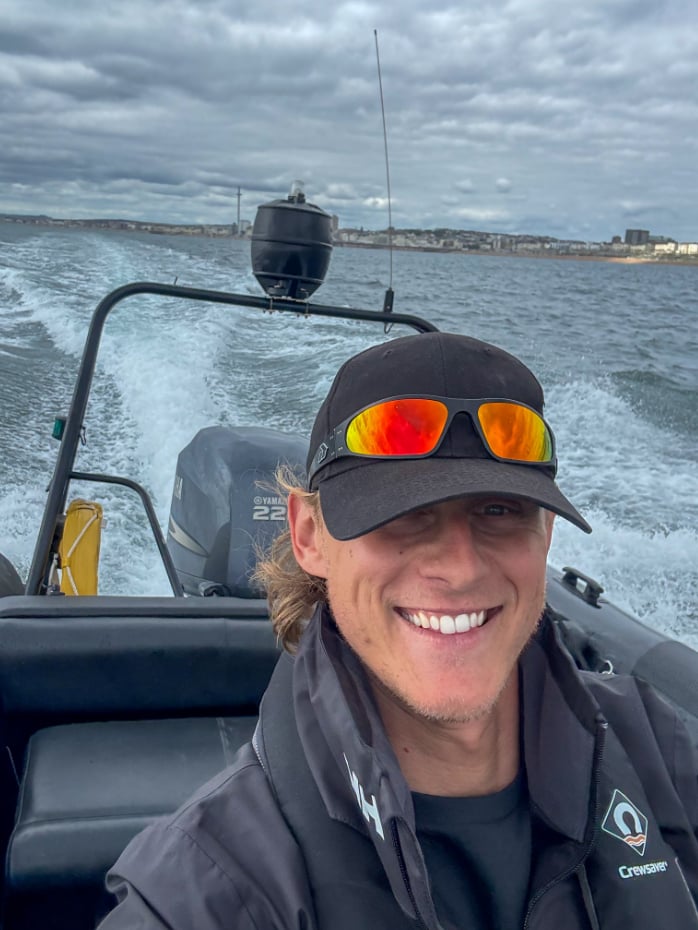
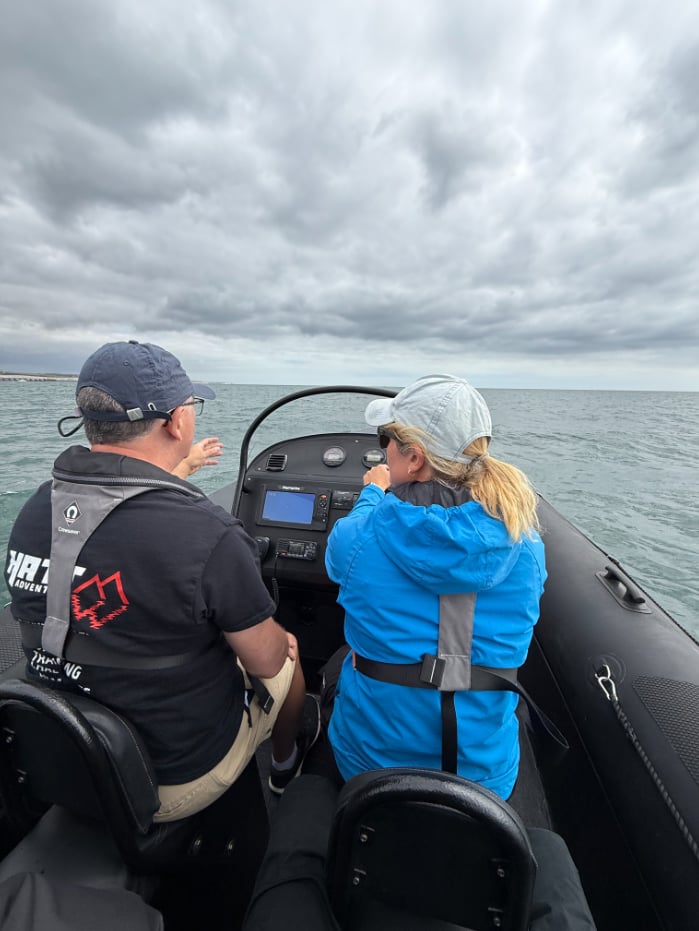
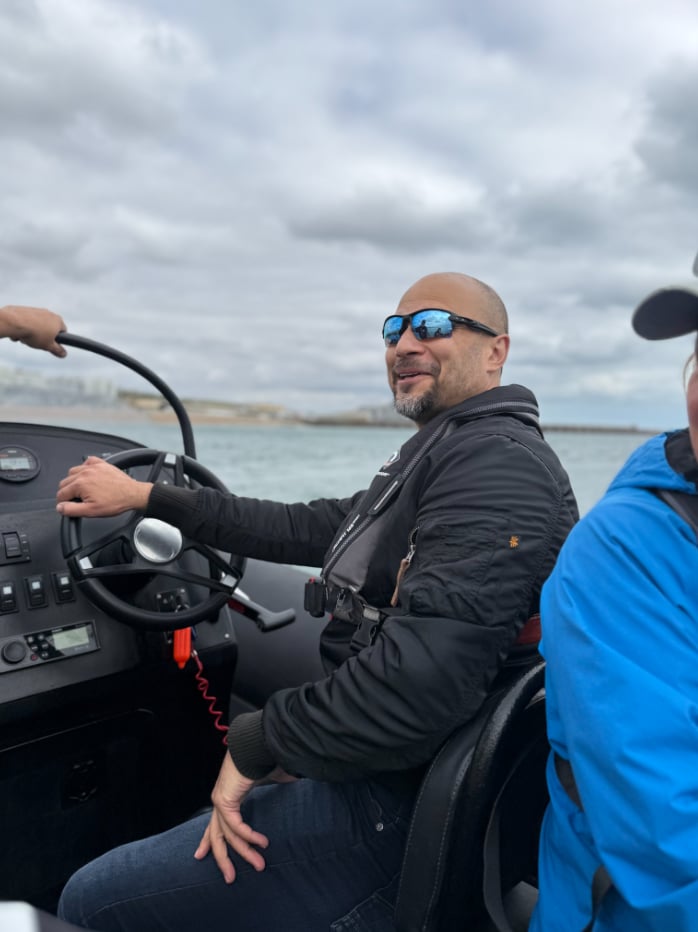
Starting your journey into powerboating is about learning control, awareness, and safe decision-making on the water. This two-day course is designed for beginners and those with limited experience who want recognised training that builds real confidence. By the end of the course, you’ll understand how to handle a powerboat responsibly and feel comfortable taking charge in a range of conditions.
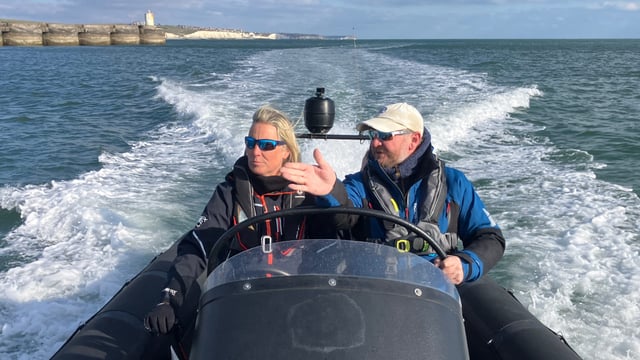
Day one focuses on building a solid foundation, starting with an introduction to the boat, onboard safety, and essential controls. Time is spent practising slow-speed handling in sheltered water, allowing you to understand steering, throttle control, and how wind and tide influence the boat. These early exercises are unhurried, giving you the space to develop accuracy and confidence before progressing.
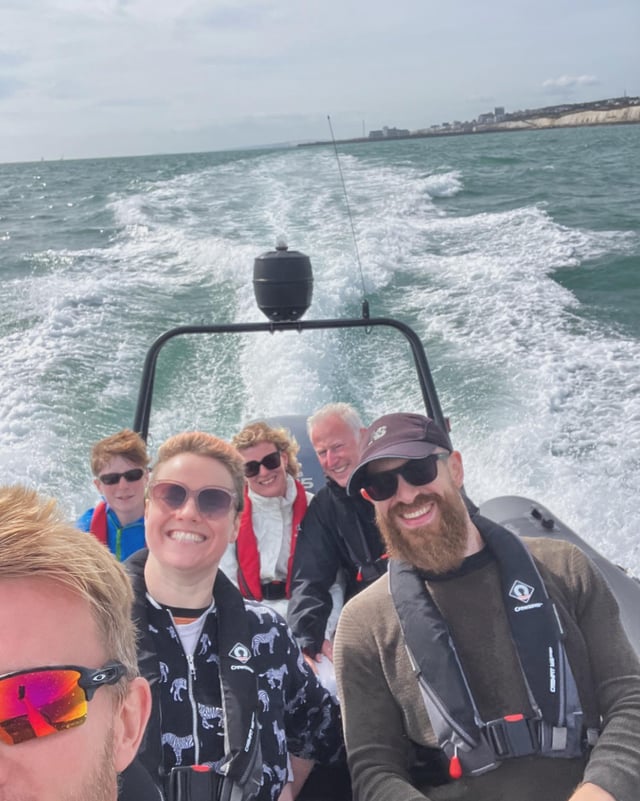
As the course continues, you’ll move into higher-speed handling and more dynamic manoeuvres. Driving on the plane, controlled turns, emergency stops, and man overboard recovery are practised repeatedly, helping you understand not just how to perform each task, but why it’s done that way. Instructors demonstrate techniques before giving you plenty of time at the helm, with clear feedback after each exercise.
Across both days, theory is integrated into practical sessions rather than delivered in long classroom blocks. Navigation basics, collision regulations, and passage planning are explained as you encounter them on the water, making the learning more relevant and easier to retain. By the end of the course, all required elements are covered in full, leaving you well prepared for independent boating.
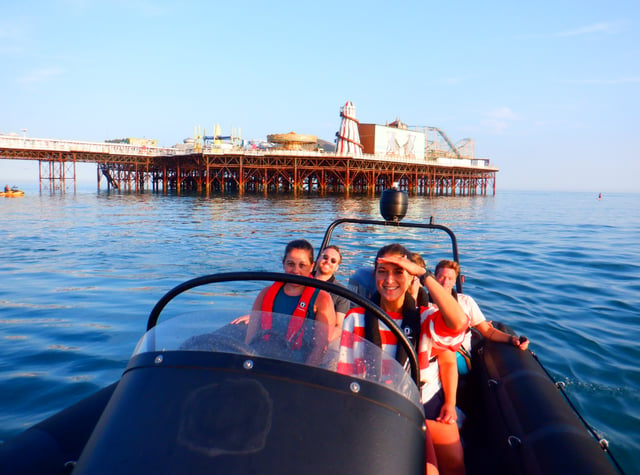
Training is based at Brighton Marina, which offers an excellent balance of calm, enclosed water and direct access to open sea. This allows early skills to be practised in a controlled environment before moving into more realistic boating conditions.
Busy marina traffic and coastal surroundings provide valuable exposure to real boating scenarios, helping you gain experience that translates directly to everyday powerboating situations.
No previous powerboating experience is required, making this course suitable for complete beginners as well as those looking to formalise informal experience. You must be at least 18 years old and within the maximum weight limit of 18 stone (115kg).
Powerboats can transmit significant force when travelling across waves, even in moderate conditions. For this reason, anyone with spinal issues, musculoskeletal conditions, or related health concerns should not take part.
Instruction is delivered by experienced trainers who prioritise clear communication, practical understanding, and calm progression. Small group sizes mean plenty of time at the helm and guidance that’s adapted to how you learn.
Strong standards developed over many years in outdoor training and marine safety underpin every session. If conditions prevent parts of the syllabus from being completed safely, a free return session is provided so nothing is missed.
Yes, the course is specifically designed for people with little or no prior powerboat experience. Everything starts from first principles, with instructors explaining controls, handling, and safety clearly from the outset.
Progression is steady rather than rushed, giving you time to practise each skill until it feels natural and controlled.
On successful completion, you’ll be awarded the RYA Powerboat Level 2 certificate. This qualification is widely recognised and demonstrates your ability to handle a powerboat safely.
It also allows you to apply for an International Certificate of Competence, which is commonly required for boating abroad.
The International Certificate of Competence is a licence accepted in many countries as proof that you can operate a boat responsibly. It’s often requested when hiring or using boats overseas.
Holding the RYA Powerboat Level 2 certificate means you can apply for the ICC without further testing, making this course an efficient route to international boating.
A significant portion of the course is spent on the water, with regular opportunities to take the helm. Small group sizes ensure everyone gets meaningful hands-on experience.
You’ll also rotate through crew roles, which helps build a broader understanding of boat handling and onboard awareness.
The course is heavily practical, with theory introduced alongside on-water exercises. This helps link rules and concepts directly to real situations.
Rather than long classroom sessions, learning is reinforced through doing, observing, and discussing what happens on the water.
Safety always takes priority, and certain conditions may limit which exercises can be completed. Nothing is rushed or forced if it cannot be done safely.
If parts of the syllabus can’t be covered due to weather, a free return session is provided so you can complete all requirements at no extra cost.
You should dress for variable conditions, including layered clothing, waterproof jacket and trousers, and soft-soled shoes such as trainers. Being on the water often feels colder than on land.
Denim and hard-soled footwear are not suitable, as they restrict movement and can damage the boat.
While not overly strenuous, the course does involve wave impact, balance, and periods of sitting and manoeuvring on the boat. These forces can be significant at speed.
Anyone with back, neck, or joint problems should not take part due to the nature of powerboat handling.
You’ll need appropriate clothing for the weather and any personal medication you may require. A full kit list is provided after booking to help you prepare properly.
One passport-sized photograph is also required for your RYA certificate application.
After the course, you’ll be able to drive a powerboat confidently, understand navigation basics, and manage common situations such as close-quarters manoeuvring and emergencies.
You’ll also be well placed to hire powerboats abroad, subject to local regulations, and continue building experience independently.


Surrey, East and West Sussex, United Kingdom
From £520


Derbyshire and Nottinghamshire, United Kingdom
From £325

About the centre
Brighton
Operated by Hatt Adventures, a partner of adventuro.
Surrey, East and West Sussex, United Kingdom
From £65