We partner with Rewilding Britain to help protect our natural spaces for future adventures.
All centres are vetted for safety and quality. Your adventure is in good hands with adventuro.
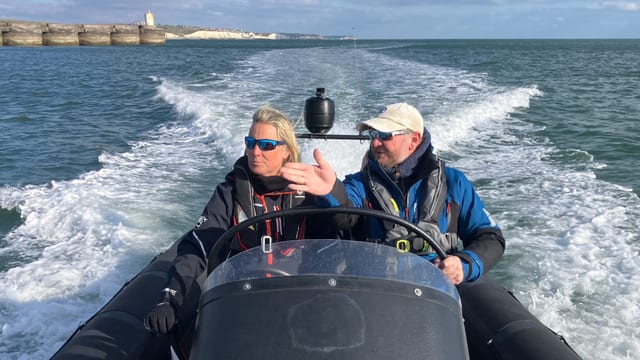
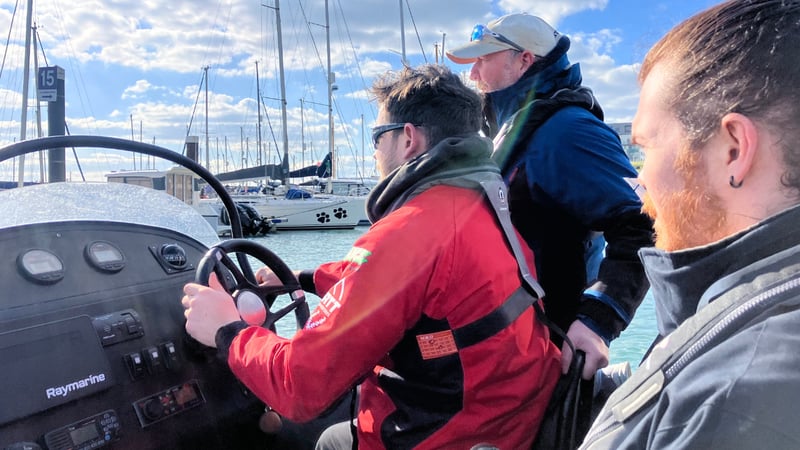
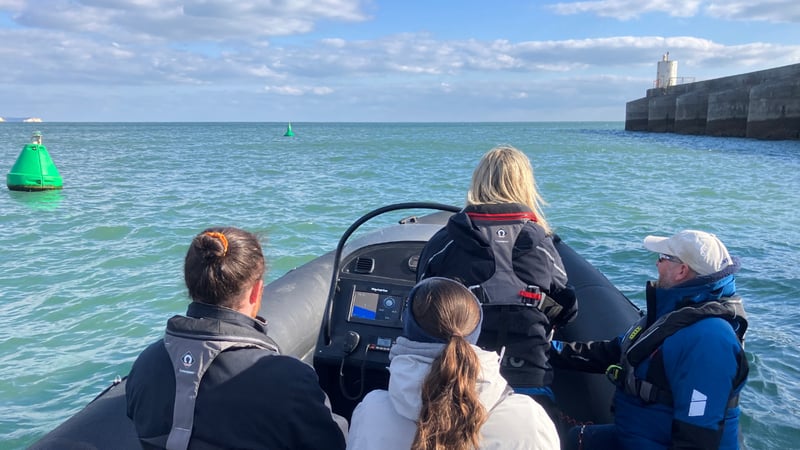
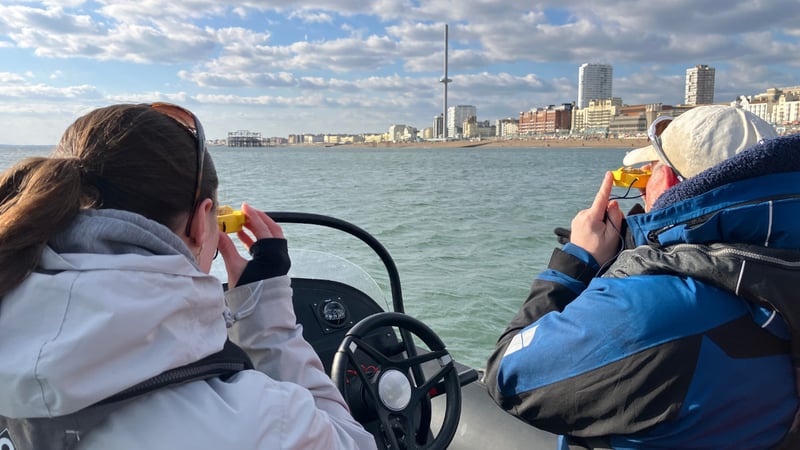
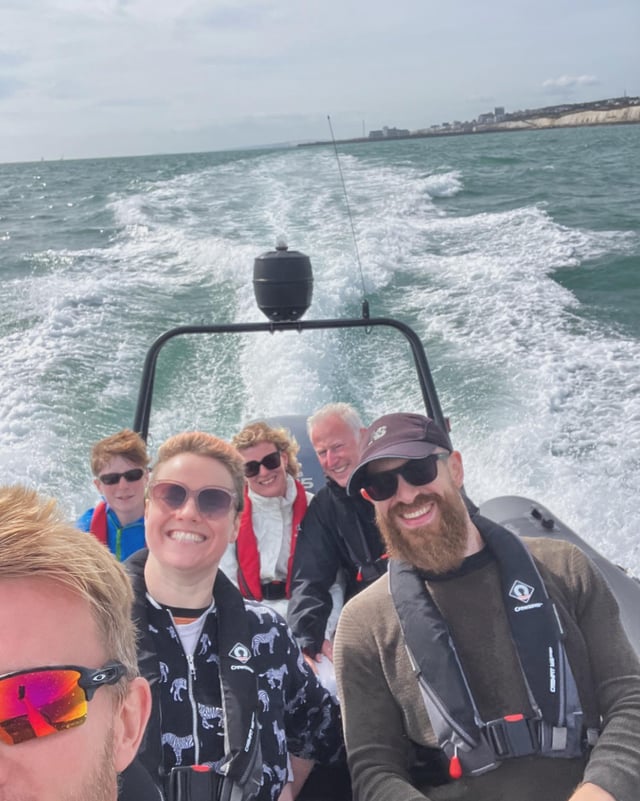
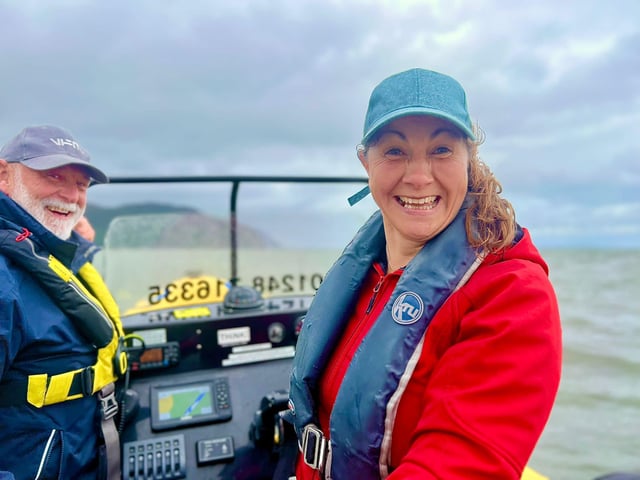
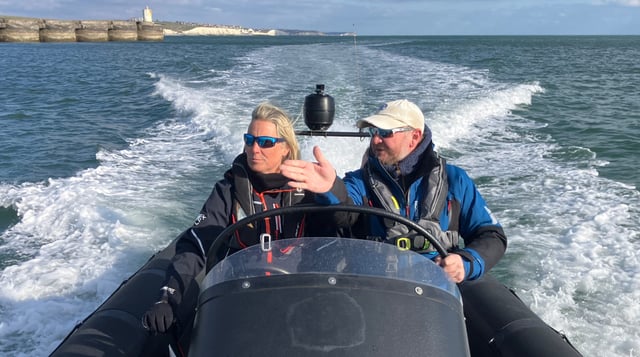
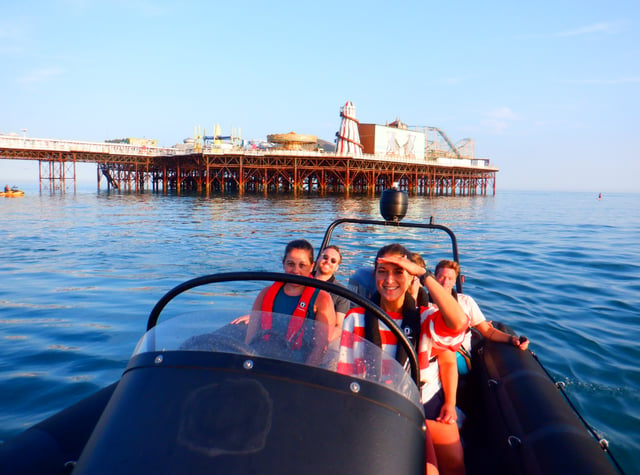
Throttle, tide and pontoon approaches all demand calm judgement, and this full day at Brighton Marina introduces complete beginners to powerboat handling through repeated helm time rather than classroom theory alone. You work through engine checks, kill cord use, slow-speed steering, mooring practice and higher-speed control when conditions allow, with safety woven through every exercise. Small groups of two to three keep you at the controls regularly so skills feel practical by the time you step off the pontoon.
The day opens with lifejacket issue, kill cord practice and a walk-through of engine checks before you leave the pontoon into sheltered marina water. You practise low-speed steering, stopping and awareness of wind and tide with your instructor demonstrating each exercise then giving you repeated helm time until the boat responds predictably at walking pace.
Close-quarters approaches and mooring follow with clear crew roles, then when conditions allow you move into controlled higher-speed handling on more open water within RYA safety limits. The day closes with a review of skills covered, Level 1 outcomes, and honest guidance on whether to progress to the two-day Level 2 course or build supervised hours first.
Training is based at Brighton Marina, with calm enclosed water for early skills and access to open sea when appropriate for realistic boating practice. Busy marina traffic helps you learn awareness early, preparing you for everyday situations after the course.
Meeting details and parking guidance are confirmed in joining instructions so you arrive in time for briefing and lifejacket issue before the first launch, without losing water time to late kit checks.
No previous powerboating experience is required. You must be at least 18 and within the maximum weight limit of 18 stone (115 kg) for safe boat handling and equipment fit.
Anyone with spinal issues or related health concerns should not take part because wave impact can be significant even in moderate conditions. Contact the team in advance if you need to discuss health or mobility considerations.
Small groups maximise time behind the controls rather than waiting your turn, with instructors who prioritise calm progression, clear feedback and plenty of repetition until manoeuvres feel predictable.
Since 2005 the team has delivered powerboat and wider outdoor training across the South East, with instructors also experienced in professional on-water safety work for television and film productions.
Yes. The course starts from first principles with controls, safety and handling explained clearly before you take the helm, and progression stays steady so each skill feels controlled before moving on. Many participants have never operated a powerboat and leave able to handle basic manoeuvres in sheltered water.
By the end of the day you should understand kill cord use, low-speed steering and simple approaches to pontoons, with a clear idea of how to build hours safely afterwards through supervised practice or the two-day Level 2 course.
Level 1 is a single-day introduction covering core boat handling and safety at a foundation level. Level 2 spans two days and goes deeper into navigation, passage planning and advanced manoeuvres including man overboard recovery and higher-speed work.
Level 1 is the sensible first step if you are new to powerboating; Level 2 is the recognised qualification often used for ICC applications and independent boating abroad once you want formal certification beyond an introduction.
On successful completion you receive the RYA Powerboat Level 1 certificate, showing you can handle a powerboat safely at a basic level under supervision appropriate to the award. Your instructor confirms syllabus elements covered on the day before certification is issued.
It is a practical foundation before Level 2 or supervised practice to build hours on the water, rather than a licence to operate anywhere without further experience.
A large part of the day is on the water with regular helm time in sheltered marina water and, when conditions allow, short sections on more open water. Small groups mean you are not waiting long between turns at the controls.
You also observe demonstrations and crew roles, which builds broader onboard awareness beyond driving alone and helps you understand communication when coming alongside or securing lines.
Safety comes first and exercises only run when they can be done safely; some manoeuvres may be limited if wind or sea state is challenging for beginners. Your instructor adjusts the plan rather than forcing open-water work that would not meet RYA safety expectations.
If syllabus elements cannot be covered due to weather, a free return session is provided so you can complete requirements at no extra cost, matching the approach used on other powerboat courses at the marina.
Dress in layers with waterproof jacket and trousers and soft-soled shoes such as trainers. Being on the water often feels colder than on land even on fine days, and spray from manoeuvres can chill you quickly without proper outer layers.
Denim and hard-soled footwear are not suitable because they restrict movement and can mark the boat; gloves are optional but can help grip wet lines during mooring practice.
While not overly strenuous, the course involves balance, sitting and manoeuvring on a moving boat with occasional wave impact at speed during higher-speed sections. Most participants find it manageable with normal mobility and core stability.
Anyone with back, neck or joint problems should not take part due to the forces involved in powerboat handling, and you should contact the team in advance if you are unsure whether the course suits your health.
Bring weather-appropriate clothing, sunglasses if sunny, packed lunch and plenty of water, plus any personal medication you need during the day. A small dry bag for phone and keys is useful on the pontoon and onboard.
A full kit list is shared before the course so you arrive prepared for a full day afloat, including any passport-sized photograph requirements if your instructor advises they are needed for RYA paperwork.
Maximum weight is 18 stone (115 kg) for safe equipment fit and boat handling. Minimum age is 18 for this certification course, consistent with other powerboat training at Brighton Marina.
Contact the team in advance if you need to discuss health or mobility considerations so expectations are clear and the instructor can plan seating and helm time appropriately.
Meeting is at Brighton Marina with full address and parking details in your joining instructions. Arrive in time for briefing and lifejacket issue before the first launch so the group does not lose water time to late kit checks.
Your confirmation email explains any remaining paperwork to complete before stepping aboard, including medical or terms forms sent through the usual pre-course process.

About the centre
Brighton
Operated by Hatt Adventures, a partner of adventuro.


Surrey, East and West Sussex, United Kingdom
From £425
Surrey, East and West Sussex, United Kingdom
From £425
Surrey, East and West Sussex, United Kingdom
From £65