We partner with Rewilding Britain to help protect our natural spaces for future adventures.
All centres are vetted for safety and quality. Your adventure is in good hands with adventuro.
About the centre
Margate
Operated by East Kent First Aid, a partner of adventuro.
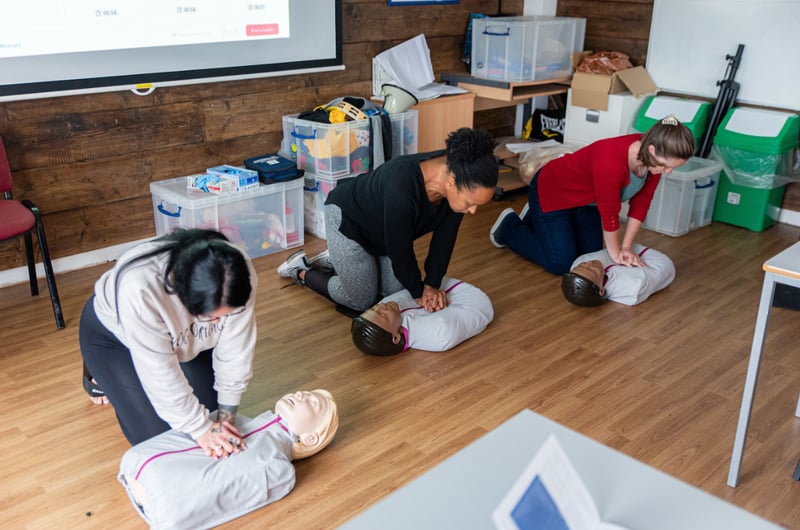
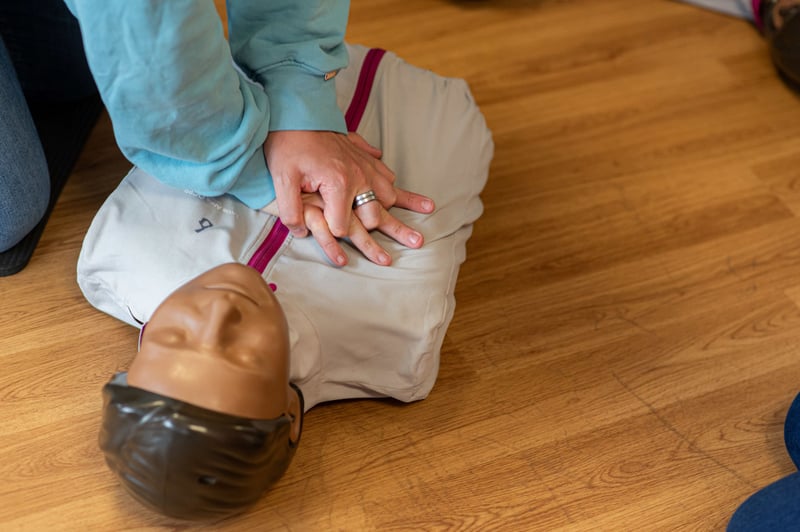
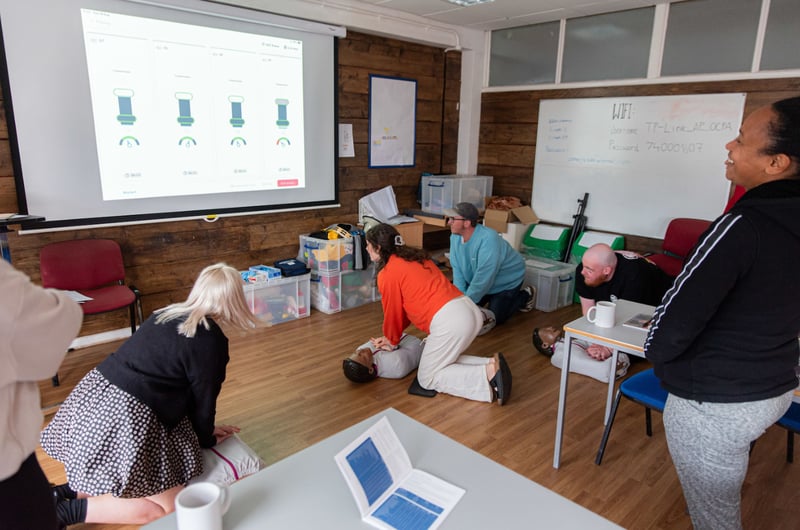
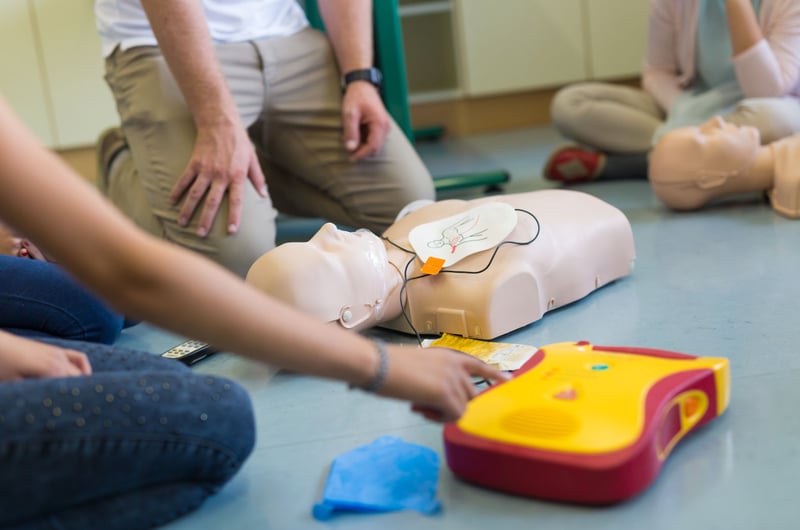
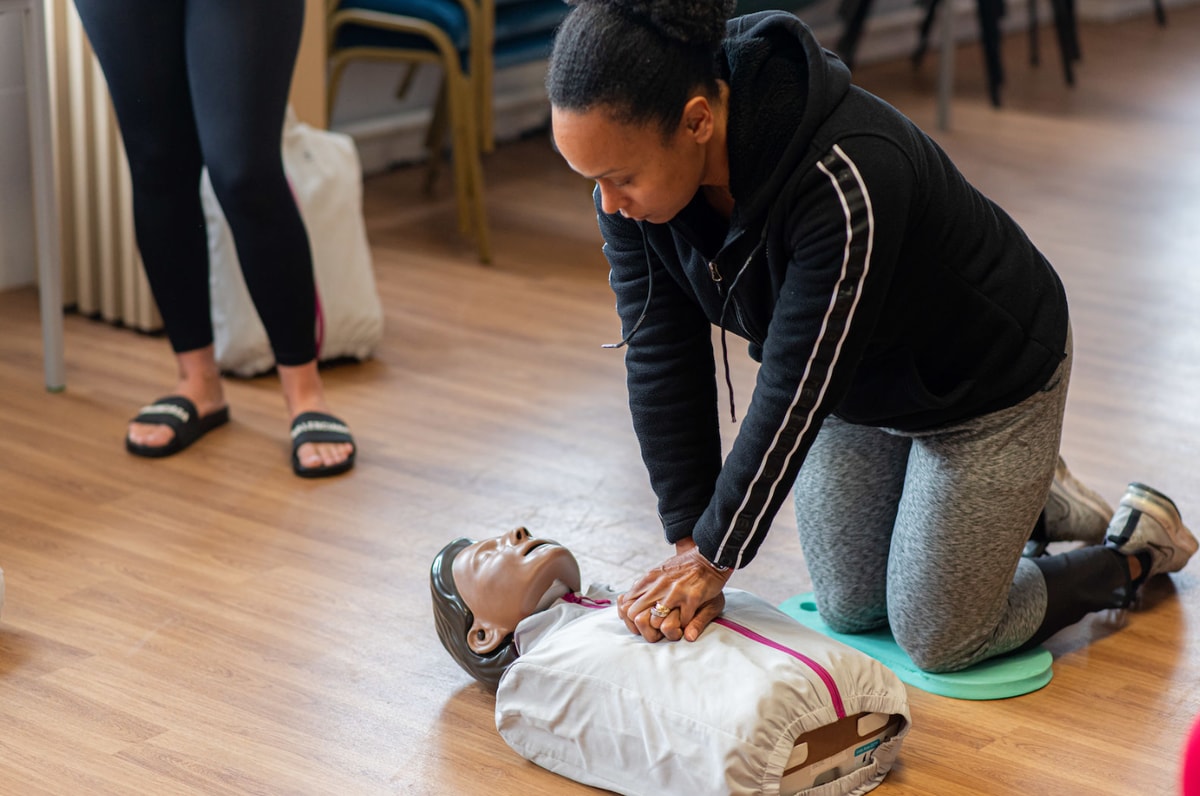
Knowing how to act quickly during a cardiac emergency can save lives, and this Responding to Incidents with an AED qualification equips you with the practical skills and confidence to do so. The course goes beyond basic first aid, providing in-depth training on using an AED safely and effectively in real-world scenarios. It’s ideal for staff in public venues, gyms, healthcare settings, or anyone wanting to strengthen their life-saving skills.
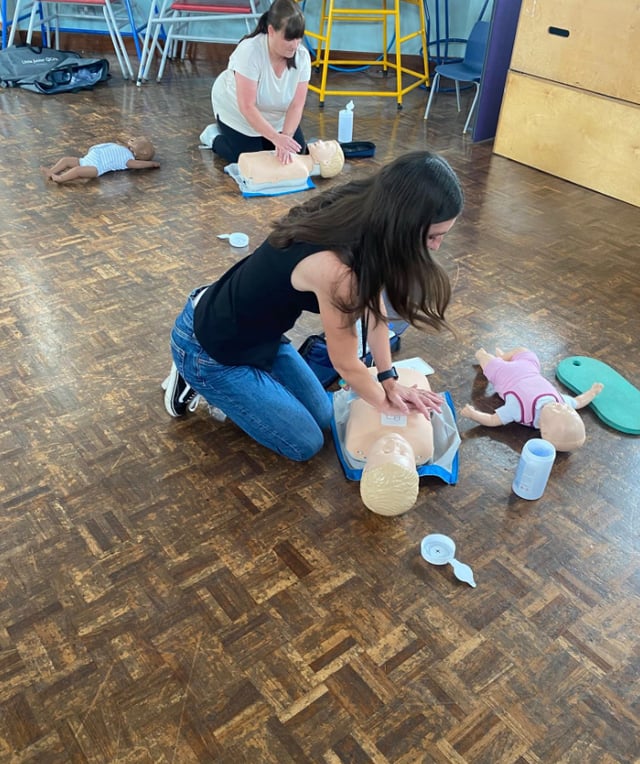
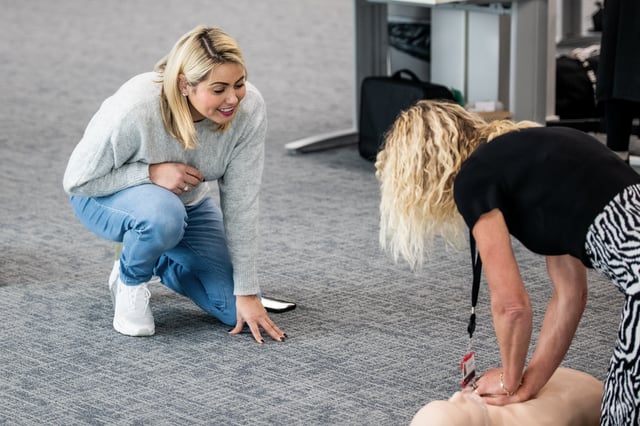
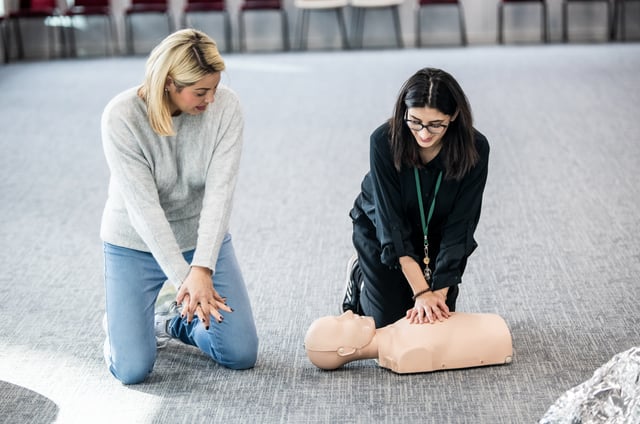
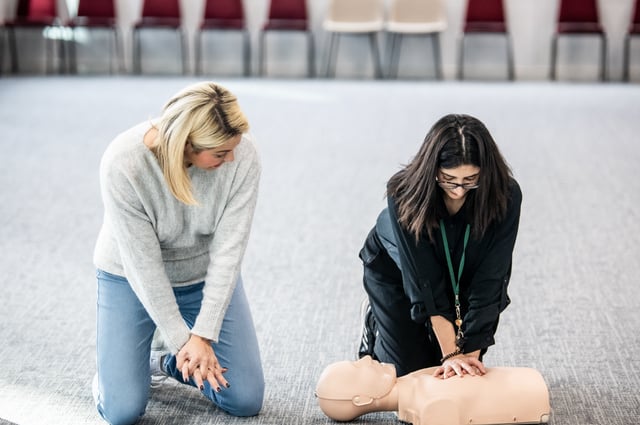
You’ll begin by exploring the principles of defibrillation, learning why and how AEDs are used in emergencies. Practical sessions guide you through the full process of assessing a casualty, performing CPR, and applying AED pads correctly. You’ll practise in realistic scenarios to develop both competence and confidence in handling cardiac emergencies.
As the course continues, you’ll build on basic first aid knowledge, understanding the different functions of an AED, the correct timing for defibrillation, and how to integrate AED use into a wider emergency response. By the end of the three hours, you’ll be able to respond quickly and safely in any situation where an AED is required, giving you the skills to make a real difference.
Training is delivered directly at the client’s premises, allowing sessions to be tailored to the specific workplace and the type of environment staff operate in. This ensures the content is directly relevant, with examples and scenarios based on the setting participants are familiar with.
Holding the training on-site also removes the need for travel and reduces disruption to the working day. All necessary equipment and materials are provided, and sessions can be scheduled at times that best suit the team’s routine and operational needs.
You must be at least 16 years old to enrol. The course involves practical skills, including CPR on a casualty lying on the floor, so you should be physically capable of completing these tasks.
A reasonable command of English is recommended to follow instructions, understand the assessments, and participate fully in practical exercises.
The centre provides practical, OFQUAL regulated training that focuses on giving you confidence as well as competence. Experienced instructors ensure you leave able to respond effectively to cardiac emergencies in any workplace environment.
Courses comply fully with Health & Safety regulations and UK Resuscitation Council guidelines, ensuring you gain recognised skills that meet workplace requirements. Training here equips you with life-saving techniques in a professional and supportive setting.
Yes. Every course provided is fully accredited by OFQUAL, which means the qualifications are officially recognised and meet national standards. This gives you reassurance that the training you receive is both high-quality and credible. Successful completion of a course demonstrates to employers and regulatory bodies that your knowledge and practical skills meet the required benchmarks.
These qualifications are widely respected across a range of industries, so whether you’re completing training for work purposes or to gain valuable personal skills, you can be confident your certification will hold weight. Having an accredited qualification not only ensures compliance with health and safety regulations but also helps strengthen your professional development.
Once you’ve successfully completed your chosen course, your certificate will remain valid for three years. This period is set by the awarding body and is standard across the first aid sector. It ensures that your skills and knowledge stay current with any updates to best practice and national guidelines.
At the end of the three-year period, you’ll need to renew your qualification to maintain your certified status. This typically means booking onto a refresher course or a full requalification course depending on the type of training you initially completed. Staying up to date is essential, as first aid is a constantly evolving area with new techniques and recommendations being introduced regularly.
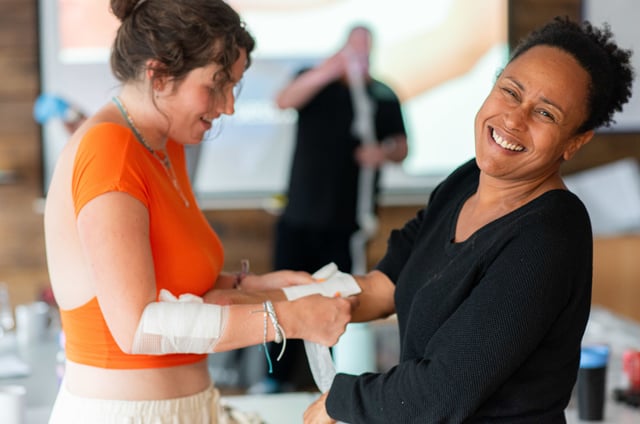
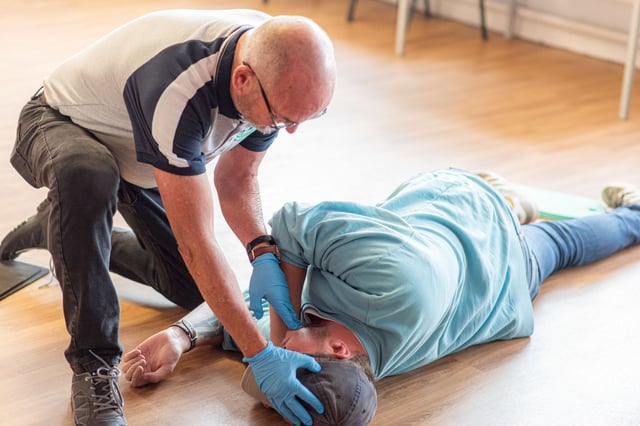
Comfortable clothing is strongly recommended. First aid courses involve a lot of practical, hands-on training, including practising CPR on manikins, placing people in the recovery position, and carrying out procedures that may involve kneeling or moving around the floor. Wearing restrictive clothing could make these activities more difficult and uncomfortable.
Flat shoes or trainers are also advisable, as they make it easier to move around safely during practical sessions. Avoid wearing formal or delicate clothing, as some tasks require physical movement that could cause wear and tear. Dressing practically will ensure you can focus fully on the training rather than worrying about your outfit.
You’ll need to bring a valid form of photo identification, such as a passport or driving licence. This is a requirement set by the awarding organisations to verify the identity of every participant. Without suitable ID, you will not be able to take part in the training, so it’s important to check this in advance of your course date.
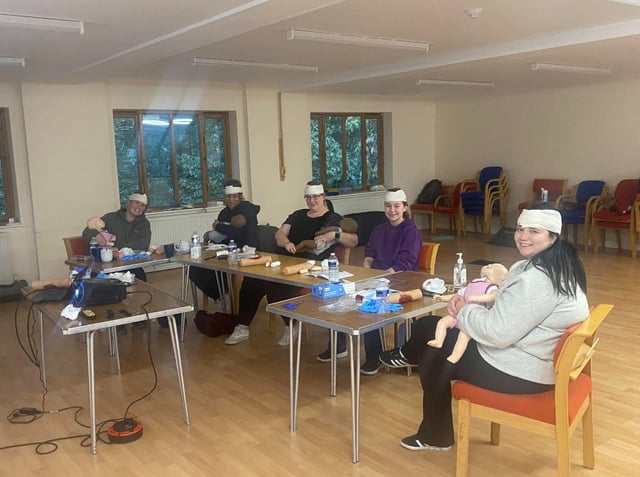
Other than photo ID, all necessary equipment, resources, and course materials will be provided for you. Everything from manikins for CPR to training guides is supplied, meaning you don’t need to purchase or bring anything additional. By ensuring all learners have access to the same materials, the training remains consistent, fair, and focused on developing the skills you need.
Training is delivered directly at the client’s premises, allowing sessions to be tailored to the specific workplace and the type of environment staff operate in. This ensures the content is directly relevant, with examples and scenarios based on the setting participants are familiar with.
Holding the training on-site also removes the need for travel and reduces disruption to the working day. All necessary equipment and materials are provided, and sessions can be scheduled at times that best suit the team’s routine and operational needs.
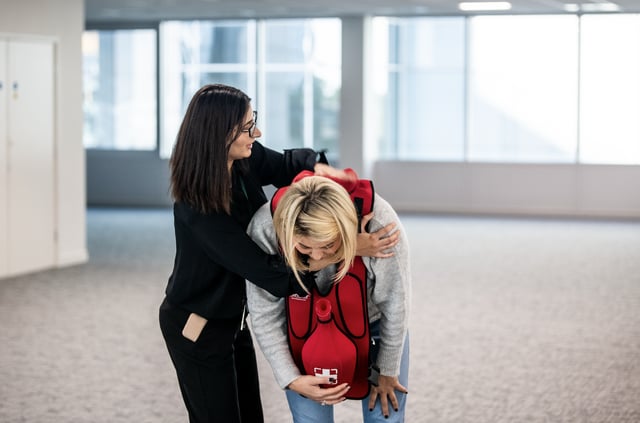
Greater Manchester, United Kingdom
From £254.40


Greater Manchester, United Kingdom
From £122.40