We partner with Rewilding Britain to help protect our natural spaces for future adventures.
All centres are vetted for safety and quality. Your adventure is in good hands with adventuro.

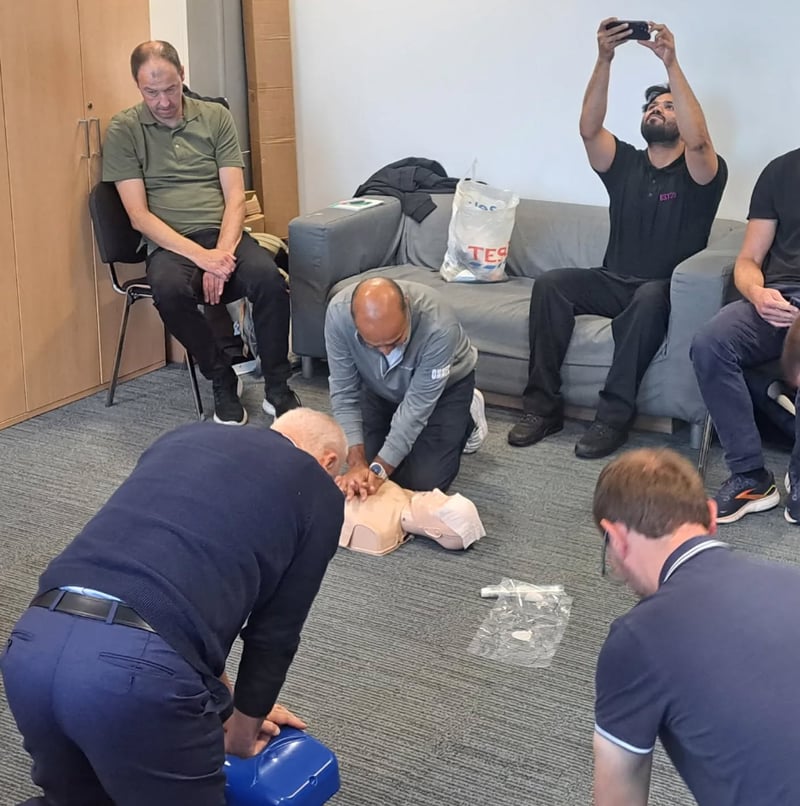

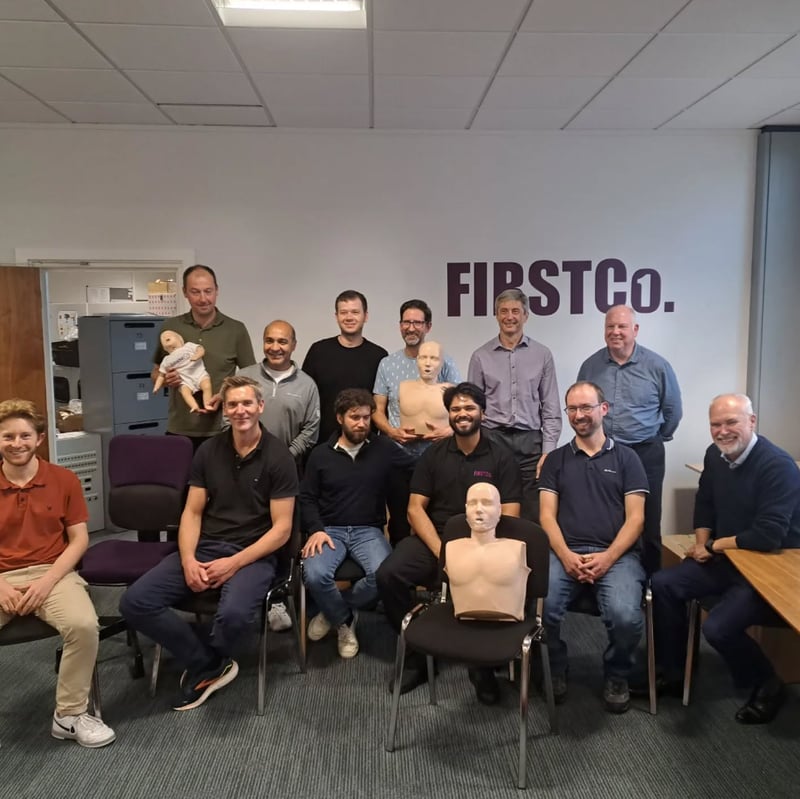
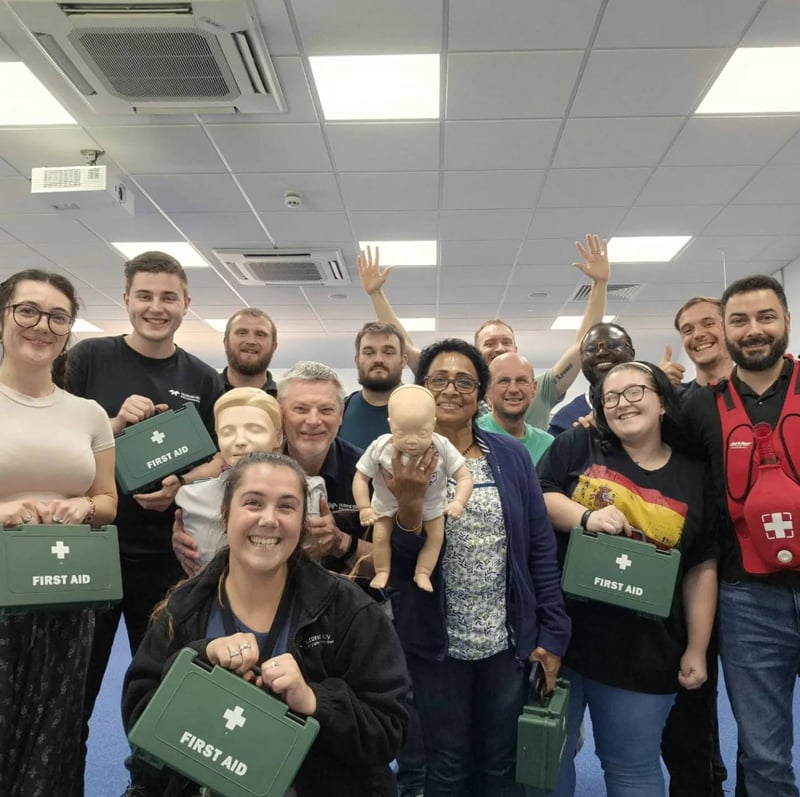
Refresh your 3-day First Aid at Work qualification in just two days with this intensive re-qualification course. Designed for those whose certificates are still valid or expired by less than 28 days, the program condenses all essential topics into an efficient, practical format. Online and classroom elements focus on building confidence and skill for handling real emergencies in high-risk environments.
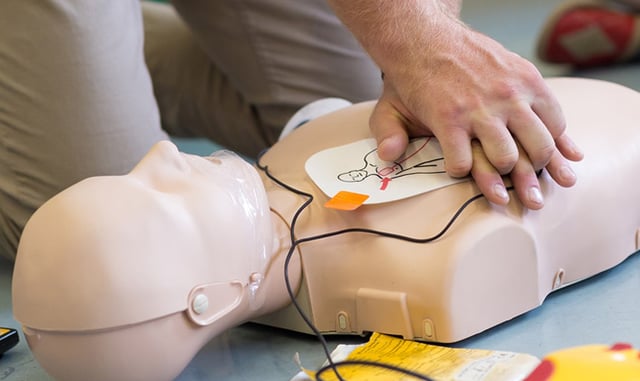
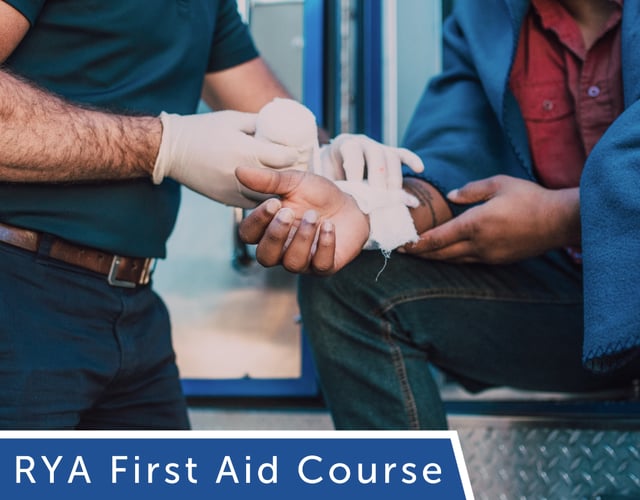
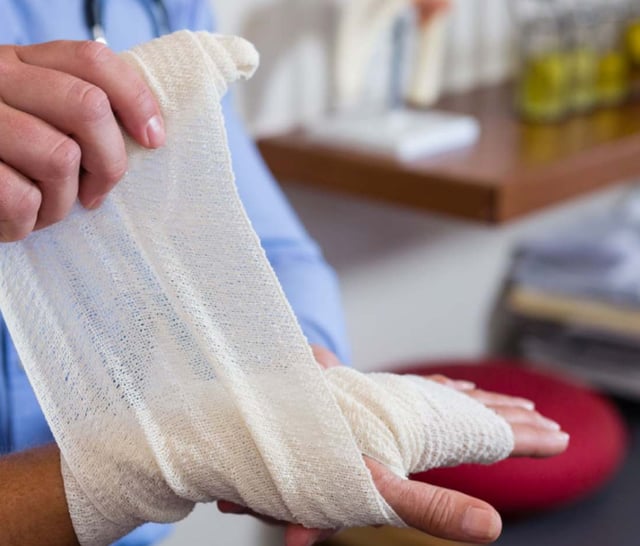
Day one introduces essential theory refreshers and some practical exercises to ensure you are confident in basic life-saving techniques. You will review managing incidents, CPR, bleeding control, and unconscious casualty care. Trainers guide you through each skill step by step, focusing on competence and confidence.
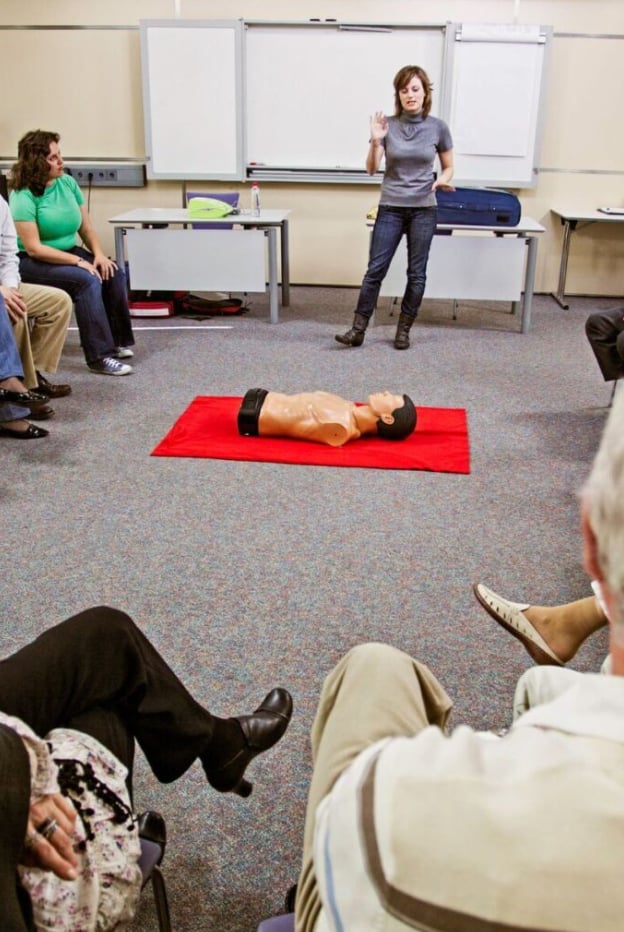
Day two is fully hands-on, with realistic scenarios covering everything from airway disorders and fractures to anaphylaxis, asthma, and heart attacks. You will also complete a 20-question multiple-choice exam at the end of the day. By course end, you will have renewed your First Aid at Work certification, valid for three years.
Sessions are hosted at multiple London venues including Old Street, Victoria, London Bridge, Kings Cross, and Heathrow. Each venue offers easy access via public transport and is equipped for practical emergency training.
In-house training can be arranged for groups, allowing your team to complete practical exercises at your workplace. Contact via Adventuro chat to discuss a customised session tailored to your specific environment.
A valid 3-day First Aid at Work certificate, or one that has expired by less than 28 days, is required. You must be able to participate in practical exercises such as CPR and casualty handling.
Participants should arrive 15 minutes early to settle in and bring a valid form of photo ID for registration. Comfortable clothing suitable for movement and physical exercises is advised.
Experienced emergency service professionals deliver all courses, ensuring practical guidance from real-life experts. Training focuses on both skill and confidence, so you are prepared to respond decisively in emergencies.
The condensed 2-day format allows you to refresh your qualification efficiently without compromising on the quality of instruction. Courses are interactive, engaging, and designed to give you hands-on experience with realistic scenarios.
Yes. It is mandatory to present a valid form of photo identification when you arrive for your course. This ensures that all participants are correctly registered and that certificates are issued to the right individuals. Accepted forms of ID include a passport, driving licence, or any government-issued photo card. Without suitable identification, you may not be able to take part in the training or receive your certificate.
Checking ID also helps maintain the professional and accredited standards required by the awarding body. It confirms that the person completing the assessments is the same individual named on the certificate. To avoid delays on the day, have your ID ready to show at registration before the course begins.
Certificates are processed shortly after the course is completed and successfully passed. Typically, you can expect to receive your PDF certificate within 3–5 working days via email. This ensures you have quick access to your accreditation, whether you need it for work, volunteering, or personal use.
If you require your certificate urgently, it’s best to let the team know before your course begins. They can often prioritise your paperwork where possible, depending on the number of participants and administrative workload. Certificates are always sent electronically to maintain efficiency and environmental sustainability.
Courses begin promptly at 10:00 am and finish around 17:00. This full-day structure allows ample time to cover both theory and practical elements thoroughly, without feeling rushed. It’s recommended that participants arrive at least 15 minutes early to complete registration and settle in before the session starts.
The finish time may vary slightly depending on class size, discussion, and practical participation. Breaks are scheduled throughout the day, including a lunch break, giving you time to rest and refocus. Late arrivals may not be admitted due to the strict requirements for contact hours.
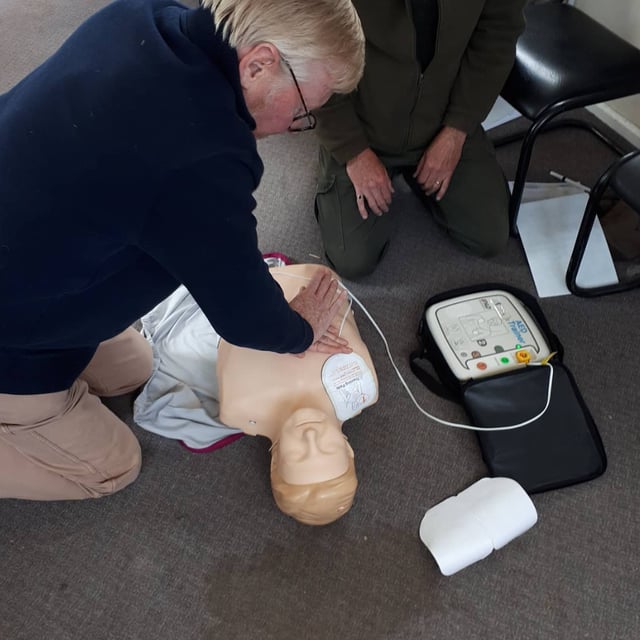
Yes. Practical participation is a mandatory part of all accredited First Aid courses. It ensures you can demonstrate the skills required to perform life-saving techniques safely and effectively. This includes CPR, recovery positions, and the use of an AED, all of which are assessed by qualified instructors.
Completing the practical elements also meets the legal and industry standards for certification. Without showing competency in these skills, it would not be possible to achieve a pass. Practical sessions are supportive and guided carefully to help you build confidence in applying First Aid in real-world situations.
Certificates are issued in PDF format only. This policy helps reduce plastic waste and aligns with the provider’s commitment to sustainability. The digital certificate can be stored on your smartphone, tablet, or computer, and is fully recognised by employers and accrediting bodies.
Having a digital version also means you’ll always have quick access to your certification when needed, without worrying about misplacing a physical card. If you need to print your certificate for workplace display, you can easily do so from the PDF file.
Once your booking is confirmed, you’ll receive an information pack via email that includes the exact address of your training venue. This pack also contains directions, transport options, and any additional details you’ll need for the day.
The address is not shared publicly for security and administrative reasons, ensuring that only registered participants receive it. Be sure to check your confirmation email carefully, as it also includes important pre-course reminders and arrival instructions.
Lunch is not provided during the course, so participants should bring their own packed meal. Venues are typically chosen for accessibility, but some may have limited food options nearby. Bringing your own food helps ensure you can make the most of the scheduled lunch break without needing to travel.
Water, tea, and coffee may be available depending on the location, but this varies. If you have specific dietary requirements, it’s best to prepare in advance. There are usually designated areas where you can comfortably eat your lunch during the break.
It’s recommended to wear comfortable, loose-fitting clothing that allows for movement during practical sessions. You’ll be kneeling, bending, and performing resuscitation exercises, so attire such as trousers, t-shirts, and flat shoes are best suited for the activities.
Avoid skirts, restrictive clothing, or heels, as they may make it harder to perform some of the physical tasks. If you have any injuries or health conditions that may affect participation, please inform your instructor beforehand so they can provide suitable adaptations.
Participants of any age can attend a First Aid course to learn basic life-saving skills. However, to receive an officially accredited certificate, you must be at least 16 years old. Those under this age are welcome to join and will receive an attendance certificate acknowledging their participation.
Young attendees often find the sessions highly valuable, giving them confidence and awareness in emergency situations. Although an accredited qualification is reserved for over-16s, the knowledge gained is still essential and can be applied in day-to-day scenarios or youth group settings.
The course runs for 12 hours over two days, typically from 9:45 – 17:00 each day. Home study may be required after day one for some theoretical elements.
Flexibility is built into the schedule to accommodate busy professionals, allowing theory review at your own pace while providing comprehensive hands-on training in the classroom.
Yes, in-house training can be arranged for teams at your workplace. Trainers adapt practical exercises to reflect your specific environment, providing a tailored learning experience.
Contact us via the adventuro chat to arrange in-house sessions and receive a quote. This option is ideal for teams who want efficient training without travel to public venues.
Accommodation is not included. Participants travelling from outside London must arrange their own overnight stay if required.
Venues are conveniently located near public transport, with nearby hotels and guesthouses for those attending multi-day sessions.

About the centre
London
Operated by Siren First Aid Courses, a partner of adventuro.
Berkshire, Buckinghamshire and Oxfordshire, United Kingdom
From £250
Gloucestershire and Wiltshire, United Kingdom
From £170