We partner with Rewilding Britain to help protect our natural spaces for future adventures.
All centres are vetted for safety and quality. Your adventure is in good hands with adventuro.
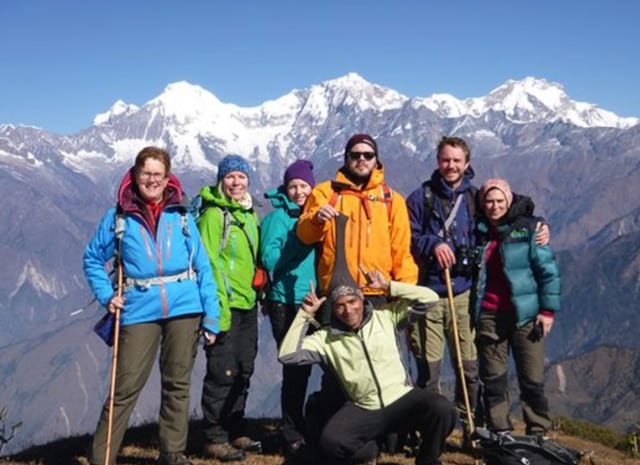
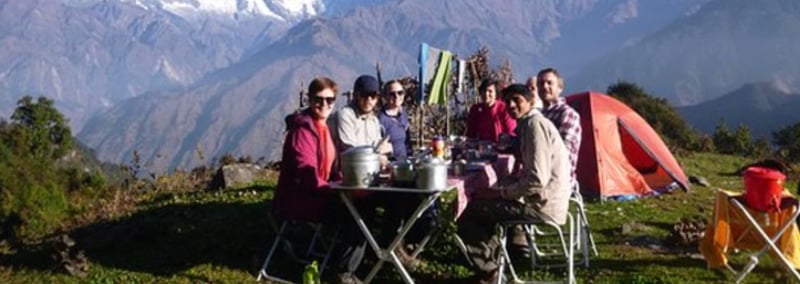
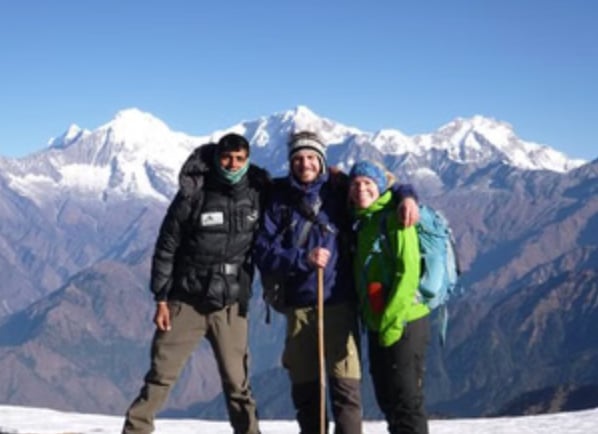
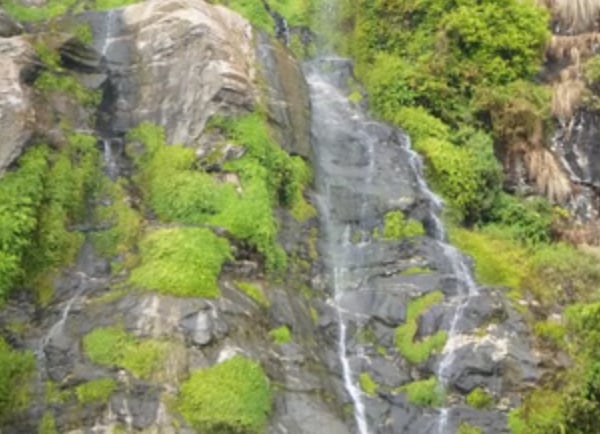
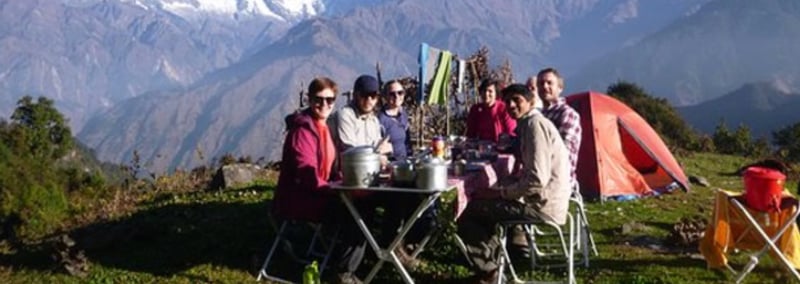
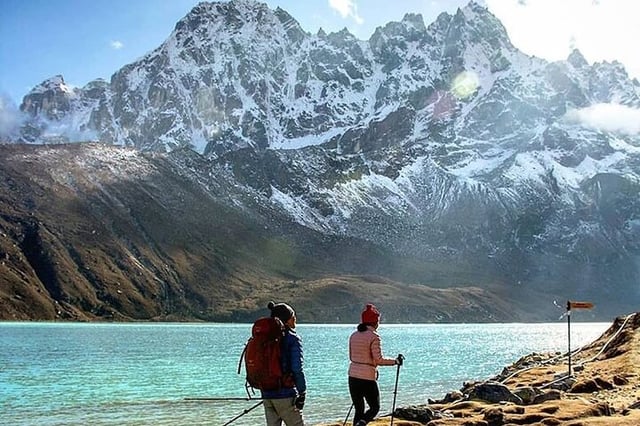
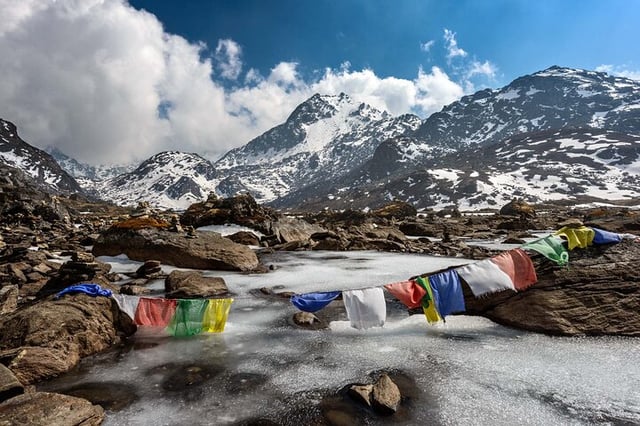
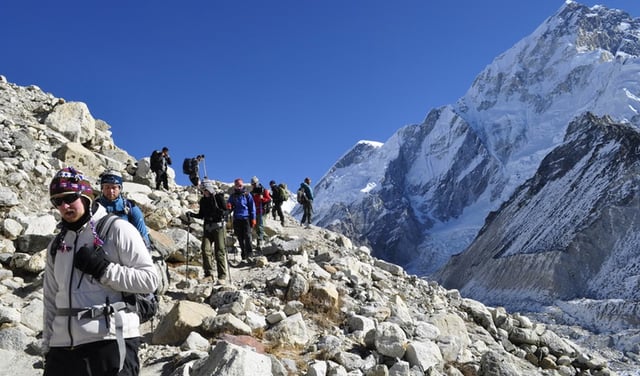
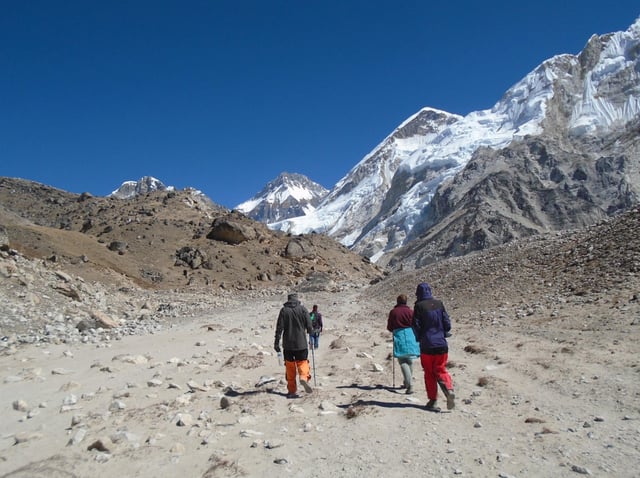
This remote camping trek explores one of Nepal’s least-visited Himalayan regions, far from established trekking corridors. The route crosses quiet valleys and high passes, linking small villages where traditional mountain life remains largely unchanged.
Unlike teahouse treks, this journey is fully supported with tented camps and local homestays, offering a deeper level of isolation, cultural contact, and expedition-style travel without technical climbing.
This trek follows quiet ridge lines and forested valleys beneath the Ganesh Himal range, an area rarely visited by international trekkers. Days are spent walking between small settlements, grazing pastures, and alpine meadows, with nights in fully serviced camps or hosted by local families.
The lack of roads, lodges, and crowds creates a very different rhythm to popular Nepal treks. Daily life revolves around the camp, shared meals, and the landscape itself. Several days include meaningful interaction with village communities, and there is an opportunity to learn about local development initiatives taking place in the region.
Ganesh Himal lies between the Langtang and Manaslu regions, north of Kathmandu, forming a quiet frontier rarely included in mainstream trekking itineraries. The area is characterised by steep river valleys, dense forest, and high ridgelines with limited access.
Because there are no trekking lodges along most of the route, the region remains largely untouched by tourism infrastructure. This isolation preserves both the landscape and the cultural integrity of the communities encountered along the way.
This trek is best suited to trekkers with prior multi-day hiking experience. You should be comfortable walking for several consecutive days, carrying a daypack, and living in basic camping conditions without daily access to showers or electricity.
While no technical skills are required, the remoteness of the route means good physical preparation, adaptability, and a willingness to follow expedition routines are essential. This trek is not recommended as a first Himalayan experience.
All major camping equipment is provided, including tents, sleeping mats, kitchen setup, and dining shelter. You are responsible for personal clothing and trekking gear.
You will need layered mountain clothing suitable for warm valleys and cold high passes, broken-in trekking boots, waterproofs, a warm insulated jacket, gloves, hat, headtorch, personal toiletries, sun protection, and personal medication. A detailed kit checklist should be reviewed before travel.
This route offers genuine remoteness at a time when many Himalayan trails are increasingly busy. Travelling by tent allows access to areas where teahouse trekking is not possible, creating a more immersive and flexible journey.
The inclusion of homestays and community engagement days adds depth beyond the walking itself, giving insight into rural Nepal and the realities of mountain life in lesser-known regions.
✔ Award-Winning Expertise
More than 2 decades of experience and a trusted trusted company with accolades for exceptional services.
✔ Local Culture & Eco Values
Experience authentic Nepal while supporting environmental sustainability and local traditions.
✔ Sustainable Development
Committed to fostering responsible tourism with a focus on long-term growth and originality.
✔ Premium Services
We offer the best in comfort, safety, and quality for every travel adventure.
✔ Best Price Guarantee
Enjoy top-notch experiences at the most competitive prices in the industry.
Cultural visits and final trek preparation.
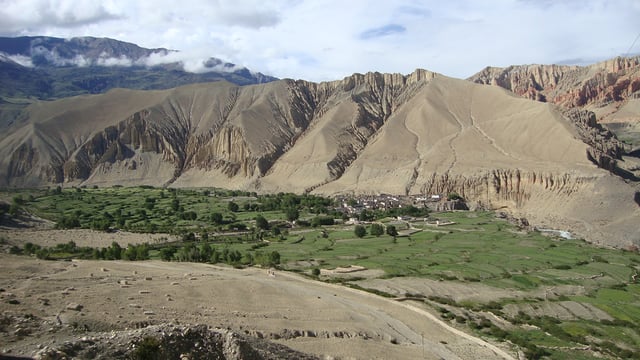
Walk through terraced hillsides and farming villages.
Arrival in riverside communities.
Stay with a local family, explore village life, optional involvement in local projects.
Hidden neighbourhoods, markets, and historic squares.
This is primarily a camping-based trek. Most nights are spent in fully supported tented camps because there are no lodges or hotels along much of the route. Camping equipment, staff, and meals are all provided.
On a few nights, accommodation is arranged in local homes or basic lodges where available. These stays offer valuable insight into daily life in remote Himalayan villages and break up the camping experience.
The trek is physically moderate but mentally and logistically demanding due to its remoteness. Daily walking hours are manageable, but the cumulative effort over 15 days requires good endurance.
There are no technical climbing sections, but the lack of infrastructure means fewer comforts and longer recovery times. Prior multi-day trekking experience is strongly recommended.
Previous expedition or camping experience is helpful but not essential. All camp logistics, cooking, and equipment setup are handled by the crew.
However, you should be comfortable sleeping in tents, following a structured routine, and adapting to basic facilities for extended periods.
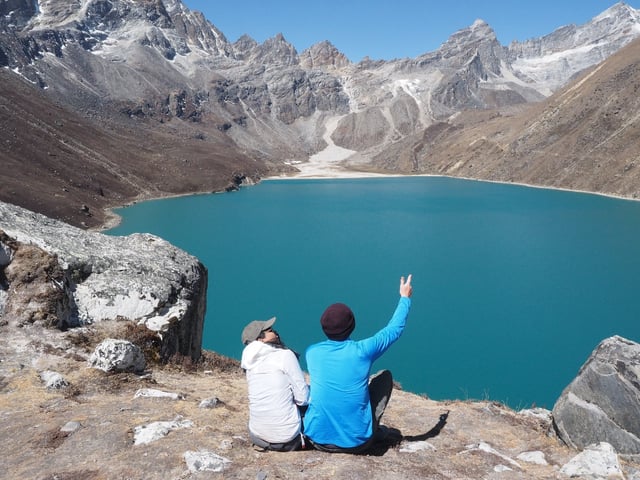
The route includes forest trails, ridgelines, alpine meadows, river valleys, and a high mountain pass. Trails are often narrow and rarely maintained due to low foot traffic.
Expect varied terrain rather than long stone staircases or engineered paths found on popular trekking routes.
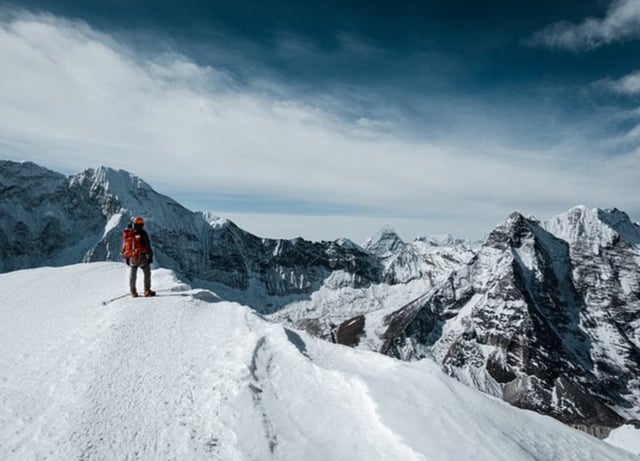
The highest point is Shing La Pass at approximately 3,660 metres. This is crossed gradually, allowing for natural acclimatisation.
Although the altitude is lower than Everest-region treks, the pass is remote, and weather conditions can change quickly.
All meals are freshly prepared by the trekking cook using a mobile kitchen setup. Meals are hot, filling, and designed to support long trekking days.
Dietary requirements such as vegetarian or vegan can usually be accommodated with advance notice, though choice is naturally more limited in remote areas.
This is not recommended as a first trek in Nepal. The remoteness, camping style, and limited evacuation options make it better suited to experienced trekkers.
If you are new to Himalayan trekking, a teahouse-based trek such as Annapurna or Langtang would be more appropriate preparation.
Guides carry a comprehensive first aid kit, and staff are trained to recognise altitude-related and general trekking illnesses.
Due to the isolation of the region, evacuation can take time. Personal travel insurance covering helicopter rescue is mandatory.
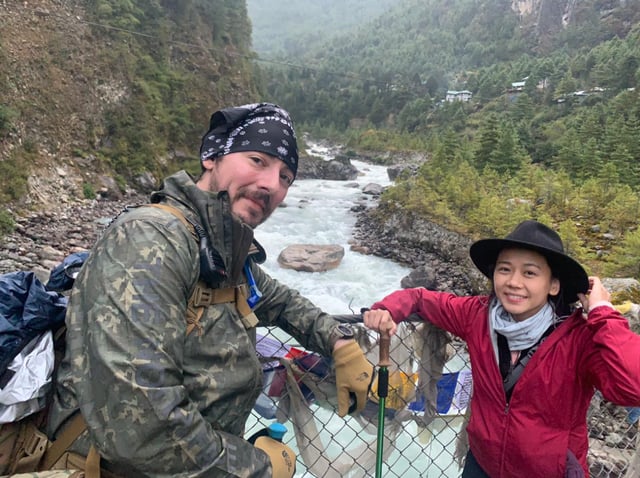
The trek passes through villages rarely visited by tourists, offering authentic interaction with local communities. Homestay nights allow insight into daily life, farming practices, and traditions.
There is also an opportunity to learn about community development initiatives operating in the region.
The best seasons are spring (March–May) and autumn (September–November), when weather conditions are most stable and visibility is good.
Winter brings cold nights at higher elevations, while summer monsoon months increase the likelihood of rain and difficult trail conditions.
About the centre
Thamel Marg, Kathmandu
Operated by Mountain Delights Treks & Expedition, a partner of adventuro.
Arunachal Himalaya (Tawang & Siang Region), Nepal
From $1450
Bagmati Province, Nepal
From $2500
Bagmati Province, Nepal
From $1358