We partner with Rewilding Britain to help protect our natural spaces for future adventures.
All centres are vetted for safety and quality. Your adventure is in good hands with adventuro.
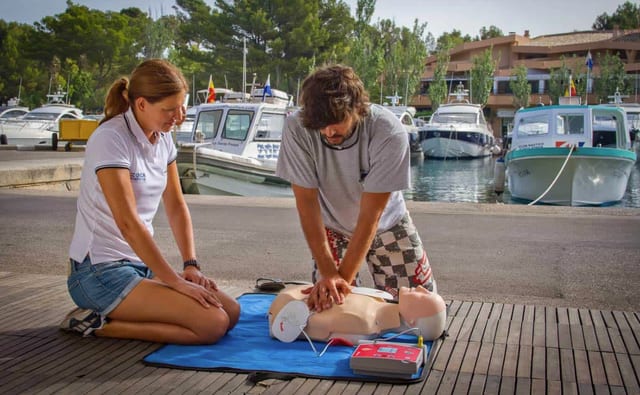
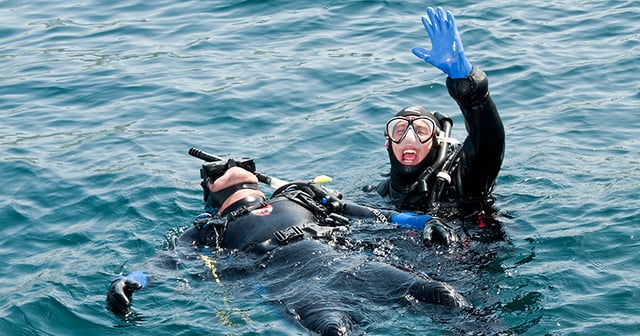
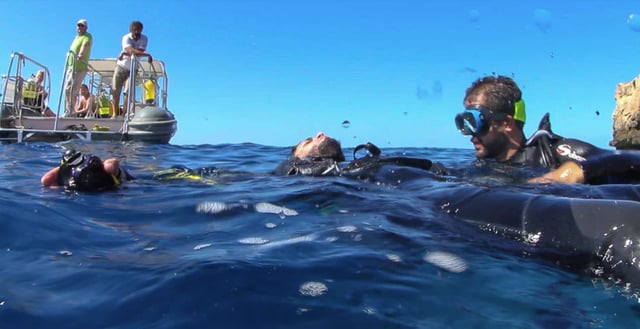
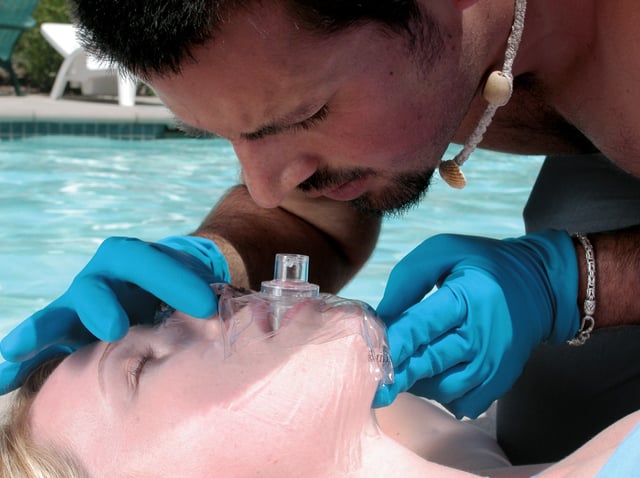
Knowing how to respond during a medical emergency can make a significant difference while waiting for professional help to arrive. This internationally recognised Emergency First Response course teaches practical first aid and CPR skills in a supportive environment, helping participants develop the confidence to assist others when it matters most.
Rather than focusing on diving skills, this course concentrates on emergency care techniques that can be applied in everyday situations. Training is delivered through a combination of self-study materials, instructor-led sessions, demonstrations, and practical exercises designed to build confidence and familiarity with emergency response procedures.
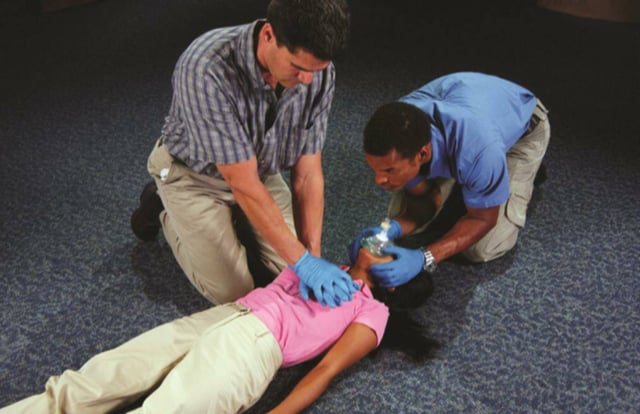
During the Primary Care section, participants learn how to respond to life-threatening situations. Topics include CPR, managing unconscious patients, severe bleeding control, shock recognition, spinal injury awareness, and ongoing patient monitoring. Practical exercises allow participants to practise these techniques repeatedly in a relaxed learning environment.
The Secondary Care section introduces first aid procedures for injuries and illnesses that may not be immediately life-threatening but still require attention. You'll learn how to assess a situation, reduce discomfort, minimise further injury, apply bandages, and assist casualties until professional medical support becomes available. By the end of the course, participants leave with practical skills that can be applied both within diving environments and everyday life.
Based on Mallorca's southwest coast, Santa Ponça provides a convenient and accessible setting for training courses throughout the year. Modern teaching facilities and dedicated learning spaces allow participants to focus on developing new skills in a comfortable environment.
Outside the classroom, the area offers beaches, cafés, restaurants, and coastal walks, making it a pleasant destination for visitors combining training with time on the island. Its location also provides easy access from many of Mallorca's popular holiday resorts.
No previous first aid, CPR, or diving experience is required to join the course. The programme is suitable for complete beginners as well as divers seeking to meet certification requirements for further training.
Participants should be willing to take part in practical exercises and simulated emergency scenarios as part of the learning process.
Responding effectively during an emergency requires more than simply memorising procedures. The training focuses on developing confidence through hands-on practice, helping participants feel comfortable applying their skills in real-world situations.
Experienced instructors, recognised training standards, and practical teaching methods create an engaging learning environment. Whether you're progressing towards Rescue Diver certification or simply want valuable life-saving skills, the course provides knowledge that can be useful both in and out of the water.
The course is designed for anyone who wants to learn first aid and CPR skills, regardless of previous experience.
Divers often take the programme to meet prerequisites for advanced certifications, but it is equally valuable for parents, teachers, sports participants, outdoor enthusiasts, and anyone who wishes to be prepared for emergencies.
No. The course is open to both divers and non-divers.
Although it forms part of many diver training pathways, the skills taught are applicable in everyday life and can be used in a wide variety of situations beyond diving.
Primary Care focuses on life-threatening emergencies where immediate action may be required to preserve life.
Secondary Care covers non-life-threatening injuries and illnesses, teaching participants how to provide assistance, reduce discomfort, and prevent conditions from worsening until professional help becomes available.
Yes. CPR forms a major part of the Primary Care component of the course.
Participants learn the correct procedures, practise the techniques, and develop the confidence needed to respond effectively if someone stops breathing or loses consciousness.
Yes. Practical exercises are an important part of the learning process.
Rather than relying solely on theory, participants repeatedly practise emergency response techniques through realistic scenarios and guided instruction.
Many organisations recommend refreshing CPR and first aid skills regularly to maintain confidence and stay up to date with current best practices.
For divers progressing through advanced training programmes, proof of recent CPR and first aid training may be required depending on certification standards.
Yes. The Emergency First Response certification meets the first aid and CPR training requirements needed for the Rescue Diver course and many professional-level diving programmes.
It is often completed by divers who are continuing their education beyond the Advanced Open Water level.
The course focuses heavily on understanding and applying practical skills.
Learning materials and instructor guidance support the training process, ensuring participants understand the principles behind the techniques they are practising.
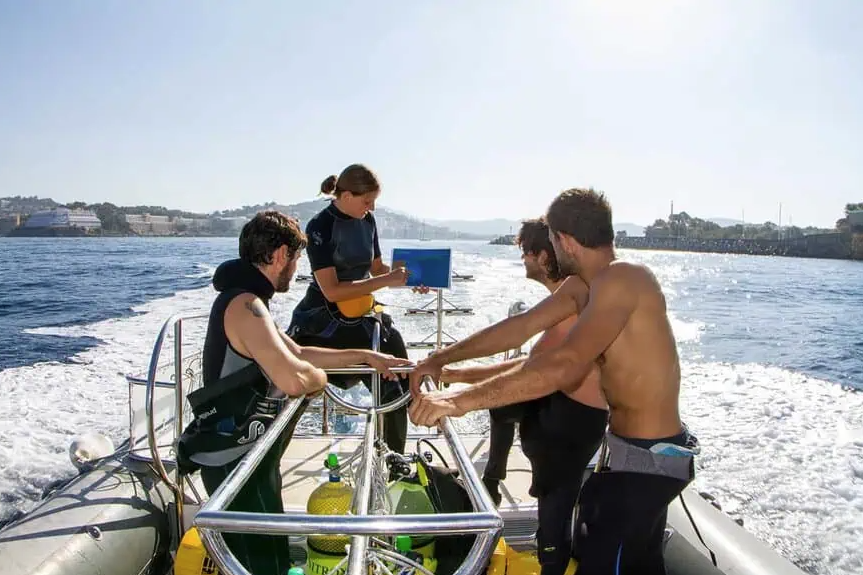
About the centre
Santa Ponça
Operated by ZOEA Mallorca, a partner of adventuro.
Surrey, East and West Sussex, United Kingdom
From £200
Surrey, East and West Sussex, United Kingdom
From £139