We partner with Rewilding Britain to help protect our natural spaces for future adventures.
All centres are vetted for safety and quality. Your adventure is in good hands with adventuro.
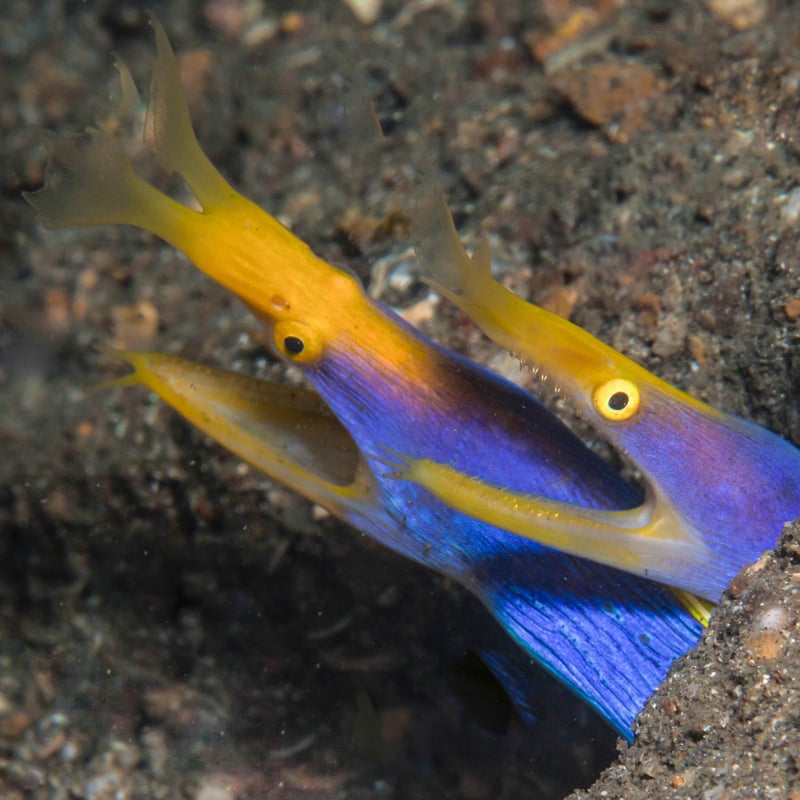
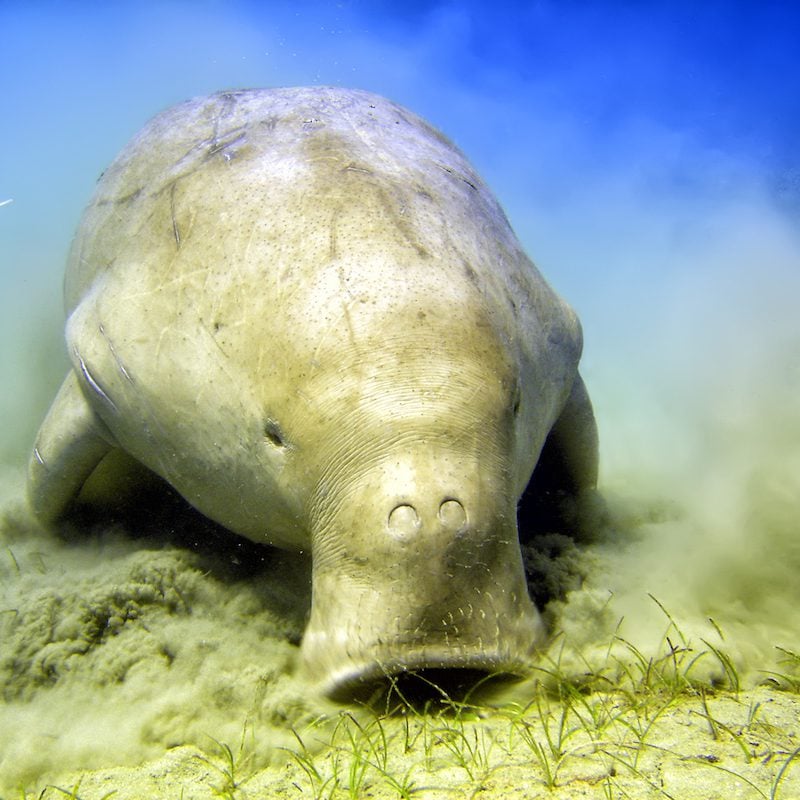
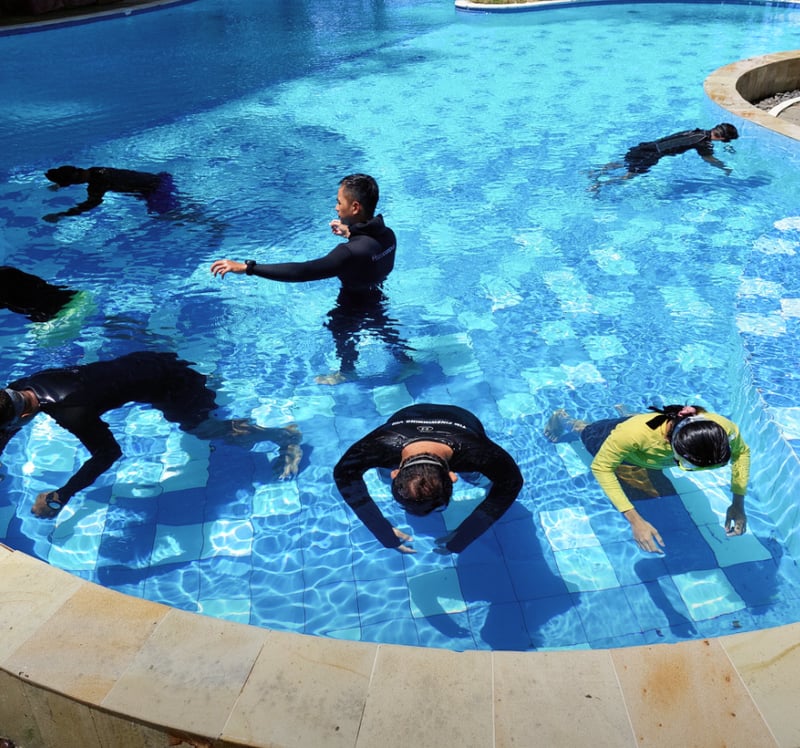
A course designed for divers who have some freediving experience and want to expand their skills with structured training. It includes both theoretical lessons and practical sessions in confined water and the ocean, allowing you to refine breath-hold techniques and safety practices. Training takes place in the beautiful marine environments around North Sulawesi.
The course starts with theoretical sessions that cover freediving physiology, breathing cycles, equalisation methods, and the principles of safety in freediving. You will learn about equipment and different freediving disciplines, preparing you for in-water practice. Theory is delivered in a clear, approachable style to build your understanding and confidence.
Practical sessions begin in a controlled swimming pool environment where you focus on static and dynamic apnoea exercises. This includes relaxation drills, finning technique refinement, and pool safety skills. Pool training allows for close instructor supervision and precise technique correction.
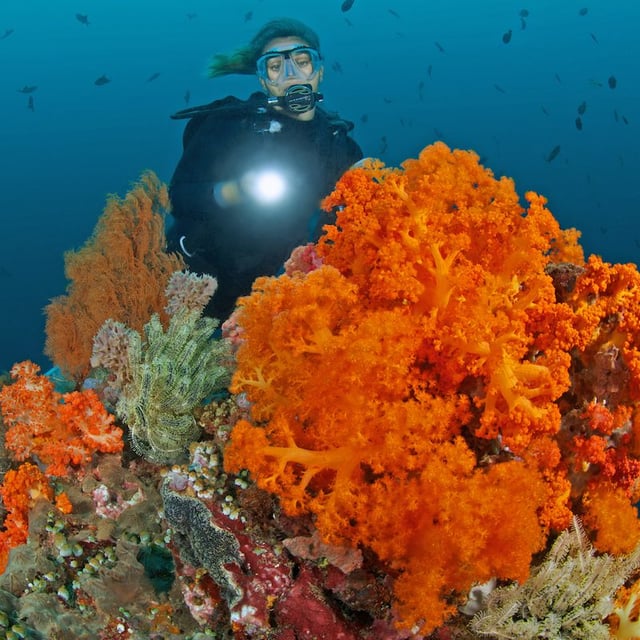
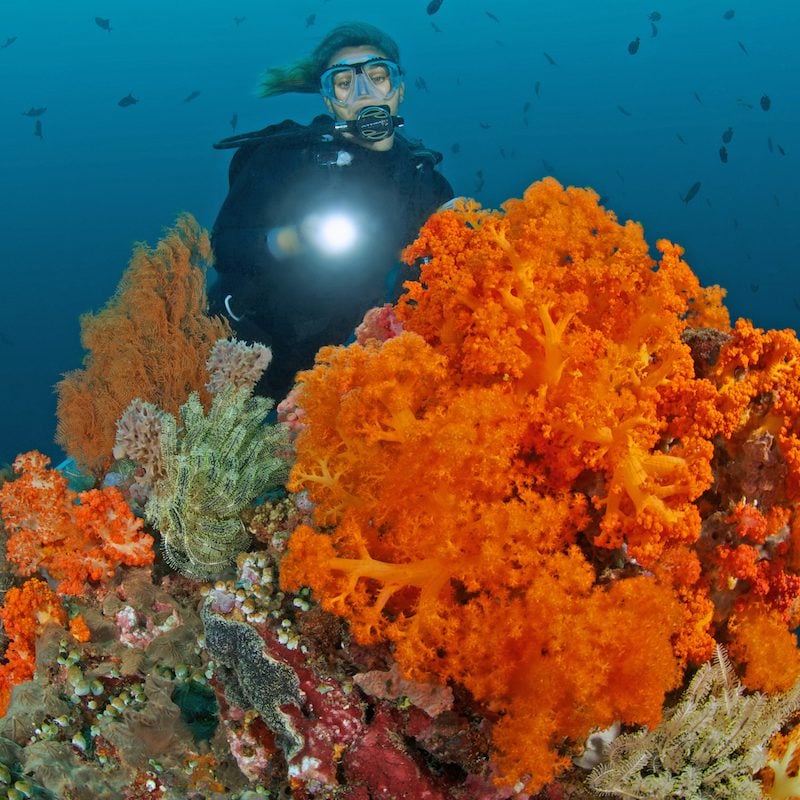
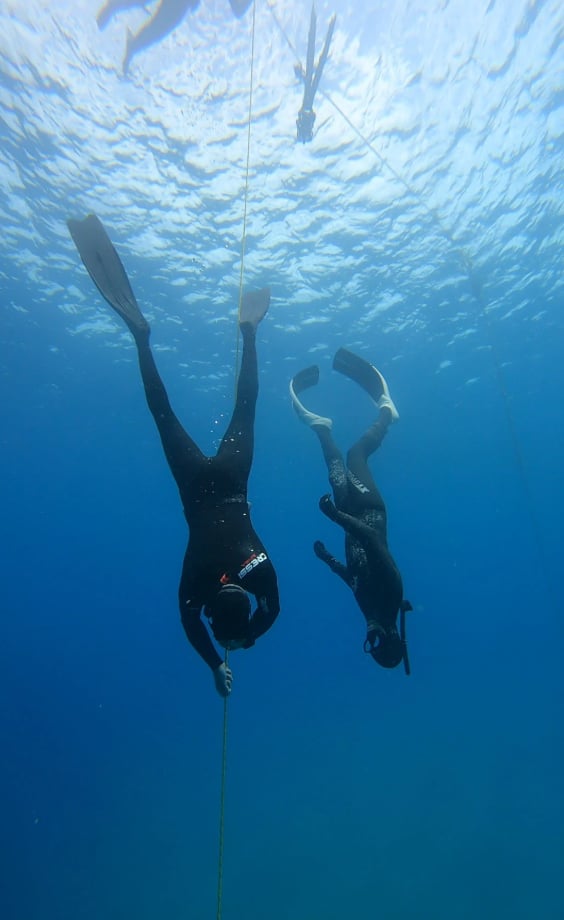
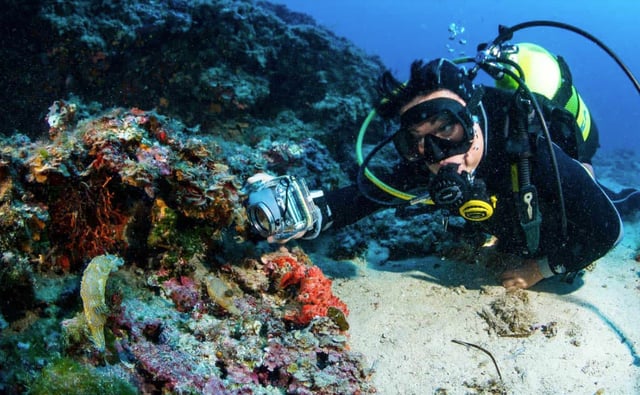
Open water sessions take place at selected sites around Manado Bay or nearby marine parks. Here you apply your pool training in a real-world setting, practising vertical diving, equalising, and body positioning amid diverse coral reefs and marine life. Instructors maintain a close buddy system to ensure safety and maximise learning during these ocean dives.
Training takes place at the main base in Manado with easy access to calm, clear swimming pools and protected ocean dive sites. North Sulawesi offers warm water temperatures and exceptional visibility, providing an ideal environment for both pool and ocean freediving.
Nearby dive spots like Bunaken Marine Park and Manado Bay offer varied underwater terrain including coral reefs, drop-offs, and sandy slopes, enriching the open water experience with abundant marine biodiversity.
Candidates must be 18 or older and able to swim at least 200 metres continuously. Previous experience equivalent to AIDA Level 1 or basic freediving skills is required.
Good physical fitness and health are essential. Any participant with medical concerns should obtain clearance from a qualified health professional before starting the course.
The centre employs experienced, certified AIDA instructors who combine professional expertise with a personalised approach to help you improve safely.
Facilities include access to quality pools and protected dive sites that provide optimal training conditions. Supportive coaching encourages steady progress and confidence in freediving skills.
This course aims to develop your freediving ability beyond the beginner level by introducing advanced techniques in both pool and open water. You will learn to manage longer breath-holds and improve your diving depth safely.
Another focus is on mastering the essential safety and rescue skills necessary for more challenging freediving situations. The course balances skill development with safety education.
Initial training takes place in a controlled pool environment to build confidence and control with static and dynamic apnoea exercises. This environment allows precise feedback from instructors and reduces environmental variables.
Subsequently, you will transfer these skills to open water settings where real freediving conditions such as currents and marine life are present. This staged approach ensures a gradual and safe progression.
Swimming 200 metres non-stop is required to ensure you have the stamina and comfort in the water needed for prolonged breath-hold exercises.
The course also demands focus on breath control, relaxation, and the ability to manage mental and physical stress during dives. Good cardiovascular and respiratory health are crucial.
A strict buddy system is always maintained, with continuous surface supervision by certified instructors. Safety protocols include minimum surface intervals and emergency response readiness.
Training also includes learning self-rescue and partner rescue techniques to prepare you for potential incidents during freediving.
After gaining certification, you will have the skills to freedive more confidently but should always dive with a buddy and within your limits.
The course provides a foundation for safe recreational freediving and enables you to take further training or join guided freediving trips.
All necessary equipment including wetsuit, fins, mask, snorkel, and weight belt will be provided. Gear is selected for optimal safety and performance.
You may bring your own equipment if preferred, with instructors available to offer advice on gear suitability and fit.
Yes, a theoretical exam covers the knowledge areas of physiology, safety, equipment, and freediving disciplines taught during the course.
Practical assessments include demonstrating breath-hold, equalisation, and diving skills both in pool and ocean conditions.
Building cardiovascular fitness and practicing swimming will help meet the physical demands. Basic breathing exercises can aid mental preparation.
Mental calmness and focus are emphasised in training, so mindfulness or relaxation techniques prior to the course can be beneficial.
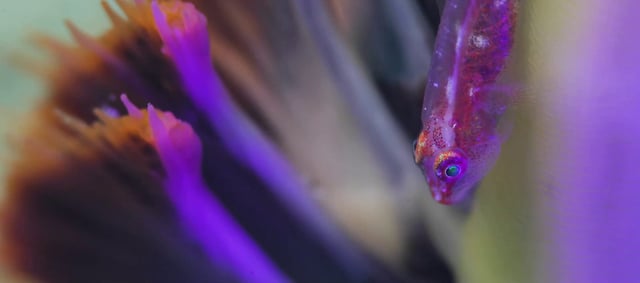
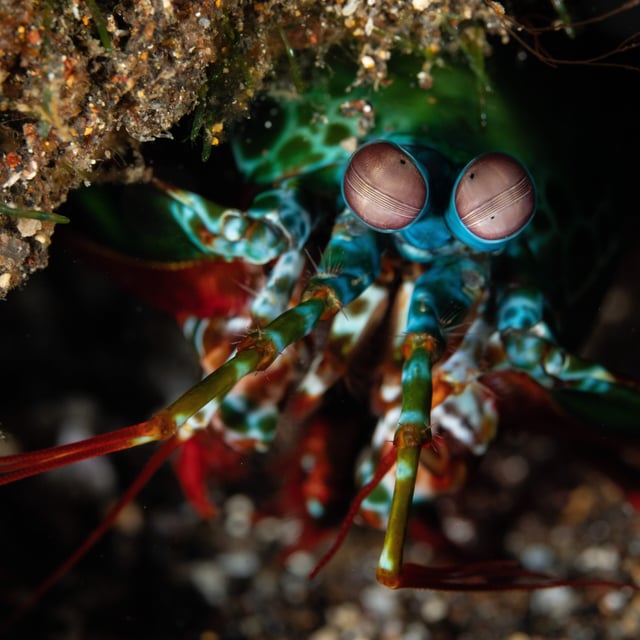
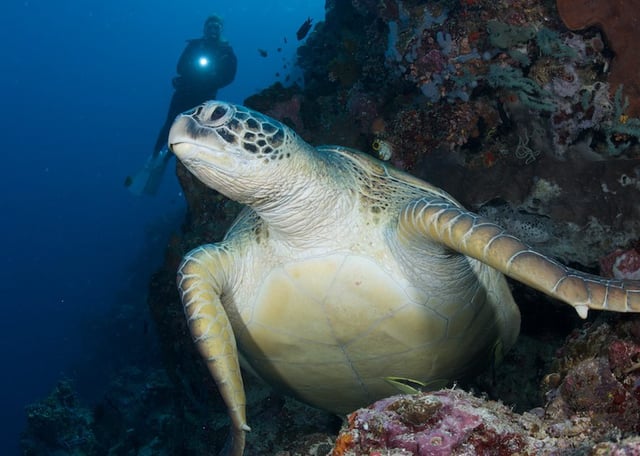
Yes, open water training sites are located in rich marine protected areas with abundant coral reefs and marine life.
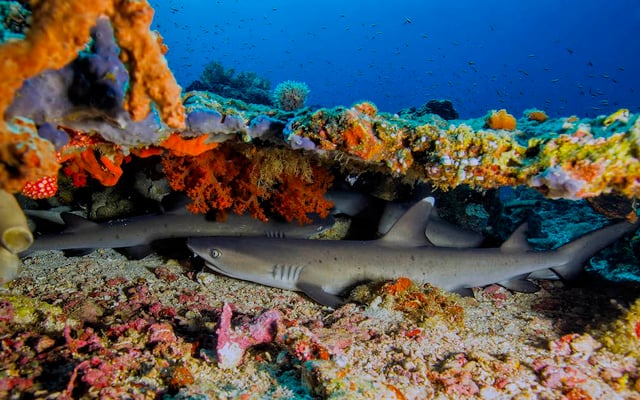
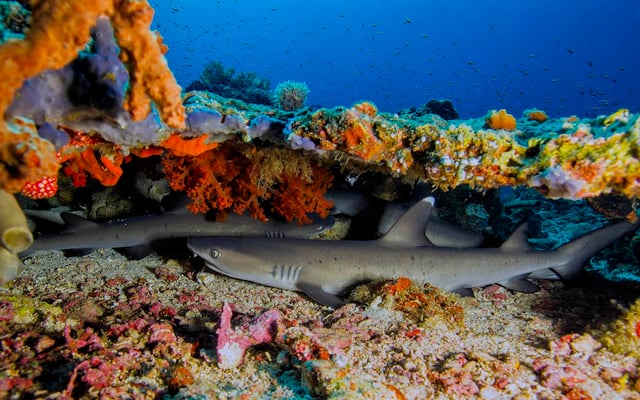
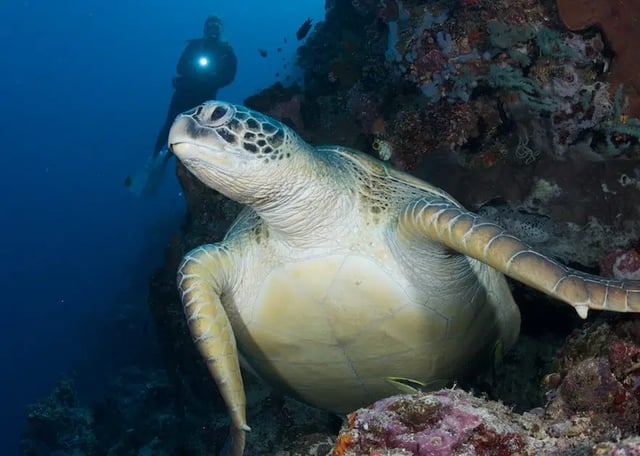
Participants often encounter turtles, reef sharks, and colourful fish, making the experience both educational and visually rewarding.
Accommodation is not included in the course fee, but there are convenient options available nearby. Many participants choose to stay at the Manado or Bangka centres, both of which offer comfortable rooms, on-site dining, and easy access to the training facilities.
These resorts are well-suited for freedivers, with access to house reefs, gear storage, and flexible scheduling to align with your course sessions. If you’re staying at one of these resorts, the freediving team can coordinate directly with your schedule to ensure a smooth experience.
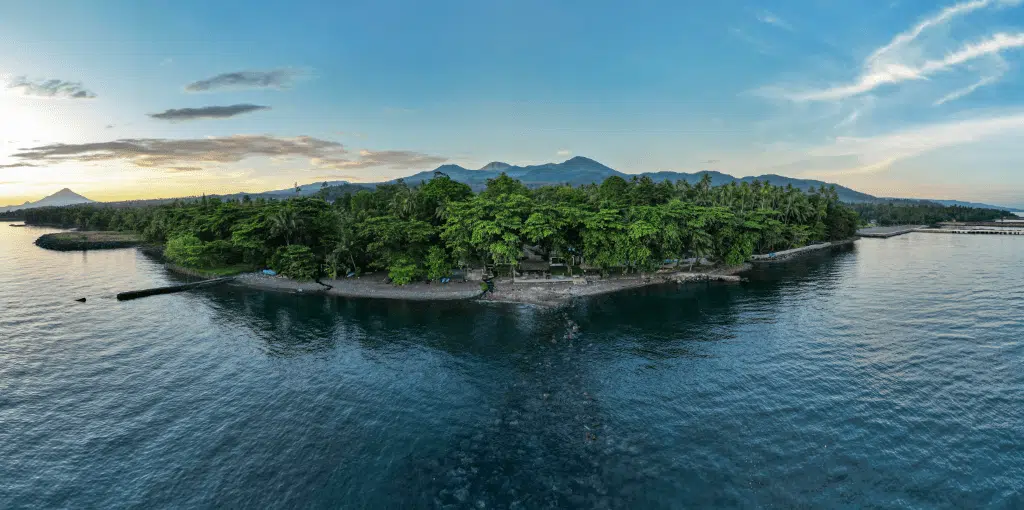
About the centre
Minahasa Regency, North Sulawesi
Operated by Murex Resorts, a partner of adventuro.
Berkshire, Buckinghamshire and Oxfordshire, United Kingdom
From £400
Berkshire, Buckinghamshire and Oxfordshire, United Kingdom
From £330


North Sulawesi, Indonesia
From $3794