We partner with Rewilding Britain to help protect our natural spaces for future adventures.
All centres are vetted for safety and quality. Your adventure is in good hands with adventuro.
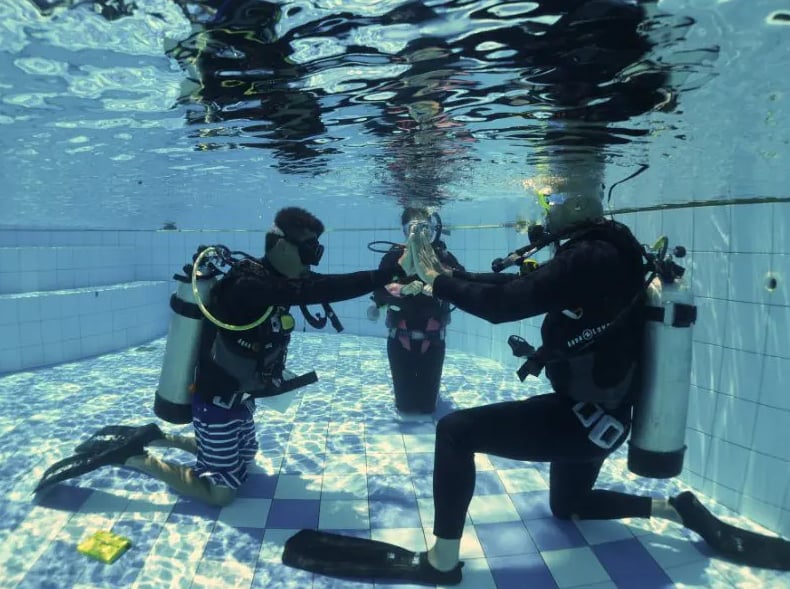
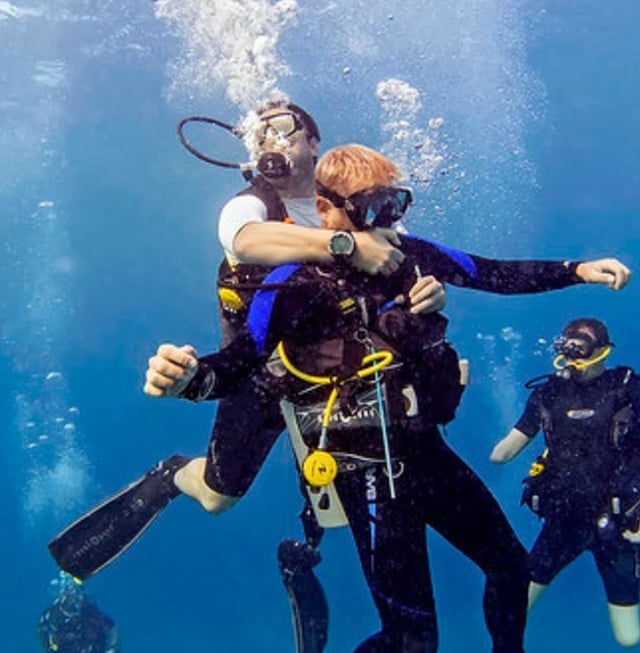
The Rescue Diver course helps you develop the skills needed to manage diving emergencies and prevent accidents. Over two days, you will gain confidence in handling rescue situations and improve your buddy system techniques. This course is widely regarded as both challenging and rewarding for advancing your diving experience.
During the course, you will practise rescue and emergency management skills in both a controlled pool environment and open water. You will learn how to identify potential problems early and react appropriately to assist yourself and other divers. The training emphasises prevention as much as response, teaching you to minimise risks before they become emergencies.
You will also work on improving your buddy skills by practising problem solving and rescue techniques until they become instinctive. The course includes practical exercises such as simulated rescues and managing tired or panicked divers, helping you build confidence and composure. Successful completion will leave you better prepared for emergencies and more assured in your diving abilities.
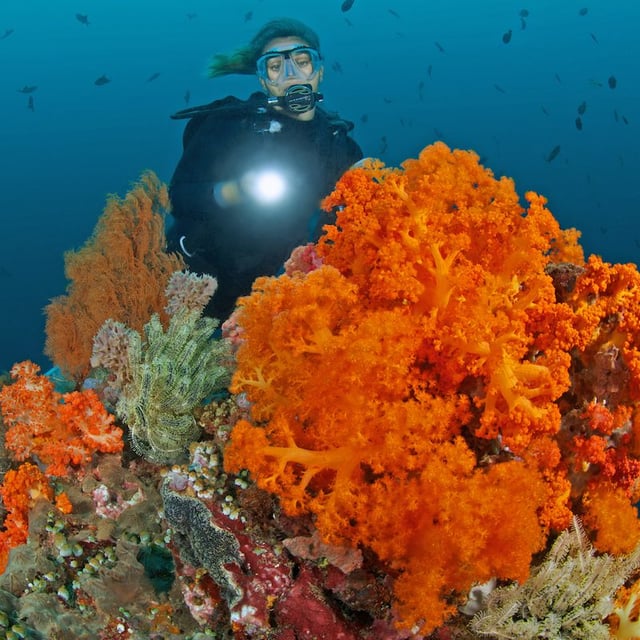
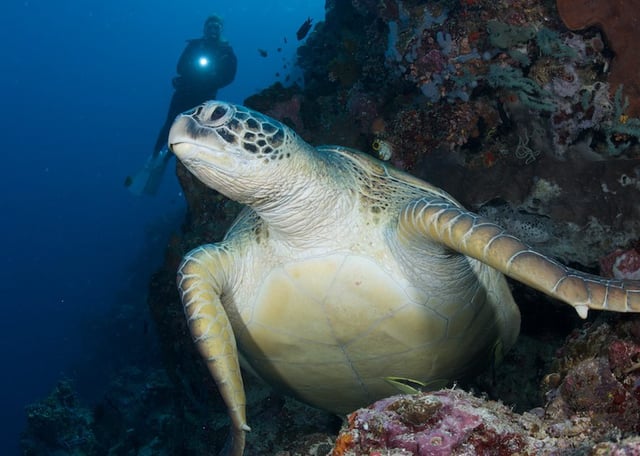
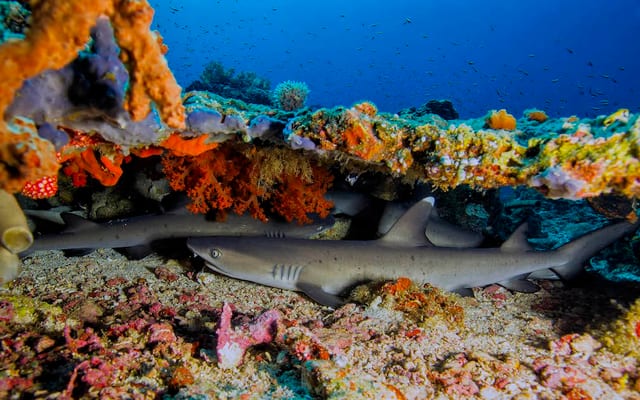
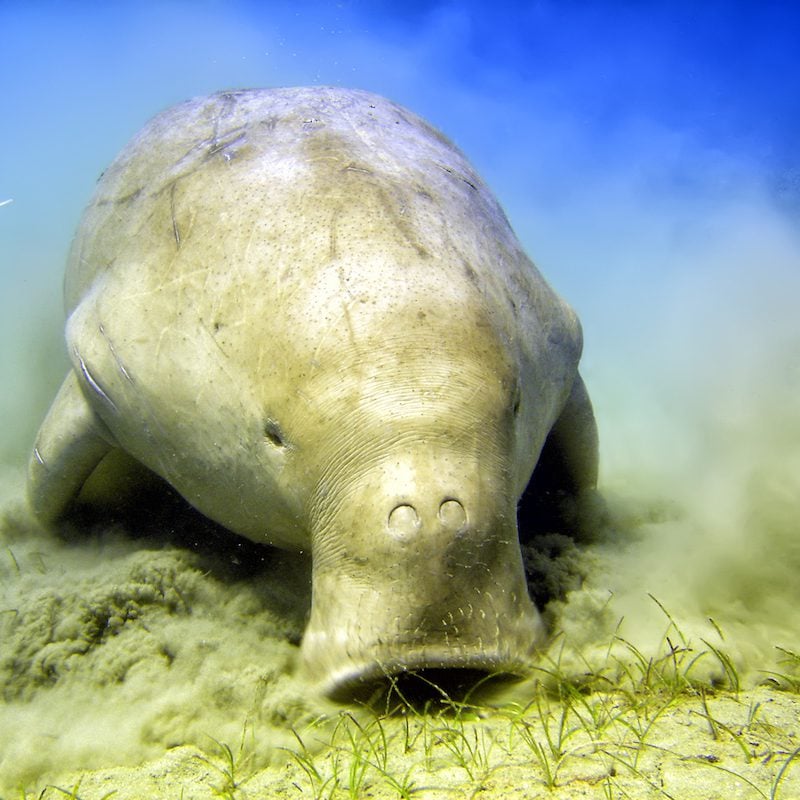
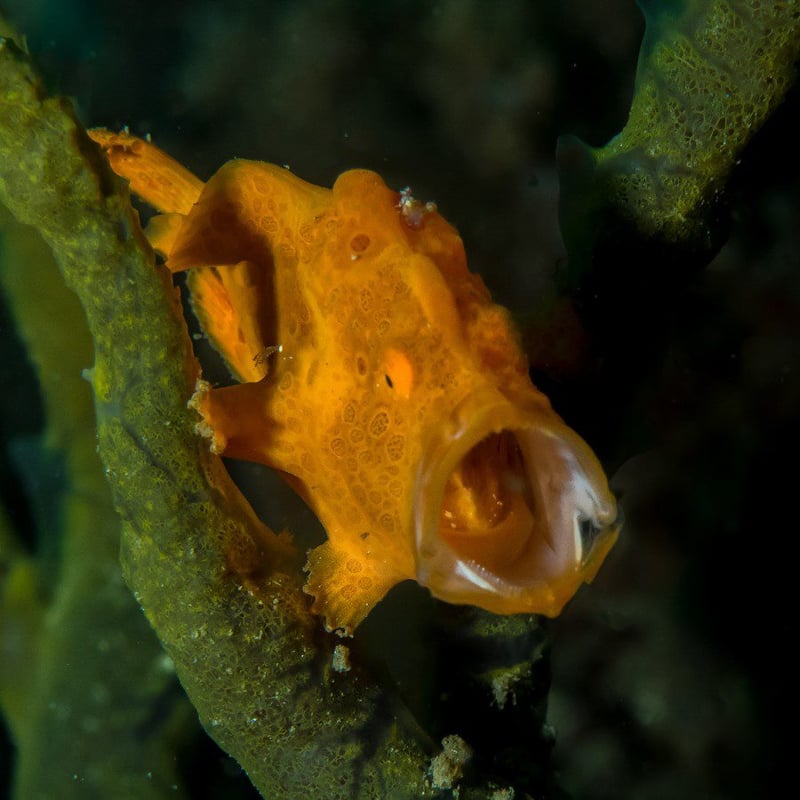
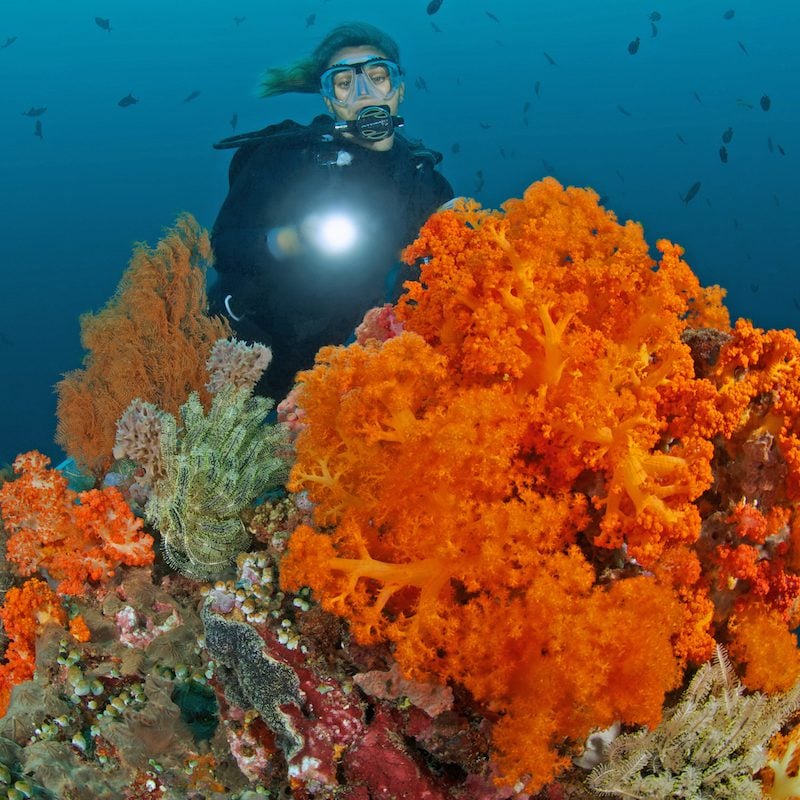
The course takes place in North Sulawesi, Indonesia, a region famous for diverse marine life and clear waters. The Manado resort features a purpose-built 4-metre deep dive training pool used for key skill practice. Open water training dives occur in nearby dive sites around Manado, Bunaken, Bangka, and Lembeh, offering varied environments to apply your skills.
This tropical location provides warm, comfortable water year-round and rich underwater biodiversity. The accessible dive sites make it ideal for rescue training, allowing you to experience realistic conditions in a safe setting.
Participants must have completed the PADI Advanced Open Water course or hold an equivalent certification. You are required to have current Emergency First Response certification or valid First Aid and CPR training completed within the last 24 months. Physical fitness and comfort in the water are essential for safely handling rescue exercises and dives. The minimum age to join the course is 15 years.
The centre is well regarded for its professional, personalised dive training delivered by experienced, bilingual instructors. Safety and quality are prioritised throughout the course, while scheduling is flexible to fit around your holiday plans. Being family-run, the resorts offer attentive support from start to finish, making your learning experience enjoyable and straightforward.
Equipped with excellent facilities, including the dedicated dive training pool in Manado and full equipment hire, the centre ensures you have everything needed to succeed. The combination of expert guidance, top-class resources, and a friendly atmosphere makes this course a valuable step in your diving progression.
To enrol in the Rescue Diver course, you must have completed the PADI Advanced Open Water Diver course or hold an equivalent certification from another recognised agency. This ensures you have enough diving experience and skills to manage more advanced training. Additionally, you need a current Emergency First Response certification or valid First Aid and CPR training completed within the last 24 months.
This prerequisite is essential because the Rescue Diver course builds on both diving and emergency response knowledge. If you don’t have the Emergency First Response certification, it can usually be completed separately either before or alongside the Rescue Diver course. Make sure your certifications are up to date to avoid any delays in your training.
The course involves practical rescue exercises both in the pool and open water, which can be physically demanding. You will be required to perform simulated rescues, carry unconscious divers, and handle stressful situations while remaining calm and efficient. Good physical fitness and swimming ability are important to manage these tasks safely.
Although the course can be challenging, instructors will support you throughout and adjust training to your pace. It’s recommended that you prepare by maintaining a reasonable level of fitness before starting. If you have any health concerns, discuss these with your instructor prior to the course.
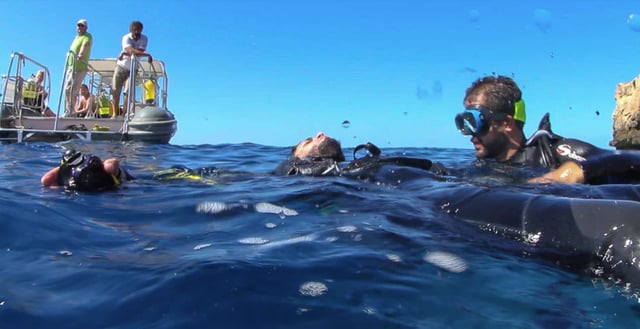
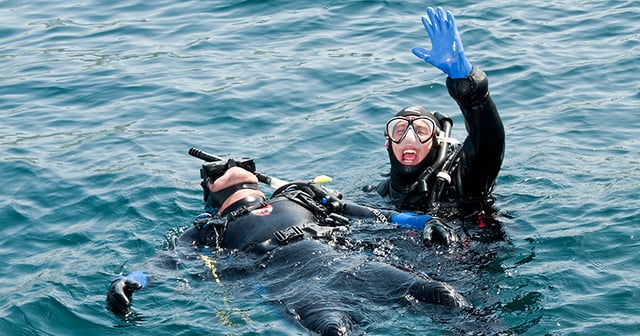
You will work through various rescue techniques, including recognising distressed divers, assisting panicked or unresponsive divers, and towing tired divers to safety. Training also covers self-rescue skills, such as managing your own stress and fatigue underwater. Both pool sessions and open water dives will simulate realistic situations to prepare you for emergencies.
The scenarios are designed to develop problem-solving and decision-making skills in a controlled environment. Practising these responses until they become instinctive is a key part of the course. This approach ensures you can act calmly and effectively should an emergency arise during any dive.
The Rescue Diver course lasts two days and includes pool sessions along with two open water dives. The pool sessions focus on skill development and controlled rescue practice, while the open water dives provide real conditions for applying these skills. Training covers theory, practical exercises, and problem-solving scenarios.
The course is structured to balance learning with hands-on experience. You will receive briefings before each session and debriefs afterwards to consolidate your knowledge. The two-day format is intensive but allows time for reflection and rest between activities.
Yes, a significant benefit of this course is increased confidence underwater. By practising rescue and emergency techniques, you gain greater control over challenging situations and learn to stay calm under pressure. This confidence extends beyond rescue skills to improve your overall diving enjoyment and safety.
Many divers report feeling more secure and self-reliant after completing the course. Knowing how to assist others and handle potential problems allows you to dive with greater peace of mind. The skills you learn also make you a more reliable dive buddy.
For the Rescue Diver course, full dive equipment is required, including a mask, snorkel, fins, buoyancy control device (BCD), regulator, wetsuit, and weights. Equipment rental is available at the resort, and full gear hire is included for beginner courses, while advanced courses offer rental options. It’s advisable to use well-fitting, reliable equipment for comfort and safety.
If you have your own gear, you are welcome to bring it, but it should be checked to ensure it is in good working order. The instructors will provide guidance on equipment setup and use during the course. Proper equipment familiarity is part of the training.
Accommodation is not included as part of the Rescue Diver course package. Participants are responsible for arranging their own lodging during their stay. The dive centres are located near a variety of accommodation options, ranging from budget guesthouses to more comfortable resorts, allowing you to choose what best suits your needs and preferences.
It is recommended to book accommodation in advance, especially during peak seasons, to ensure availability close to the dive centre. Many nearby places offer easy access to the dive sites and training facilities, making it convenient to combine your stay with the course schedule.

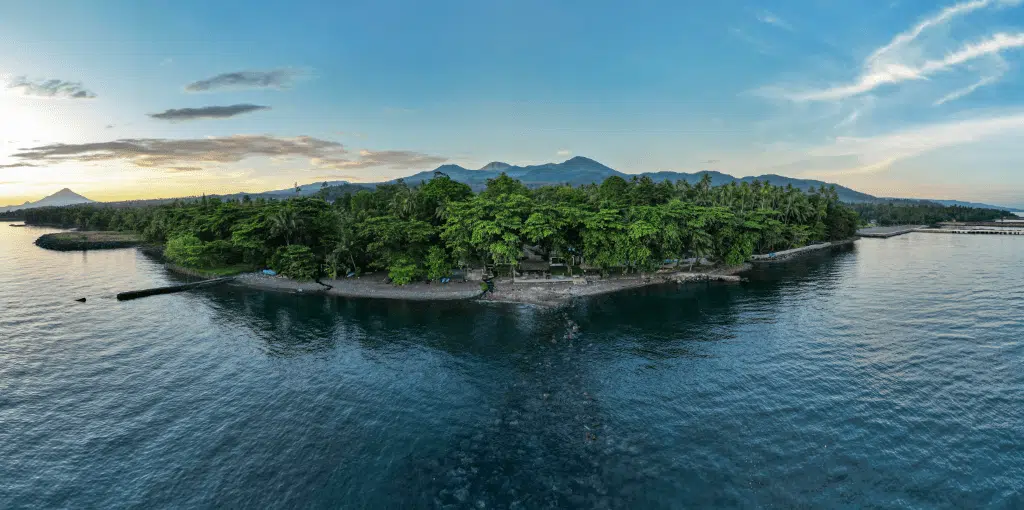
About the centre
Minahasa Regency, North Sulawesi
Operated by Murex Resorts, a partner of adventuro.
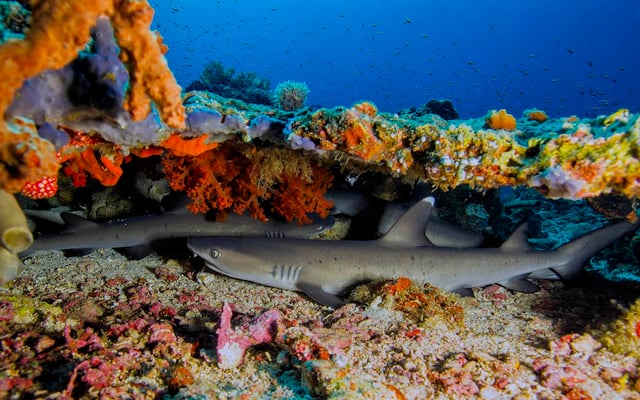
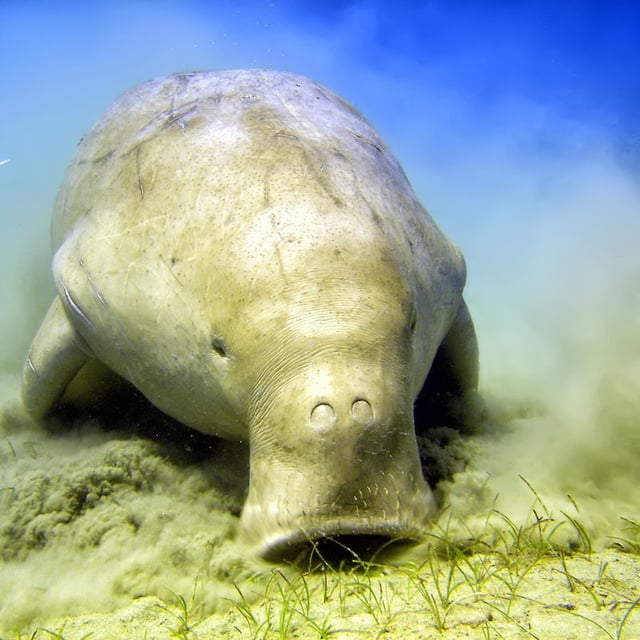

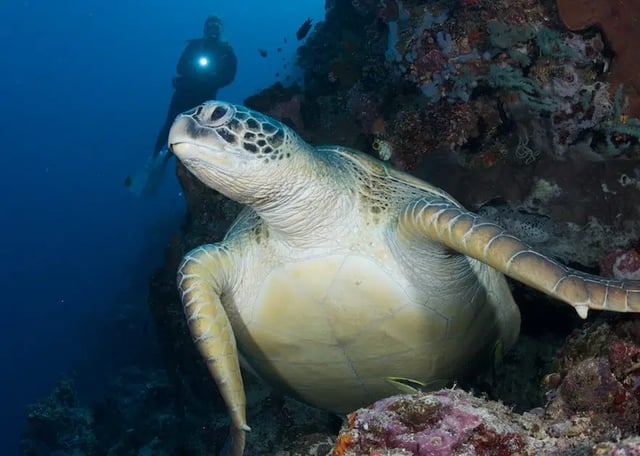
North Sulawesi, Indonesia
From $3794