We partner with Rewilding Britain to help protect our natural spaces for future adventures.
All centres are vetted for safety and quality. Your adventure is in good hands with adventuro.
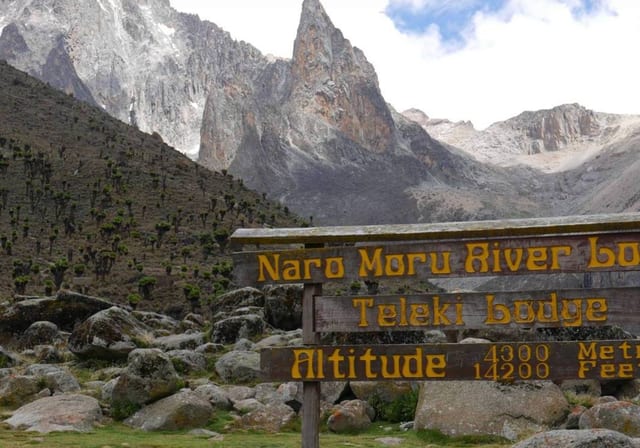
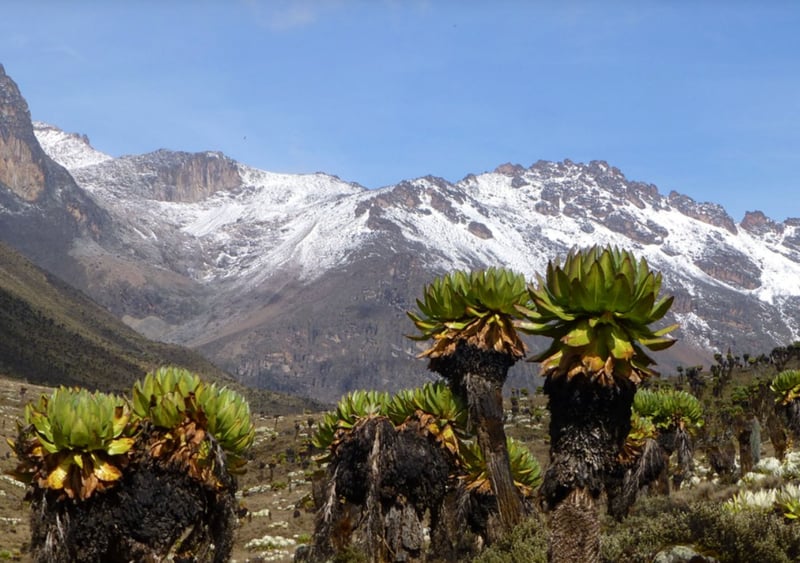
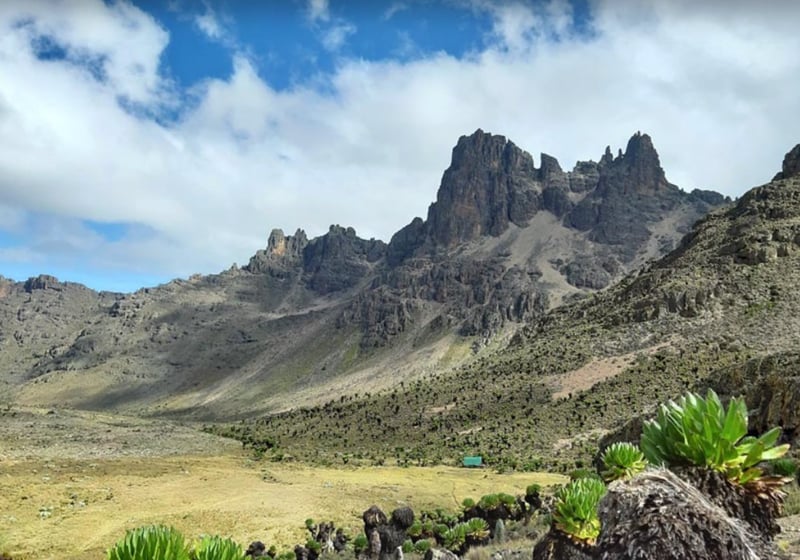
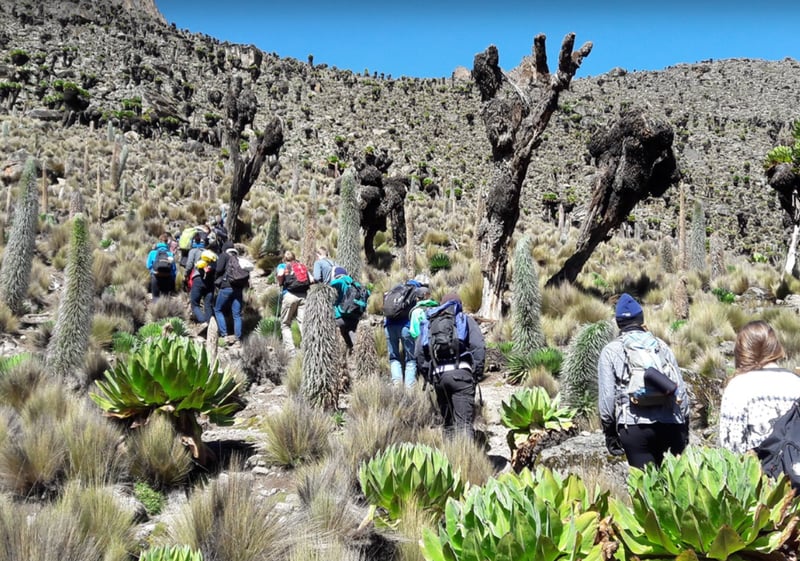
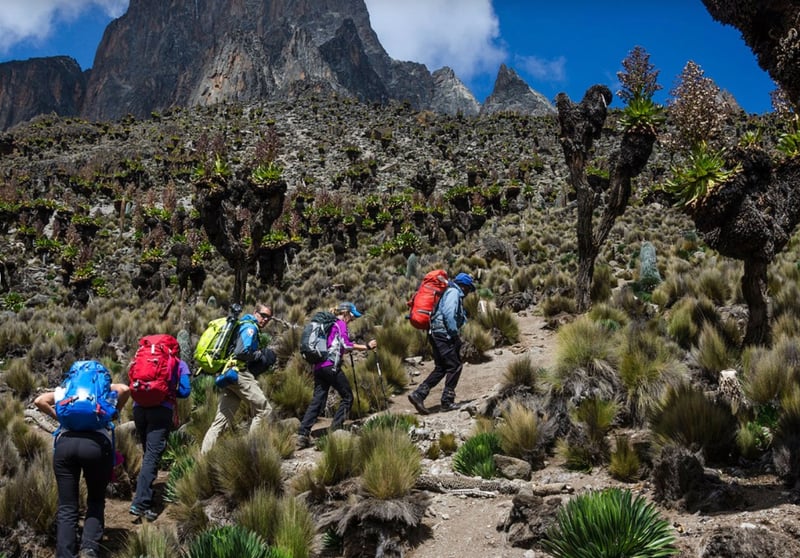
This seven-day itinerary combines the gradual, scenic ascent of the Sirimon side with the fast, direct descent of the Naro Moru route. The combination offers a strong acclimatisation profile on the approach and an efficient exit after the summit attempt. Sirimon provides a drier, more open trail with varied alpine landscapes, while Naro Moru is known for its steep gradients, vertical bog section, and rapid access to lower elevations.
With additional acclimatisation nights built in, this longer schedule suits trekkers seeking a considered progression toward Point Lenana. Professional guides manage the daily pacing and altitude transitions, ensuring each stage is completed safely and comfortably.
Depart Nairobi after breakfast and travel north, crossing the Equator en route to Nanyuki. Arrive in time for lunch and spend the afternoon relaxing and acclimatising. Overnight accommodation provides a comfortable preparation period before entering Mount Kenya National Park.
Spend the morning organising personal equipment. After lunch, drive to the Sirimon Gate and continue to the road head at around 11,000 ft. An easy acclimatisation walk helps prepare the body for the ascent. Dinner and overnight at Judmaier Camp.
After breakfast, follow the Sirimon track upward into the Liki North Valley. This sheltered valley beneath the subsidiary peaks of Teleki and Sendeyo provides a scenic and quieter overnight location. Dinner and overnight at Liki North Valley Camp.
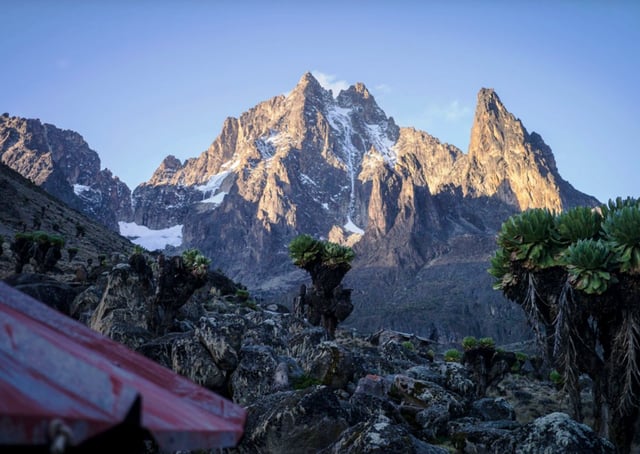
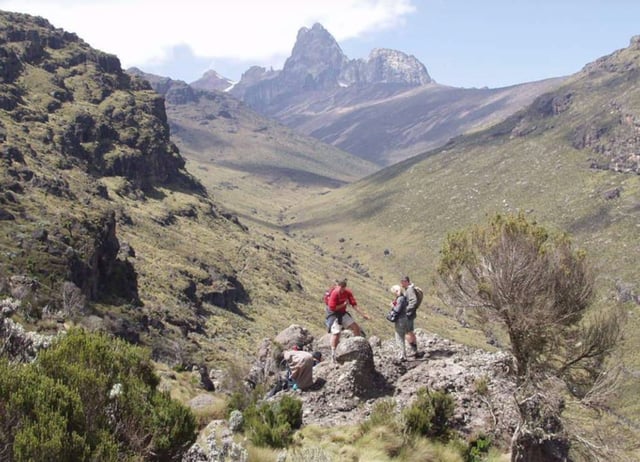
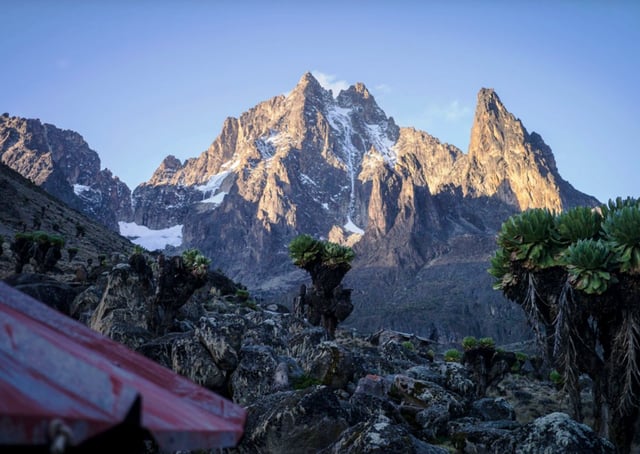
Climb out of the valley and into the expansive Mackinder’s Valley, one of the broadest and most impressive valleys on Mount Kenya. Camp beneath the towering faces of Batian and Nelion, providing an atmospheric high-altitude environment ahead of the summit bid.
Make a pre-dawn start for the ascent of Point Lenana via the lesser-used northern approach. The summit is typically reached after around four hours of steady climbing. After taking in the views, descend to the Teleki Valley on the opposite side of the main peaks. Dinner and overnight in the valley at approximately 13,000 ft.
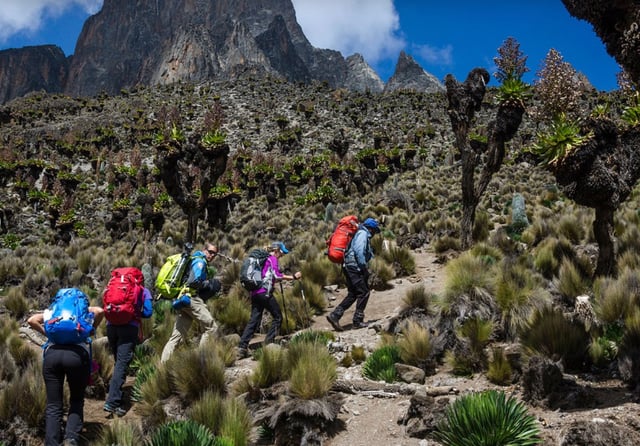
Descend the mountain via the Naro Moru Track, passing through rapidly changing vegetation zones. This route is known for its steep sections and the vertical bog area, which can be challenging in wet conditions. Continue to Met Station (road head) for meals and overnight accommodation.
After breakfast, begin the drive back to Nairobi, usually with lunch en route. Arrival is expected in the afternoon.
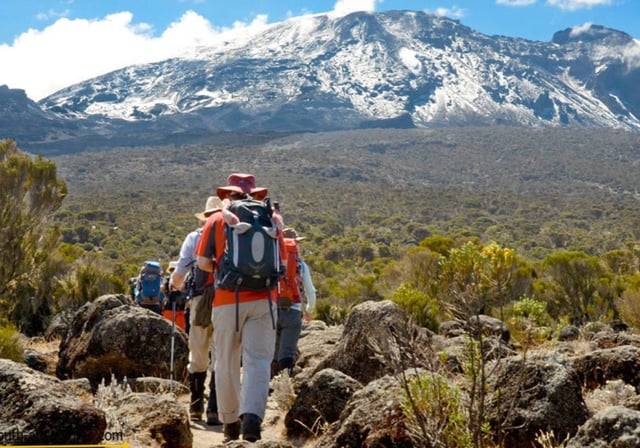
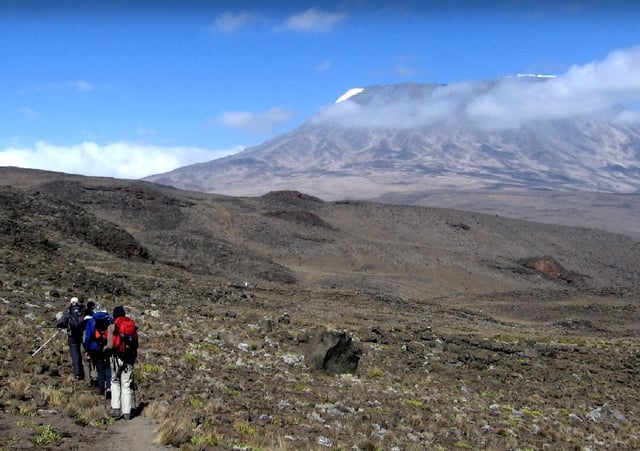
The ascent via Sirimon begins on the mountain’s drier western flank, offering stable trail conditions, wide valleys, and strong acclimatisation opportunities. The route passes through montane forest, heathland, and open alpine environments before approaching the high camps beneath the main peaks.
The descent via Naro Moru provides a rapid transition back to lower altitude. Its steep, direct trail is one of the quickest ways off the mountain, with notable features such as the vertical bog and steep gravel sections. This combination allows trekkers to experience both a scenic, gradual ascent and a fast, efficient descent.
This trek is best suited to participants with good fitness who are prepared for sustained days at altitude. Daily hiking times vary, with summit day requiring early-morning movement in cold conditions and a demanding descent afterward. Prior experience of multi-day trekking is beneficial.
Altitude should be taken seriously, and trekkers must maintain hydration, steady pacing, and consistent nutrition. The seven-day structure provides additional acclimatisation time, but individual responses vary. Guides monitor wellbeing and adjust daily pacing as needed.
Guides on this route have extensive experience with both Sirimon and Naro Moru sides of the mountain, allowing them to manage pacing, acclimatisation, and safety across varied terrain. Their understanding of the summit approach and descent logistics ensures a well-supported climb.
Porters and support staff handle equipment, meal preparation, and camp organisation. All accommodation, park fees, and transfers are arranged in advance, giving trekkers a structured and reliable programme from start to finish.
This traverse offers a gradual ascent via Sirimon and a direct descent via Naro Moru, allowing for a strong acclimatisation profile while maintaining efficiency. Sirimon is scenic and varied, while Naro Moru gets you off the mountain quickly after the summit.
The combination also provides exposure to contrasting terrain, vegetation zones, and landscape features, giving trekkers a fuller understanding of the mountain.
The trek is challenging due to sustained elevation gain and long daily hiking stages. Summit day involves climbing in the early hours and descending onto a different trail system. Participants should have good overall fitness and be comfortable hiking for several hours a day.
The additional acclimatisation nights make the ascent more manageable compared with shorter itineraries.
Accommodation includes a hotel in Nanyuki and huts or designated camps on the mountain. Facilities on Mount Kenya are practical, offering basic shelter suited to high-altitude trekking.
Some camps—such as Judmaier, Mackinder’s, and Teleki Valley—provide particularly atmospheric settings beneath the mountain’s upper peaks.
Trekkers should bring sturdy boots, warm layering for sub-zero temperatures, waterproof clothing, gloves, a headlamp, trekking poles, and a reliable daypack. Summit day requires good insulation and wind protection.
Personal medication, refillable water bottles, and high-energy snacks are recommended additions. Gear hire may be possible in Nanyuki.
Summit day begins before dawn to maximise the chance of good visibility on Point Lenana. The ascent typically takes around four hours and requires steady pacing due to altitude and cold conditions.
After summiting, the descent leads into the Teleki Valley, offering contrasting scenery and a comfortable overnight location at lower altitude.
The Naro Moru side includes steep gravel sections and the well-known vertical bog. These parts can be demanding, particularly in wet conditions. Trekking poles and appropriate footwear are highly recommended.
Despite the difficulty, Naro Moru remains one of the fastest ways off the mountain and provides a practical exit after summit day.
Most days involve 4–6 hours of trekking. Summit day is the longest, combining the ascent and initial descent. Breaks for hydration and acclimatisation are planned throughout.
The seven-day structure spreads the workload evenly, making progression smoother than shorter versions of the route.
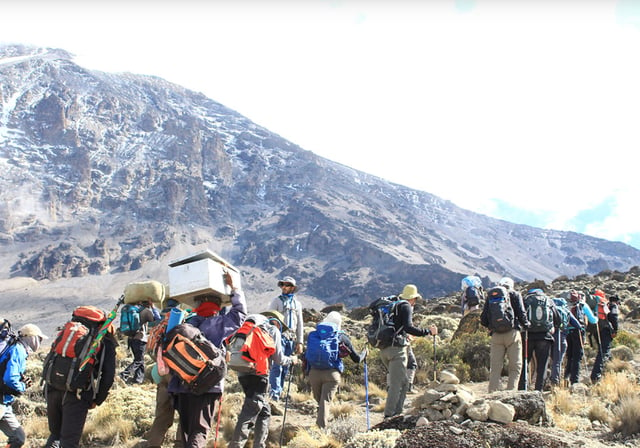
Groups typically consist of two to seven participants, ensuring manageable pacing and close supervision. A dedicated team of porters carries equipment and supports the camp network.
Smaller groups also create a more flexible environment for adjusting daily pacing based on conditions.
Meals are freshly prepared by support staff and include staples such as rice, pasta, vegetables, bread, and warm drinks. These are designed to provide adequate energy and support acclimatisation.
Dietary needs can generally be accommodated with advance notice. Bringing personal snacks for summit day is recommended.
About the centre
Mount Kenya National Park
Operated by Bencia African Adventure and Safaris, a partner of adventuro.
Basseterre & South Peninsula, Saint Kitts and Nevis
From $109.99
Quito & Avenue of Volcanoes, Ecuador
From $1615

Berkshire, Buckinghamshire and Oxfordshire, United Kingdom
From £1500
Highlands & Islands, United Kingdom
From £1245
Kilimanjaro & Arusha, Tanzania
From $850
Cataluña (Catalonia), Spain
From £1440
Arunachal Himalaya (Tawang & Siang Region), Nepal
From $1450