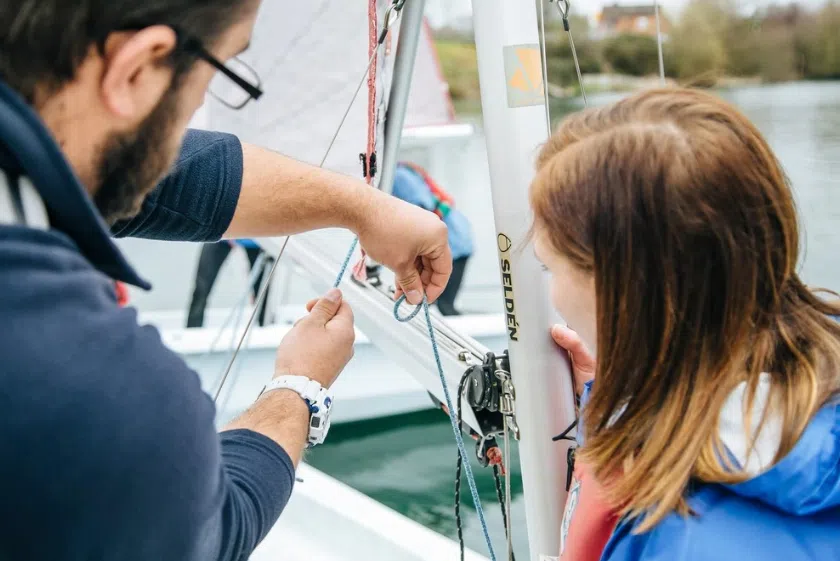

Ready to find a course or session?
RYA Youth Sailing Scheme Stage 1 is where many children first discover that boats go where the wind wants unless you persuade them otherwise. Young sailors learn launching and recovery, sailing across the wind, turning around, steering and the basic parts of the boat, all in dinghies sized for smaller hands. Instructors keep groups small and sessions playful without losing sight of safety.
The course runs approximately two days or sixteen hours, often as school-holiday clubs or weekend sessions. Parents are not expected to know sailing themselves, though watching from shore is encouraged once children are settled. Capsize drills happen early so getting wet becomes normal rather than frightening. Dry socks afterward help morale more than lectures.
Stage 1 is the youth equivalent of a gentle start on the water. It leads naturally to Youth Stage 2 as skills grow. Minimum age is centre specific, so check the listing before you book. Adults learning to sail usually take Dinghy Level 1 on the National Sailing Scheme instead.
Stage 1 is assessed continuously by your RYA instructor on the water. There is no written exam.
Quick answers about this qualification. For anything else, use live chat or browse bookable activities below.
Find activitiesIt is the first stage of the RYA Youth Sailing Scheme for young sailors learning in dinghies. They cover launching and recovery, sailing across the wind, turning around, steering and basic boat parts. Check the adventuro listing for what kit hire and logbook fees include before you pay.
It is the youth pathway equivalent of a gentle first step on the water, taught with games and short sessions suited to children.
No prior sailing experience is required. Stage 1 assumes complete beginners who are generally happy in and around water. Centres on adventuro answer common questions quickly if you leave a comment when you book.
If your child has sailed once or twice on holiday, tell the centre so they can place them in the right group. Leave a comment when you book with any anxiety or additional needs.
The RYA specifies approximately two days or sixteen hours, though centres often spread this across a week of holiday club or shorter after-school sessions. Weather may reorder the timetable; flexible return travel avoids stress on the last day.
Children fatigue faster than adults in cold wind. Good centres build in warm-up time and hot drinks rather than forcing long sails.
No written test. Assessment is practical and continuous on the water. Instructors sign off skills when young sailors can show them reliably enough for Stage 1. RYA Recognised Training Centres teach to the same syllabus even when boats and scenery differ.
Parents receive verbal feedback on progress. Repeating skills before Stage 2 is common and not a failure.
Very normal. Instructors introduce capsizes in shallow water with help nearby, often after the child has steered confidently on a reach. Ask about instructor ratio and boat type when you compare dates on adventuro.
Leave a comment when you book if your child is anxious. Centres can assign a steadier boat or extra bank support without making a fuss.
Swimwear, towel, warm layers, sun cream and non-slip shoes that can get wet. Most centres provide buoyancy aids and often wetsuits. If your experience is non-standard, a short comment on booking saves time on day one.
Label everything. Twenty identical blue wetsuits look the same at the end of a busy holiday week.
RYA guidance says centre specific. Many venues start around eight years old, some a little younger with parent agreement. Coastal and inland venues both work when the school teaches to RYA standards.
Leave a comment when you book with your child's date of birth. The centre will confirm whether Stage 1 or a shorter taster is more appropriate.
Youth Stage 2 introduces improved sailing on all points of sail, tacking, gybing, ropework and collision avoidance. Pack for cold spray even in summer; British sailing rewards dry socks afterward.
Some older teenagers move to Dinghy Level 1 on the National Sailing Scheme if the centre agrees it suits their age and maturity.
Policies vary. Holiday clubs often allow drop-off after registration; weekend courses may invite parents to watch from shore. Your centre sends a kit list after booking; read it before you buy new gear.
Leave a comment when you book if you need to stay nearby for safeguarding or medical reasons. Centres accommodate where they can.
The Youth Sailing Scheme uses stages tailored to children, with shorter bursts, more games and boats rigged for smaller crews. Adult Level 1 on the National Sailing Scheme follows the same broad skills but at an older pace.
Under-16s may prefer youth stages even if they are tall for their age, because instructor training and group dynamics suit them better.
adventuro lists RYA youth sailing courses at lakes, coastal clubs and holiday venues. Compare age limits, instructor ratios and whether wetsuits are included. Matching the venue to the water you will use afterward makes the certificate more useful.
Book early for school holidays. Popular centres fill Stage 1 weeks well before summer term ends.

Learn windsurfing with our RYA Windsurf Youth Stage 1 course at in Cambridgeshire. Perfect for ages 8-15. No experience needed. Fun and safe! Book now!
From £ 222
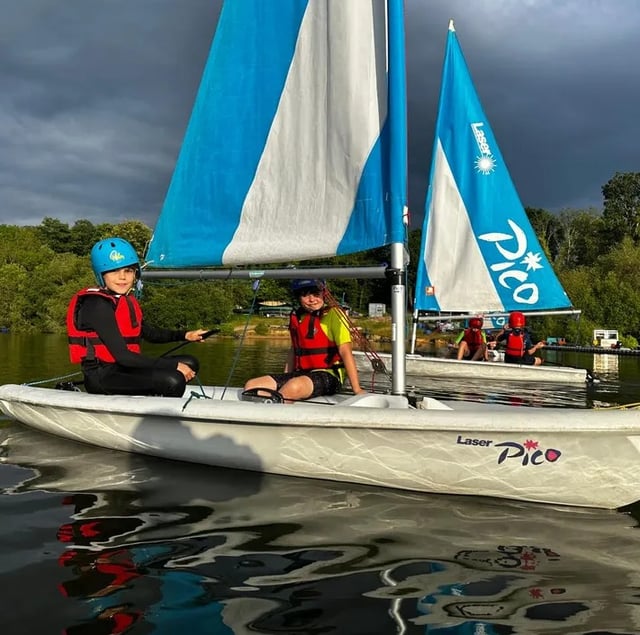
Beginner youth sailing course over two days, learning core skills on sheltered water with qualified instructors. Confidence-led training from £200.
From £ 200

Learn to sail on the sea with RYA Stage 1 & 2. Fun, hands-on coastal sailing for kids aged 10+, expert instruction, and certificate upon completion in Brighton.
From £ 465
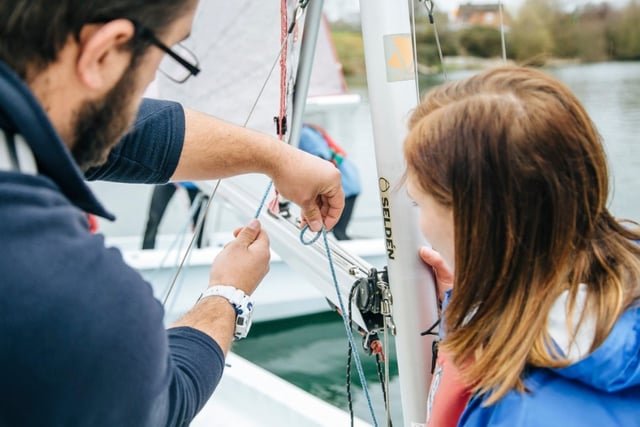
Affordable two-day RYA Youth Sailing course at Aztec Adventure Upton Warren for 8-15-year-olds, from £190. Includes equipment and professional instruction.
From £ 190

Introduce your child to sailing with our RYA Youth Sailing Stage 1 course in Cambridgeshire. For ages 8-15. Learn basics, build confidence, and have fun. Book now!
From £ 222

RYA Stage 1 & 2 youth sailing courses from £220. 2–5 day options in Poole Harbour teaching beginners to helm with confidence.
From £ 220

Youth residential sailing in Poole Harbour. 5-day RYA Stage 1 & 2 camp with full-board accommodation, evening fun, and sailing skills. £595pp.
From £ 595