
Ready to find a course or session?
RYA Youth Sailing Scheme Stage 3 follows Stage 2 with improved rigging, sailing theory, launching and recovery, and confidence across a wider range of techniques on all points of sail, including capsize recovery. Young sailors who could tack and gybe now learn why the boat behaves as it does, not only what to pull when an instructor shouts.
Expect roughly two days or sixteen hours, often in the second half of a youth sailing week. Theory sessions stay short and practical: wind diagrams drawn on the beach, rig tension explained beside the boat, capsize drills in water shallow enough to stand in before moving deeper. Instructors tolerate cheerful repetition because muscle memory beats one perfect gybe on Friday afternoon.
Stage 3 prepares sailors for Stage 4 crewed boats and man overboard recovery. Many graduates sail at club level with skills approaching National Sailing Scheme Level 2 or early Level 3. Minimum age remains centre specific throughout the youth pathway.
Holiday weeks fill quickly, so book early if you need specific dates for Stage 3.
Stage 3 is assessed continuously on the water. There is no formal written exam.
Quick answers about this qualification. For anything else, use live chat or browse bookable activities below.
Find activitiesStage 3 develops improved rigging, sailing theory, launching and recovery, and builds confidence in a range of sailing techniques on all points of sail, including capsize recovery. Check the adventuro listing for what kit hire and logbook fees include before you pay.
It follows Stage 2 on the Youth Sailing Scheme and prepares young sailors for crewed boats in Stage 4.
Sailing skills to the standard of Youth Stage 2, including tacking, gybing, ropework and sailing on all points of sail at a basic level. Centres on adventuro answer common questions quickly if you leave a comment when you book.
If Stage 2 was more than a year ago, consider a refresher before booking. Leave a comment when you book with their last sailing date.
The RYA specifies approximately two days or sixteen hours. Centres often place Stage 3 in the second half of a two-week youth programme. Weather may reorder the timetable; flexible return travel avoids stress on the last day.
Theory and capsize sessions need calm scheduling. Instructors may swap morning and afternoon plans to match wind and temperature.
Age-appropriate theory linking wind, sail trim and boat balance. Expect beach diagrams, simple worksheets and experiments like easing the sheet to see what happens. RYA Recognised Training Centres teach to the same syllabus even when boats and scenery differ.
It is not navigation chartwork. That lives on the yacht pathway later if they choose cruising over dinghies.
No formal exam. Assessment is continuous and practical on the water, with informal theory checks through conversation and short tasks. Ask about instructor ratio and boat type when you compare dates on adventuro.
Instructors care that sailors understand why a skill works, not that they memorise paragraphs for a test.
Full youth sailing kit as previous stages, plus a notebook if the centre provides theory handouts. Warm hats matter on windy reservoirs even in summer. If your experience is non-standard, a short comment on booking saves time on day one.
Label PDFs or worksheets with names. Stage 3 generates more paper than Stage 1 ever did.
Capsize recovery is a core outcome. Instructors repeat drills until young sailors can right the boat and continue sailing without panic. Coastal and inland venues both work when the school teaches to RYA standards.
Children who are still anxious receive extra shallow-water practice. Leave a comment when you book if capsizes have been a barrier before.
Youth Stage 4 focuses on crewed boats, enhanced rigging, launching, recovery and man overboard recovery skills. Pack for cold spray even in summer; British sailing rewards dry socks afterward.
Some sailors move to Dinghy Level 3 on the National Scheme if age and centre policy suit.
Centre specific across the Youth Sailing Scheme. Stage 3 groups are often slightly older than Stage 1 beginners. Your centre sends a kit list after booking; read it before you buy new gear.
Leave a comment when you book with your child's age if they are young for the squad so the centre can confirm boat fit and peer group.
Skills overlap with early Level 2 and Level 3 on the National Sailing Scheme, but certificates stay separate. Youth stages emphasise progression suited to children. Many students book the next module at the same school to keep momentum on the pathway.
Teenagers planning instructor routes later often complete Stage 4 then cross to National Scheme modules. Your centre can advise on the tidyest path.
adventuro lists RYA youth Stage 3 courses at clubs and holiday centres. Look for programmes that run Stage 2 and Stage 3 sequentially if your child is progressing through the pathway. Matching the venue to the water you will use afterward makes the certificate more useful.
Ask about boat types. Stage 3 sometimes introduces faster youth rigs that require earlier stages completed at the same venue.
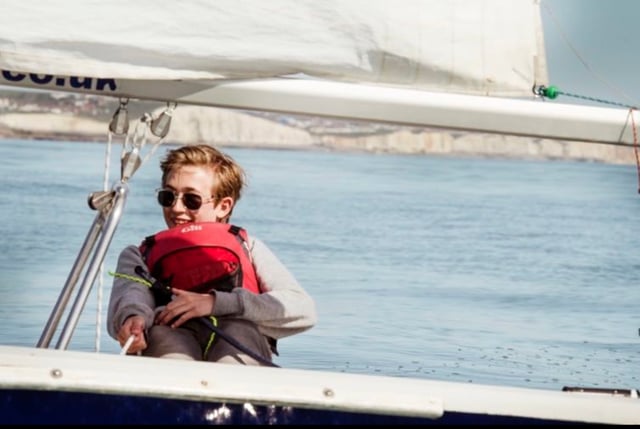
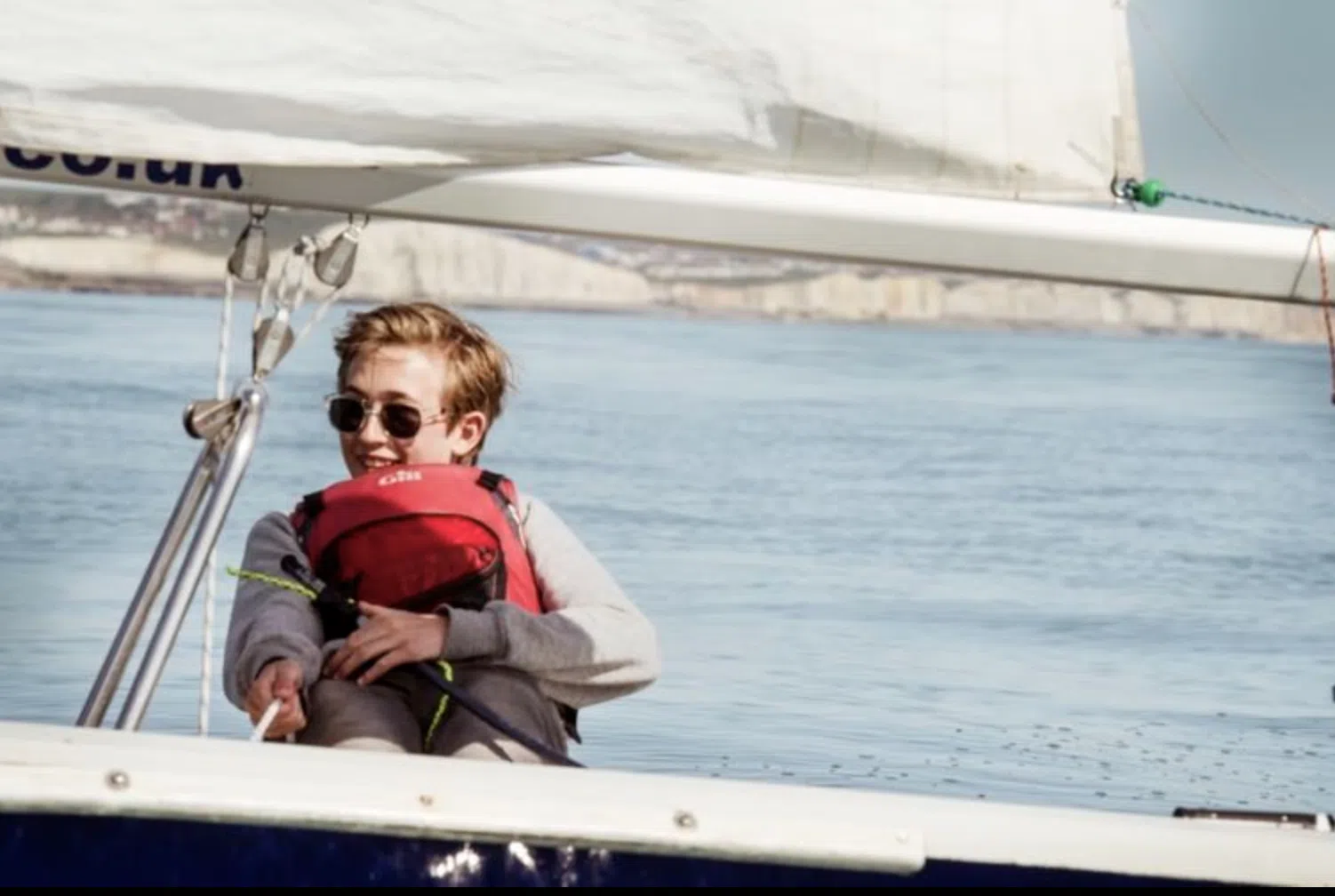
Develop advanced sailing skills with RYA Youth Sailing Stage 3 at Brighton Marina. Hands-on coastal training for ages 10-16, leading to certification.
From £ 450
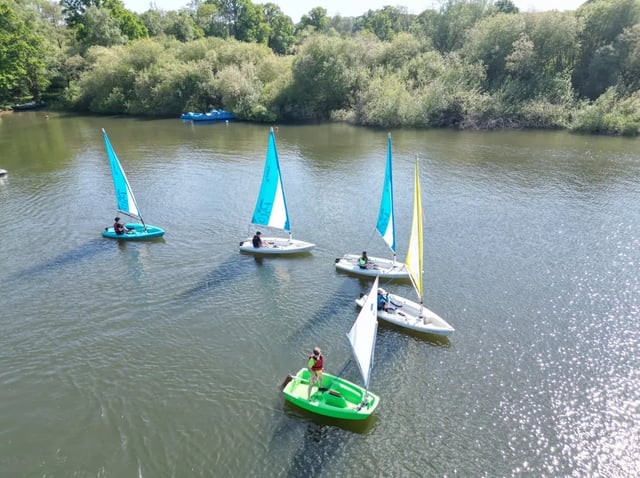
Advanced youth sailing over two days, improving control, capsize recovery and course sailing with expert coaching on inland water. From £210.
From £ 210
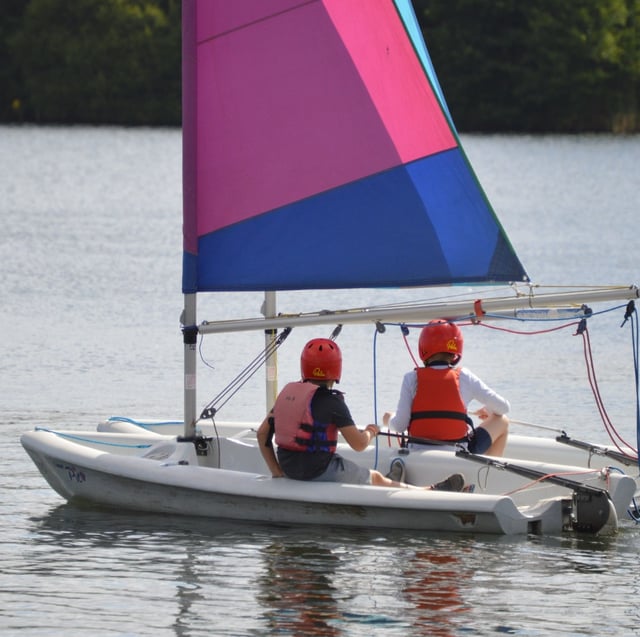
RYA Youth Sailing Stage 3 course for ages 8-15 at Aztec Adventure Upton Warren, Worcestershire. 2-day course, 09:30-16:00. Water confident participants, from £190.
From £ 190
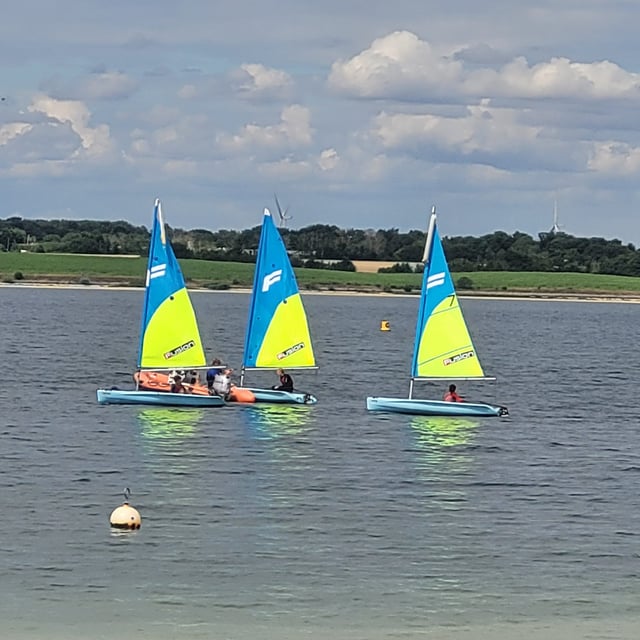
Advance your sailing skills with our RYA Youth Sailing Stage 3 course in Cambridgeshire. Improve techniques, build confidence, and sail in moderate conditions. Book now!
From £ 210

Elevate your sailing skills with our RYA Youth Residential Levels 3 & 4 - 5 days of fun, learning, and adventure on the water! £595pp.
From £ 595
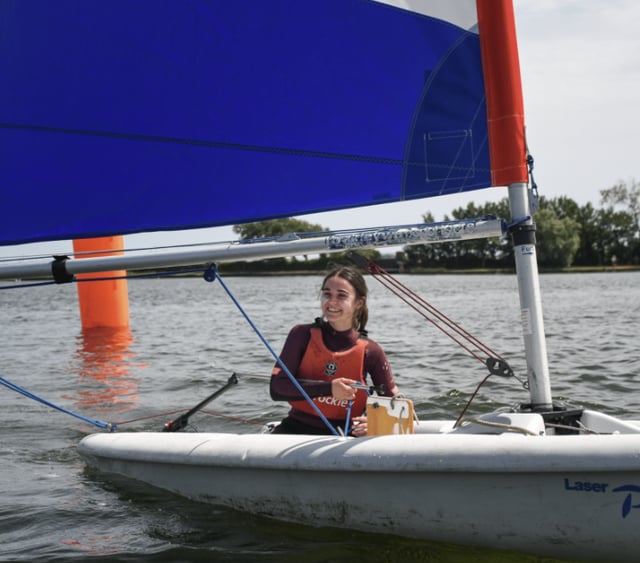
RYA Youth Stage 3 & 4 sailing courses from £220. 2–5 day improver options in Poole Harbour for confident young sailors building skills.
From £ 220