
Ready to find a course or session?
RYA Youth Sailing Scheme Stage 2 builds on Stage 1 with improved sailing on all points of sail, tacking, gybing, ropework and collision avoidance. Young sailors who could steer across the wind now learn to work upwind, control downwind speed and communicate with other boats on the water. Instructors still keep sessions short enough for concentration to hold.
The course takes approximately two days or sixteen hours, often continuing a holiday week or term-time squad. Gybing in particular feels chaotic until it clicks; that is normal and why youth groups repeat the same drills with variations rather than rushing onward. Parents hear fewer panicked shouts from the pontoon as the week goes on.
Stage 2 sits in the middle of the youth pathway toward Stage 3, where rigging, theory and capsize recovery deepen. Minimum age remains centre specific. Sailors who complete Stage 2 are roughly comparable to early National Sailing Scheme Level 2 skills, though certificates stay on the youth logbook until you choose to cross over.
Stage 2 is assessed continuously on the water by your RYA instructor. There is no written exam.
Quick answers about this qualification. For anything else, use live chat or browse bookable activities below.
Find activitiesIt is the second stage of the Youth Sailing Scheme after Stage 1. Young sailors improve skills on all points of sail and learn tacking, gybing, ropework and collision avoidance in dinghies. Check the adventuro listing for what kit hire and logbook fees include before you pay.
It bridges playful first sailing and the more technical work that arrives in Stage 3.
Sailing skills to the standard of Youth Stage 1: launching, steering, sailing across the wind and basic boat knowledge. Centres on adventuro answer common questions quickly if you leave a comment when you book.
If Stage 1 was a while ago, a refresher day may help. Leave a comment when you book with the date of their last certificate so the centre can advise.
Approximately two days or sixteen hours according to RYA guidance. Holiday courses often schedule Stage 2 immediately after Stage 1 in the same week. Weather may reorder the timetable; flexible return travel avoids stress on the last day.
Windy afternoons may shorten sails and extend ropework ashore. Total learning hours stay similar even if the timetable shifts.
Gybing is taught in controlled steps with buoyancy aids, suitable boats and instructors nearby. Centres choose wind limits so practice stays manageable. RYA Recognised Training Centres teach to the same syllabus even when boats and scenery differ.
Children who are nervous can watch first, then steer through a gentle gybe when ready. Leave a comment when you book if your child had a bad capsize experience before.
No. Assessment is practical on the water throughout the course. Instructors sign off when skills meet the Stage 2 standard. Ask about instructor ratio and boat type when you compare dates on adventuro.
Short quizzes on rope names or rules may happen informally, but there is no classroom paper test.
Same kit as Stage 1: swimwear, towel, warm layers, sun protection and labelled shoes. Gloves help once ropework increases. If your experience is non-standard, a short comment on booking saves time on day one.
Pack a snack for long mornings afloat. Hungry sailors gybe worse than fed ones, in my experience.
Young sailors learn to look around constantly, understand simple give-way situations and keep clear of other beginners in club water. Coastal and inland venues both work when the school teaches to RYA standards.
It is not the full International Regulations for Preventing Collisions at Sea, but habits that stop bumps and tears before Stage 3 adds theory.
Youth Stage 3 adds improved rigging, sailing theory, capsize recovery and confidence across a wider range of techniques. Pack for cold spray even in summer; British sailing rewards dry socks afterward.
Some teenagers cross to National Sailing Scheme Level 2 after Stage 2 if the centre agrees their age and skill suit adult groups.
Centre specific, continuing from Stage 1 policies. Many venues work with eight to sixteen year olds across youth stages. Your centre sends a kit list after booking; read it before you buy new gear.
Leave a comment when you book if your child is at the younger end of the group so instructors can pair them appropriately.
Many holiday programmes run Stage 1 and Stage 2 back to back for ready sailors. Instructors only advance children who meet Stage 1 skills first. Many students book the next module at the same school to keep momentum on the pathway.
Leave a comment when you book if you want a full two-stage week. Centres confirm whether your child's dates and stamina suit the pace.
adventuro lists RYA youth sailing at clubs and holiday venues nationwide. Compare instructor ratios, boat fleet and whether Stage 2 weeks follow Stage 1 in the same location. Matching the venue to the water you will use afterward makes the certificate more useful.
Booking both stages at one centre helps instructors know your child already, which speeds up rigging on Monday morning.
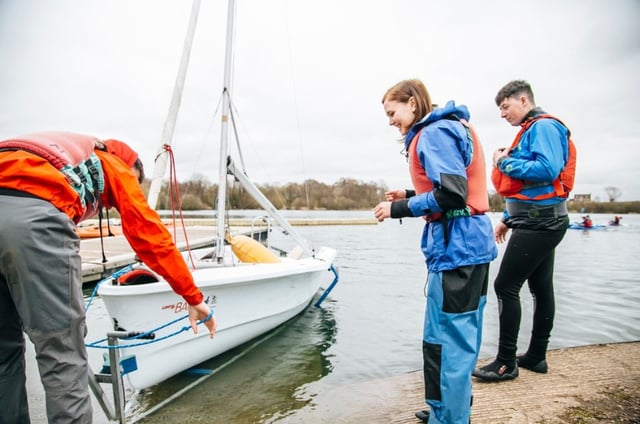
RYA Youth Sailing Stage 2, 2-day course for 8-15 year olds at Aztec Adventure Upton Warren, Worcestershire. Includes expert tuition, improved sailing skills, and fun on the water. From £190.
From £ 190

Learn to sail on the sea with RYA Stage 1 & 2. Fun, hands-on coastal sailing for kids aged 10+, expert instruction, and certificate upon completion in Brighton.
From £ 465
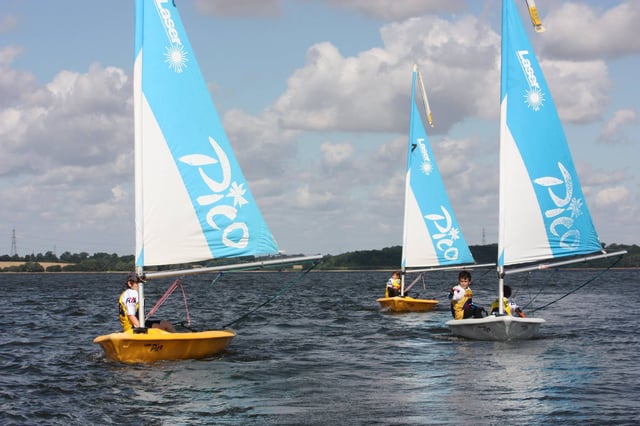
Build sailing skills with our RYA Youth Sailing Stage 2 course in Cambridgeshire. For ages 8-15. Improve tacking, gybing, and confidence. Book now!
From £ 222

Advance your windsurfing skills with our RYA Windsurf Youth Stage 2 course in Cambridgeshire. Perfect for ages 8-15. Book now to sail with confidence!
From £ 222

Youth residential sailing in Poole Harbour. 5-day RYA Stage 1 & 2 camp with full-board accommodation, evening fun, and sailing skills. £595pp.
From £ 595

RYA Stage 1 & 2 youth sailing courses from £220. 2–5 day options in Poole Harbour teaching beginners to helm with confidence.
From £ 220
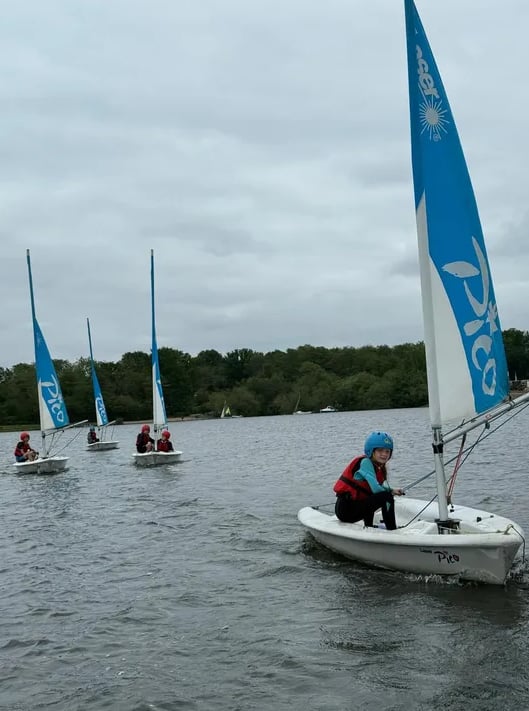
Two-day youth sailing course developing control, independence and confidence on sheltered inland water with expert coaching. Progress skills from £200.
From £ 200