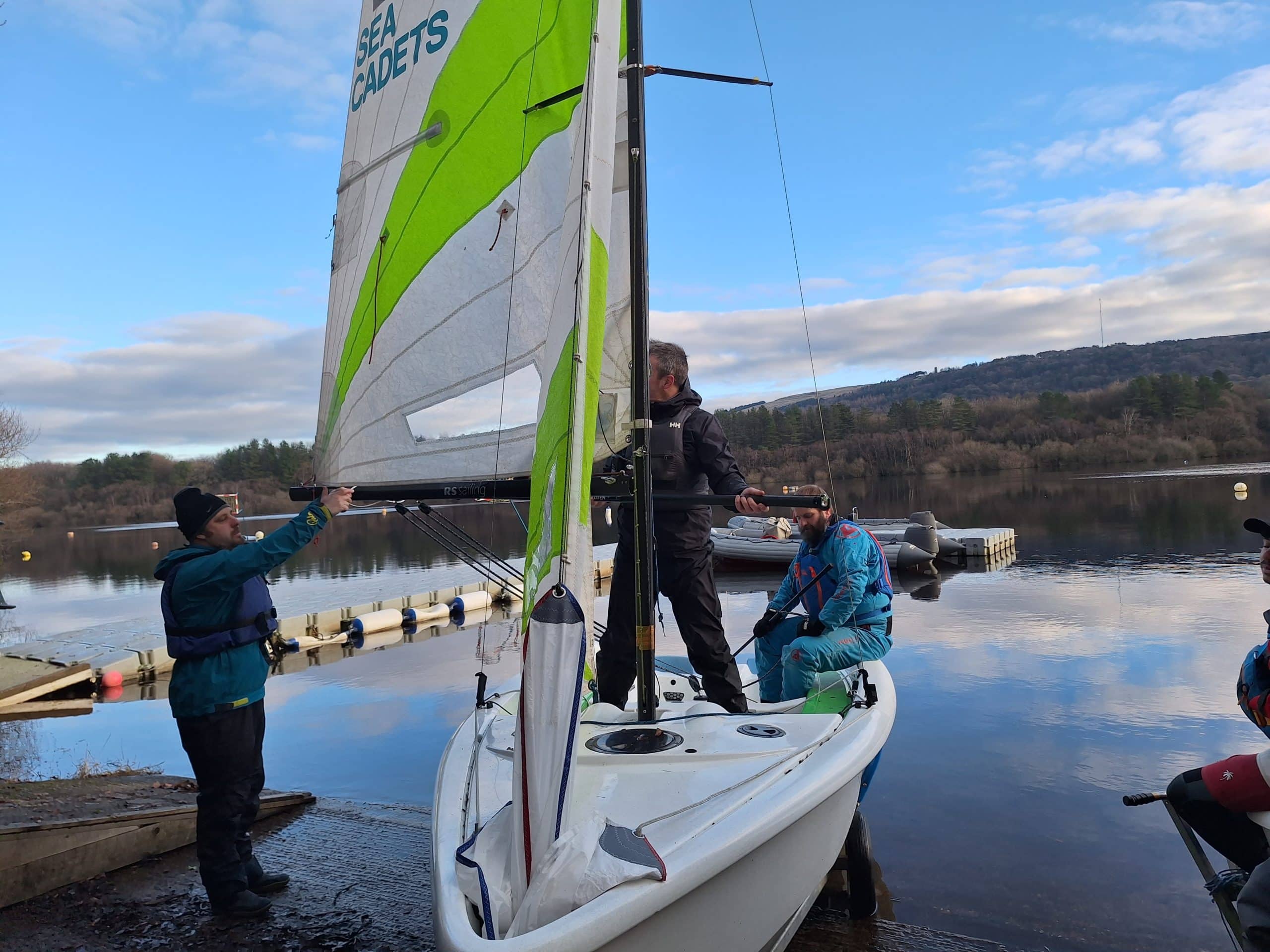

Ready to find a course or session?
Seamanship Skills is the RYA dinghy module for sailors who want the boat to behave when conditions turn awkward: launching in chop, stopping precisely, reducing sail before the gust hits, picking up a mooring without panic and recovering a crew member from the water. It builds on Level 3 confidence with deliberate practice in heavier wind and tighter spaces.
Centres usually teach it over two days in dinghies or small keelboats. You repeat manoeuvres until they feel dull, which is when your hands start doing the right thing without chatter from the instructor. Reefing, anchoring and man overboard work sit at the heart of the syllabus alongside launch and recovery in different beach or pontoon setups.
You should arrive at Better Sailing Level 3 or Stage 4 standard. This is coaching for independence, not a first certificate. Wear layers; sitting still in a mooring pickup drill can feel colder than hiking upwind. Leave a comment when you book if you want a centre known for patient heavy-weather coaching.
Seamanship Skills uses continuous practical assessment by your RYA instructor. No written exam.
Quick answers about this qualification. For anything else, use live chat or browse bookable activities below.
Find activitiesIt is an RYA advanced dinghy module teaching heavier-weather handling: reefing, mooring pickup, anchoring, man overboard recovery and confident launch or recovery in different conditions.
It suits sailors who want control when the bay gets lively, not just fair-weather laps.
Better Sailing Level 3 or Stage 4 skills: solid tacks, gybes and sail control before the wind rises.
Leave a comment when you book if you are unsure. A quick assessment helps place you in the right group.
About two days or sixteen hours total, though centres may split sessions.
Weather may concentrate reefing and MOB on one day and moorings on another. Trust the reordering.
No. Everything is assessed practically on the water.
Your instructor signs off when manoeuvres are safe and repeatable, not when you recite definitions ashore.
Capsize may appear in recovery practice depending on the centre and boat class. Tell your instructor if you have concerns.
Man overboard drills use real people in buoyancy aids with safety cover nearby.
Warm layers, wetsuit or waterproofs, grippy shoes and a change of clothes. Lunch and water for long days.
Gloves help when hauling mooring lines. Avoid cotton hoodies that stay cold when wet.
Club sail in stronger breezes, move to Day Sailing or Start Racing, or simply hire with more confidence.
Your instructor suggests the next module that fits your local water and ambitions.
RYA sets no fixed minimum; centres decide for demanding drills. Teenagers and adults are the usual cohort.
Ask about youth squads if a younger sailor needs a gentler ratio.
Centres work within their safety limits. Seamanship Skills needs some breeze to mean something, but instructors will not force unsafe outings.
Learning to read the forecast and stay ashore is part of seamanship, not a failure.
Both appear depending on venue. Crew communication for reefing and MOB is easier to practise in two-person dinghies.
Mention your preference when you book if you always sail solo at the club.
adventuro lists RYA centres teaching Seamanship Skills on coastal and inland waters nationwide.
Choose a venue with the wind and launch layout you will use after the course.
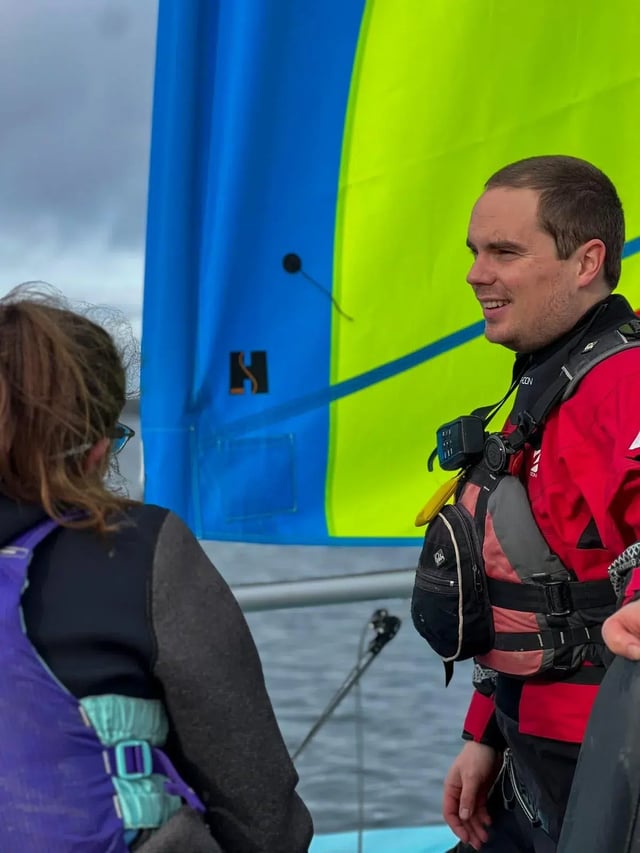
Build advanced dinghy handling and seamanship skills over two practical days on the water. Independent sailing, problem-solving and manoeuvres.
From £ 230

RYA intermediate sailing course covering seamanship skills and start racing, ideal for confident sailors building experience. From £275.
From £ 275

Advance your sailing skills with our RYA Seamanship course; learn advanced techniques, man overboard recovery, and decision-making.
From £ 150

Youth residential sailing in Poole Harbour. 5-day RYA Intermediate camp with full-board, evening fun, and skill progression for older children. £595pp.
From £ 595