
Ready to find a course or session?
RYA Youth Sailing Scheme Stage 4 is where young sailors transfer pre-learnt skills into crewed boats, learning techniques and manoeuvres that need a helm and crew working together. After Stage 3, you enhance rigging, launching and recovery, and practise practical skills to recover a man overboard in youth dinghies with more than one person aboard.
The course runs approximately two days or sixteen hours, often capping a youth sailing season before sailors join club fleets or National Scheme modules. Communication becomes as important as tiller skill: calling gybes, balancing weight and recovering when someone misses a rope. Instructors still keep wind limits sensible. Stage 4 is not a licence to race in gale force conditions, though it can feel like it on a breezy Saturday.
Completing Stage 4 puts young sailors in a strong position for Dinghy Level 3 Better Sailing, club racing or advanced youth squads. Minimum age stays centre specific. Many teenagers use Stage 4 as proof they can crew competently before moving to larger boats or instructor development routes later.
Stage 4 crews who communicate well look quietly smug when a gybe actually works. That is the point of the week.
Stage 4 is assessed continuously on the water. There is no written exam.
Quick answers about this qualification. For anything else, use live chat or browse bookable activities below.
Find activitiesStage 4 transfers skills from earlier youth stages into crewed dinghy sailing. Sailors enhance rigging, launching and recovery, and learn practical man overboard recovery while sailing boats with more than one person aboard.
It is the most advanced stage of the RYA Youth Sailing Scheme Start Sailing pathway before specialist modules or National Scheme crossover.
Sailing skills to the standard of Youth Stage 3, including confident capsize recovery and sailing on all points of sail. Centres on adventuro answer common questions quickly if you leave a comment when you book.
Sailors joining from another centre may show logbooks on day one. Leave a comment when you book with prior certificates so instructors can verify standards.
Approximately two days or sixteen hours per RYA guidance. Some squads spread Stage 4 across a term with weekend sessions. Weather may reorder the timetable; flexible return travel avoids stress on the last day.
Man overboard practice needs calm scheduling and suitable wind. Centres may dedicate a full morning to recovery drills before longer sails.
Yes when taught by RYA instructors using buoy or dummy casualties, buoyancy aids and controlled conditions. The sequence is broken into small steps before any timed exercise. RYA Recognised Training Centres teach to the same syllabus even when boats and scenery differ.
Leave a comment when you book if your child is anxious about MOB drills. Extra demonstration runs are normal.
No. Assessment is practical on the water throughout the course. Instructors observe helm and crew performance during manoeuvres and recoveries. Ask about instructor ratio and boat type when you compare dates on adventuro.
Brief theory refreshers may happen ashore, but Stage 4 certificates depend on boat handling and teamwork afloat.
Centres use youth two-person dinghies from their fleet, such as larger double-handers suited to teenage sailors. Boat types vary by venue. If your experience is non-standard, a short comment on booking saves time on day one.
Leave a comment when you book if your child is lightweight or tall for their age so the centre can assign appropriate rigs and partners.
Full sailing kit as Stage 3, with extra layers for longer crewed sessions. Gloves and hiking shorts help on trapeze-equipped boats if the centre uses them. Coastal and inland venues both work when the school teaches to RYA standards.
Waterproof watch or timing device is optional unless the squad races. Check the kit list your centre sends after booking.
Many sailors join club fleets, Start Racing modules or Dinghy Level 3 Better Sailing on the National Sailing Scheme. Pack for cold spray even in summer; British sailing rewards dry socks afterward.
Longer term, youth pathways can lead toward instructor training, but that requires separate prerequisites and age limits.
Centre specific. Stage 4 groups are usually older youth sailors comfortable in two-person boats. Your centre sends a kit list after booking; read it before you buy new gear.
Leave a comment when you book with age and height so the centre confirms boat fit and partner pairing policies.
Stage 4 overlaps with skills from Better Sailing and early advanced modules, but the certificates differ. National Scheme Level 3 may still be required for some adult courses or hire schemes. Many students book the next module at the same school to keep momentum on the pathway.
Your centre can advise whether crossover logbook entries save repeating skills on the National Scheme.
adventuro lists RYA youth Stage 4 at clubs offering advanced youth squads. Confirm Stage 3 completion requirements and whether boats are included. Matching the venue to the water you will use afterward makes the certificate more useful.
Choose a centre whose fleet matches what your child will sail at club afterward. Transferring skills is easier on similar dinghies.
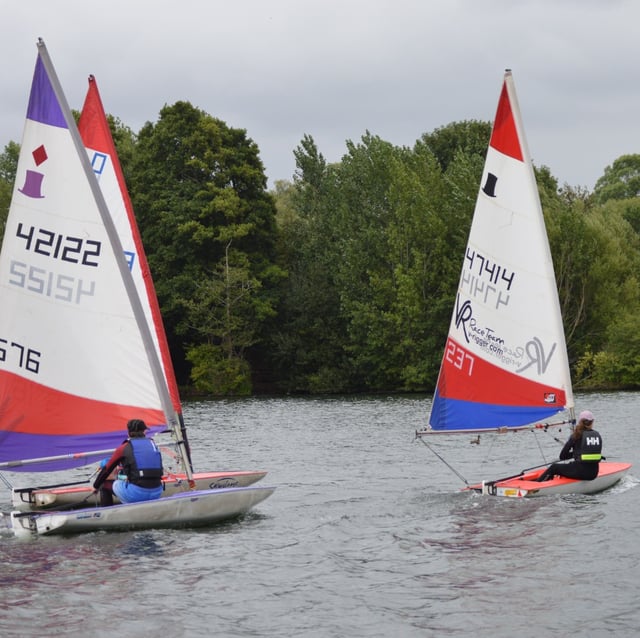
RYA Youth Sailing Stage 4, 2-day course for ages 8-15 at Aztec Adventure Upton Warren. Learn double-handed sailing skills. From £190.
From £ 190

Advance sailing skills with the RYA Youth Sailing Stage 4 course at Brighton Marina. Hands-on coastal training for ages 10-16, leading to independent sailing.
From £ 450

Elevate your sailing skills with our RYA Youth Residential Levels 3 & 4 - 5 days of fun, learning, and adventure on the water! £595pp.
From £ 595
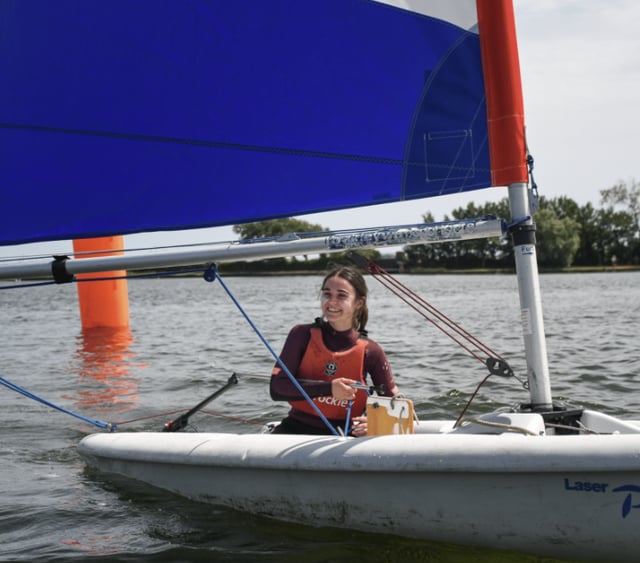
RYA Youth Stage 3 & 4 sailing courses from £220. 2–5 day improver options in Poole Harbour for confident young sailors building skills.
From £ 220