Rose Hogan
We had a fantastic time! The Skipper was brilliant and carefully tailored the experience to suit all the passengers needs. It was safe, exciting, interesting and a lot of fun. Thank you

We partner with Rewilding Britain to help protect our natural spaces for future adventures.
All centres are vetted for safety and quality. Your adventure is in good hands with adventuro.

We had a fantastic time! The Skipper was brilliant and carefully tailored the experience to suit all the passengers needs. It was safe, exciting, interesting and a lot of fun. Thank you
The boattrip was amazing! We enjoyed every minute! Jason our captain told us a lot from the wildlife on Puffin Island. We really recommend this trip, it’s worth the money for sure.
Fantastic experience led by friendly, efficient and interesting people.
The instructor/guide was fantastic and very knowledgeable, and we had great fun on the boat
We loved our boat trip, water doughnuts and speeding along 50mph + was great fun. Our skipper was lovely, very knowledgeable and enthusiasm shone through. Want to come back and see the puffins next year... although this was my soul reason to book this trip it really did not disappoint…
The Rib Tour was amazing! Exhilarating ride on the rib combined with fascinating facts about the coastline and the birds on puffin island. Highly recommended, will be booking the bridges tour next.
Exhilarating but also really informative. A great experience all round and highly recommended
Brilliant! Loved when Jason put the RIB into ‘sports mode’. Perfect mix of adventure and information. Beautiful scenery, great morning in the water. Cheers guys.
What a great experience. Our skipper, Jason, was great. Good chat, very knowledgable and really pushed the boat. The boat is an impressive thing which really moves. Great experience! Will be back to do the other tour.
Excellent!
Operado por Seawake, un partner de adventuro.


If you are passionate about powerboating and interested in passing on your knowledge to others, you should consider becoming an RYA Powerboat Instructor. Seawake offers a two-day course, or three days for Advanced Instructors, followed by an assessment day, which provides you with the knowledge and skills you need to teach others. The course is taught by an RYA Powerboat Trainer and is moderated on the final day by a second trainer.
Day 1 is a skills assessment day on the water and in the classroom, where we assess your current ability. We are not trying to catch you out, just to make sure your powerboating skills meet the level required to attend the course. Days 2 to 4 are the instructor course itself, covering the principles of practical instruction, lesson planning, teaching style and methods up to Level 2, questioning, visual aids, student assessment, presenting theory subjects, the structure of the scheme, progressive teaching sessions, and preparing boats and equipment.
During the course you will give a ten-minute presentation on one topic from the RYA Powerboat Level 2 course. Topics include hull shapes and sea keeping, engines and drives, advice to inland drivers about coastal waters, use and limitations of GPS, sources of weather information, distress signals, rules of the road, charts, symbols and buoyage, and tides. Your topic is allocated on the first day, so it helps to familiarise yourself with those subjects beforehand. You'll also complete some pre-course work from a pack sent before you start.
Our training centre is in Menai Bridge on the Isle of Anglesey, with a fully equipped classroom and access to the training boats within a five-minute walk. Instructor training uses the same sheltered water and Menai Strait that your future students will learn on.
They say if you can navigate the Menai Strait then it sets you in good stead for any navigational boating challenge. The classroom is in the town itself, easily reached by taking junction 8A onto the A5 off the A55 at Britannia Bridge, with Pay and Display parking across the road.
You must hold the RYA Powerboat Level 2 certificate, a valid first aid certificate such as RYA First Aid, and be an RYA member with your membership number to hand. You also need at least five seasons' experience of powerboating, preferably in a range of boat types and sizes. If you use powerboats as an integral part of your full-time occupation, that period is reduced to one season.
On successful completion you will be asked to sign a health declaration stating that you are not suffering from any physical or mental impairment which has an adverse effect on your ability to properly discharge your duty of care as an instructor. If you are unable to sign the standard declaration, you will complete a medical questionnaire instead. Recommended reading includes the RYA Powerboat Logbook G20, the Powerboat Instructor Handbook G19, and, if you want them, the Start Powerboating Handbook G48 and the Powerboating Handbook G13.
What makes a Seawake Powerboat Training course different is our team. We are all enthusiastic powerboaters with a vast amount of experience on the water, and this course is led by an RYA Powerboat Trainer, with a second trainer moderating on the final day.
Our instructors come from varied backgrounds but have tonnes of experience and boating know-how in common. They have different teaching styles and will do their best to accommodate anyone who wants to learn how to teach powerboating well. The classroom sits a five-minute walk from the boats, so lesson planning and time afloat sit in the same day.
You must hold the RYA Powerboat Level 2 certificate, a valid first aid certificate such as RYA First Aid, and be an RYA member with your membership number to hand. You also need at least five seasons of powerboating, preferably in a range of boat types and sizes.
If you use powerboats as an integral part of your full-time occupation, that period is reduced to one season. On successful completion you will be asked to sign a health declaration, or a medical questionnaire if you cannot sign the standard wording.
The course typically spans four days. Day 1 is a skills assessment on the water and in the classroom. Days 2 to 4 are the instructor course itself, with a second trainer moderating on the final day.
Advanced instructors may need extra training days depending on what they are working toward. The four-day pattern is the standard Powerboat Instructor route from Menai Bridge.
Day 1 is a skills assessment day on the water and in the classroom, where we assess your current ability. We are not trying to catch you out, just to make sure your powerboating skills meet the level required to attend the course.
That check covers both helm work and the theory you would later teach. If the standard is not there yet, it is better to know on day one than halfway through the teaching week.
Days 2 to 4 cover the principles of practical instruction, lesson planning, teaching style and methods up to Level 2, questioning, visual aids, student assessment, presenting theory subjects, the structure of the scheme, progressive teaching sessions, and preparing boats and equipment.
You will also give a ten-minute presentation on one topic from the RYA Powerboat Level 2 course. Your topic is allocated on the first day, so it helps to familiarise yourself with those subjects beforehand.
Yes. You complete some pre-course work from a pack sent before you start. That work gets you into the Level 2 subjects you will later teach, so the classroom days can stay on how to teach rather than what the syllabus says.
Set time aside for it before you travel. Arriving without the pack done makes the presentation and the teaching sessions harder than they need to be.
During the course you give a ten-minute presentation on one topic from the RYA Powerboat Level 2 course. Topics include hull shapes and sea keeping, engines and drives, advice to inland drivers about coastal waters, use and limitations of GPS, sources of weather information, distress signals, rules of the road, charts, symbols and buoyage, and tides.
Your topic is allocated on the first day. Recommended reading includes the RYA Powerboat Logbook G20 and the Powerboat Instructor Handbook G19, which help you prepare that talk and the lessons that follow.
Instructor training runs from our training centre in Menai Bridge on the Isle of Anglesey. The classroom is at 40 High Street, with the training boats a five-minute walk away, so lesson planning and time afloat sit in the same day.
The same sheltered water and Menai Strait that your future students will learn on is the water you teach on here. Pay and Display parking is across the road from the classroom.
On successful completion you become an RYA Powerboat Instructor, able to teach up to Powerboat Level 2. You will be asked to sign a health declaration stating that you are not suffering from any physical or mental impairment which has an adverse effect on your ability to properly discharge your duty of care as an instructor.
If you are unable to sign the standard declaration, you complete a medical questionnaire instead. Keep your RYA membership current, because the instructor ticket sits with that membership.
Recommended reading includes the RYA Powerboat Logbook G20 and the Powerboat Instructor Handbook G19. If you want them, the Start Powerboating Handbook G48 and the Powerboating Handbook G13 are useful as well.
Those books are not supplied as part of the course. Having G20 and G19 before you arrive makes the presentation and the lesson planning much easier.
The course is taught by an RYA Powerboat Trainer and is moderated on the final day by a second trainer. That second pair of eyes is part of the RYA instructor scheme, not an extra add-on.
Seawake instructors come from varied backgrounds but have tonnes of experience and boating know-how in common. They have different teaching styles and will do their best to accommodate anyone who wants to learn how to teach powerboating well.
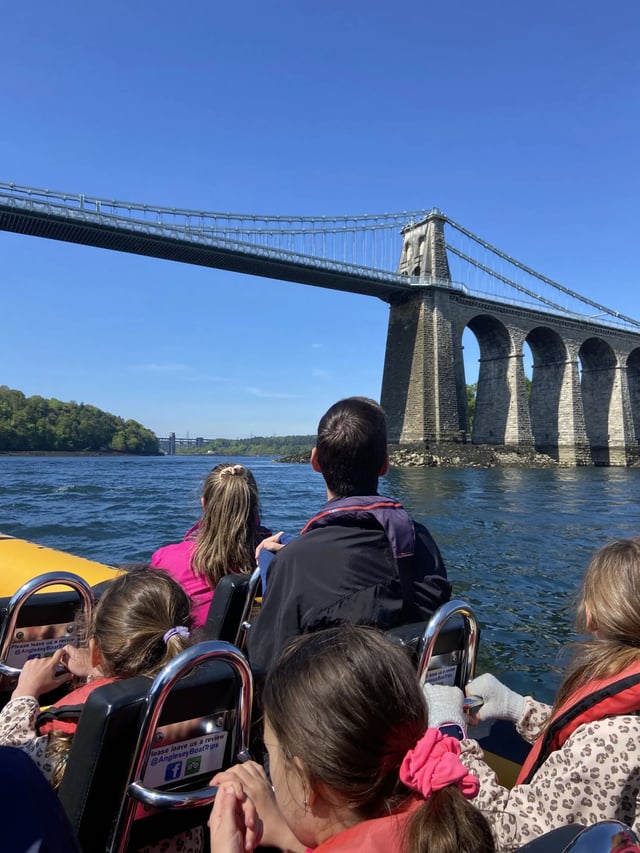
North Wales, United Kingdom
Desde £35
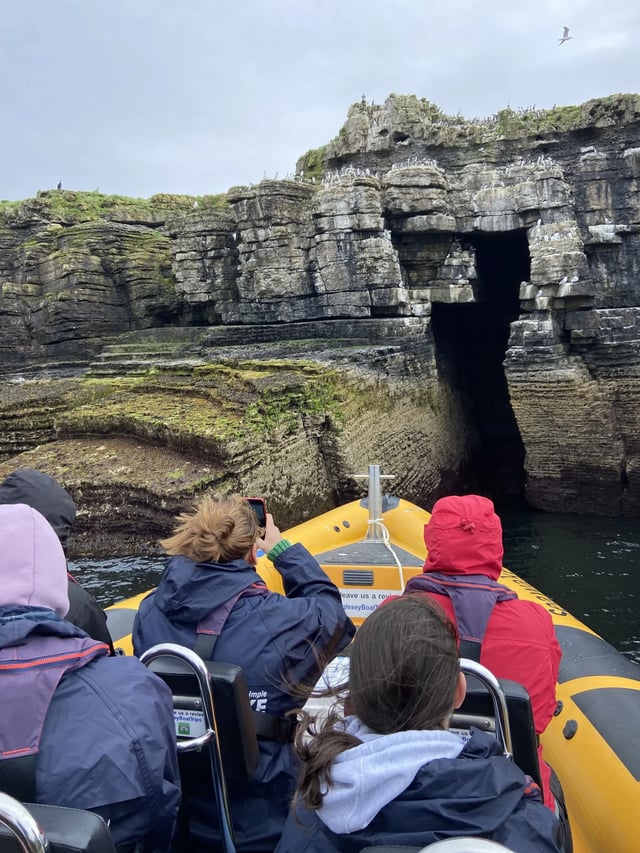
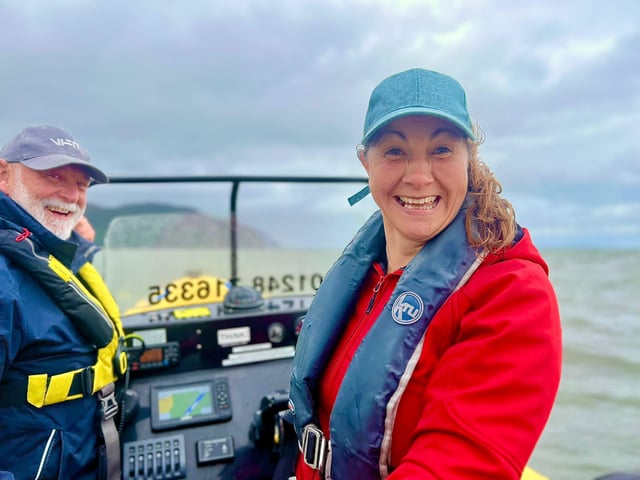

Online, United Kingdom
Desde £55

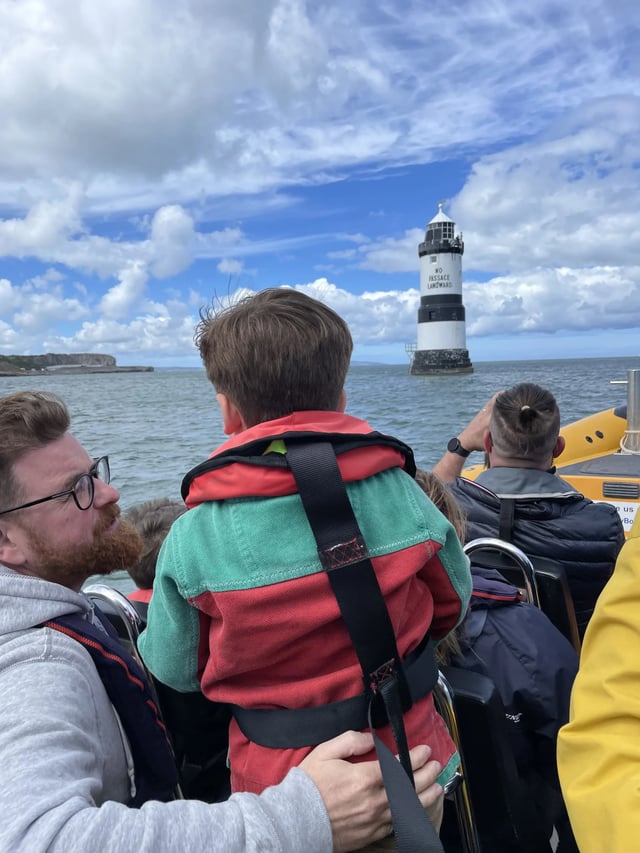

North Wales, United Kingdom
Desde £185

Somerset and Dorset, United Kingdom
Desde £480


North Wales, United Kingdom
Desde £325


Surrey, East and West Sussex, United Kingdom
Desde £520

Surrey, East and West Sussex, United Kingdom
Desde £425
