We partner with Rewilding Britain to help protect our natural spaces for future adventures.
All centres are vetted for safety and quality. Your adventure is in good hands with adventuro.
Climb Kilimanjaro on the classic six-day Marangu Route with wooden hut nights, a dedicated acclimatisation day at Horombo, and a midnight summit attempt from Kibo Hut. It is one of the most approachable full summit itineraries for fit trekkers who prefer beds to tents.
The pace is steady with an extra day at Horombo to hike toward Mawenzi views before crossing the Saddle to Kibo, and porters carry your main bag while you walk with a daypack through changing climate zones. Summit night and the long descent are demanding yet hugely rewarding, and the itinerary below lists each hut stage with typical walking times.
We schedule Marangu groups with enough porters to keep hut moves smooth and guides who monitor altitude symptoms from Mandara through summit night. Honest briefings explain what each climate zone feels like so you pack the right layer at the right time.
English-speaking lead guides stay with you from Moshi briefing through certificate presentation at the gate, and crew celebrations at the end are the kind of joyful finish that keeps guests recommending the route to friends.
Private transfer from JRO to your Moshi hotel, then an afternoon briefing and gear check with your lead guide. Hut treks still require your own sleeping bag and warm layers even though beds are provided.
Ask questions about pace, altitude, and tipping so you start the climb with clear expectations.
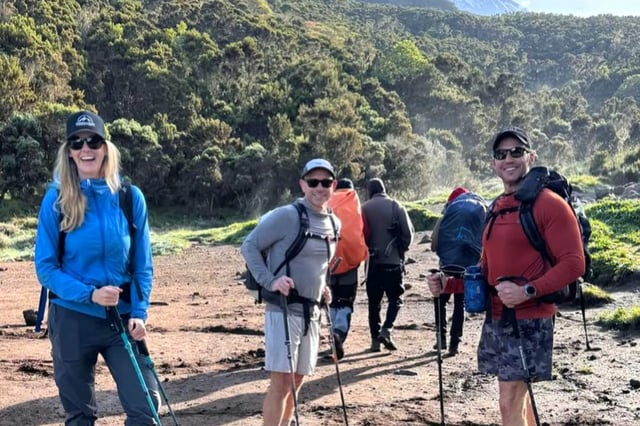
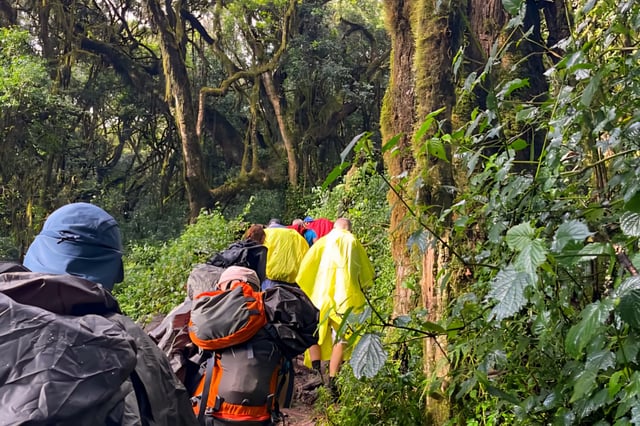
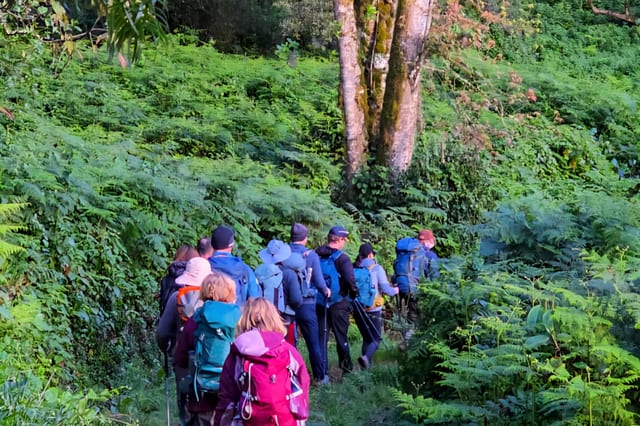
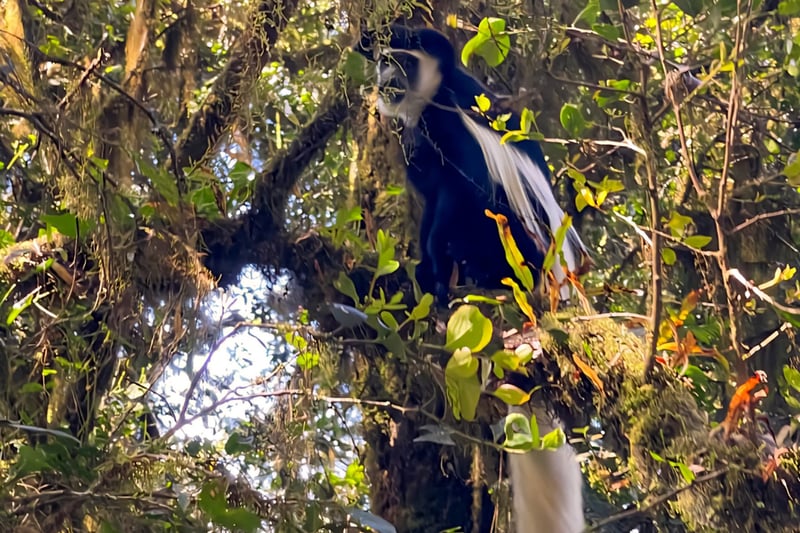
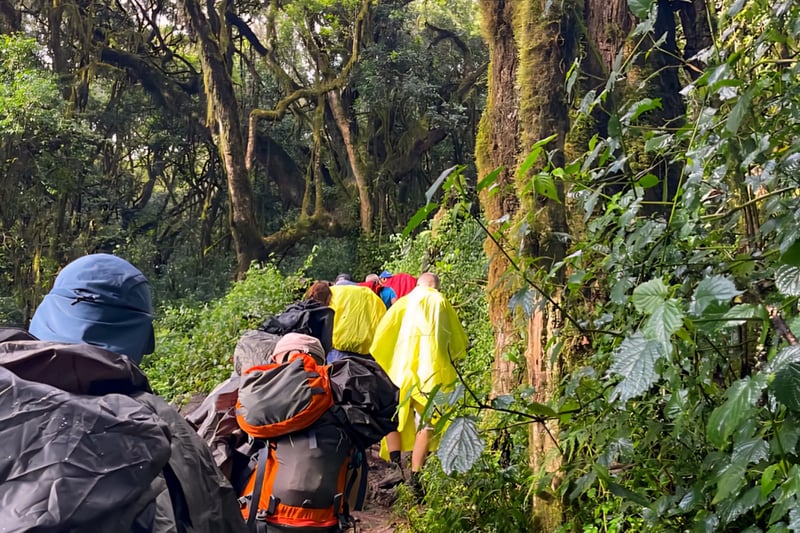
Drive to Marangu Gate and register before entering emerald rainforest on a well-maintained trail. Blue monkeys sometimes cross the path as you climb toward Mandara's wooden cabins.
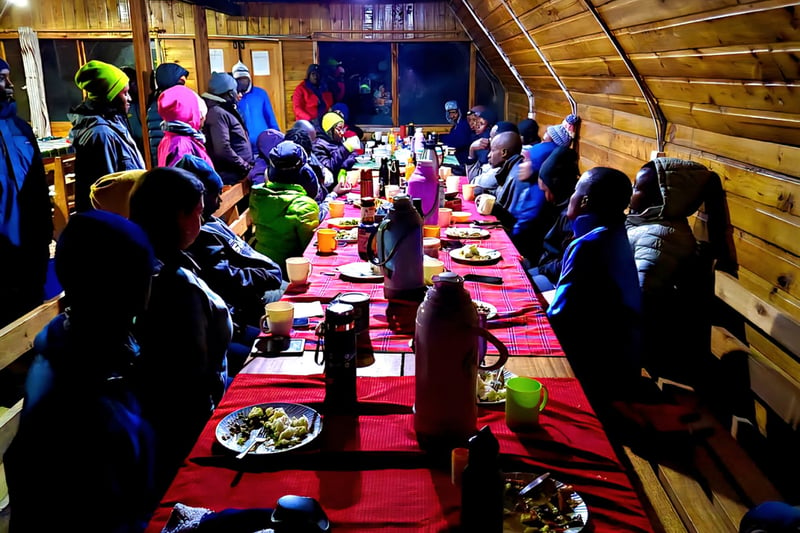
Dinner is served in the hut mess hall before an early night in dormitory bunks.
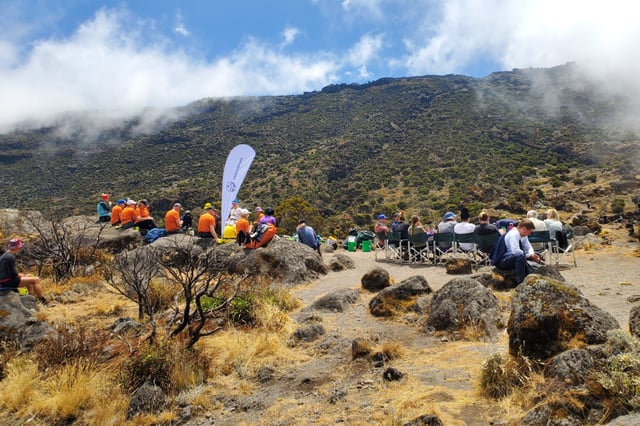
Leave the forest for moorland hills with views opening toward Kibo and Mawenzi. Horombo Hut village is busy but comfortable, and you will stay here two nights.
The extra day here is central to Marangu acclimatisation strategy.
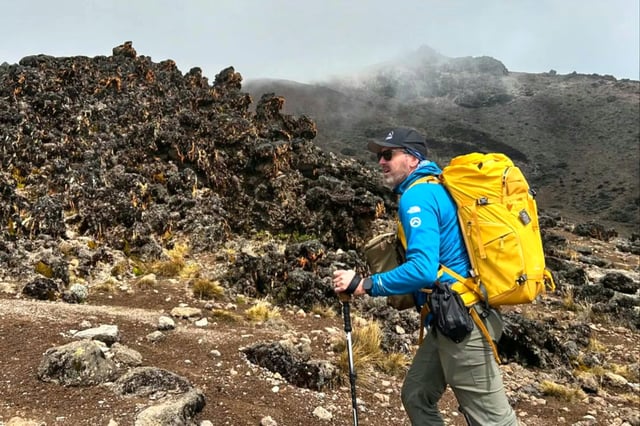
Hike toward Mawenzi Ridge or Zebra Rocks and return to Horombo for lunch and rest. Climbing high and sleeping lower helps your body adjust before the Saddle crossing.
Guides watch how everyone feels and adjust tomorrow's pace if needed.
Cross the alpine desert Saddle on a long, slow walk to Kibo Hut below the crater wall. Vegetation disappears and the air feels thin as you prepare for midnight summit departure.
Early dinner and short sleep are essential because wake-up comes before dawn.
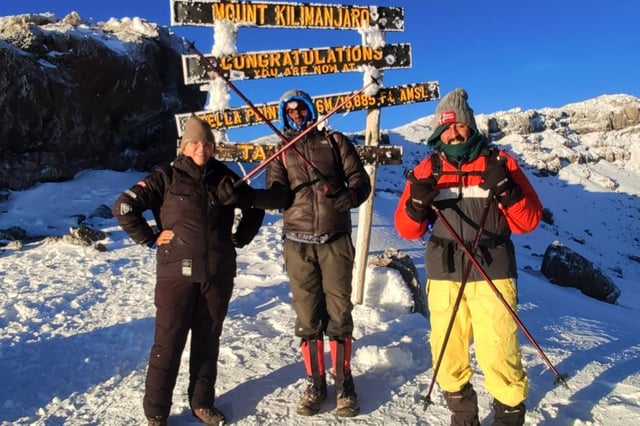
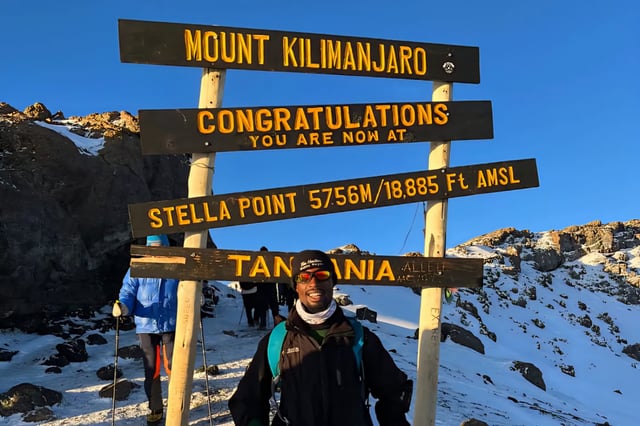
Climb scree in the dark to Gilman's Point, continue to Uhuru Peak at sunrise, then descend to Kibo and onward to Horombo for recovery sleep. It is the emotional high point of the trek and the hardest day on your legs.
Hot drinks and encouragement from guides matter most in the final metres to the rim.
Walk downhill through moorland and forest to the gate for certificates and crew songs. Transfer back to Moshi celebrates completion with showers and a proper meal.
Departure day airport transfers finish the journey when your flight schedule allows.
Fly into Kilimanjaro International Airport (JRO), where we meet you and drive you to your hotel in Moshi, about an hour away. That afternoon your lead guide runs a briefing and kit check. Hut nights are still cold above Horombo, so we check sleeping bags and summit layers carefully before you leave town.
On the first trekking morning we drive around an hour east from Moshi to Marangu Gate, climbing through Marangu village and the coffee and banana farms on the lower slopes. You register at the park office and walk straight into the rainforest toward Mandara Hut. After the descent we meet you at Marangu Gate, drive you back to Moshi, and take you to JRO for your flight home.
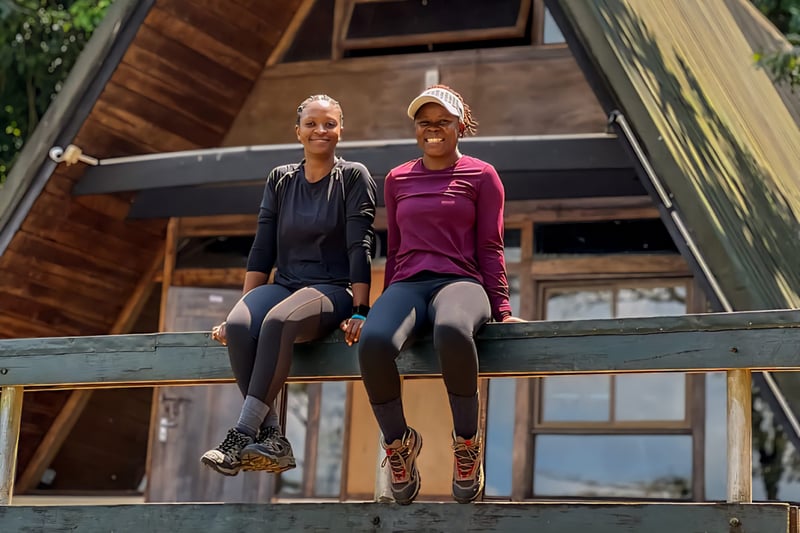
Marangu is the only Kilimanjaro route with wooden A-frame huts and dormitory-style beds rather than tents. You sleep at Mandara Hut in the rainforest zone, spend two nights at Horombo on the moorland for acclimatisation, then Kibo Hut below the crater wall before summit night, with communal dining in hut mess halls at each stop.
Mattresses are provided in shared cabins, but you need your own sleeping bag because temperatures drop sharply above Horombo even indoors. Hut villages can be busy during peak season, so a headtorch and earplugs help on early summit mornings when other groups are moving in the corridors.
Marangu hut nights still feel cold above Horombo, and summit day demands full winter layering even though you are not camping. Bring a -10C sleeping bag, waterproof boots, trekking poles, headlamp with spare batteries, and a complete layering system from base layers through down jacket and rain shell.
Guides review kit at the pre-climb briefing and will flag under-spec boots or thin summit layers before you reach the gate. Pack toilet paper, wet wipes, and hand sanitiser for hut facilities, and keep passport copies and park fee cash accessible for registration on day one.
Many families choose Marangu because hut beds feel less daunting than tents for teenagers and active parents. The six-day schedule includes a Horombo acclimatisation day that helps younger hikers adjust before Kibo.
Children still need to walk the full distance and cope with altitude; share ages and experience with us so we can advise honestly on suitability.
Marangu is a walking route without ropes or rock climbing. Steep scree on summit night is the most challenging terrain, but guides set a slow team pace through those sections.
Previous hiking experience helps, yet many first-time trekkers succeed when they arrive fit and follow hydration advice.
Wooden A-frame huts with dormitory bunks and shared mess halls are used every night on Marangu. Mattresses are provided but you supply your own sleeping bag rated to about -10C.
Earplugs help in busy huts when other groups arrive late or leave early for summit attempts.
National park conservation, hut, and rescue fees are paid at the gate according to official Tanzania National Parks schedules.
Guides help with forms and payment logistics so registration at Marangu Gate runs smoothly on your first morning.
You wake near midnight at Kibo Hut for hot tea before ascending volcanic scree toward Gilman's Point on the crater rim. From there you walk along the rim to Uhuru Peak, usually arriving around sunrise.
After photos you descend to Horombo the same day, so expect a very long day with tired legs but huge satisfaction.
Regular walking, jogging, or cycling for eight weeks before travel prepares most guests for Marangu's daily distances. The acclimatisation day at Horombo adds safety margin compared with five-day schedules.
If you can manage four to six hours of uphill walking on consecutive days, you are likely ready with proper pacing on the mountain.
Waterproof boots, thermal layers, fleece, down jacket, waterproof shell, hat, gloves, and headlamp are essential. Hut nights are cold even though you sleep indoors.
Pack a liner for your sleeping bag and a small daypack with rain cover for daily walks between huts.
Insurance covering trekking to 6,000 metres, evacuation, and emergency care is strongly recommended for any Kilimanjaro climb. Treatment and rescue without cover is expensive in East Africa.
Purchase suitable cover before you fly and confirm altitude limits match summit heights.
Tipping mountain crew is customary at the end of the trek. Your lead guide explains typical ranges during the hotel briefing based on group size.
Many climbers hand pooled contributions to the head guide at Marangu Gate during the celebration ceremony.
Minimum group size is one person and solo hikers join open departures or private climbs. Hut dormitories mean you may share rooms with other trekkers on popular dates.
Private climbs still give you control over dates and team pacing even when hut rooms are shared.
About the centre
Moshi
From the foothills of Africa's highest peak, we guide walkers and climbers on carefully paced routes up Mount Kilimanjaro and into the rainforest zones around Moshi. Whether you are aiming for Uhuru Peak on a multi-day trek or want a single-day taste of the mountain on the Marangu trail, our local guides focus on steady acclimatisation, clear briefing, and the kind of practical support that keeps you safe and comfortable on the trail.
We work with small groups and private parties, drawing on years of experience on Machame, Lemosho, Marangu, Rongai, Umbwe, and the Northern Circuit. You'll meet us in Moshi for transfers, equipment checks, and honest advice on fitness and packing before you set foot in Kilimanjaro National Park.
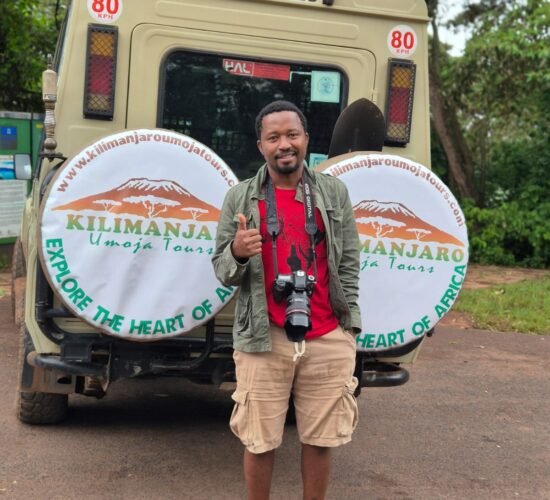
Operated by Kilimanjaro Umoja Tours, a partner of adventuro.