We partner with Rewilding Britain to help protect our natural spaces for future adventures.
All centres are vetted for safety and quality. Your adventure is in good hands with adventuro.
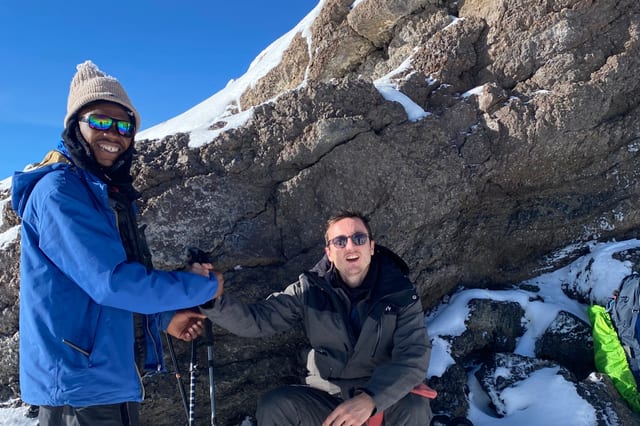
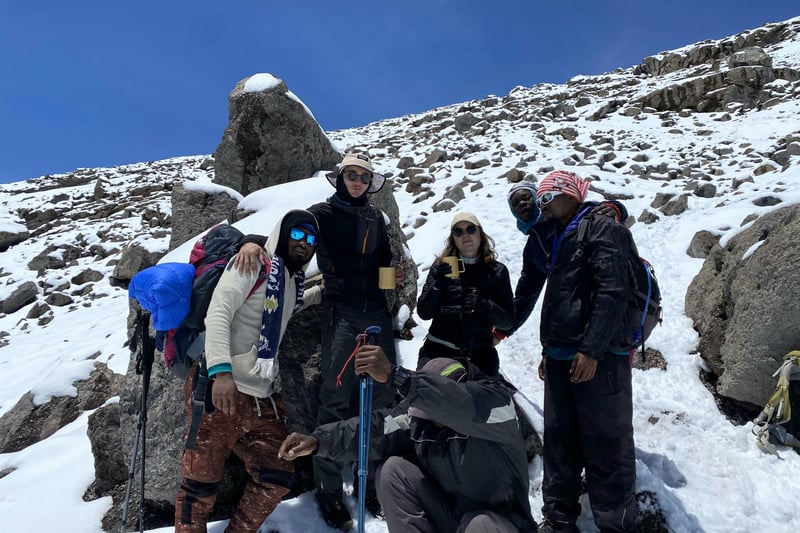
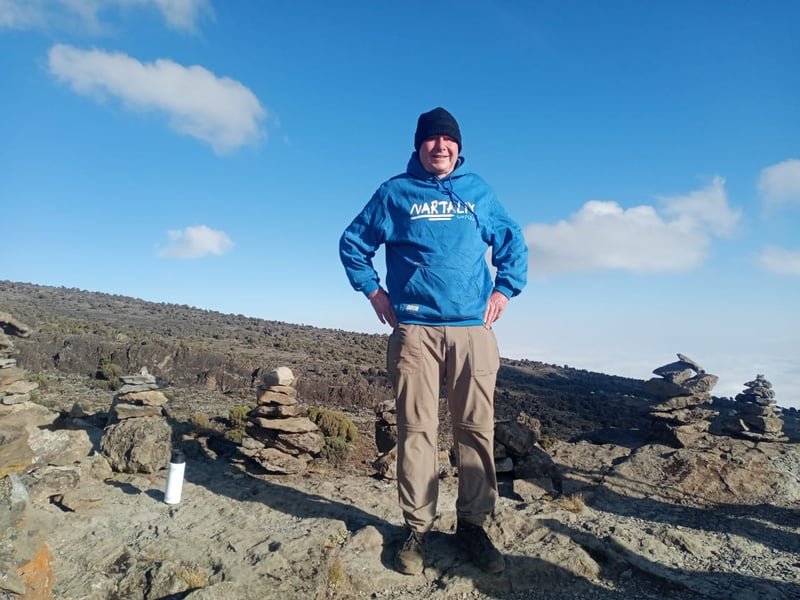
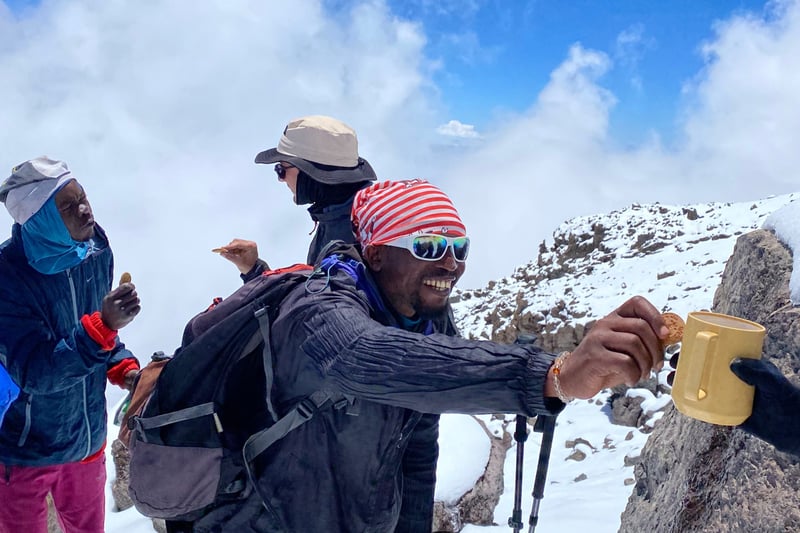
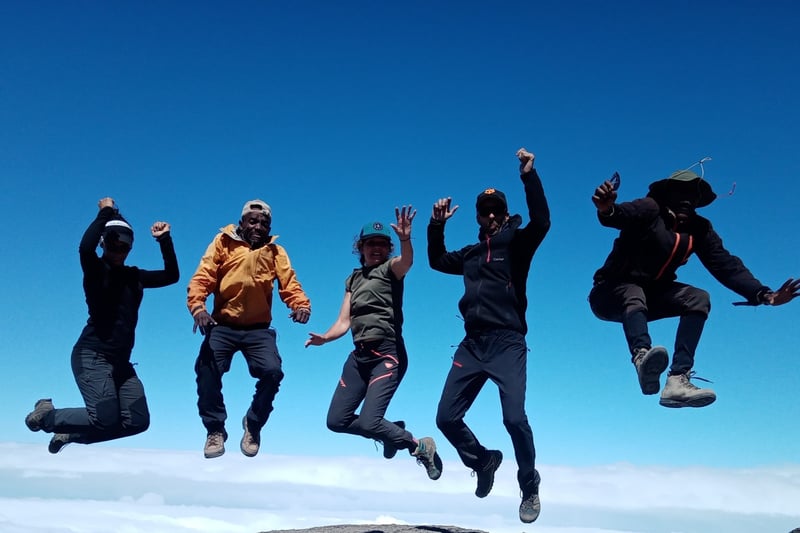
Approach Kilimanjaro from the quiet northern Rongai trail near the Kenyan border, camping on uncrowded paths before joining the summit route from Kibo Hut. The seven-day schedule balances remote moorland walking with a classic midnight push to Uhuru Peak and descent via Marangu forest.
After a scenic drive to Nalemuru Gate you hike through farmland and pine forest into open moorland with Mawenzi on the horizon, then cross the high Saddle before summit anticipation builds at Kibo Hut. The itinerary below details each camp from Simba through summit day and your return to Moshi.
Rongai suits guests who want fewer crowds on the trail, and our teams know the northern moorland stages and Kibo summit push as well as any southern route. Guides monitor altitude symptoms daily and keep communication clear in English from briefing through gate certificates.
We match porter numbers to group size so camp moves stay efficient on longer northern walking days, and honest pre-trek advice helps you decide whether Rongai's steady gradients fit your fitness and trekking background.
JRO airport pick-up and hotel transfer, followed by briefing and gear check focused on northern route camping. Rongai drives are longer on day one of trekking, so rest matters.
Confirm passport details for park registration before you sleep.
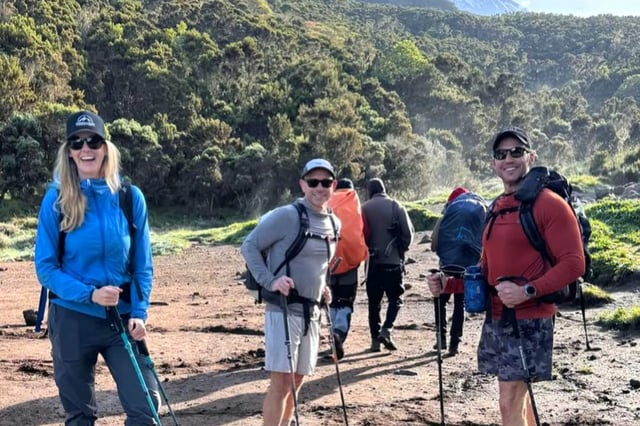
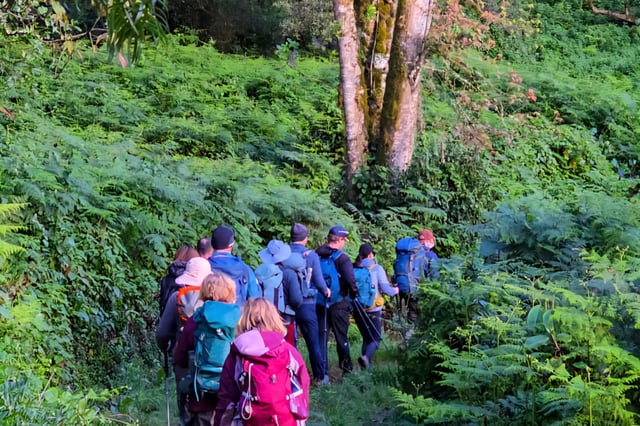
Scenic drive to the northern Nalemuru Gate, then hike through farmland and pine forest toward Simba Camp. Colobus monkeys sometimes appear in quieter woodland sections.
Camp feels remote compared with busy southern gates.
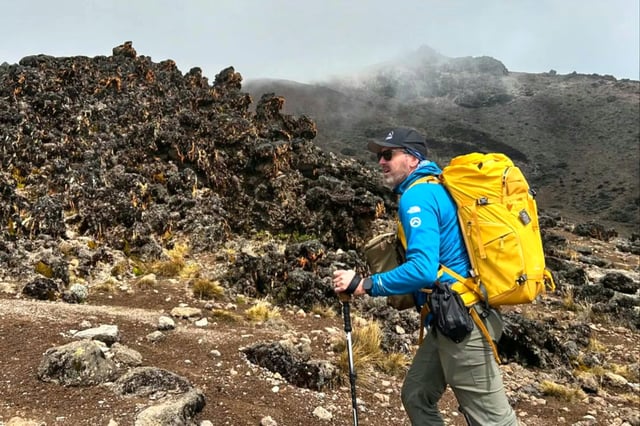
Steady moorland climbing with wide views toward the Kenyan plains below. Mawenzi spires frame the horizon as you approach Second Cave Camp.
Wind increases on exposed ridges, so pack a shell layer in your daypack.
Cross the high Saddle alpine desert to Kibo Hut below the crater wall. The landscape feels lunar and the air noticeably thin at camp.
Early dinner and short sleep prepare you for midnight summit departure.
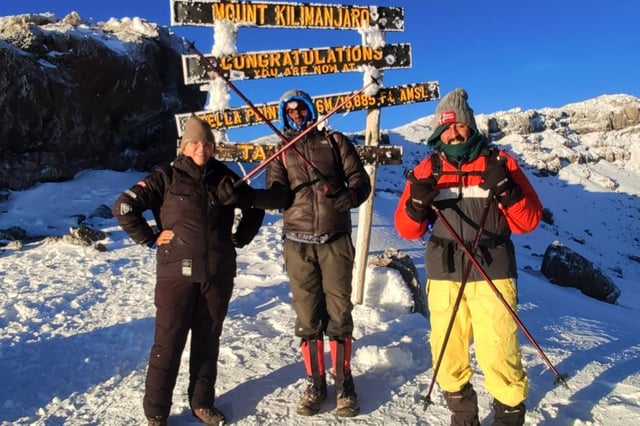
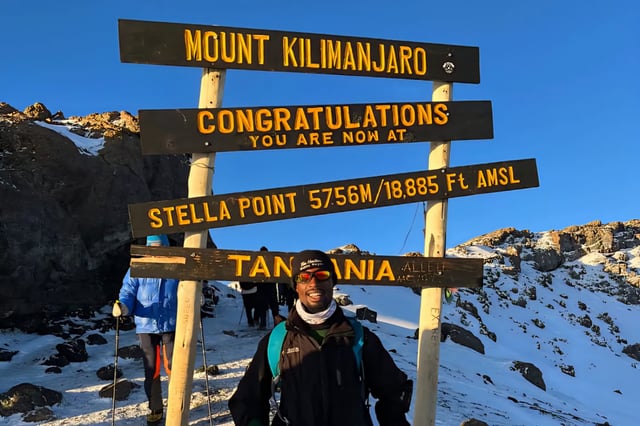
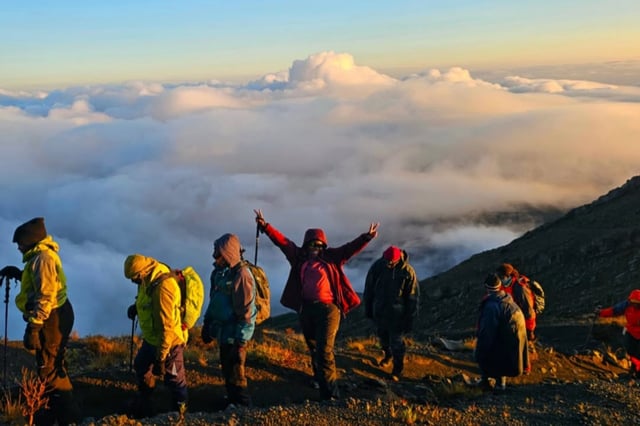
Midnight ascent on scree to Gilman's Point and Uhuru Peak at sunrise, then long descent via Kibo to Horombo Hut for recovery. You cross arctic rim, alpine desert, and moorland in one day.
Poles and patience help on the marathon descent after the summit high.
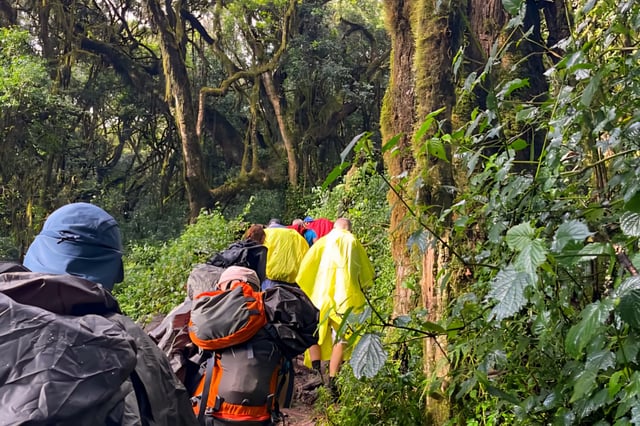
Final long downhill through rainforest to Marangu Gate for certificates and tipping songs with your crew. Vehicle transfer returns you to Moshi for hot showers.
Knees feel the twenty-kilometre descent, so hydrate steadily.
Breakfast at the hotel, optional souvenir shopping, and included transfer back to JRO for your flight home.
Build buffer time after summit week because travel fatigue is real.
Fly into Kilimanjaro International Airport (JRO), where we meet you and drive you to your hotel in Moshi, about an hour away. Your lead guide runs a briefing and kit check before the climb and confirms your passport details for park registration. Rest well that night, because the first trekking day starts with a long drive.
Rongai starts on the northern side of Kilimanjaro near the Kenyan border, so we drive roughly three to four hours from Moshi, round the eastern flank of the mountain, through rural villages to Nalemuru Gate. After registering you set off through farmland and pine forest toward Simba Camp. The trek comes down the Marangu side, and from Marangu Gate we drive you back to Moshi and then to JRO on departure day.
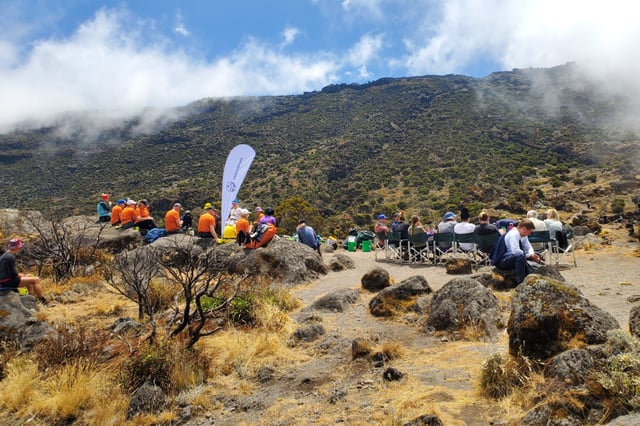
Rongai's northern approach keeps you under canvas at Simba Camp, Second Cave, and Kibo Hut before summit day, with a mess tent for crew-cooked meals each evening. Tents and sleeping mats are included; you pack your own sleeping bag, warm clothing, and toiletries in a porter-carried duffel while you walk with a lighter daypack on steady moorland stages.
Northern camps feel quieter than southern gate sites, though wind can pick up on exposed ridges near Second Cave. Tent sharing follows departure logistics, and private tent requests should be confirmed before you fly to Tanzania when upgrades are offered on your dates.
Rongai's steady gradients still cross cold moorland and brutal summit cold, so pack the same summit-grade kit as southern routes. Waterproof boots, warm sleeping bag to about -10C, down jacket, rain gear, headlamp with spare batteries, trekking poles, and layered clothing from base to shell cover forest dampness and windy Saddle days.
Northern camps can feel breezy, so pack a windproof layer even when Moshi feels tropical at the start of your trip. Summit descent via Marangu forest is long after Uhuru Peak, so poles and knee support matter on the final day downhill.
Rongai approaches from the north with fewer climbers on early trail days, giving a quieter feel than Machame or Marangu starts. The walking is steady rather than steep, which some guests prefer when they want to enjoy the landscape without relentless vertical gain.
Summit day still joins classic Kibo scree paths, so you reach the same Uhuru Peak viewpoint as other routes. Many hikers choose Rongai when they want solitude in the first half of the week before joining the shared summit corridor.
Rongai is a trekking route without ropes or rock climbing on the standard itinerary. Summit night involves steep scree in the dark, but guides set a slow team rhythm and keep the group together through the hardest sections.
Hands are mostly for trekking poles rather than rock moves on this route. Good cardiovascular fitness and comfort with long downhill sections matter more than any technical climbing training.
Crew supply tents, mess tent, sleeping mats, and cooking equipment for every camp on the northern approach and summit circuit. You bring your own sleeping bag and personal clothing layers suitable for cold high camps near Kibo Hut.
Porters transfer duffel bags between camps while you carry a daypack with water, snacks, and spare layers for changing weather. Your guide checks tents each evening and helps with any gear questions before summit night.
National park fees and rescue levies are paid at the gate according to official Tanzania National Parks tariffs on registration day at Nalemuru Gate. Guides help complete forms before you step onto the trail so the process feels straightforward.
Budget USD for gate payments and keep passport details accessible on day one. Park fees are separate from your trek package because authorities set conservation charges independently of operator pricing.
You wake at Kibo Hut around midnight for hot tea before climbing scree toward Gilman's Point on the crater rim. You continue to Uhuru Peak near sunrise, then descend a long way to Horombo Hut the same day through multiple climate zones.
It is the longest day on the calendar and combines summit joy with tired legs on the way down. Trekking poles and steady hydration help enormously during the marathon descent after you leave the crater rim.
Prepare with regular cardio and multi-hour walks because summit day covers big elevation changes in a single push. Rongai gradients are gentler early in the week, but altitude still challenges lungs and legs as you approach Kibo Hut.
Two months of consistent training beats a last-minute fitness rush before flying to Tanzania. Tell us about past injuries so we can advise on pacing during the northern moorland stages.
Waterproof boots, thermal layers, down jacket, rain shell, hat, gloves, headlamp, and a -10C sleeping bag cover standard Rongai kit. Sun protection matters on open moorland afternoons when there is little shade on the northern traverse.
Trekking poles are strongly recommended for the long summit descent to Horombo and Marangu Gate. Pack energy snacks you trust for summit day when appetite often drops at altitude.
High-altitude trekking insurance with evacuation benefits is strongly recommended for Kilimanjaro travel. Medical transport from the mountain is costly without cover, and summit altitude exceeds 5,800 metres on Uhuru Peak.
Verify your policy includes trekking to 6,000 metres before you depart home. Store policy documents and emergency numbers where your guide can access them if illness develops above the Saddle.
Crew tips are customary at trek end and recognise guides, cooks, and porters who support you for seven days on the mountain. Your lead guide outlines suggested amounts during the hotel briefing based on team size and roles.
Pooling contributions at Marangu Gate during the celebration ceremony is the usual approach. Tips are not included in your package price and remain an important part of how mountain crews earn their living.
Solo travellers are welcome with minimum group size one on scheduled departures when dates are open. Tent arrangements follow camp logistics unless you arrange a private tent upgrade before you travel.
Private Rongai climbs offer date flexibility if group departures do not match your travel plan. Solo guests still receive full guide support, meals, and safety monitoring throughout the northern approach and summit day.
About the centre
Moshi
From the foothills of Africa's highest peak, we guide walkers and climbers on carefully paced routes up Mount Kilimanjaro and into the rainforest zones around Moshi. Whether you are aiming for Uhuru Peak on a multi-day trek or want a single-day taste of the mountain on the Marangu trail, our local guides focus on steady acclimatisation, clear briefing, and the kind of practical support that keeps you safe and comfortable on the trail.
We work with small groups and private parties, drawing on years of experience on Machame, Lemosho, Marangu, Rongai, Umbwe, and the Northern Circuit. You'll meet us in Moshi for transfers, equipment checks, and honest advice on fitness and packing before you set foot in Kilimanjaro National Park.
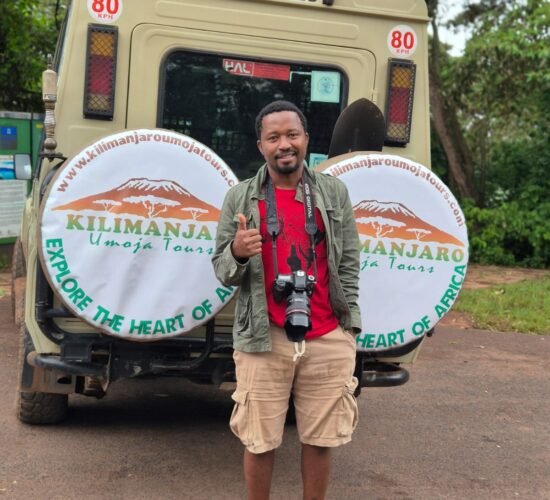
Operated by Kilimanjaro Umoja Tours, a partner of adventuro.