We partner with Rewilding Britain to help protect our natural spaces for future adventures.
All centres are vetted for safety and quality. Your adventure is in good hands with adventuro.
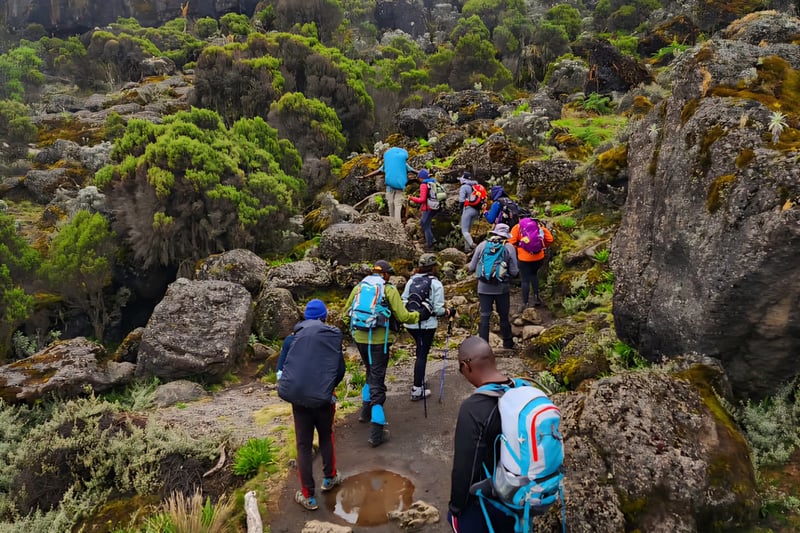
Climb Kilimanjaro on a fast paced six-day Machame camping route that crosses rainforest, Shira Plateau, Barranco Wall, and alpine desert before a midnight push to Uhuru Peak. The itinerary compresses standard overnight stops for guests who still want classic wilderness scenery from Moshi.
Expect consecutive long walking days and one extended stage linking Barranco directly to Barafu, with porters carrying camping kit while you focus on pacing and hydration. Summit night brings headlamps on scree and sunrise on the crater rim, and the itinerary below maps each camp from Machame Gate to your certificate at Mweka Gate.
Machame is a favourite scenic route, and our six-day teams know where to slow the group on the Barranco scramble and how to manage energy before summit night. From the pre-climb gear check through the tipping ceremony at Mweka Gate, you get clear English communication and consistent camp standards.
We treat compressed itineraries seriously, with briefings that explain fitness expectations so you arrive prepared for long days at altitude rather than surprised on day three.
Land at Kilimanjaro International Airport and meet your driver for transfer to Moshi. Your head guide reviews the six-day schedule, checks boots and layers, and answers questions about altitude and pacing.
Rest well because Machame Gate comes early the next morning.
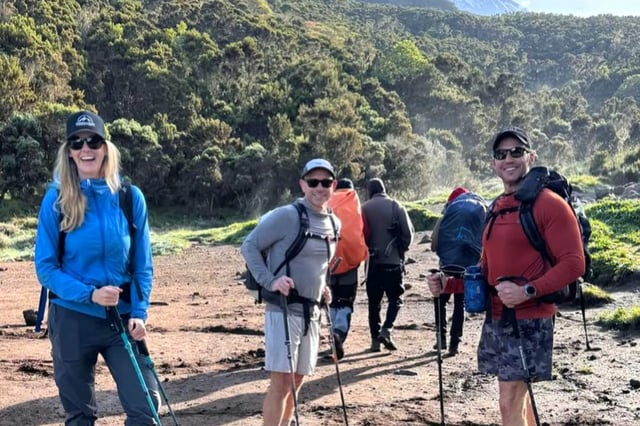
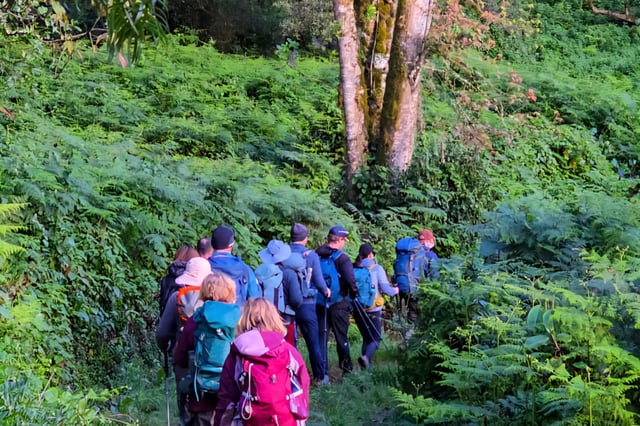
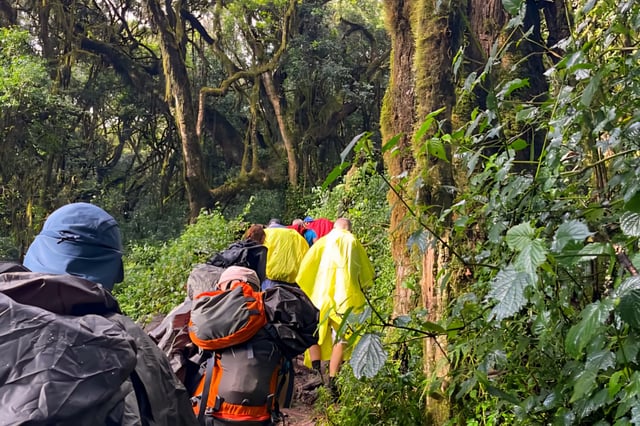
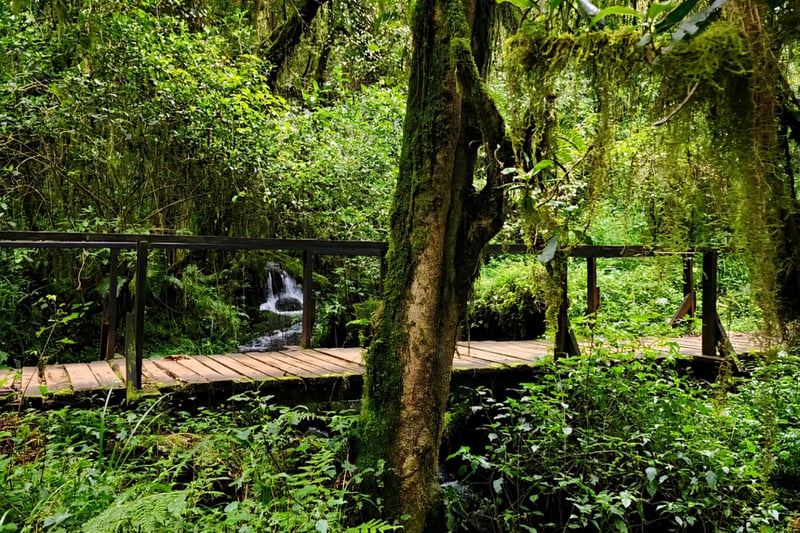
Drive to Machame Gate for registration, then hike through misty montane rainforest on a ridge trail. Colobus monkeys sometimes appear in the canopy before you reach the first camp.
Altitude is moderate today but the path can be muddy, so waterproof footwear pays off immediately.
Climb steeply out of the forest onto heather moorland and cross onto the Shira Plateau with wide views toward Kibo. The air feels thinner as you camp on the open plateau.
Layers go on and off quickly as sun and wind alternate across the caldera landscape.
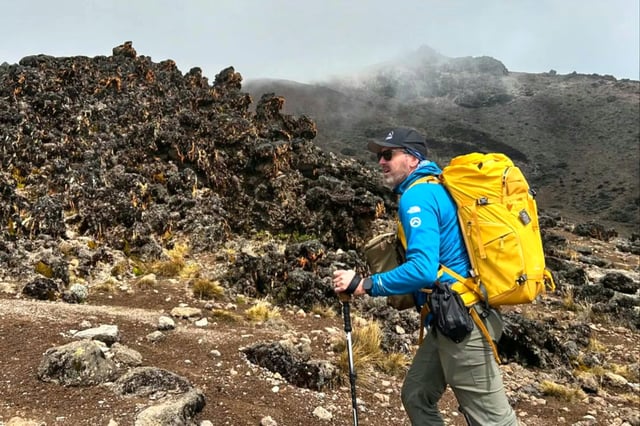
Follow climb-high sleep-low logic up to Lava Tower at 4,630 m for lunch, then descend into Barranco Valley beneath the Great Wall. Giant groundsels line the path into camp.
This is a pivotal acclimatisation day even on the compressed six-day schedule.
Scramble the Barranco Wall, cross Karanga Valley, and push on to Barafu in one long day instead of camping at Karanga. Dinner is early and sleep is short ahead of midnight summit departure.
Guides emphasise hydration and pole pole pacing because altitude is now the main challenge.
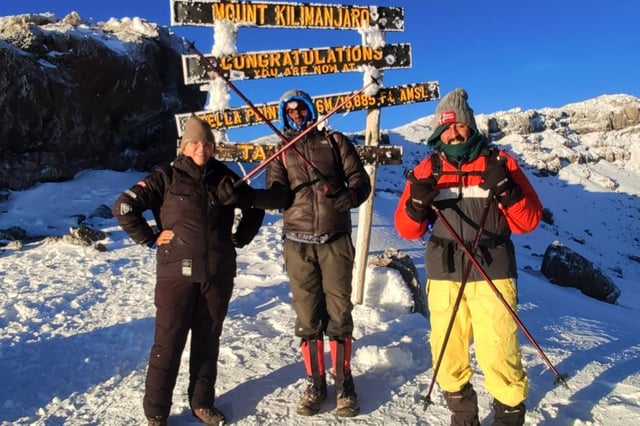
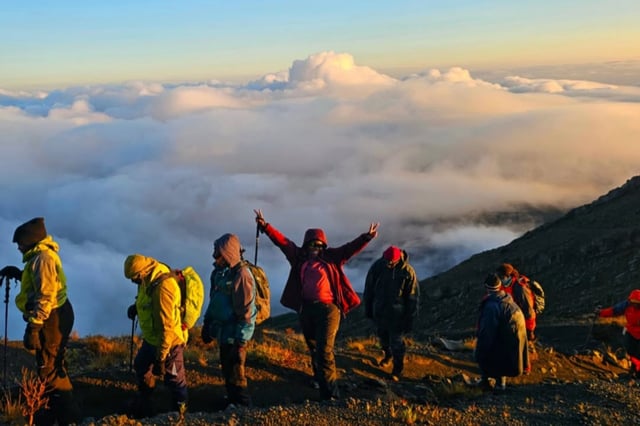
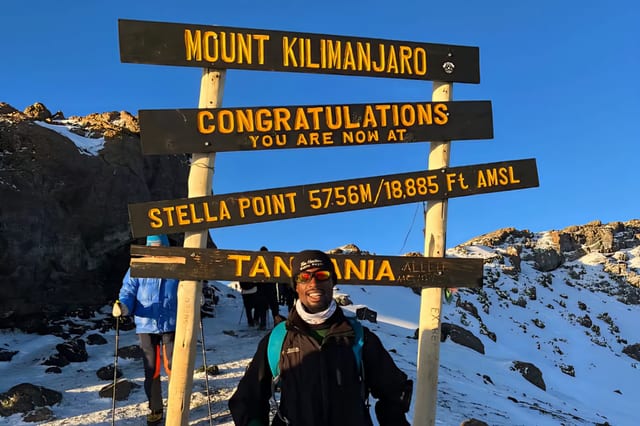
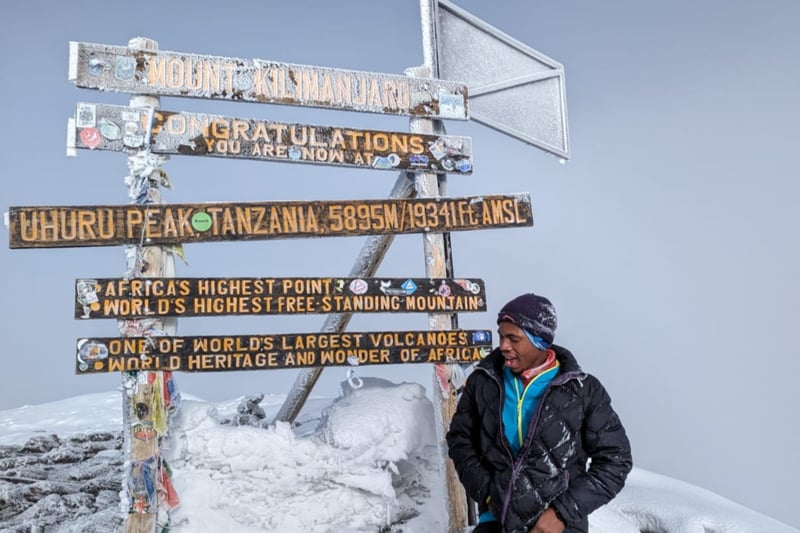
Summit night starts at Barafu with a steep scree climb to Stella Point and a rim walk to Uhuru Peak at sunrise. Descend to Barafu for lunch, then continue down to Mweka Camp in the forest zone.
Emotions run high as you trade ice fields for birdsong on the long descent.
Walk out through rainforest to Mweka Gate for certificates and crew tipping songs. Transfer to Moshi for hot showers, then fly home from JRO on your departure day with included airport transfer.
Knees appreciate trekking poles on the final downhill kilometres.
Your driver meets you at Kilimanjaro International Airport (JRO) and takes you to your hotel in Moshi, about an hour's drive through sugar cane and farmland with Kibo on the horizon when skies are clear. Your lead guide then runs a briefing and equipment check, so there's time to sort out any missing layers in town before you head up the mountain.
Early on the first trekking day we drive roughly 45 minutes west of Moshi to Machame Gate, where you register at the park office and start walking into the rainforest. The trek ends at Mweka Gate, a short drive above Moshi, and we return you to your hotel the same afternoon. An included transfer takes you back to JRO on departure day.
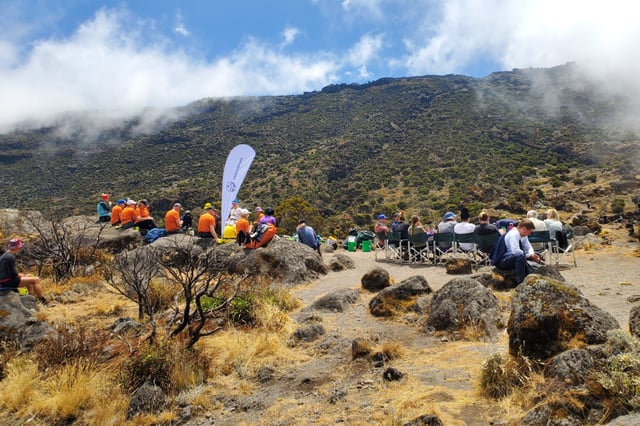
All mountain nights on this six-day Machame schedule are in shared camping tents with a crew mess tent for hot meals and briefings. Sleeping mats are supplied; you pack a sleeping bag rated to about -10C, plus clothing layers in a duffel bag porters carry while you hike with a daypack between Machame, Shira, Barranco, Barafu, and Mweka camps.
Because Barranco links directly to Barafu on the compressed calendar, camp moves can feel brisk, yet porters still set up tents before you arrive whenever trail conditions allow. Twin-share tents are standard unless you request a private tent upgrade in advance on dates where that option is available.
Machame crosses every climate zone in under a week, so pack for rain in the forest, wind on Shira, and sub-zero feel on summit scree. Essential kit includes waterproof boots, gaiters, thermal layers, down jacket, rain shell, -10C sleeping bag, headlamp with spare batteries, and trekking poles for Barranco and the long descent after summit day.
Because Barranco links directly to Barafu on this six-day schedule, pack energy snacks you trust for the longest walking day before summit night. Guides check boots and summit layers at briefing; replace worn soles before you fly because Machame's rocky steps wear smooth tread quickly.
The six-day version skips some overnight stops by linking longer days, especially between Barranco and Barafu. You still follow the same scenic Machame trail through rainforest, Shira, and Barranco, but you spend less time sleeping at altitude before summit night.
Choose seven-day Machame if you want an extra acclimatisation night at Karanga and a gentler pace in the final days. The six-day schedule suits fit hikers with limited holiday time who accept longer walking days earlier in the week.
Machame is a walking route with a short Barranco Wall scramble that uses hands and feet but no ropes. Fitness, balance, and altitude tolerance matter far more than rock-climbing technique, and your guides coach the group through each step on the wall.
Summit night is steep scree walking in cold darkness rather than technical climbing. If you are comfortable on long hill walks at home, you can succeed on Machame with good preparation and steady pacing on the mountain.
Tents, mess tent, sleeping mats, and cooking equipment are supplied by the crew for every camp from Machame Gate to Mweka. You bring your own sleeping bag rated to about -10C, personal clothing layers, and a daypack for water and snacks on the trail.
Porters carry duffel bags between camps while you hike with a lighter load, which makes long days more manageable. Your guide checks tent setup each evening so you can focus on rest, food, and hydration before the next stage.
Park entry, camping, and rescue fees are paid at Machame Gate according to current Tanzania National Parks tariffs on your first trekking morning. Your guide helps complete registration paperwork and explains what is due before you step onto the trail.
Keep passport details and payment methods accepted by the park office handy on day one. Fees are separate from your trek package because national park charges are set by the authorities and can change with notice.
You wake around midnight at Barafu Camp for hot drinks before climbing scree slopes in the dark toward Stella Point on the crater rim. After sunrise you continue along the rim to Uhuru Peak, then descend past Barafu to Mweka Camp in the forest zone the same day.
The entire summit round trip often takes twelve to fifteen hours including rest stops, making it the longest and most emotional day of the trek. Guides set a slow team pace, monitor everyone for altitude symptoms, and keep you moving safely up and down the scree.
Plan two months of cardio and hill training because consecutive long days arrive quickly on a six-day calendar. Being able to hike six hours on back-to-back days with a light pack is a useful benchmark before you fly to Tanzania.
Tell us about injuries or health issues so we can advise honestly on readiness for a compressed Machame schedule. Guests who already enjoy regular weekend hiking usually adapt faster than those who only train in the gym without outdoor mileage.
Waterproof boots, thermal layers, down jacket, rain shell, hat, gloves, headlamp, and trekking poles are standard kit for Machame's changing climate zones. A 30-litre daypack with rain cover protects snacks, spare layers, and camera gear on wet forest days.
Sunglasses and high-SPF sunscreen are vital on the Shira Plateau and summit ridge where sun and wind are intense. Pack spare headlamp batteries because cold summit air drains power quickly during the midnight ascent.
Comprehensive insurance with high-altitude trekking and medical evacuation cover is strongly recommended for any Kilimanjaro climb. Rescue flights and hospital care abroad are expensive without suitable cover, and summit altitude reaches 5,895 metres.
Arrange your policy before you book flights and confirm altitude limits include trekking to 6,000 metres. Keep emergency contact numbers and policy documents accessible in your daypack during summit night and the long descent afterward.
Tips for guides, cooks, and porters are expected at the end of the trek and recognise the hard work of your mountain crew. Your lead guide explains suggested contribution ranges during the hotel briefing based on group size and trek length.
Many teams pool cash in USD or Tanzanian shillings at the Mweka Gate ceremony when certificates are handed out. Tipping is voluntary in law but customary on Kilimanjaro, and crews rely on it as part of their income.
Minimum group size is one and open departures welcome solo hikers who want to join a scheduled team. Tent sharing follows camp logistics unless you request a private tent upgrade where that option is available on your dates.
Private climbs can be arranged on dates that suit your travel plans if you prefer not to wait for a group departure. Solo travellers still get the same guide support, meals, and safety monitoring as larger teams on the Machame route.
About the centre
Moshi
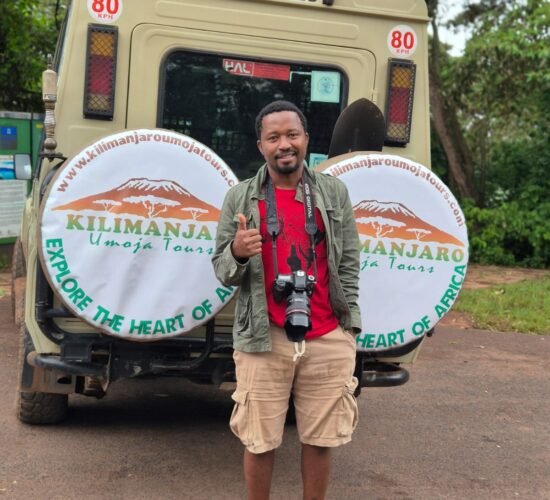
From the foothills of Africa's highest peak, we guide walkers and climbers on carefully paced routes up Mount Kilimanjaro and into the rainforest zones around Moshi. Whether you are aiming for Uhuru Peak on a multi-day trek or want a single-day taste of the mountain on the Marangu trail, our local guides focus on steady acclimatisation, clear briefing, and the kind of practical support that keeps you safe and comfortable on the trail.
We work with small groups and private parties, drawing on years of experience on Machame, Lemosho, Marangu, Rongai, Umbwe, and the Northern Circuit. You'll meet us in Moshi for transfers, equipment checks, and honest advice on fitness and packing before you set foot in Kilimanjaro National Park.
Operated by Kilimanjaro Umoja Tours, a partner of adventuro.