We partner with Rewilding Britain to help protect our natural spaces for future adventures.
All centres are vetted for safety and quality. Your adventure is in good hands with adventuro.
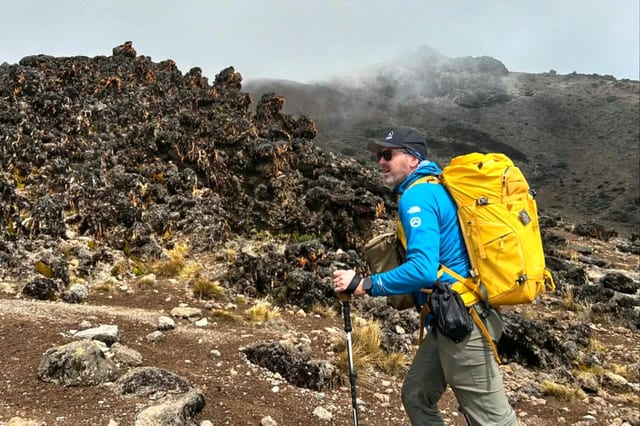
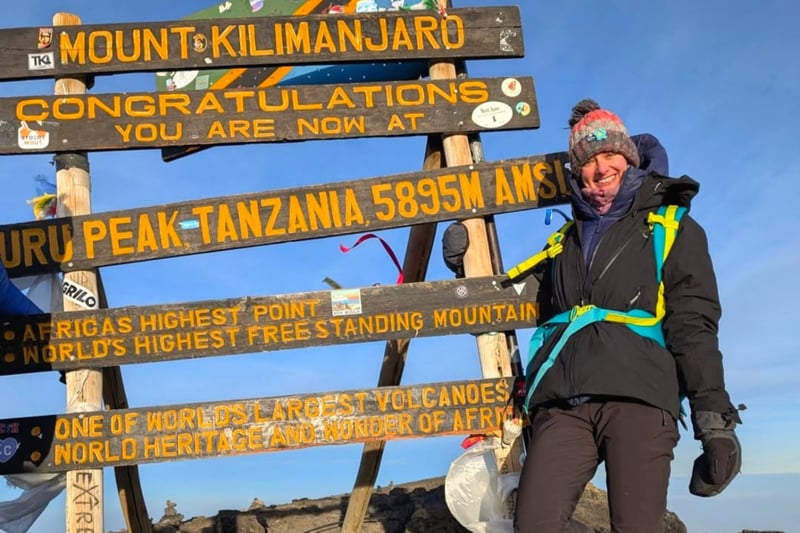
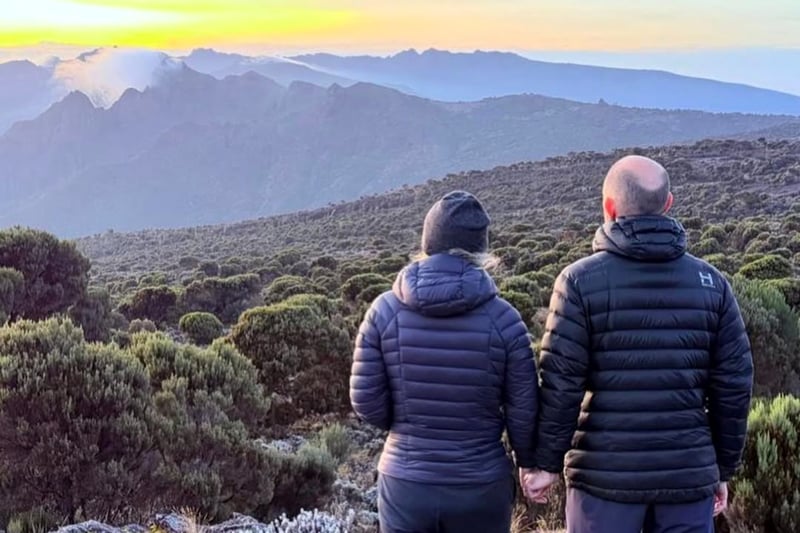
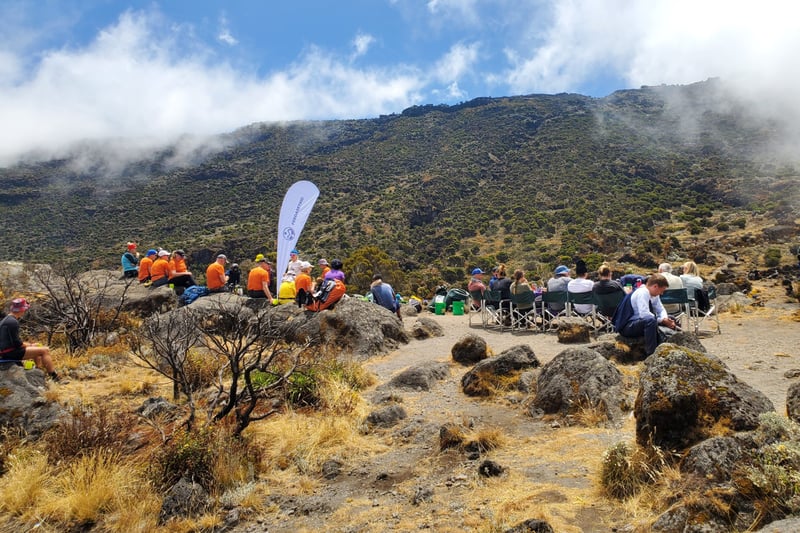
Trek Kilimanjaro's scenic Lemosho Route over seven camping days, starting on quiet western rainforest trails before joining the southern circuit for Barranco, Karanga, and Barafu. Gradual ascent and a Lava Tower day improve acclimatisation chances on the way to Uhuru Peak.
You begin near Londorossi Gate with colobus monkeys in the canopy before bursting onto the Shira Plateau, then follow climb-high sleep-low logic toward Barranco and summit night from Barafu. The itinerary below details each camp from Big Tree through Mweka Gate celebration.
We schedule Lemosho groups with enough porters to keep camp moves smooth on the long Shira crossing days, and guides monitor altitude symptoms throughout the week. We will turn a climber back if safety requires it, even when summit day is close, because your wellbeing matters more than a photo at the top.
Clear English briefings cover what each climate zone feels like so you pack the right layer at the right time, and the crew celebration at Mweka Gate is the kind of joyful finish that keeps guests recommending the route to friends.
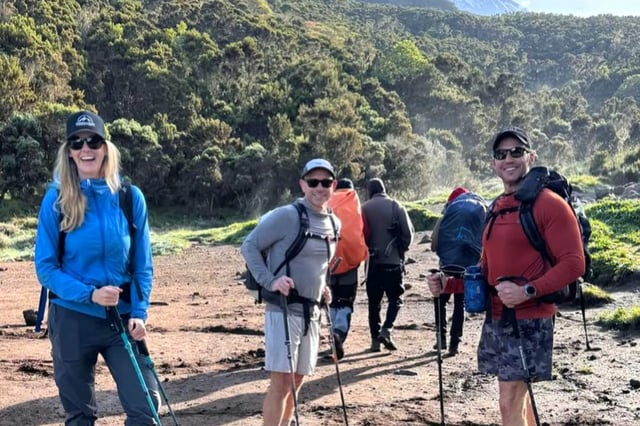
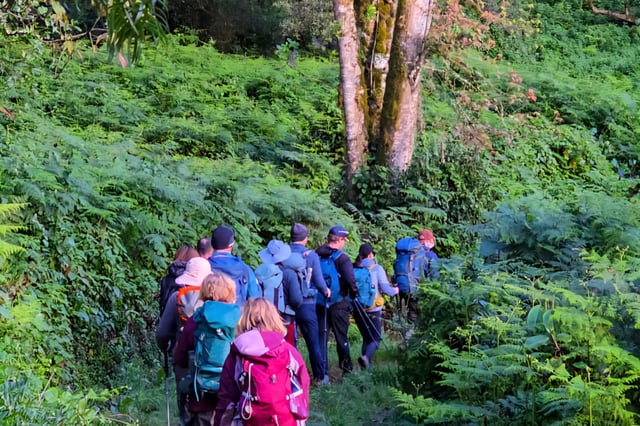
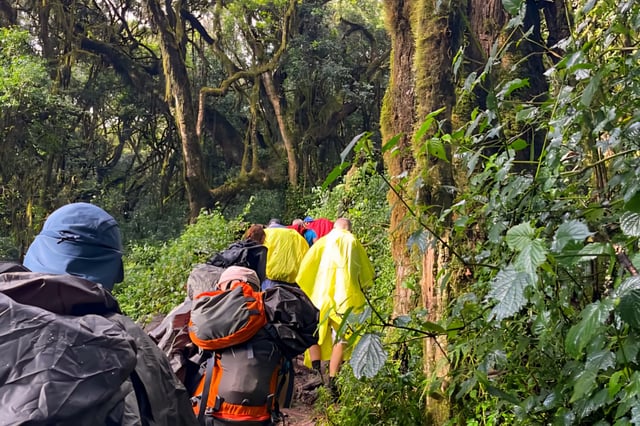
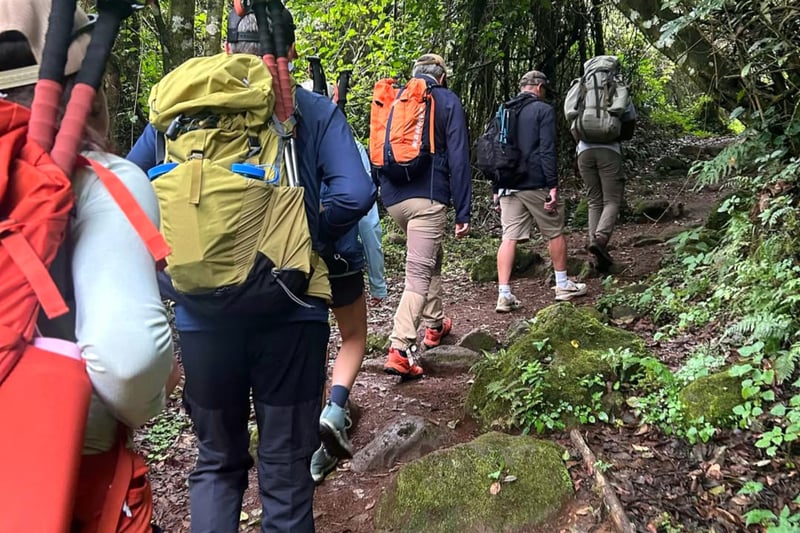
Register at Londorossi Gate and start on a gentle rainforest trail with birds and colobus monkeys in the canopy. Big Tree Camp is your first night under canvas on the quiet western side of the mountain.
Rain gear helps because western forest can be misty even when Moshi is sunny.
Climb out of forest into moorland ridges and cross the Shira Plateau toward higher camp. Views toward Kibo improve as you gain altitude across open terrain.
Poles help on rocky sections and sun protection matters on the exposed plateau.
Ascend to Lava Tower at 4,630 m for lunch, then drop into Barranco Valley beneath the Great Wall. This climb-high sleep-low day is key for Lemosho acclimatisation.
Camp sits among giant groundsels with dramatic cliffs above you.
Scramble the Barranco Wall after breakfast and traverse hills to Karanga for a hot lunch and afternoon rest. Glacier views from the wall top are a highlight photographers love.
Shorter day prepares legs for the push to Barafu tomorrow.
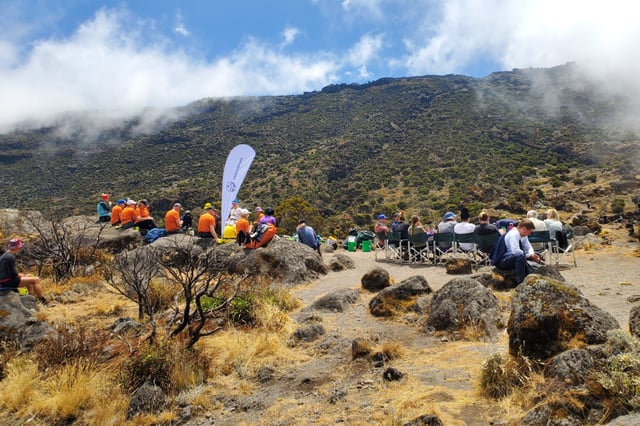
Steady climb through alpine desert to Barafu Base Camp by early afternoon. Eat early dinner, organise summit clothing, and sleep before midnight wake-up.
Wind and cold increase here, so down jackets stay handy even before sunset.
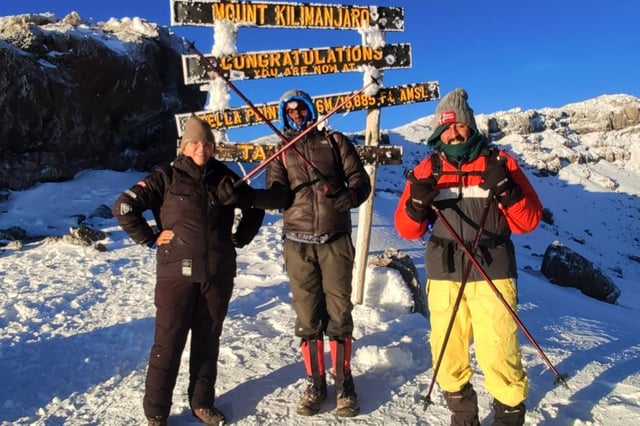
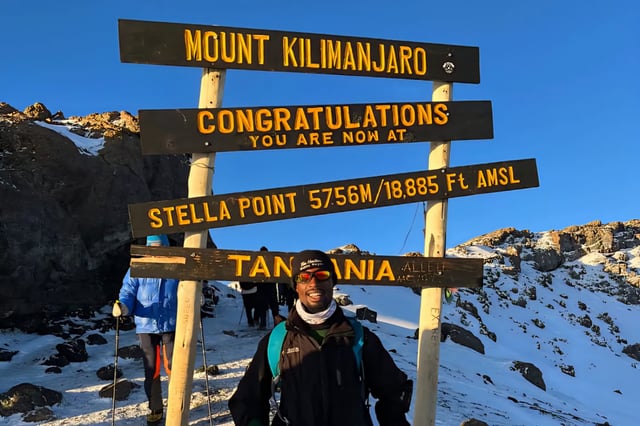
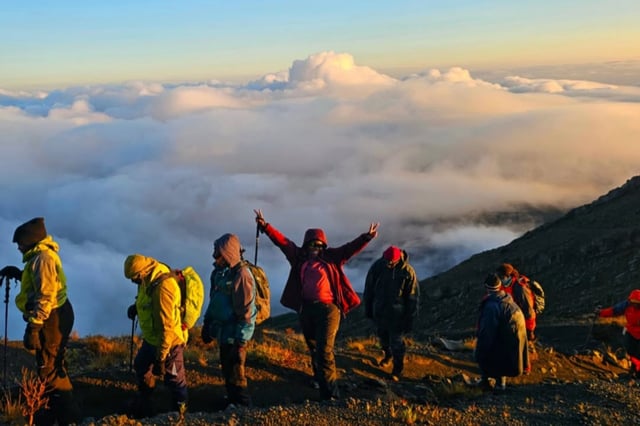
Midnight start for scree slopes to Stella Point and Uhuru Peak at sunrise, then long descent via Barafu to Mweka Camp in forest zone. Emotion and fatigue mix on this epic day.
Guides remind you to descend carefully because tired knees slip easily on scree.
Gentle rainforest walk to Mweka Gate for certificates and tipping ceremony with your crew. Road transfer returns you to town for recovery and onward travel.
Share photos with teammates while memories are fresh on the drive out.
We meet you at your hotel in Moshi or Arusha, whichever suits your flights. Both towns are about an hour from Kilimanjaro International Airport (JRO), and we can arrange airport transfers for your arrival and departure days. Plan at least one night in town before the trek so your guide can brief you and check your kit before the western approach.
Lemosho starts on the quiet western side of the mountain, so day one begins with a longer drive of roughly three to four hours from Moshi to Londorossi Gate, passing through farmland and forest plantations. After registering at the gate, you continue a short way to the Lemosho trailhead and start walking into the rainforest. The trek ends at Mweka Gate above Moshi, and we drive you back to town that afternoon.
All six nights on Lemosho are spent in mountain tents with a shared mess tent for breakfast, dinner, and evening briefings. Crew provide tents, sleeping mats, and full kitchen setup at Big Tree, Shira, Barranco, Karanga, Barafu, and Mweka camps while you carry a daypack on western rainforest and southern valley walking days.
You supply a warm sleeping bag and personal toiletries in a duffel bag porters move ahead of the group. Tent sharing is normal on open departures; private tent upgrades can be arranged before you travel when available on your start date.
Lemosho can be wet under forest canopy and windy on the Shira Plateau, while Barafu and summit night are genuinely cold. Pack waterproof boots, gaiters, a -10C sleeping bag, down jacket, rain trousers and shell, thermal layers, headlamp with spare batteries, and trekking poles for Barranco Wall and the long summit descent.
Western start days are scenic but can be muddy, so quick-dry trousers and spare socks save comfort. Test your headlamp before summit night and pack hand warmers if you chill easily above 5,000 metres.
Lemosho starts on quieter western trails before merging with southern scenery at Barranco, so early days feel less crowded than Machame gate starts. The approach also spreads altitude gain across more scenic plateau walking with strong photo opportunities.
Machame is slightly busier but similarly beautiful; Lemosho suits guests who want a western rainforest start with excellent acclimatisation days before summit night. Both routes reach the same Uhuru Peak viewpoint on the crater rim.
Lemosho remains a trek with a short Barranco scramble that does not require ropes. Hands and feet help on the wall, but guides coach the group through each step and keep everyone together safely.
Summit night is slow walking on scree rather than technical climbing moves. Hill fitness and altitude awareness matter more than any indoor climbing background before you travel to Tanzania.
Crew provide tents, mess tent, sleeping mats, and full kitchen setup at every camp on the Lemosho route. You bring your own sleeping bag, clothing layers, and toiletries in your duffel bag for the week on the mountain.
Porters move camp while you walk, so daily mileage feels lighter than self-supported backpacking. Your guide inspects tents each evening and helps troubleshoot any gear issues before summit night.
Park fees and rescue levies are paid at Londorossi Gate per Tanzania National Parks rules on your first trekking morning. Keep passport details ready for registration forms and budget USD for gate payments before the hike begins.
Your guide explains each line item so there are no surprises at the gate office. National park charges are set by the authorities and may change independently of your trek package price.
Barafu Camp wake-up is around midnight for hot drinks before ascending scree toward Stella Point on the crater rim. You continue along the rim to Uhuru Peak as daylight breaks over Tanzania, then descend via Barafu to Mweka Camp in the forest zone the same day.
Descent to Mweka Camp the same day makes summit day the longest on the itinerary, often twelve to fifteen hours on your feet. Guides watch fatigue closely on scree because tired knees slip more easily after the emotional high of the summit.
Seven days help acclimatisation but still require stamina for five to seven hour walking days on consecutive mountain stages. Train on hills and stairs for two months before departure so your legs and lungs are ready for Shira and Barranco.
Guests who already hike weekly at home adapt faster to consecutive mountain days than occasional gym users. Share any injuries or health conditions with us before you book so we can advise honestly on readiness.
Full Kilimanjaro layering system plus -10C sleeping bag, waterproof boots, trekking poles, headlamp, and sun protection are essential for Lemosho. Western forest can be wet while Barafu is cold and windy, so pack rain gear and down insulation together.
Pack spare batteries for headlamps because cold drains power quickly on summit night. A dry bag inside your daypack keeps spare layers usable when afternoon showers roll across the plateau.
High-altitude trekking insurance with medical evacuation cover is essential for responsible travel on Kilimanjaro. Without it, emergency helicopter or road evacuation costs fall entirely on the traveller and can reach tens of thousands of dollars.
Confirm your policy altitude limit includes trekking to 6,000 metres before you purchase flights. Keep policy numbers and emergency hotlines in your daypack during summit night and the long descent to Mweka Camp.
Crew tips are customary on Kilimanjaro and recognise guides, cooks, and porters who make the trek possible. Briefing explains suggested pooled amounts per role based on team size and the seven-day itinerary.
Many guests present pooled contributions at Mweka Gate during the certificate ceremony with their lead guide. Tipping is not included in your package price and remains an important part of crew income on the mountain.
Solo departures are welcome with minimum group size one on open dates published for Lemosho. Tent sharing follows camp logistics unless you arrange a private tent upgrade in advance with our team.
Private Lemosho climbs let you pick start dates that match your flight schedule if group dates do not align with your holiday. Solo travellers receive the same meals, safety monitoring, and guide attention as larger teams throughout the week.
About the centre
Moshi
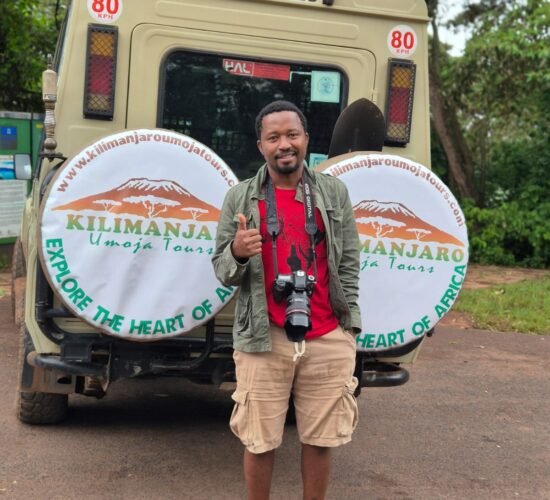
From the foothills of Africa's highest peak, we guide walkers and climbers on carefully paced routes up Mount Kilimanjaro and into the rainforest zones around Moshi. Whether you are aiming for Uhuru Peak on a multi-day trek or want a single-day taste of the mountain on the Marangu trail, our local guides focus on steady acclimatisation, clear briefing, and the kind of practical support that keeps you safe and comfortable on the trail.
We work with small groups and private parties, drawing on years of experience on Machame, Lemosho, Marangu, Rongai, Umbwe, and the Northern Circuit. You'll meet us in Moshi for transfers, equipment checks, and honest advice on fitness and packing before you set foot in Kilimanjaro National Park.
Operated by Kilimanjaro Umoja Tours, a partner of adventuro.