We partner with Rewilding Britain to help protect our natural spaces for future adventures.
All centres are vetted for safety and quality. Your adventure is in good hands with adventuro.
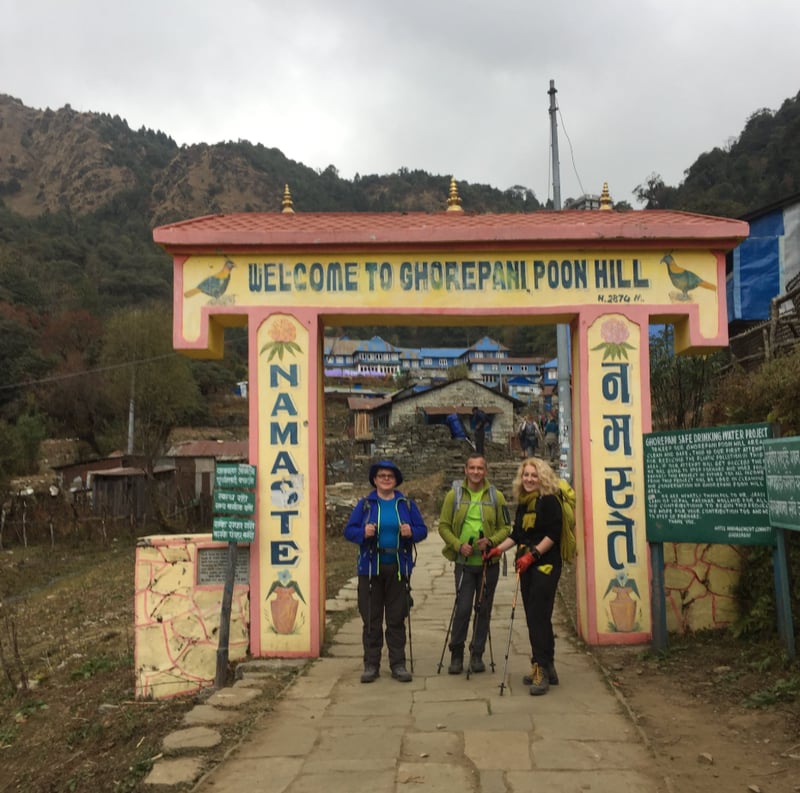
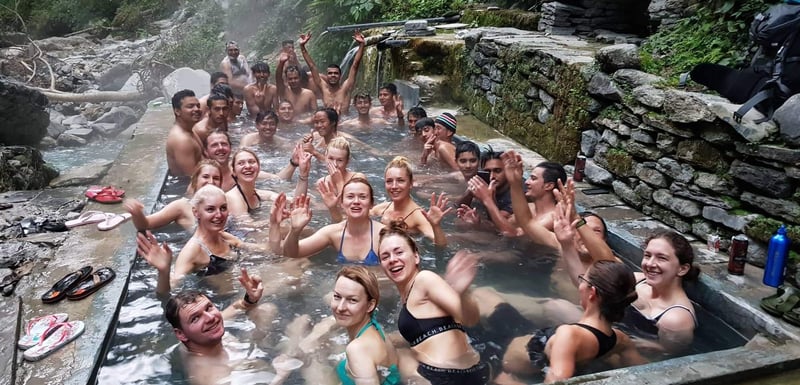
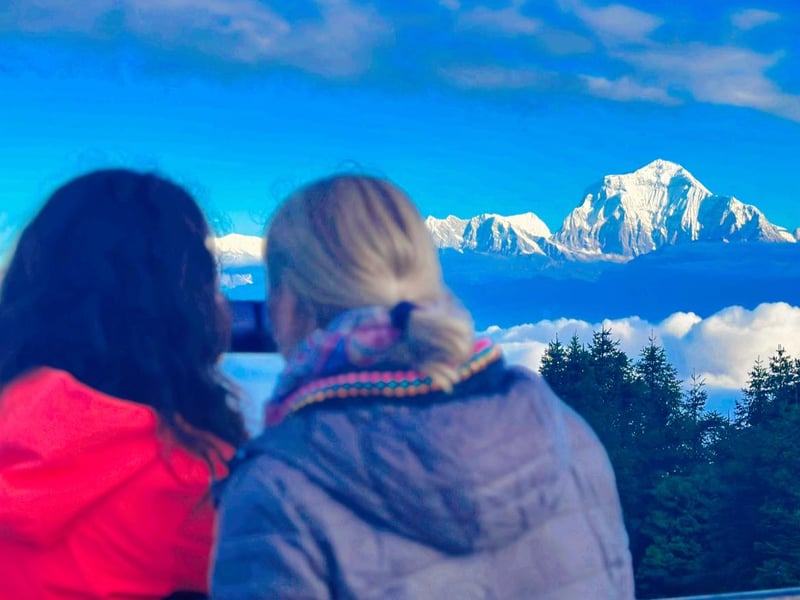
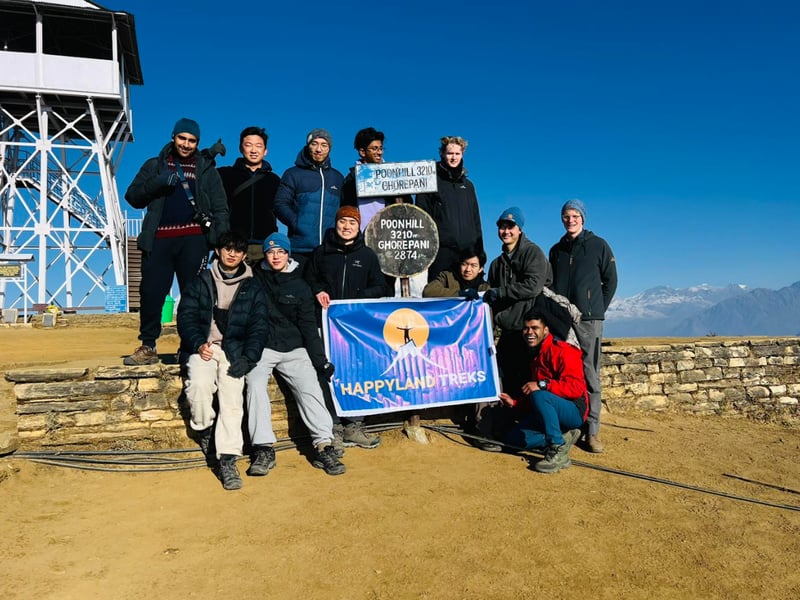
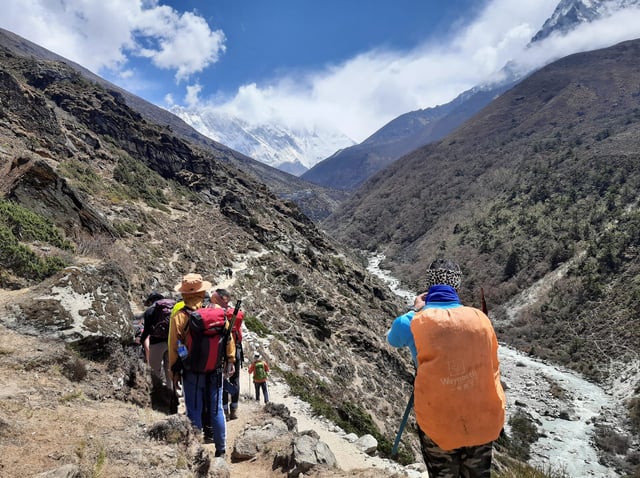
Trek through rhododendron forests, hillside villages and terraced farmland on this scenic 10-day route through the lower Annapurna region. The Poon Hill Trek via Hot Spring is a relaxed but rewarding journey, perfect for newer trekkers, families, or those who prefer to stay at lower altitudes. From mountain sunrises to natural hot springs, this route offers something different each day.
Day 1: Arrival in Kathmandu (1,400m)
You’ll be met at Tribhuvan International Airport and transferred to your hotel in Kathmandu. After settling in, there will be time to meet your trek leader, ask questions about the days ahead, and check your kit list.
Day 2: Drive to Pokhara (820m)
Travel west by tourist bus or private vehicle to Pokhara, which takes around 6–7 hours depending on traffic. This is a scenic journey through riverside towns and hillsides, ending in the lakeside city where you'll stay overnight.
Day 3: Pokhara to Nayapul, then trek to Tikhedhunga/Ulleri (1,540m/2,050m)
Start early with a short drive to Nayapul where the trek begins. Follow a riverside trail past local settlements and farmland before ascending stone steps to reach either Tikhedhunga or Ulleri for your overnight stay, depending on pacing.
Day 4: Trek to Ghorepani (2,850m)
Continue uphill through oak and rhododendron forests, gradually gaining elevation with breaks at small teahouses along the route. The final ascent to Ghorepani is steep but steady, with views beginning to open up as you near the top.
Day 5: Poon Hill Sunrise Hike (3,210m), then trek to Tadapani (2,630m)
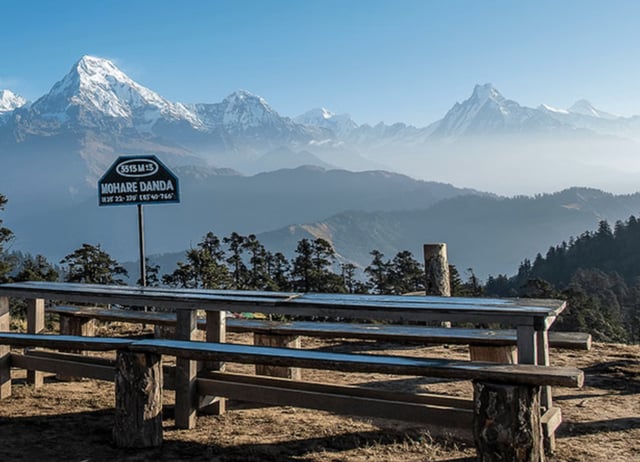
Wake up early and hike to Poon Hill for sunrise views over Annapurna and Dhaulagiri. After returning for breakfast, descend through forest trails to Deurali and then continue on winding paths toward Tadapani.
Day 6: Trek to Chhomrong (2,170m)
The trail today begins with a descent through dense woodland followed by a series of ups and downs across ridges and river crossings. Reach Chhomrong by late afternoon, a lively village with excellent views and plenty of places to stay.
Day 7: Trek to Jhinu Danda and visit the hot springs (1,780m)
Trek downhill to Jhinu Danda and settle into a teahouse before making your way to the hot springs, which are a short walk below the village along the riverbank. This is one of the most enjoyable and relaxing parts of the trek.
Day 8: Trek to Ghandruk (1,940m)
After breakfast, make your way through forested sections and village trails toward Ghandruk. This is a traditional Gurung village with great views of Annapurna South and Machapuchare. There’s time to explore or simply enjoy the mountain atmosphere.
Day 9: Trek to Nayapul and drive to Pokhara
The trail leads downhill through terraced slopes and along a mix of gravel tracks and paved sections. Once you reach Nayapul, your vehicle will be waiting to return you to Pokhara. The evening is free to relax or explore Lakeside.
Day 10: Return to Kathmandu
Travel back to Kathmandu by road. After checking in to your hotel, there will be time to rest, shop for souvenirs, or take part in a farewell meal if included in your package.
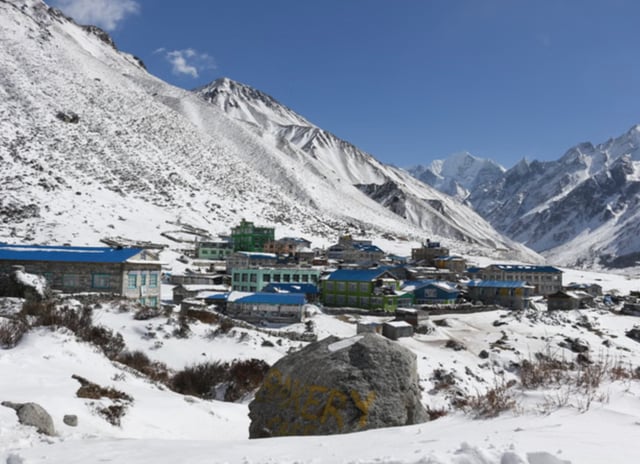
The trek takes place in Nepal’s lower Annapurna region, starting from Nayapul, around a 90-minute drive from Pokhara. The route moves through classic hillside scenery, including forests, waterfalls, and cultivated farmland. It passes through well-known villages such as Ghorepani, Chhomrong, and Ghandruk, and the trail is well-established with plenty of teahouses along the way.
The highest point of the trek is Poon Hill at 3,210m, a short early-morning climb from Ghorepani known for its panoramic sunrise views. Jhinu Danda, where you’ll relax in natural hot springs, sits lower down along the Modi Khola river, surrounded by forest and terraced hillsides.
Accommodation is in local teahouses during the trek and standard tourist hotels in Kathmandu and Pokhara. Teahouses typically offer simple twin-share rooms with shared toilets and common dining areas. Some may have hot showers available for a small fee, although facilities vary by village and altitude.
Most teahouses serve a mix of Nepali and Western-style meals. Dal Bhat is the staple, offering unlimited refills, while breakfasts usually include porridge, eggs, pancakes, or toast. Vegetarian options are always available. In Kathmandu and Pokhara, hotel rooms are more comfortable with private bathrooms, hot water, and easy access to cafés and shops.
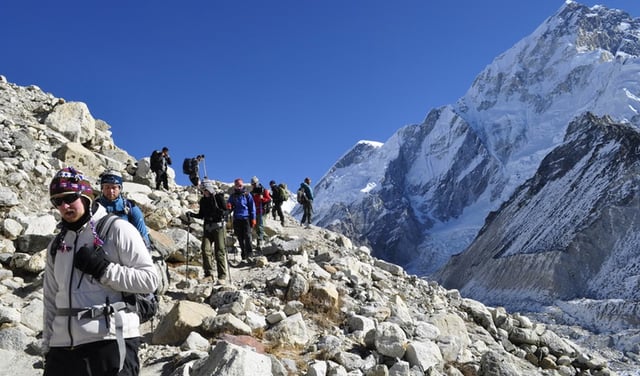
This trek is accessible to anyone with a basic level of fitness. You should be comfortable walking for 4–6 hours per day on mixed terrain, with frequent breaks and a steady pace. The route includes some uphill sections and stone stairways, especially the ascent to Poon Hill and descent into Jhinu Danda.
Although the altitude is moderate, it’s still important to stay hydrated, eat well, and rest between days. Your guide will help monitor for any signs of fatigue or discomfort. Trekking poles, layered clothing, and waterproofs are recommended, and all trekkers should have personal insurance that covers altitude hiking and medical evacuation.
This trip is led by experienced guides who are familiar with the terrain, weather, and needs of beginner trekkers. Safety, comfort, and local insight are all prioritised, with staff ensuring each day is manageable and enjoyable regardless of group size or pace.
Support is provided throughout, from pre-departure to your final return to Kathmandu. The route has been carefully planned to offer cultural immersion, natural highlights like hot springs, and manageable walking days. The team also understands the importance of flexibility—adjusting plans if weather, energy levels, or conditions require it.
The trek is considered easy to moderate, suitable for beginners or those with limited trekking experience. Daily walking times range from 4 to 6 hours at a steady pace with regular breaks, allowing for good acclimatisation and rest. The trail includes some steep sections, particularly the final climb to Poon Hill, but these can be managed comfortably if you take your time.
It is recommended to undertake some basic fitness preparation before the trek, such as regular walking, cardio exercises, and strength training for your legs and core. This will help you enjoy the trek more and reduce the risk of injury or excessive fatigue.
Accommodation is provided in mountain lodges and tea houses along the route. These are basic but clean, with simple shared rooms and facilities. Most lodges have western or squat toilets and running water, though hot showers may be limited and usually come at an extra cost. It’s advisable to carry your own toiletries and toilet paper as supplies can vary.
Evenings in the lodges provide an opportunity to relax after the day’s walk, with meals served in communal dining areas. The lodges offer traditional Nepali and Western meals, which are filling and hygienic, ensuring you stay well nourished throughout your journey.
Three meals a day are included: breakfast, lunch, and dinner. Breakfast options typically include porridge, eggs, pancakes, and toast. For lunch and dinner, you can expect a variety of dishes such as Dal Bhat (rice with lentil soup and vegetable curry), momos, noodles, and fried rice. Some lodges also serve Tibetan breads, soups, and occasional pasta or pizza.
All food is prepared hygienically using local ingredients and traditional methods, which may give some dishes a different taste than you are used to. There is an abundance of fresh, hot meals available to keep you fuelled, especially after soaking in the natural hot springs along the way.
The prime trekking seasons are spring (March to May) and autumn (September to November). During these months, weather conditions are generally mild, skies clear, and trails dry, offering excellent visibility and comfortable temperatures. These seasons also coincide with rhododendron blooms in spring and stable weather in autumn.
Monsoon season (June to August) is not recommended due to heavy rain, slippery trails, and increased risk of landslides. Winter months (December to February) bring cold temperatures and possible snow at higher altitudes, which may make trekking more challenging but less crowded.
A 30-40 litre backpack is suitable for carrying essentials. Key items include moisture-wicking base layers, a fleece or down jacket for warmth, and a waterproof jacket for rain. Sturdy hiking boots with ankle support are necessary for uneven terrain, while lightweight shoes or slippers are recommended for relaxing in the evenings.
Additional useful items include trekking poles to support knees on steep sections, gloves, sunglasses, and a basic first aid kit. A sleeping bag rated for cold weather is important for nights in mountain lodges. Always pack light but ensure you have what is necessary for changing weather conditions.
Although the risk is minimal due to the moderate altitude, prevention is important. Maintain a steady pace during your walk and avoid over-exertion. Staying well hydrated and eating a balanced diet helps your body acclimatise, while getting adequate rest each day supports recovery.
If symptoms such as headache or nausea occur, descending a few hundred metres usually resolves them quickly. Your guide will monitor your health and provide assistance if needed, ensuring you stay alert and safe throughout the trek.
Charging points are available in common areas of the lodges for a fee, typically around $3 to $5 per charge. Rooms do not usually have charging outlets, so bring your own chargers and adapters. Keep in mind that electricity supply can be inconsistent.
Wi-Fi is offered at some tea houses, also at a charge and with limited speed and reliability. For better mobile connectivity, it’s recommended to buy a local SIM card in Kathmandu or Pokhara, which will give you more consistent internet access during the trek and in case of emergencies.
To enter Nepal, your passport must be valid for at least six months beyond your planned stay and have at least one blank page for the visa stamp. On-arrival tourist visas are available at Kathmandu airport and major land border crossings, with options for 15, 30, or 90 days depending on your itinerary.
Some nationalities require a pre-approved visa, so it’s important to check with Nepal’s Immigration Department before travel. You will need to bring a passport-sized photo and USD cash to pay the visa fee upon arrival.
Tipping is customary and appreciated as a thank you for the dedicated help provided by guides and porters throughout your trek. The amount is not fixed and should reflect your satisfaction with their service.
It is best to give tips at the end of the trek. Guides and porters rely on tips as part of their income, so generous tipping helps support their livelihoods and encourages excellent service for future trekkers.
About the centre
Kathmandu
Operated by Happyland Treks, a partner of adventuro.
Bagmati Province, Nepal
From $1770
Bagmati Province, Nepal
From $2500
Bagmati Province, Nepal
From $3093