We partner with Rewilding Britain to help protect our natural spaces for future adventures.
All centres are vetted for safety and quality. Your adventure is in good hands with adventuro.
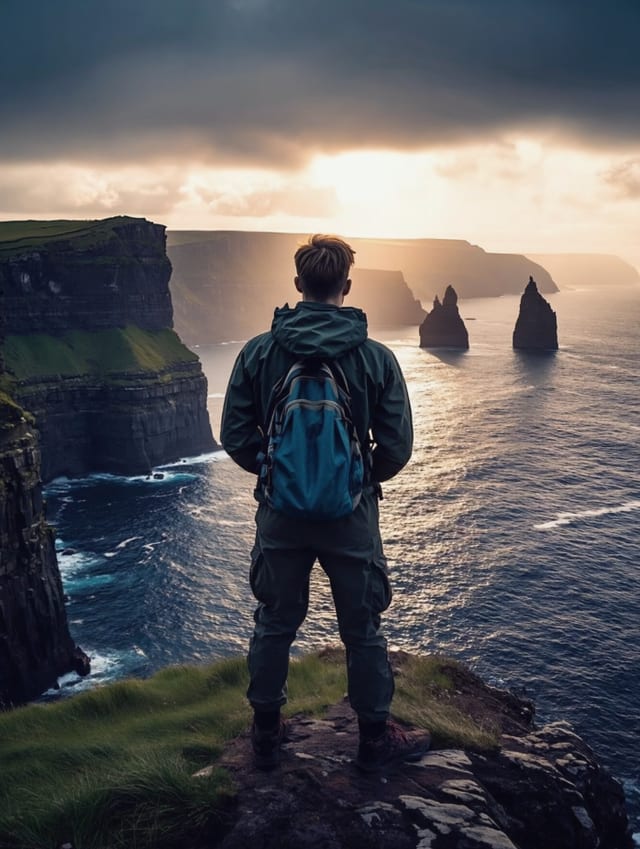
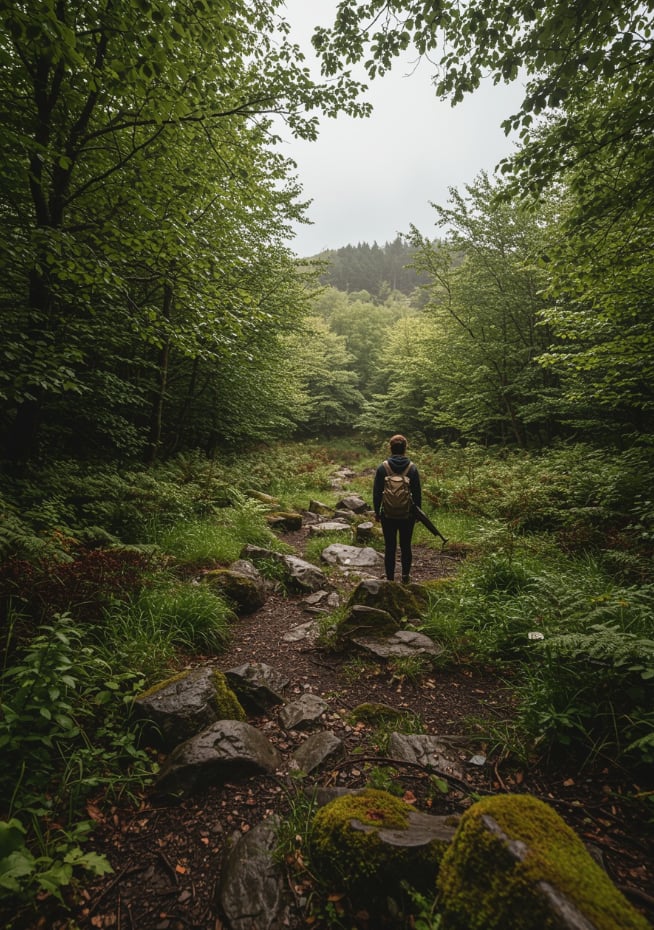
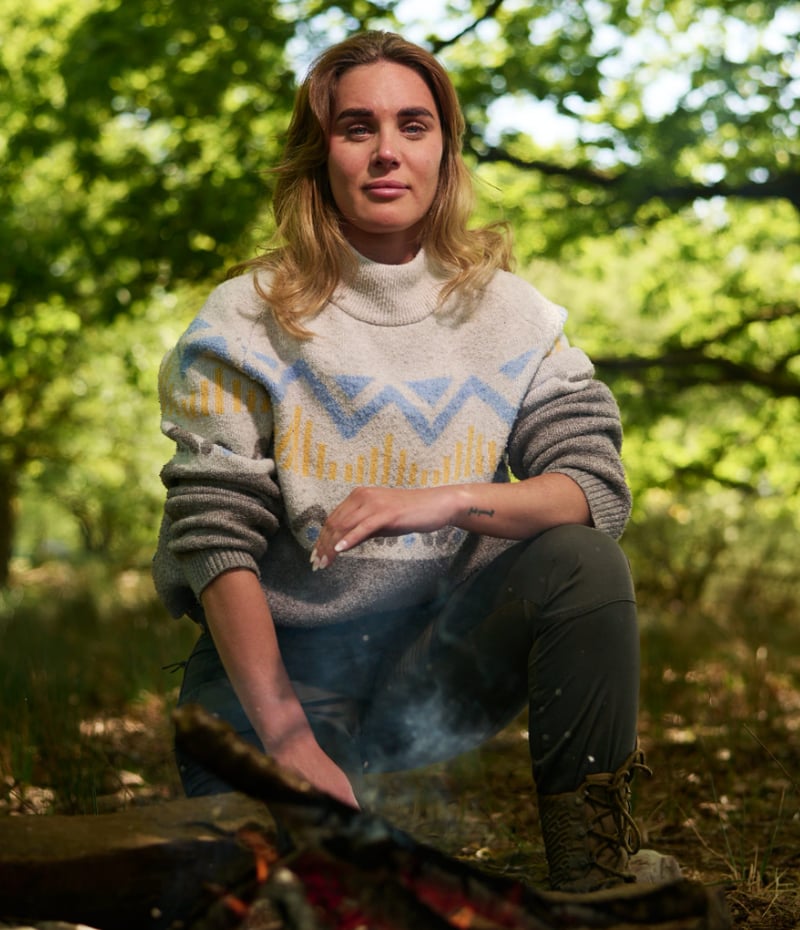
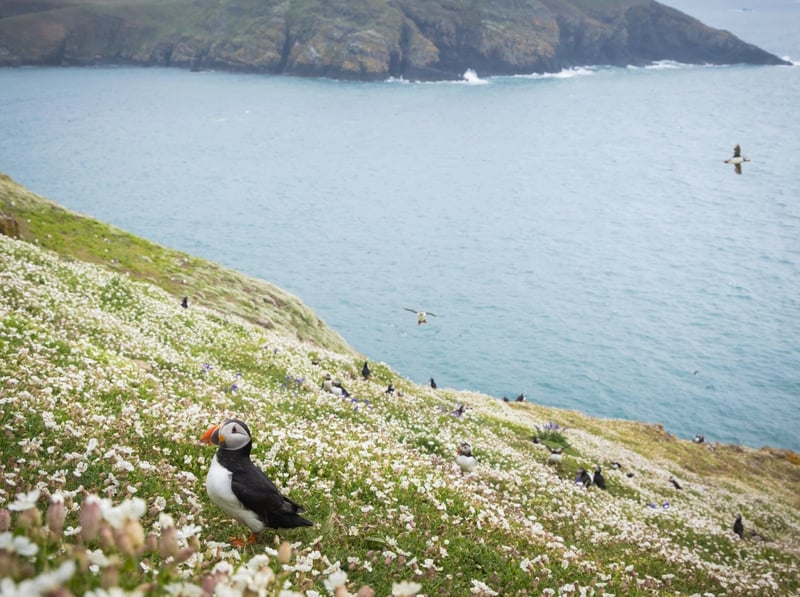
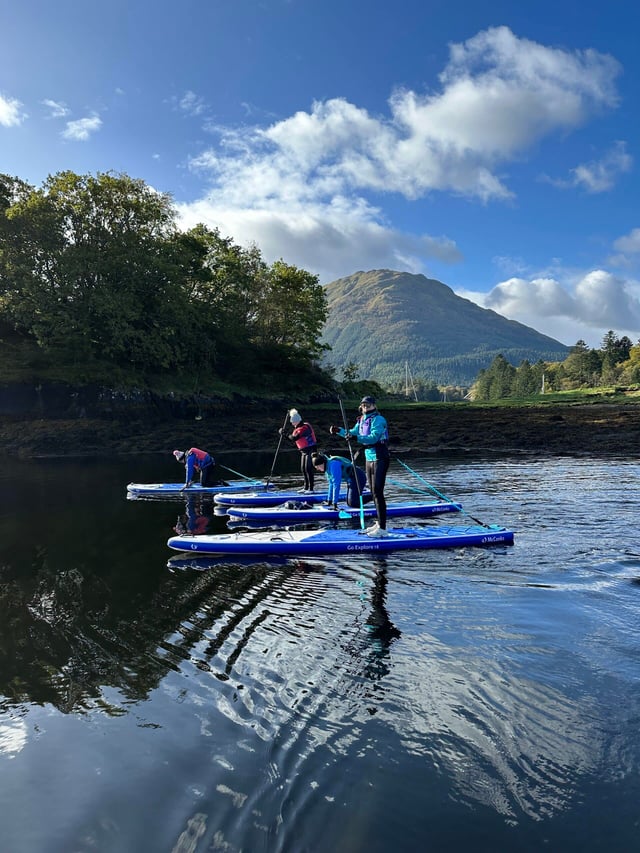
Push your limits and reconnect with nature on this 3-day bushcraft survival weekend in Pembrokeshire. Alongside expert instructors, you’ll live wild on the Welsh coast—cooking over fire, foraging, fishing, paddling, and sleeping under canvas.
Day 1:
Arrive at Little Haven Campsite and settle into your base for the weekend. After a quick introduction, you’ll begin learning essential survival techniques including fire-lighting, foraging, and building natural shelters. The day ends with a campfire meal made from your efforts and stories under the stars.
Day 2:
Today focuses on pushing further into practical survival. After breakfast, take to the water for kayaking or paddleboarding, then learn coastal navigation and sustainable fishing techniques. Craft your own natural cordage and cook what you catch. A night-time challenge adds a final layer to your growing skillset.
Day 3:
Test your skills with a full survival scenario—working as a group to apply everything you’ve learned. A cold sea dip is optional for those who fancy it. The experience finishes with a beach clean-up and final reflections before packing down and heading home.
Pembrokeshire is one of the UK’s most scenic coastal regions, set in southwest Wales. It’s home to the 186-mile Pembrokeshire Coast Path and protected as a National Park due to its rich wildlife, sweeping beaches, and dramatic cliffs.
You’ll be based near Little Haven, a small coastal village that offers easy access to both woodland and shoreline—ideal for teaching survival in a varied, real-world environment. The area is well-known for its clean beaches, wildflower-covered cliffs, and marine life including seals and dolphins. In spring and summer, the paths are alive with colour and the sea air is fresh and cool, making it an ideal outdoor classroom.
Pembrokeshire also holds cultural and historical significance, with everything from ancient hillforts and medieval chapels to evidence of Wales’ industrial past. It’s a place where learning survival feels meaningful, not just practical.
Accommodation for the weekend is wild camping, with all permits and permissions arranged in advance. You’ll sleep in expedition-grade tents provided as part of the group kit. These tents are sturdy, weather-appropriate, and suitable for coastal conditions, offering a reliable shelter while still keeping you close to the elements. Sleeping mats are included, and there’s guidance on how to set up your camp area safely and comfortably.
The campsite base at Little Haven offers an ideal starting point, but once camp is established, you'll be sleeping in a more remote and natural setting. There are no traditional campsite facilities—this is part of the experience. You'll learn how to manage hygiene, prepare meals over open fire, and live simply using only the kit provided and the skills gained during the course. It’s a proper back-to-basics outdoor experience, focused on building confidence in wild settings.
You must be aged 18 or over and comfortable with sleeping outdoors, taking part in physical activities, and being away from facilities for the duration of the course. A general level of fitness is needed, but no prior bushcraft experience is required.
This course is suitable for anyone with a love of the outdoors and an interest in learning practical skills. Whether you're new to wild camping or have done expeditions before, the session adapts to different experience levels and offers a supportive learning environment.
Every island or coastline used has been handpicked after extensive scouting to ensure it provides the right mix of challenge, safety, and natural beauty. That same attention to detail is brought to each course run in the UK.
The team includes some of the most respected bushcraft instructors worldwide, not only selected for their survival knowledge but also for their ability to teach in a way that’s engaging, practical, and enjoyable. The training environment is challenging but always supportive, with a safety net in place that never gets in the way of the wild.
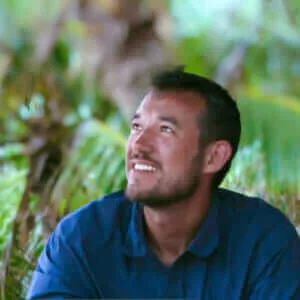
You’ll be learning under the guidance of instructors like Naomi Allsworth, who brings a depth of knowledge and calm approach to each session. Occasionally, the course is led by Tom Williams—2023 winner of Alone UK, polar race champion, and accomplished expedition leader. When he’s not instructing, he’s out finding the next perfect location for future adventures.
Operations are led by Layla Kyle-Hopkins, whose logistical expertise ensures that everything from meals to permits runs smoothly, leaving you free to focus on gaining real skills and having a meaningful experience.
You don’t need to be an athlete, but a moderate level of fitness is recommended. You’ll be walking over uneven ground, gathering firewood, building shelters, and taking part in optional water-based activities like kayaking or paddleboarding. The days are active and often long, with tasks that require some stamina and teamwork.
However, everything is done at a manageable pace and with plenty of support from the instructors. The course is designed to be accessible for most people with a basic level of mobility and a willingness to be outdoors. If you have any concerns about specific activities, you’re encouraged to speak with the team beforehand so they can help you prepare or suggest adjustments where possible.
Many participants come solo, looking for a unique adventure and the chance to meet like-minded people. While some initially feel nervous about attending alone, the shared experience quickly encourages strong friendships and meaningful connections. The combination of outdoor challenges and social time around the fire creates a natural bond among the group.
The trips attract a diverse range of people from across the world, generally aged from late teens through to late seventies. The typical gender split is around 30% female and 70% male, with most participants speaking English as their first language. Everyone shares a common curiosity for adventure and the unusual, making the group dynamic friendly and supportive.
Not at all—this weekend is suitable for complete beginners as well as those looking to build on past experience. The course is designed to teach you everything you need from the ground up. You'll be shown how to identify wild foods, make fire using different methods, and construct a shelter using what you can find around you. Each task is demonstrated clearly before you try it for yourself.
If you do have previous experience, the instructors are happy to offer more advanced techniques or extra challenges to stretch your skills further. The group will often work together on tasks, so everyone learns from each other as well. The weekend strikes a good balance between structure and adaptability, meaning no one feels out of their depth or held back.
You’ll be sleeping out in tents, provided as part of the group kit, with basic mats included. While this isn’t a luxury camping experience, the set-up is reliable and well thought out, allowing you to focus on the skills and outdoor living. You'll be wild camping with the appropriate permissions, which means staying close to nature while still following good environmental practice.
Each participant will help with setting up the sleeping area, and the instructors will guide you in choosing a suitable spot and understanding how to stay warm, dry, and safe outdoors. If you'd prefer to bring your own kit, you're welcome to do so—just check with the team in advance for recommendations on what’s suitable.
You will be taught by Naomi Allsworth. While living alone in a self-built shelter in the Canadian Arctic for Channel 4’s ALONE, Naomi faced extreme conditions, hunted her own food, and encountered predators—all with minimal gear. The experience tested her survival skills and deepened her connection to nature.
Yes, safety is a top priority throughout the weekend. Although the experience is designed to feel wild and adventurous, there’s always a safety net in place. All instructors are highly trained in bushcraft, outdoor safety, and first aid. Risk assessments are done in advance for each activity, and safety briefings are given before any higher-risk task, such as using cutting tools, lighting fires, or entering the water.
For kayaking or paddleboarding, all necessary safety gear is provided, and conditions are checked before going out. The team ensures that each element of the weekend is appropriate for the weather, group ability, and environment. You’ll never be pushed to do something you’re not comfortable with, and support is always available if you need it.
Food is a key part of the experience. You’ll forage for some ingredients during the course, which will be added to shared meals cooked over the fire. In addition to wild foods, the team provides hearty meals and snacks throughout the weekend, using locally sourced produce wherever possible. Expect a mix of stews, campfire bakes, and other simple but tasty dishes that fuel you for the activities ahead.
Dietary needs can usually be accommodated, including vegetarian, vegan, gluten-free, or allergy-related requests—just make sure to mention these when booking. While the course gives you the chance to cook for yourself using bushcraft techniques, there's always something reliable on hand if your foraging or fire-starting doesn't quite go to plan.
No, the course does not involve hunting or killing animals. The survival skills taught over the weekend focus on responsible, ethical bushcraft techniques that are suited to the UK environment and current legal regulations. You'll learn how to identify edible plants, forage for wild foods, catch fish using traditional coastal methods, and cook using fire, but no trapping or hunting of animals is included.
The focus is on sustainable, low-impact survival practices that respect local wildlife and the natural surroundings. Fishing is covered using permitted and humane methods suited to the area and is done with a focus on understanding tides and coastal behaviour. If you're interested in self-reliance and real-world skills that don't involve harm to animals, this weekend is an ideal introduction.
Anyone with health issues should consult their doctor before booking and contact the organisers to discuss suitability on a case-by-case basis. Safety is paramount, and individual circumstances are taken seriously to ensure the best possible experience for all.
Open communication before arrival helps prepare instructors and tailor support if needed.
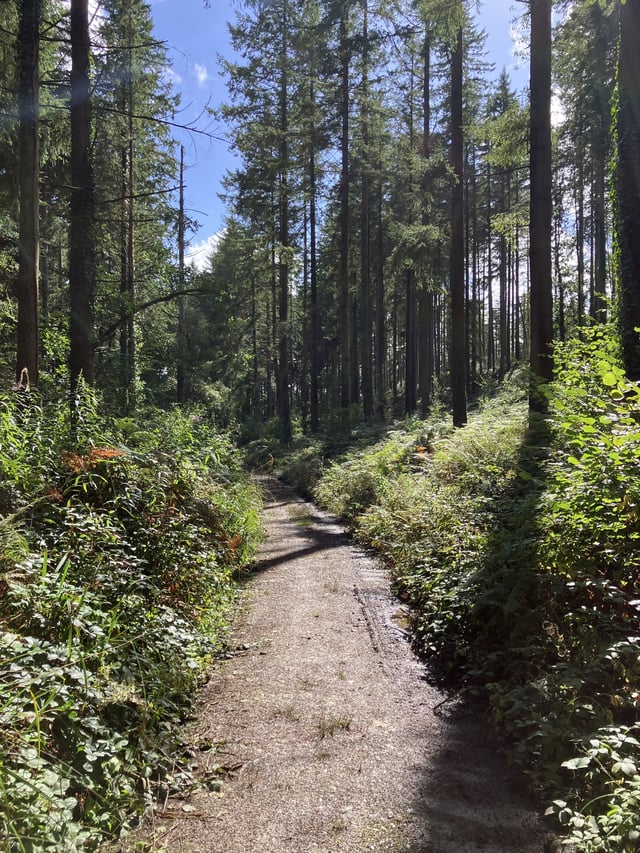
Mid & South-West Wales, United Kingdom
From £395
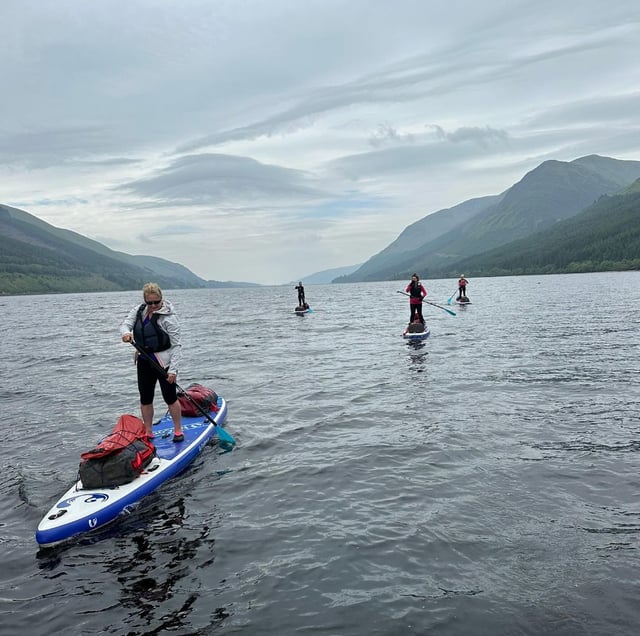
Highlands & Islands, United Kingdom
From £688.85
About the centre
Haverfordwest, Pembrokeshire
Operated by Desert Island Survival, a partner of adventuro.
Huvadhu Dhekunuburi (Gaafu Dhaalu), Maldives
From £3990