We partner with Rewilding Britain to help protect our natural spaces for future adventures.
All centres are vetted for safety and quality. Your adventure is in good hands with adventuro.
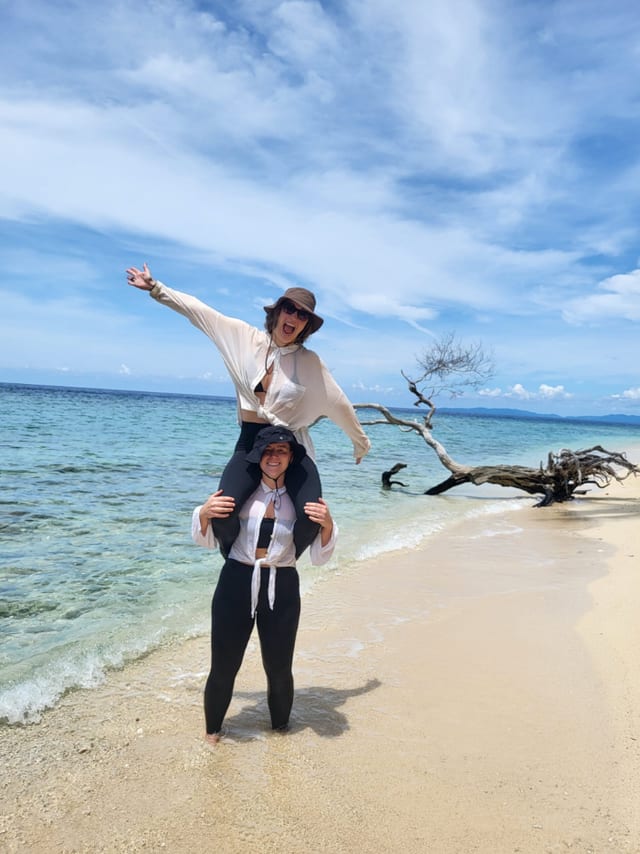
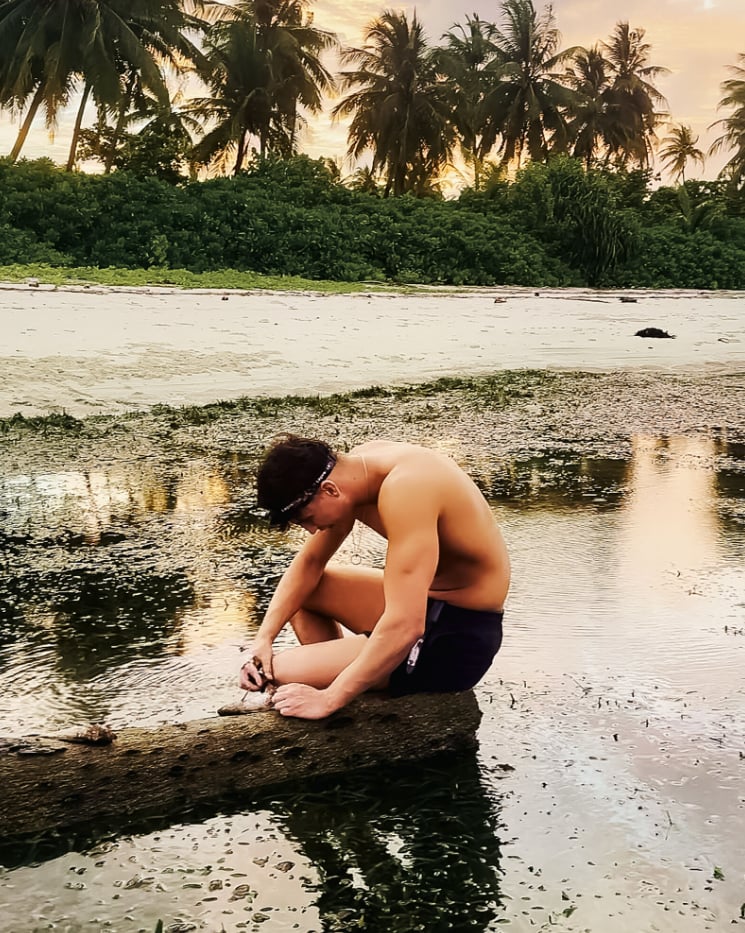
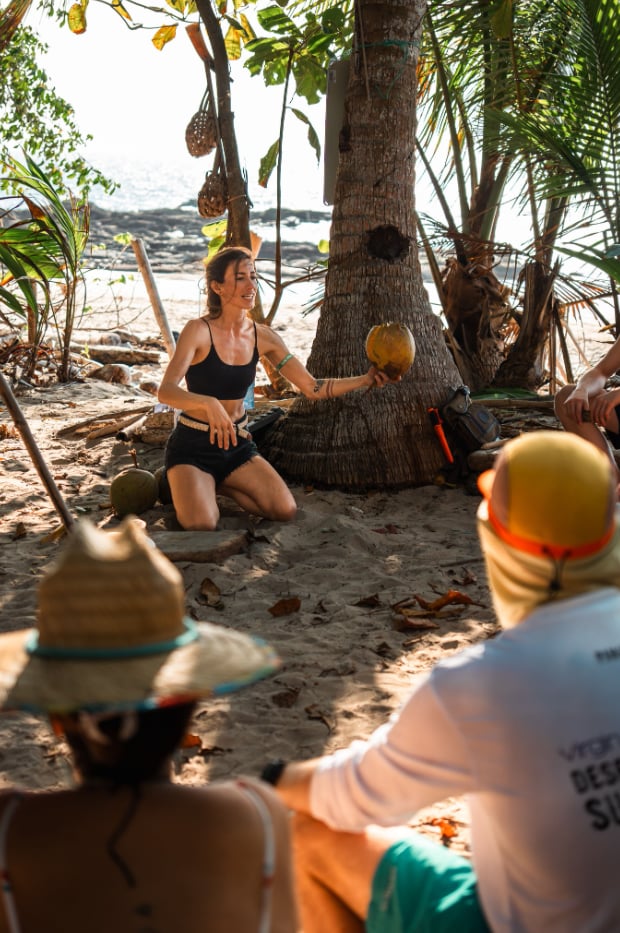
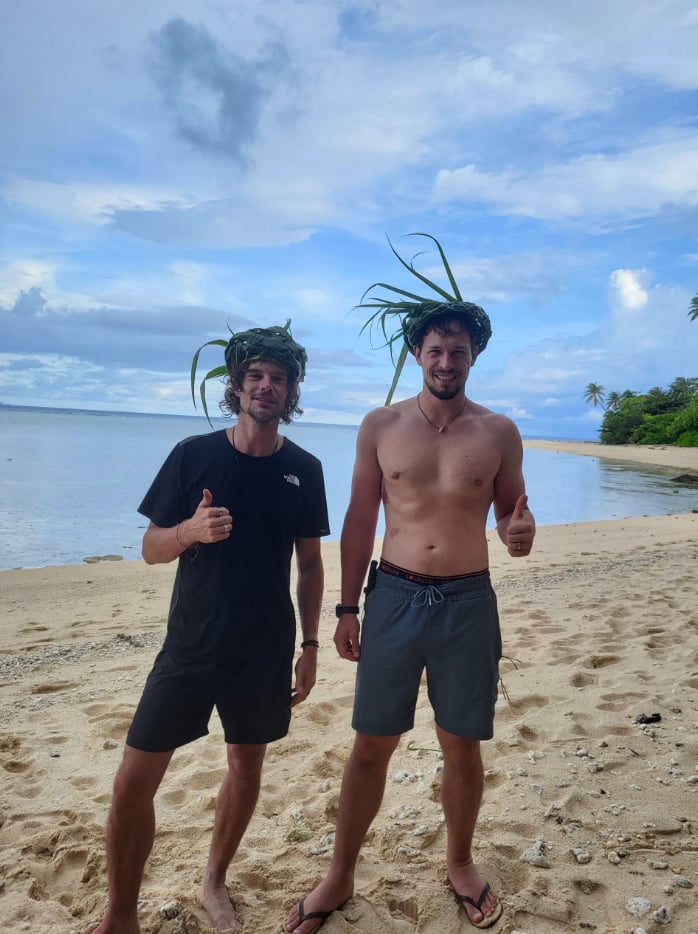
Experience an 11-day survival adventure on pristine private islands in the Maldives, combining tropical beauty with essential bushcraft skills. Swim alongside manta rays, learn vital survival techniques over five days of expert training, then put your skills to the test during a three-day survival challenge on a remote island. This trip offers a perfect mix of adventure, nature, and unforgettable island living.
This adventure gives you the chance to learn real survival skills in one of the most beautiful settings on earth. You’ll spend the first five days on a private island mastering shelter building, fire making, finding food, and other essential techniques—all taught by experienced instructors who are with you every step of the way.
After your training, the real challenge begins. You’ll move to a second, uninhabited island for three days where you and your group will use your new skills to live independently with only limited gear. It’s a true test of your abilities and teamwork. Once the challenge is over, you’ll enjoy a well-deserved stay at a boutique beach hotel, with great food and a chance to relax and celebrate.
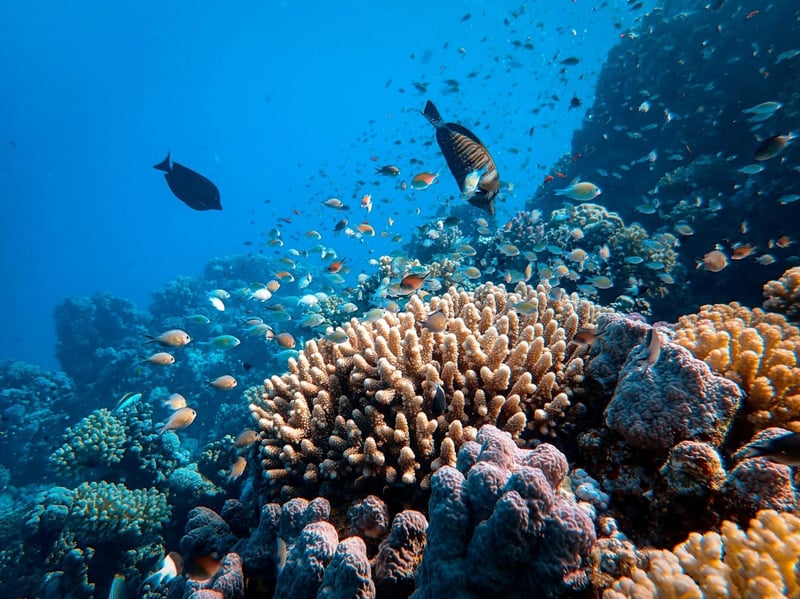
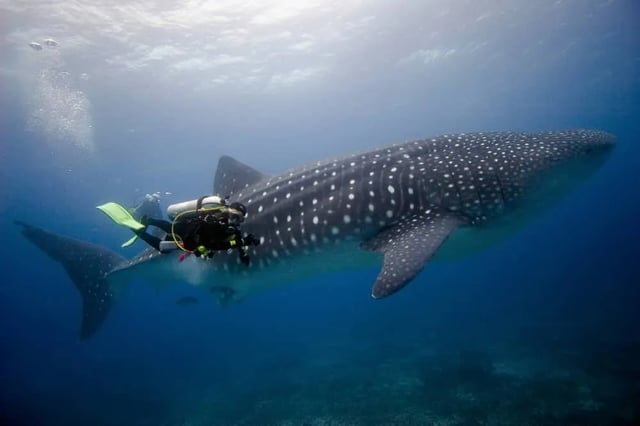
Set in the Maldives, this adventure takes place on private, circular desert islands surrounded by warm, clear turquoise waters and vibrant coral reefs. These reefs support a rich variety of marine life, including manta rays, turtles, sharks, and schools of tropical fish. The island interiors are covered in scrub jungle and serve as important nesting grounds for seabirds such as white terns.
The trip starts at Kaadedhdhoo Airport, reachable via a 45-minute domestic flight from the capital, Male. The Maldives enjoys a dry season from November to May, with warm temperatures, low rainfall, and plenty of sunshine—ideal conditions for outdoor survival activities.
During the adventure, you’ll spend the first night in a simple guesthouse featuring twin-share rooms. This comfortable setting allows you to rest and prepare before heading out to the islands. After the survival phase, you’ll stay one night at a boutique beach hotel with twin-share rooms, offering a well-earned chance to relax, enjoy good food, and celebrate your achievements.
While on the islands, accommodation is basic and outdoors—sleeping in hammocks under the stars as part of the survival experience. This combination of rustic island living and comfortable lodgings bookends the trip, providing balance between adventure and rest.
Participants need to be at least 18 years old and in reasonable physical condition to handle the demands of tropical island survival. No previous bushcraft or survival experience is required, as all necessary skills will be taught during the course.
Comfort with sleeping in hammocks and adapting to basic living conditions is important. A positive attitude, willingness to work as part of a team, and openness to disconnecting from modern technology will help you make the most of this experience.
This experience is shaped by a team that goes the extra mile—literally. They travel the world scouting out remote, untouched islands that offer the right balance of safety, beauty, and challenge. Each location is chosen to feel wild and authentic, allowing you to fully disconnect and focus on the adventure.
The instructors are among the best in the world—not just highly skilled in bushcraft, but brilliant at working with people. They know how to create a supportive environment while pushing you to test your limits. There’s always an invisible safety net in place, so you can lean into the challenge without ever feeling like it’s forced or overly controlled.
Founder Tom Williams, winner of Alone UK 2023, leads several trips each year. With a background in polar expeditions, long-distance sailing, and survival instruction, he brings unmatched experience and energy to the group. Behind the scenes, Operations Director Layla Kyle-Hopkins ensures every detail runs smoothly so you can focus on what matters—getting the most out of your time on the island.
Participants often start concerned about how tough the adventure will be, but many describe it as one of the most rewarding experiences they have had. The trip involves long days filled with physical activity in a demanding environment, including exposure to heat, hunger, and occasional insect bites or blisters. The schedule is designed to gradually increase in difficulty, helping build confidence and practical skills throughout. Although it can be tough at times, most finish with a strong sense of accomplishment and satisfaction.
You don’t need to have prior bushcraft or survival experience to join. The course starts gently, with expert guidance on all the essential skills needed to thrive in the environment. Mental resilience is equally important as physical fitness, and many find the experience tests and strengthens both in equal measure. It’s suitable for people of various ages and fitness levels, though being reasonably active will help you adapt to the physical demands more comfortably.
Many participants come solo, looking for a unique adventure and the chance to meet like-minded people. While some initially feel nervous about attending alone, the shared experience quickly encourages strong friendships and meaningful connections. The combination of outdoor challenges and social time around the fire creates a natural bond among the group.
The trips attract a diverse range of people from across the world, generally aged from late teens through to late seventies. The typical gender split is around 30% female and 70% male, with most participants speaking English as their first language. Everyone shares a common curiosity for adventure and the unusual, making the group dynamic friendly and supportive.
The trips are scheduled during seasons when insect activity is at its lowest to ensure the best possible experience. While a few mosquitoes or sandflies may be present, most participants are surprised at how few bites they get. For those especially sensitive to insect bites, trips in the later part of the season, such as April and May, are recommended for even better conditions.
The aim is to minimise discomfort so you can focus on learning and enjoying the adventure. The environment is carefully chosen to avoid heavy insect infestations, allowing you to spend more time on the skills and less on dealing with pests.
Deserted islands may seem risky due to myths about sharks or dangerous wildlife, but the islands selected are carefully vetted for safety. They have no poisonous snakes, dangerous ocean currents, or other significant hazards. The risk is reduced as much as possible, but some elements cannot be entirely removed without losing the authentic survival challenge.
Before arrival, you receive a full safety briefing, and all instructors hold Wilderness First Responder certification. An evacuation plan is in place to get participants to medical facilities quickly if needed. Instead of relying on waivers alone, the approach is based on ‘informed consent’ — ensuring you fully understand the risks before taking part.
The instructors are experienced survival experts, many with backgrounds in well-known survival shows, and have a strong balance of technical knowledge and people skills. Each trip includes a lead instructor and an assistant to ensure thorough guidance and support throughout.
Training covers everything needed to survive and thrive on the island, starting with the basics during the initial days and progressing to more advanced techniques. The aim is for the learning process to be enjoyable, not intimidating, allowing participants to gain skills at a comfortable pace while having fun.
No previous camping, bushcraft, or wilderness experience is required. The early days focus on teaching you everything from shelter building and fire making to food sourcing and water collection. After this training phase, you will be prepared for the more demanding survival period on the island.
The experience is designed to accommodate complete beginners while still challenging those with some outdoor knowledge. Support and instruction are tailored so that everyone can gain confidence and competence.
Flights, in-country transfers, and personal travel insurance are not included in the trip cost. Some destinations, like Panama, are recommended for those seeking to minimise internal transport due to their accessibility.
Booking flights directly with airlines is encouraged as it is usually the most cost-effective option and allows easier changes if needed.
Yes, the menu during the training phase can be adjusted to accommodate vegetarian, vegan, and other dietary needs. During the survival phase, plant-based food sources are available on the island, and additional supplements can be provided to maintain a balanced diet.
Some vegetarians choose to suspend their usual practice temporarily, given the nature of survival food, but this is a personal choice. It is important to inform organisers of any dietary needs at booking so appropriate arrangements can be made.
Knives and tools like machetes can be taken on flights if checked in with hold luggage. Carrying such items in hand luggage is not permitted. If you plan to travel without checked bags and require knives, it’s advisable to contact organisers beforehand for assistance with alternatives.
The necessary survival equipment, including hammocks and machetes, will be provided during the expedition. You only need to bring appropriate clothing and personal items as detailed in the pre-trip kit list.
Survival time on the island is spent as a group to ensure safety and companionship, though the island’s size allows for some personal space and solitude if desired. There is also an option to request more isolated areas, subject to availability and approval.
For those interested, there may be opportunities to be alone on a separate beach after demonstrating sufficient skills and readiness during the training phase, but some level of group participation in training is required.
Extra funds are only needed for souvenirs or optional treats. Many locations do not have ATM access, so it’s recommended to bring around USD 200 in cash for emergencies.
Personal travel insurance is compulsory and should cover medical evacuation if needed, as well as trip cancellation. Basic insurance policies are sufficient, but coverage for medical air evacuation is essential for peace of mind.
Instructors are certified in wilderness first aid and maintain up-to-date qualifications. In the event of a serious medical issue, there is a clear evacuation plan to get participants to the nearest clinic or hospital within an hour, depending on conditions.
Participants must ensure their medical insurance covers emergency evacuation costs. The priority is safety, and prompt response is guaranteed through trained staff and established procedures.
The islands are chosen for their remoteness and absence of permanent residents or tourist infrastructure. You won’t encounter settlements or crowds. Occasionally, passing fishermen or yachts may be visible from a distance, but the experience remains largely undisturbed and private.
This remoteness is a core part of the experience, providing a chance to disconnect and live away from modern distractions in a natural setting.
Visa requirements depend on your nationality and the destination country. Most places visited do not require a visa, but checking in advance is essential. Additionally, passports should have at least six months’ validity beyond your travel dates to avoid denial of entry.
Consult the embassy or official government sites before booking flights to ensure smooth travel arrangements.
Mobile phone reception is intentionally unavailable to encourage disconnection. However, instructors carry satellite phones to maintain emergency contact. Your loved ones will be provided with contact details to reach you through the expedition team if necessary.
This setup balances safety with the goal of a technology-free experience.
Participants are free to leave at any time. In cases other than medical emergencies, transportation costs back must be covered by the individual, and arrangements for accommodation post-departure will be their responsibility.
Leaving early is possible, but the full challenge and rewards come from completing the expedition.
A good level of general health and moderate activity is recommended. The physical demands vary but are manageable with preparation. Older participants and those new to exercise have successfully completed the trips.
Building stamina through walking, swimming, or other activities before attending will make coping easier during tasks like carrying equipment and working in the environment.
While participants learn methods to find and collect water, ample drinking water is provided throughout to ensure safety and hydration. The expeditions are usually conducted in the dry season to minimise water scarcity issues.
Techniques taught include collecting rainwater and identifying natural sources, useful skills for survival in remote locations.
Solar charging stations are available for basic device use. Bringing personal power banks is recommended for those with multiple gadgets or drones to keep them powered without interruption.
Keeping technology to a minimum supports the overall aim of disconnection and immersion in nature.
Fishing is the primary method taught for sourcing protein, and participants learn how to use rods and spearguns safely during training. Some trapping techniques may also be introduced, focusing on quick and humane methods.
The instructors provide full guidance to build confidence and respect for these practices, ensuring everyone understands what’s involved.
Anyone with health issues should consult their doctor before booking and contact the organisers to discuss suitability on a case-by-case basis. Safety is paramount, and individual circumstances are taken seriously to ensure the best possible experience for all.
Open communication before arrival helps prepare instructors and tailor support if needed.
If you’re travelling from Europe, direct flights to the Maldives are widely available from many major cities. The international airport is in Male, the capital, where you’ll then take a domestic flight of about 45 minutes to Kaadedhdhoo Airport, close to the islands.
Booking directly with airlines is recommended for better cancellation policies and upgrade options. Transfers from Kaadedhdhoo to the islands are arranged as part of the trip.
About the centre
Maldives
Operated by Desert Island Survival, a partner of adventuro.
Ysyk-Köl Region (Issyk-Kul), Kyrgyzstan
From €4800

Zadarska (Zadar), Croatia
From €2200

Highlands & Islands, United Kingdom
From £1325