We partner with Rewilding Britain to help protect our natural spaces for future adventures.
All centres are vetted for safety and quality. Your adventure is in good hands with adventuro.
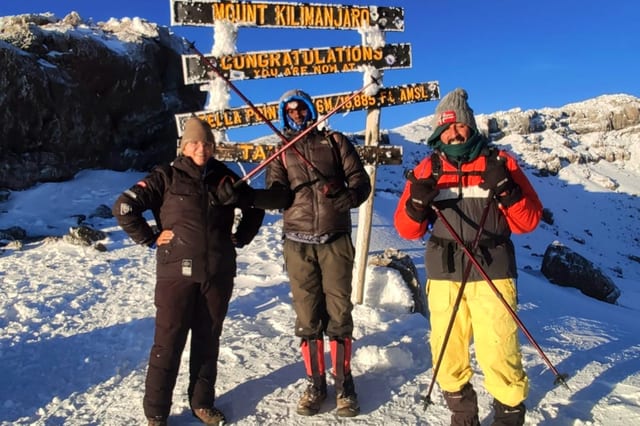
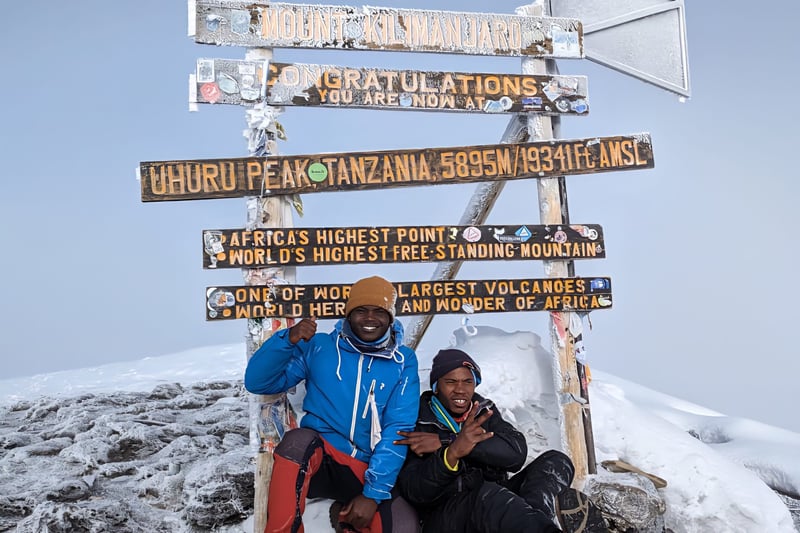
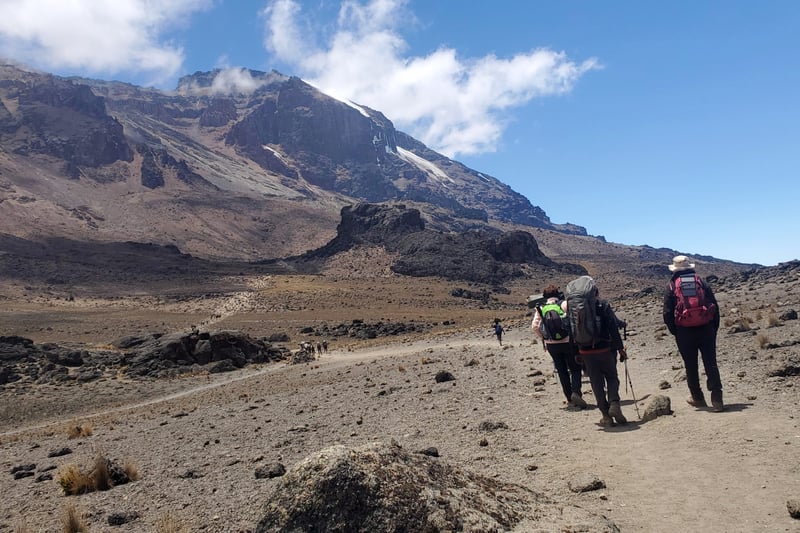
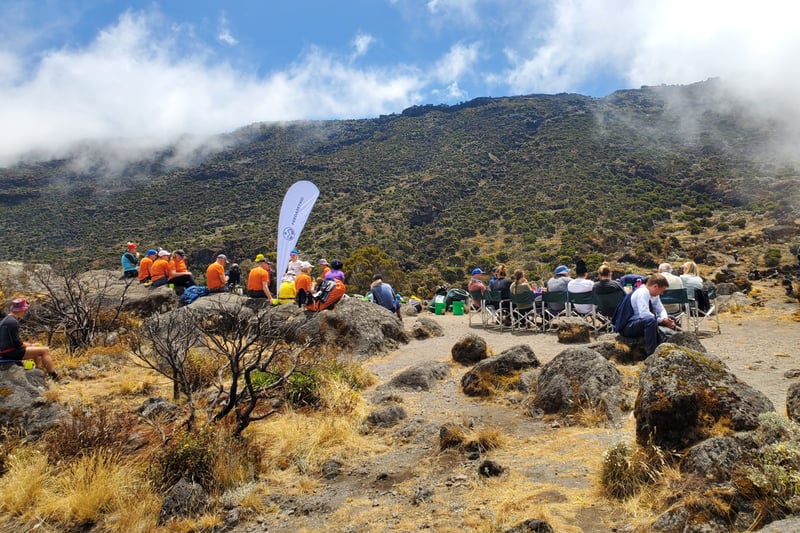
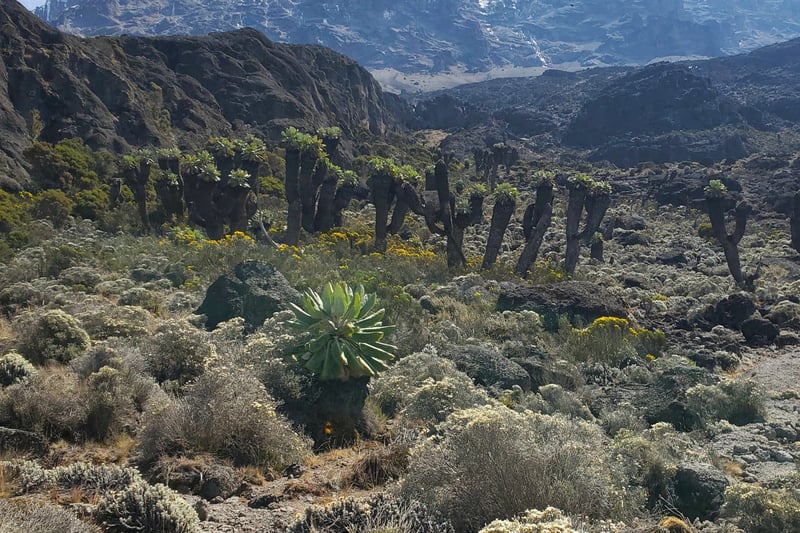
Circle Kilimanjaro on the full nine-day Northern Circuit, trekking remote northern ridges and Moir Hut before summiting from School Hut. The longest standard acclimatisation profile on the mountain suits guests who want quiet trails and time to adapt before Uhuru Peak.
After Lava Tower you peel away toward secluded Moir Hut and Buffalo Camp instead of crowded Barranco, then traverse northern ridges toward School Hut and summit night. The itinerary below maps camps from Lemosho Glades through summit day and exit at Marangu Gate.
Northern Circuit departures need experienced logistics on quiet northern camps, and our teams know Moir, Buffalo, and School Hut stages as well as the busier southern valleys. Guides monitor altitude across the full loop and keep English briefings practical about pacing on long ridge days.
Guests who choose nine days usually value acclimatisation over speed, and we honour that with honest fitness conversations before you fly so summit night feels ambitious but achievable rather than a gamble.
Private JRO transfer to your hotel in Moshi or Arusha, then a thorough briefing and gear check for the long Northern Circuit expedition. Nine days on trail require well-organised kit and realistic fitness expectations.
Rest before tomorrow's drive to Londorossi Gate and the first camp.
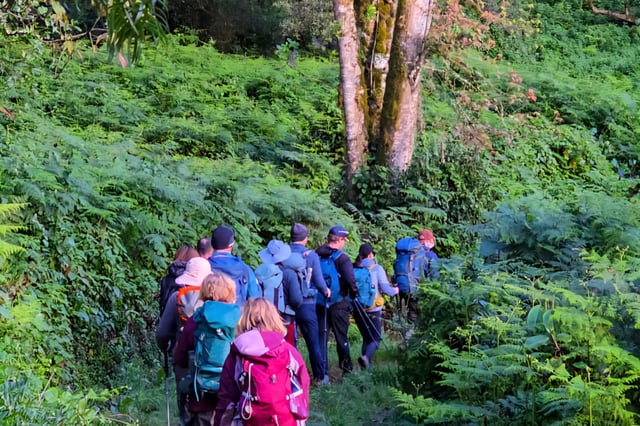
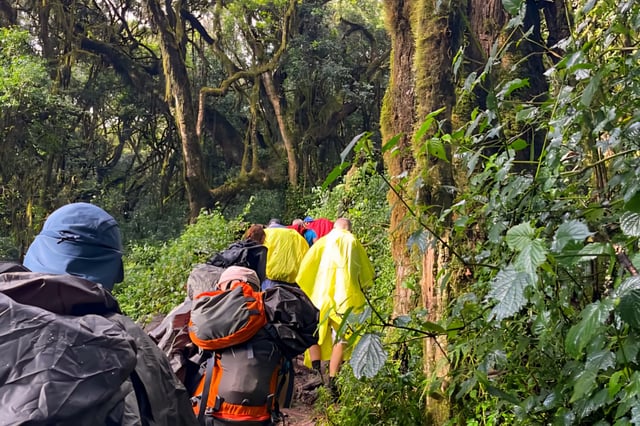
Register at Londorossi Gate and hike pristine western rainforest to Big Tree Camp. Wildlife and bird calls fill the air on this gentle opening stage.
Camp setup introduces you to crew routines that repeat each evening.
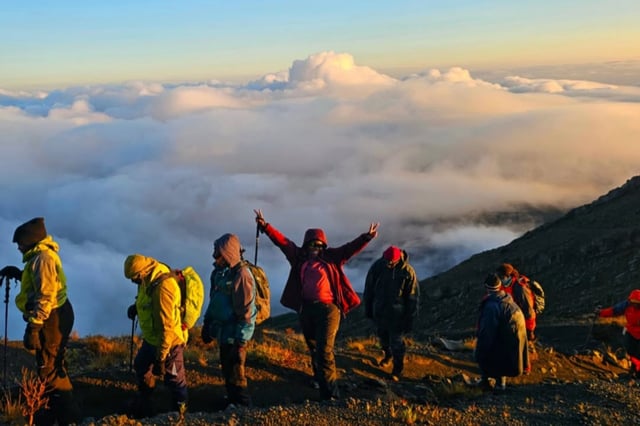
Long day climbing onto the Shira Plateau with sweeping views of the Western Breach and plains below. Heather meadows replace forest as altitude increases steadily.
Pacing stays deliberate to protect energy for northern traverse days ahead.
Ascend to Lava Tower for acclimatisation lunch, then veer north to secluded Moir Hut instead of crowded Barranco. Quiet gorge camping marks the Northern Circuit split from southern routes.
This day is a highlight for guests seeking solitude at altitude.
Climb Lent Hills and join official Northern Circuit ridges with views toward Kenya. Rolling high-altitude walking feels remote compared with southern valleys.
Buffalo Camp offers peaceful starry nights far from busy corridors.
Shorter recovery day along northern ridges before the summit push, crossing sparse volcanic terrain toward Rongai-side paths. Hydration and rest are priorities in camp.
Guides review summit clothing and timing for School Hut tomorrow.
Steady climb through alpine desert to School Hut below Kibo crater wall. Early dinner and early sleep prepare you for midnight summit departure.
Wind exposure increases; pack every warm layer for night hiking.
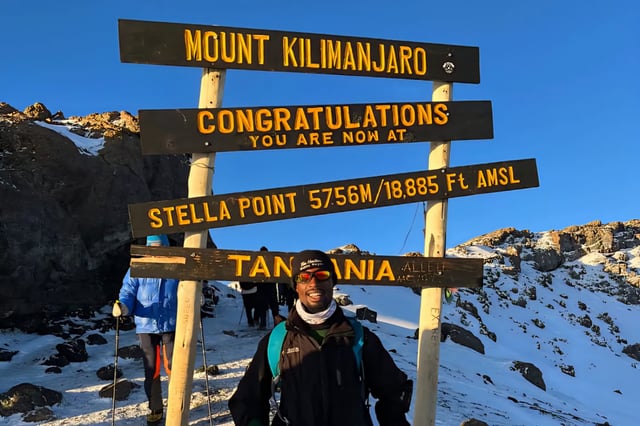
Midnight climb on scree to Gilman's Point and Uhuru Peak at sunrise, then long descent via School Hut to Horombo Hut for sleep. Emotion and fatigue peak together on this stage.
Crew support matters most when legs shake on downhill scree after the summit.
Final rainforest descent to Marangu Gate for certificates and tipping ceremony, then transfer to town. Departure day breakfast and JRO transfer close the journey when flights require.
Allow rest before long-haul travel after nine mountain days.
Fly into Kilimanjaro International Airport (JRO), where your included transfer takes you to your hotel in Moshi or Arusha, about an hour from the airport either way. Your lead guide runs a thorough briefing and gear check, because nine days on the mountain need well-organised kit, and there's time to pick up anything missing in town before you leave.
On the first trekking day we drive roughly three to four hours west to Londorossi Gate for park registration, then continue to the Lemosho Glades trailhead on the quiet western slopes. The Northern Circuit loops around the mountain and comes down the eastern side, so you finish at Marangu Gate. From there we drive you back to your hotel and take you to JRO on departure day.
The nine-day Northern Circuit is camping throughout, from Lemosho rainforest starts through secluded Moir Hut and Buffalo Camp to School Hut below Kibo. Crew maintain tents, mess tent dining, and sleeping mats for the full loop, while you bring a -10C sleeping bag and layered clothing in a duffel porters rotate on longer northern traverse days.
Quiet northern camps often mean starry evenings and early bedtimes before summit week intensifies at School Hut. Tent sharing is typical on group departures; ask about private tents when booking if you prefer solo shelter on multi-week expeditions with a larger support crew.
With nine days on the trail, you'll need durable kit and disciplined packing because laundry options are limited on the mountain. Bring broken-in waterproof boots, gaiters, -10C sleeping bag, down jacket, insulated gloves, rain shell, thermal layers, headlamp with multiple spare batteries, trekking poles, and a comfortable 30-litre daypack for long northern traverse days.
Summit day still dominates kit planning even after eight acclimatisation nights, so test every layer at home before you fly. Pack a paperback or offline entertainment for long mess tent evenings at Moir and Buffalo when early bedtimes follow short recovery days.
The Northern Circuit offers the longest acclimatisation arc on Kilimanjaro, circling quiet northern slopes before summiting from School Hut. Many guests report feeling better prepared at altitude than on shorter southern-only schedules that compress the same summit goal.
You still reach Uhuru Peak on the same crater rim path as other routes, but spend more days walking remote ridges with fewer crowds. Photographers and repeat Kilimanjaro visitors often pick this route for variety and solitude.
The Northern Circuit is a trekking route without ropes, though some rocky sections require careful footing on northern traverses. Summit night is steep scree in cold darkness with guides setting team pace and monitoring symptoms throughout the ascent.
Prior multi-day hiking experience helps more than any climbing gym training before you travel. Confidence on uneven ground and patience with pole pole pacing matter most when altitude increases toward School Hut.
Crew provide tents, mess tent, sleeping mats, and kitchen setup throughout the nine days on trail. You supply a warm sleeping bag, clothing layers, and personal items in your duffel while porters move camp ahead of the group.
Daypacks hold water, snacks, and spare layers during long plateau crossings on northern days. Your guide reviews tent and mess setup each evening so problems are fixed before summit week intensifies.
Park conservation, camping, and rescue fees are paid at gates under Tanzania National Parks tariffs on trekking days, including Londorossi registration and exit at Marangu Gate. Guides handle paperwork so you understand payments at each stage of the circuit.
Budget USD for multiple gate interactions across a nine-day route and keep passport details ready throughout the trek. Park fees are charged by the authorities and may update independently of your operator invoice.
School Hut wake-up near midnight starts a slow scree climb toward Gilman's Point and Uhuru Peak around sunrise on the crater rim. You then descend a long way to Horombo Hut the same day, crossing arctic rim, alpine desert, and moorland in one exhausting but triumphant push.
Expect the toughest calendar day physically even though the walking remains non-technical trekking. Crew encouragement and trekking poles matter most when legs shake on downhill scree after the summit celebration.
Nine days still demand stamina for consecutive hiking and a brutal summit descent afterward, so train with hills and back-to-back long walks for at least eight weeks before flying to Tanzania. Guests who pace themselves on northern traverse days often arrive at School Hut in better shape for summit night.
Share past altitude experience with us during booking so we can suggest training targets that match the longest mainstream route on the mountain. Rest days near Moir and Third Cave help, but they are not a substitute for baseline cardiovascular fitness.
Full Kilimanjaro kit with -10C sleeping bag, waterproof boots, down jacket, rain gear, headlamp, poles, and sun protection is essential for nine days on varied terrain. Northern plateau days can be windy and cold even when Moshi feels warm at the start of your trip.
Pack energy snacks you trust for long days when appetite drops at altitude above 4,500 metres. Spare gloves and hand warmers are worthwhile for School Hut evenings before midnight summit departure.
High-altitude trekking insurance with helicopter or road evacuation cover is essential for responsible Kilimanjaro travel on a nine-day expedition. Treatment and rescue without insurance is expensive in East Africa and can delay care when minutes matter on the mountain.
Confirm your policy covers trekking to 6,000 metres before you purchase flights and keep emergency contact details in your daypack. Share insurance information with your lead guide during the pre-trek briefing in Moshi or Arusha.
Tipping the extended crew is customary on nine-day expeditions with larger support teams than shorter routes. Briefing explains pooled tip guidance based on crew size and the roles of guides, cooks, and porters who stay with you the entire circuit.
Present contributions at Marangu Gate during the certificate ceremony with your guides after the final forest descent. Tips are not included in your trek price and remain a vital part of mountain crew income across the season.
Solo travellers may join scheduled departures with minimum group size one or arrange private expeditions on dates that suit their flights. Tent sharing follows camp logistics unless private tent upgrades are arranged before you travel to Tanzania.
Private Northern Circuit dates suit guests who want full control over pacing on quiet northern days without waiting for open group departures. Solo hikers still receive the same meals, safety checks, and guide support as larger teams throughout the nine days.
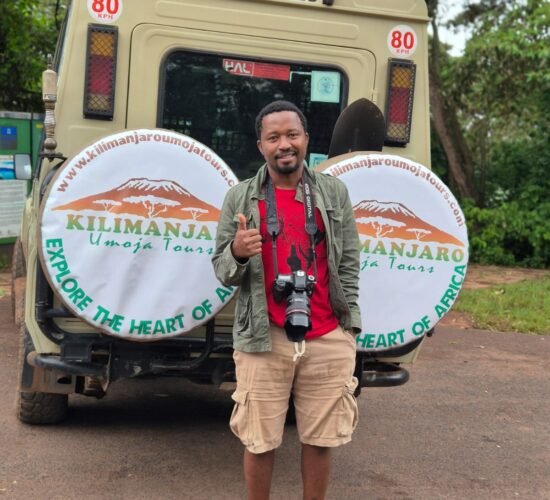
About the centre
Moshi
From the foothills of Africa's highest peak, we guide walkers and climbers on carefully paced routes up Mount Kilimanjaro and into the rainforest zones around Moshi. Whether you are aiming for Uhuru Peak on a multi-day trek or want a single-day taste of the mountain on the Marangu trail, our local guides focus on steady acclimatisation, clear briefing, and the kind of practical support that keeps you safe and comfortable on the trail.
We work with small groups and private parties, drawing on years of experience on Machame, Lemosho, Marangu, Rongai, Umbwe, and the Northern Circuit. You'll meet us in Moshi for transfers, equipment checks, and honest advice on fitness and packing before you set foot in Kilimanjaro National Park.
Operated by Kilimanjaro Umoja Tours, a partner of adventuro.