We partner with Rewilding Britain to help protect our natural spaces for future adventures.
All centres are vetted for safety and quality. Your adventure is in good hands with adventuro.
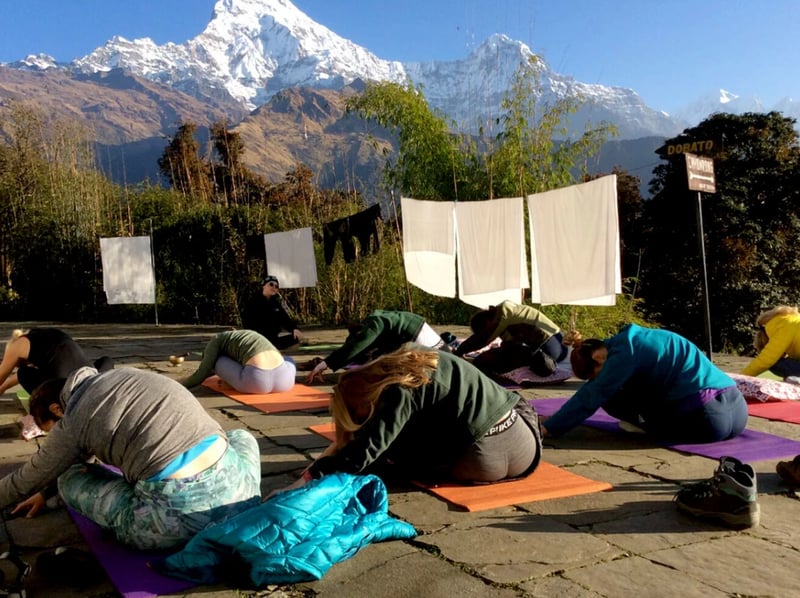
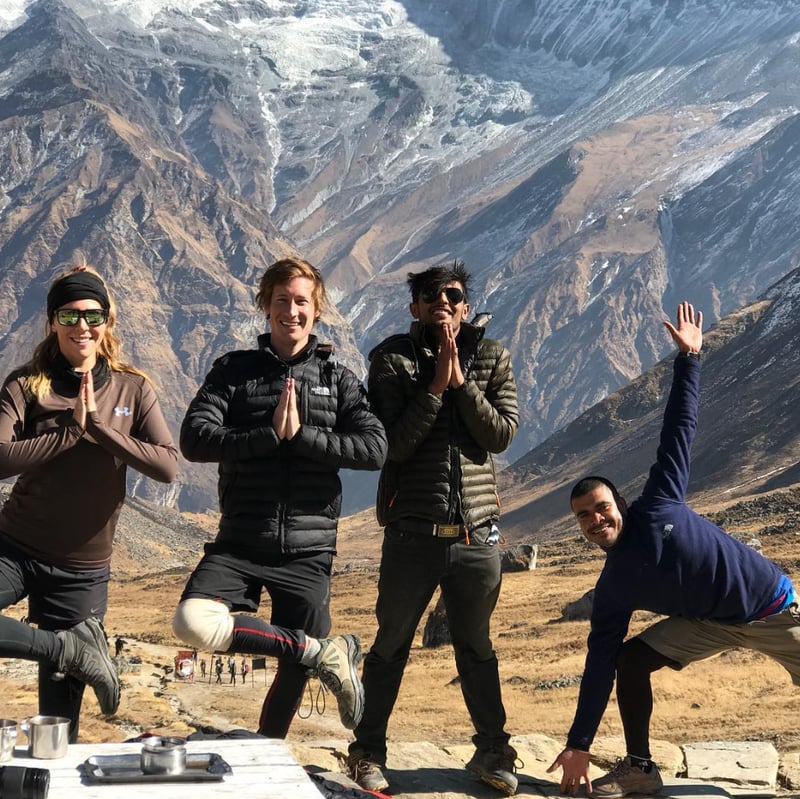
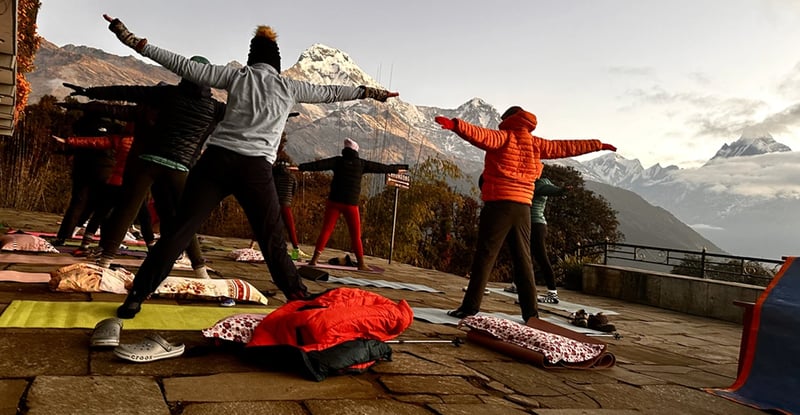
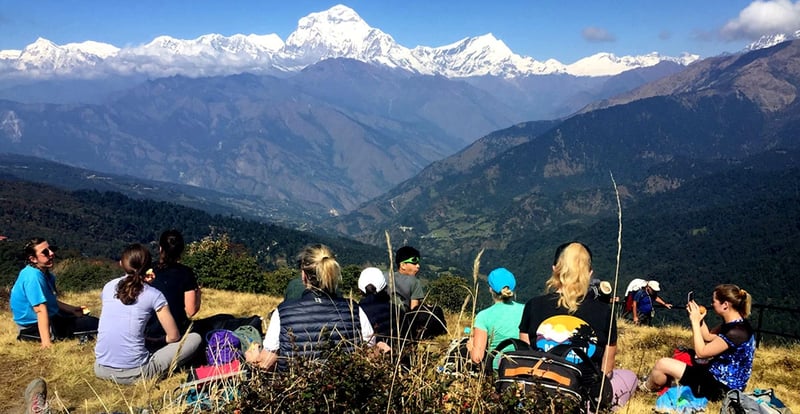
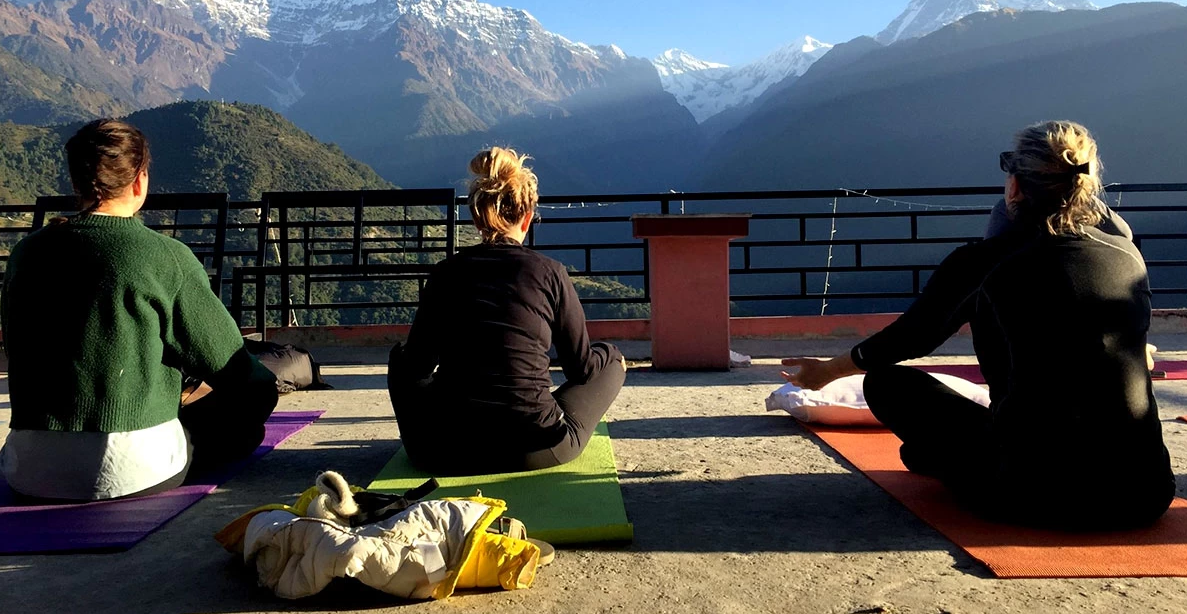
Offering a blend of trekking through the Annapurna region and daily yoga sessions, this trip supports both physical health and mental clarity. Beginning and ending in Kathmandu, the itinerary includes a scenic transfer to Pokhara where yoga practice takes place alongside impressive mountain views. Over ten days, the trek passes through varied landscapes and welcoming villages for a balanced experience of activity and relaxation.
Day 1: Arrival in Kathmandu
Arrive in Kathmandu and transfer to your hotel. In the evening, meet the guides and group for an introductory briefing.
Day 2: Kathmandu to Pokhara
Travel by tourist bus to Pokhara, enjoying the 6-7 hour drive along the Prithvi Highway, passing small villages and streams. Overnight in Pokhara.
Day 3: Pokhara to Australian Camp
Drive to Kande then trek to Australian Camp at 1900m (3-4 hours). Yoga classes will be held twice daily.
Day 4: Australian Camp to Deurali
Trek from Australian Camp to Deurali (2232m) over 3-4 hours. Continue with morning and evening yoga sessions.
Day 5: Deurali to Dhampus
Trek to Dhampus (1650m), a 4-5 hour walk. Yoga classes are maintained twice daily.
Day 6: Dhampus to Astam
Trek to Astam (1560m) taking about 3 hours. Yoga continues twice a day.
Day 7: Astam to Pokhara
Trek from Astam to Hemja, then private transport back to Pokhara (around 2 hours walking). Yoga sessions continue twice daily.
Day 8: Rest day in Pokhara
Spend a relaxing day in Pokhara with free time for shopping, resting, or exploring. Overnight in Pokhara with yoga classes.
Day 9: Pokhara to Kathmandu
Return to Kathmandu by tourist bus, a 6-7 hour drive. Overnight in Kathmandu.
Day 10: Departure
Transfer to the international airport or extend your stay with additional activities.
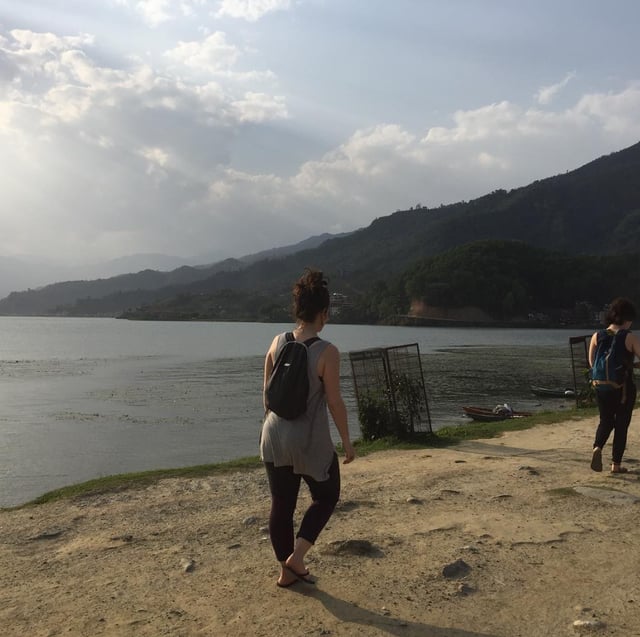
The journey takes place mainly in the Annapurna region of Nepal, starting and ending in Kathmandu, the capital city known for its rich cultural heritage and bustling atmosphere. The route includes a scenic drive on the Prithvi Highway to Pokhara, which sits beside a large lake and beneath the Annapurna mountain range.
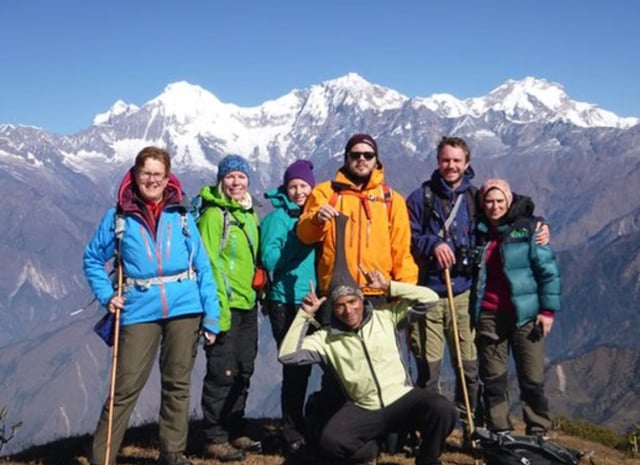
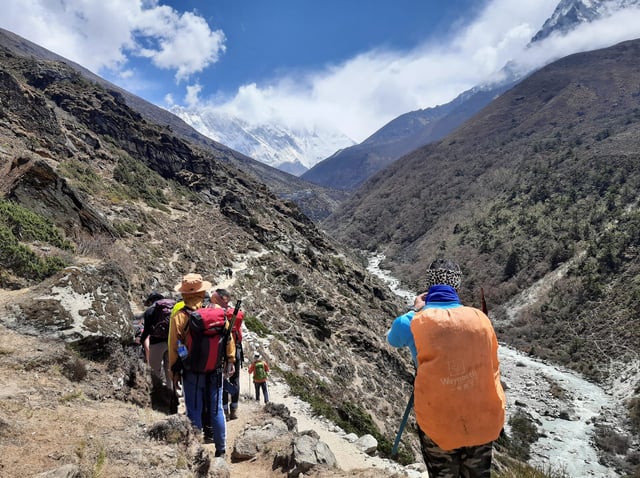
Pokhara serves as the base for trekking and yoga sessions, offering beautiful natural surroundings and peaceful spots for practice. The trekking paths lead through forested hills, local villages, and mountainous terrain, providing an authentic experience of rural Nepal with excellent mountain views.
Accommodation during the trek is arranged in comfortable teahouses and lodges that provide basic facilities and a warm environment. Each night, persons can expect a welcoming space to rest and recharge, often with opportunities to enjoy local cuisine and connect with fellow travellers.
In the cities of Kathmandu and Pokhara, accommodation is in well-appointed hotels with modern amenities. These stays offer a good balance of comfort and convenience, ensuring restful nights before and after trekking days.
Persons joining the trek should have a reasonable level of fitness as the itinerary involves daily walks lasting between 2 to 5 hours, often on uneven and sometimes steep terrain. Prior yoga experience is not necessary, but a willingness to participate in daily classes is required.
Good health and the ability to adapt to moderate altitude changes are important for comfort and safety during the trek. Persons should also be prepared for variable weather conditions and carry appropriate clothing and equipment.
The centre offers a strong focus on combining physical activity with mental wellness through expert-led yoga and trekking experiences. Their guides and yoga instructors are knowledgeable professionals who ensure safety and well-being throughout the trip while sharing cultural insights.
They take pride in responsible tourism, supporting local communities by employing guides from remote areas and contributing part of their revenue to social projects. With over 2,500 satisfied customers and excellent reviews, they strive to provide memorable and well-organised adventures in Nepal.
The trek involves walking for 2 to 5 hours each day on varied terrain, including some steep and uneven paths. While the pace is moderate, a reasonable level of fitness is necessary to comfortably complete the daily sections without undue strain. Regular walking or hiking experience beforehand will be helpful.
Yoga sessions are included twice daily, but prior yoga experience is not required. The combination of trekking and yoga supports gradual conditioning, making it accessible for most people who are reasonably active. However, anyone with specific health concerns should consult their doctor before booking.
Accommodation on the trek is provided in local teahouses and lodges, which are basic but comfortable. Rooms typically have simple beds, shared or private bathrooms depending on availability, and communal dining areas. These lodges offer warm meals and a chance to meet other travellers in a friendly environment.
In Kathmandu and Pokhara, accommodation is at hotels with modern amenities and comfortable facilities. These stays offer a chance to rest well before and after trekking days. It is advisable to carry a sleeping bag liner for added comfort during the trek.
Yoga classes are designed to suit all levels, focusing on gentle stretches, breathing techniques, and mindfulness practices that complement the trekking activity. The sessions aim to improve flexibility, balance, and mental relaxation rather than intense physical exertion.
Morning and evening classes allow for a balanced routine, helping to alleviate muscle tension after trekking and prepare the body for the day ahead. Those new to yoga can participate comfortably, while experienced practitioners can deepen their practice.
The package covers all necessary permits and entry fees required for trekking in the Annapurna region. This includes the Annapurna Conservation Area Permit (ACAP) and any local government taxes associated with the route.
Having permits included removes the hassle of organising paperwork independently and ensures compliance with local regulations. Guides carry all permits, which will be presented as needed during the trek.
Full board (breakfast, lunch, and dinner) is provided during the trekking days at the teahouses, with menus featuring local and simple dishes suitable for trekkers. Meals are prepared fresh daily, and special dietary requirements can usually be accommodated if informed in advance.
In Kathmandu and Pokhara, breakfast is included at the hotels, but lunch and dinner are not. This gives persons flexibility to explore local restaurants and try varied cuisines in the cities.
Weather in the Annapurna region can be variable depending on the season, with cooler temperatures at higher elevations and warmer days in the valleys. Generally, mornings and evenings are cooler, while afternoons may be mild and pleasant for trekking.
It is important to be prepared for sudden changes, including rain or wind. Layered clothing, waterproof gear, and sturdy footwear are recommended to stay comfortable throughout the trek.
Each porter will carry shared luggage for two persons, which typically includes overnight bags and heavier items. This lightens the load for those trekking, allowing them to focus on walking and yoga practice with minimal baggage.
Porters are experienced local staff who know the route well and are compensated fairly as part of the package. It is customary to tip porters at the end of the trek as a gesture of appreciation.
Travel medical insurance covering emergency evacuation is strongly recommended for this trek due to the remote mountain environment and possible altitude-related risks. Insurance should also cover trip cancellation and medical treatment.
The cost of insurance is not included in the package and must be arranged independently before departure. Many providers offer policies tailored for trekking and adventure activities.
The trek passes through several traditional villages, allowing interaction with local communities and insight into rural Nepali life. Guides share knowledge about customs, festivals, and daily routines, enriching the overall experience.
Visitors have the opportunity to taste local cuisine, observe farming practices, and experience the hospitality of the people along the trail. This cultural immersion complements the physical and mental benefits of trekking and yoga.
About the centre
Kathmandu
Operated by Happyland Treks, a partner of adventuro.
Bagmati Province, Nepal
From $1770
Bagmati Province, Nepal
From $2500
Bagmati Province, Nepal
From $1300
Bagmati Province, Nepal
From $3093