
We partner with Rewilding Britain to help protect our natural spaces for future adventures.
All centres are vetted for safety and quality. Your adventure is in good hands with adventuro.
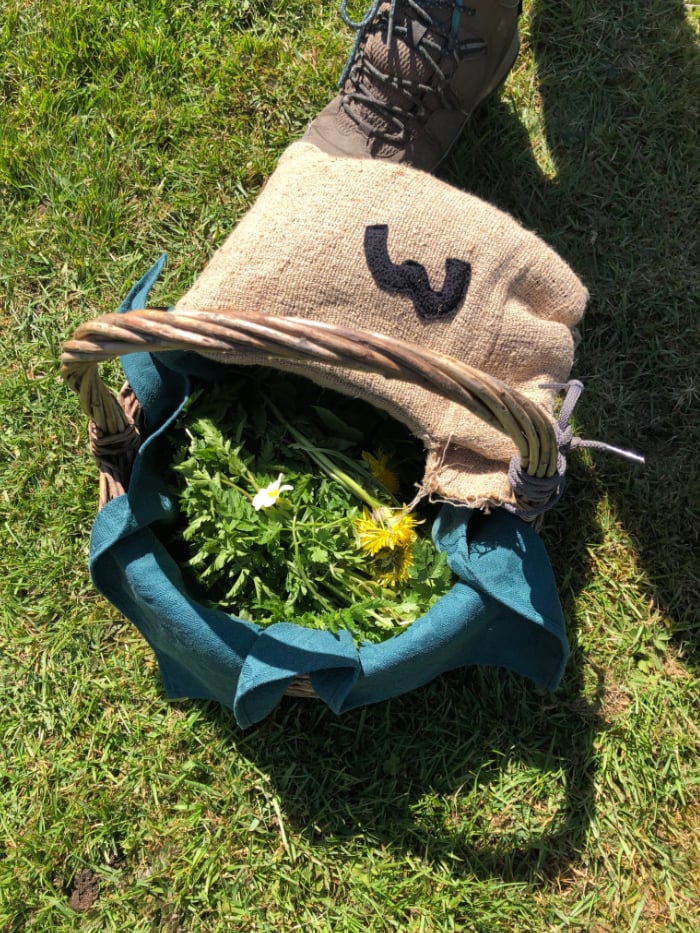
Une journée en plein air à découvrir les secrets des plantes sauvages de saison est une excellente façon de profiter de la fin du printemps. Guidé par des instructeurs expérimentés, vous découvrirez des espèces comestibles, médicinales et même toxiques, tout en écoutant les histoires et traditions fascinantes qui leur sont associées. La journée se termine par la préparation et le partage d’un repas collectif composé de ce que vous aurez cueilli ensemble.
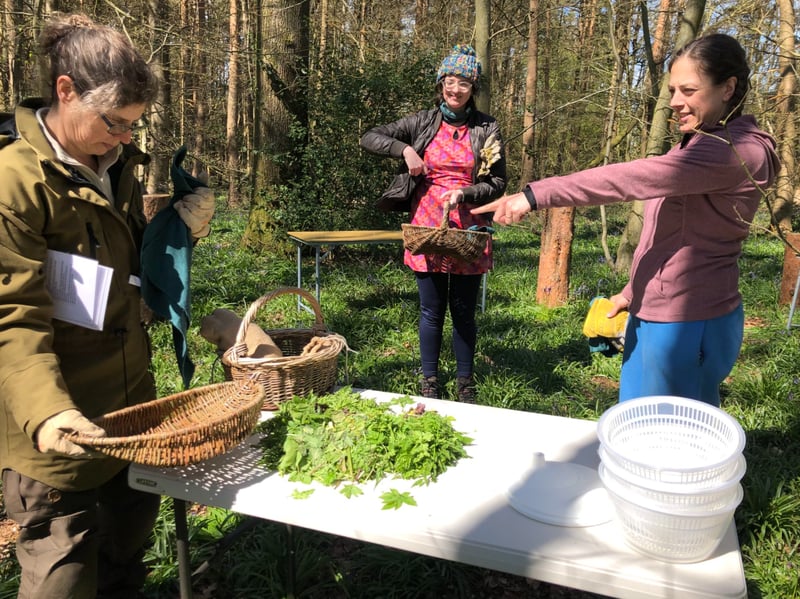
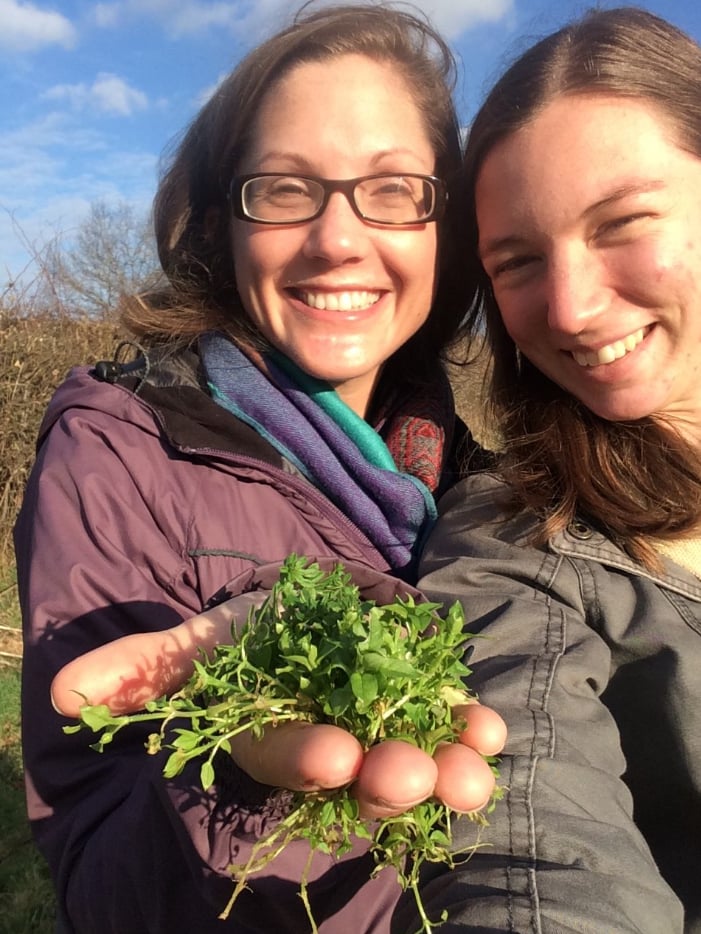
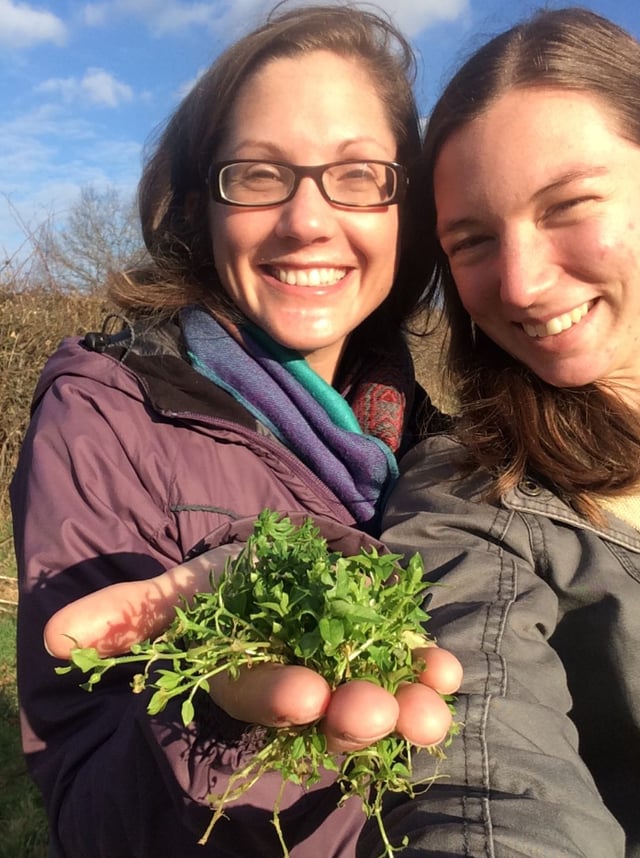
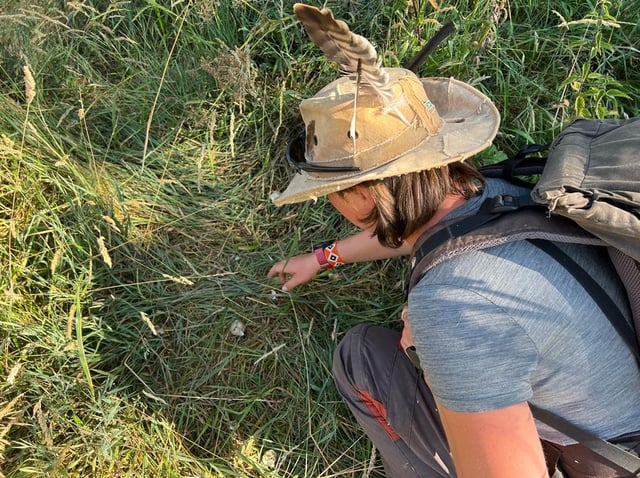
Le stage commence par une promenade tranquille à travers différents habitats, notamment des haies, des lisières boisées et des clairières herbeuses. En traversant ces espaces, votre instructeur vous aidera à identifier un large éventail de plantes de saison et vous montrera les différences entre celles qui sont sûres, utiles ou potentiellement dangereuses. Des démonstrations pratiques sont associées à des explications historiques et aux croyances populaires, pour une expérience à la fois instructive et captivante. Vous aurez tout le temps de prendre des photos, de noter vos observations et de poser vos questions, afin de retenir ces informations bien après la fin de la journée.
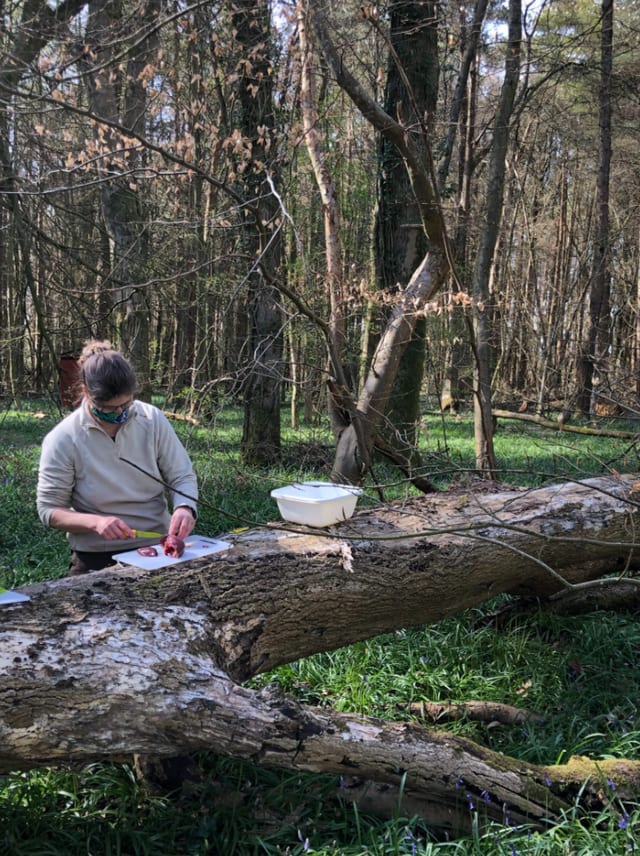
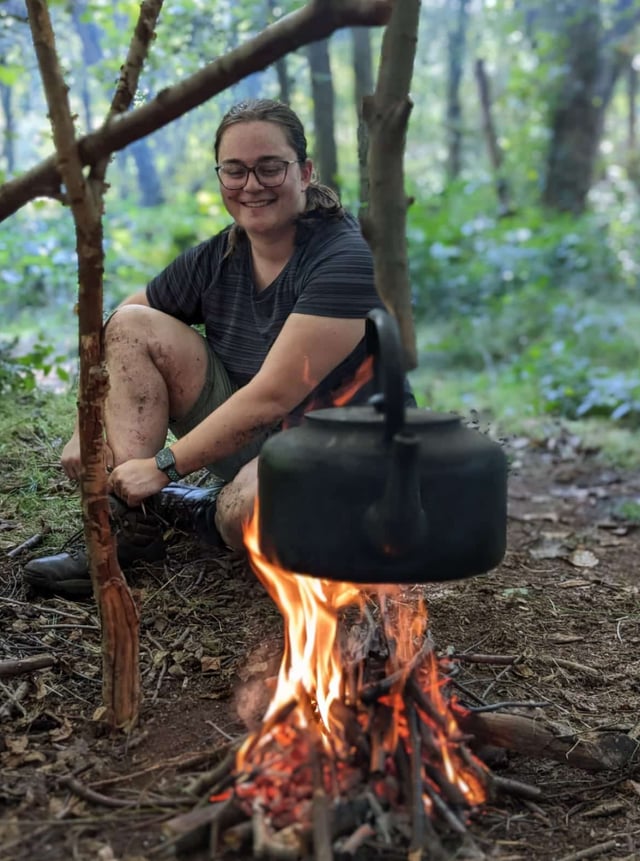
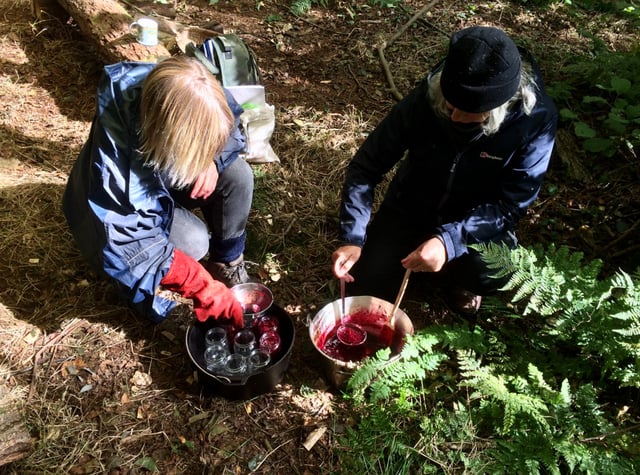
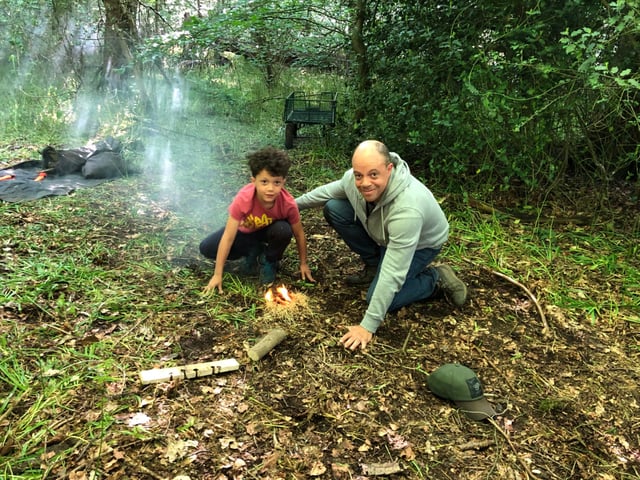
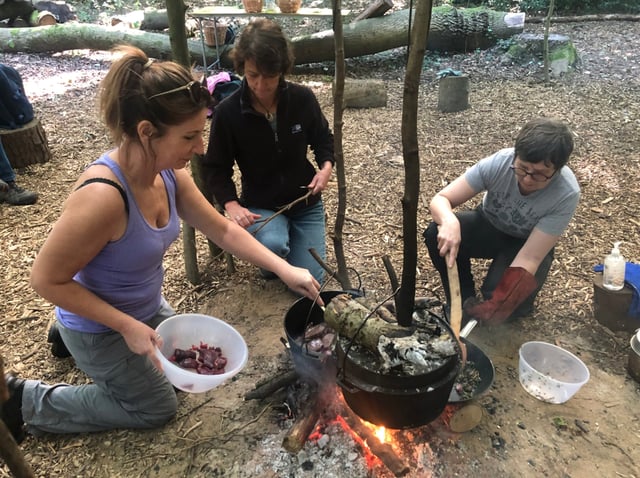
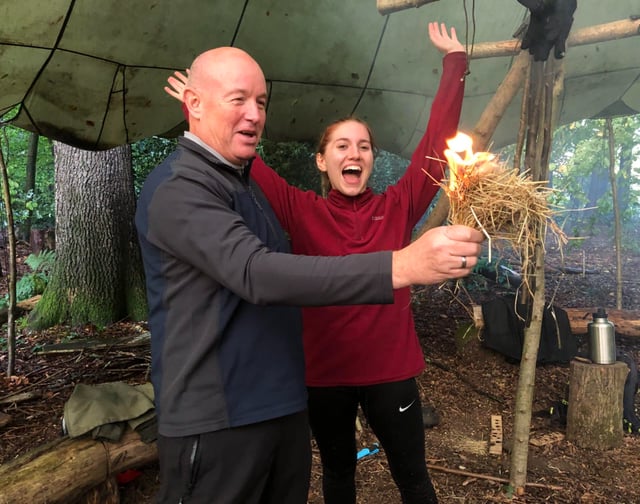
L’après-midi, le groupe se réunit au camp de base en forêt. Vous travaillerez alors votre récolte pour préparer chaque ingrédient et découvrirez des techniques simples mais efficaces pour cuisiner en plein air. Plusieurs méthodes de cuisson au feu de camp sont présentées, avec la possibilité de préparer et de cuisiner du gibier sauvage, comme un petit oiseau ou un petit mammifère. Tout le monde contribue ensuite à un repas collectif, point d’orgue de la journée—vous dégusterez de bons plats en compagnie de nouvelles connaissances, dans le cadre paisible de la forêt.
Les bois du sud de Londres, dans le CR3, constituent la base principale de ce stage. Ils offrent un excellent mélange de paysages naturels, des sentiers boisés ombragés aux lisières ouvertes où les plantes comestibles s’épanouissent. Le site est facilement accessible depuis Londres et le sud-est de l’Angleterre, mais dès que vous pénétrez dans la forêt, l’impression d’être loin de la vie urbaine s’installe, créant l’atmosphère idéale pour découvrir les plantes sauvages comestibles.
Pour ceux qui préfèrent un cadre plus isolé, des réservations privées peuvent être organisées dans les bois du sud du Pays de Galles, situés au sein du parc national de Bannau Brycheiniog (Brecon Beacons). Cette région offre un paysage bien plus vaste et varié, permettant aux participants de rencontrer des plantes dans un environnement différent. Ses espaces paisibles et ouverts ainsi que sa riche biodiversité en font un cadre idéal pour approfondir vos connaissances en cueillette sauvage.
Aucune connaissance préalable de la cueillette sauvage n’est nécessaire, et la journée est conçue pour convenir aussi bien aux débutants qu’aux personnes ayant déjà de l’expérience. Toutes les explications et les conseils nécessaires seront fournis par des instructeurs compétents.
Une condition physique générale est utile, car la promenade traverse différents habitats et comprend des terrains boisés accidentés, même si le rythme est volontairement tranquille. Les participants doivent porter des chaussures solides et apporter des vêtements d’extérieur adaptés, ainsi qu’un déjeuner léger ou un encas pour le début de la journée.
Le centre est animé par des instructeurs qui associent expertise pratique et passion du partage. Leur approche mêle sécurité, tradition et pratique concrète, afin que vous repartiez non seulement avec de nouvelles compétences, mais aussi avec la confiance nécessaire pour cueillir de manière responsable en autonomie. Chaque stage est soigneusement conçu pour équilibrer informations, activité et plaisir, afin d’offrir aux participants une expérience vraiment mémorable.
Une grande importance est également accordée à l’esprit de communauté. Le nombre de participants reste raisonnable pour permettre un accompagnement personnalisé, et la journée se termine par un moment convivial où tout le monde se réunit autour du repas qu’il a contribué à préparer. Cet équilibre entre apprentissage et convivialité fait de ce stage un excellent choix pour toute personne souhaitant développer ses compétences en plein air tout en rencontrant des gens qui partagent les mêmes centres d’intérêt.
Oui, des cours privés sont proposés sur le site forestier du South Wales, dans le parc national des Bannau Brycheiniog.
Ces séances privées offrent une expérience personnalisée : vous pouvez définir votre propre rythme et vous concentrer sur les compétences qui intéressent le plus votre groupe. Le cadre du parc national ajoute également une agréable sensation d’aventure. Vous pouvez les réserver en utilisant le bouton « Vous ne trouvez pas de dates ou vous êtes un grand groupe ? » situé au-dessus du formulaire de réservation, puis en nous envoyant une demande.
Vous découvrirez un large éventail de plantes de la fin du printemps présentes dans les haies, en lisière des bois et dans les espaces herbeux. Vous découvrirez notamment des espèces comestibles, médicinales et toxiques, afin de bien comprendre lesquelles sont sûres et utiles, et lesquelles éviter. L’instructeur expliquera également les croyances populaires et l’histoire liées à de nombreuses plantes, vous donnant un aperçu de la valeur qui leur a été accordée au fil du temps.
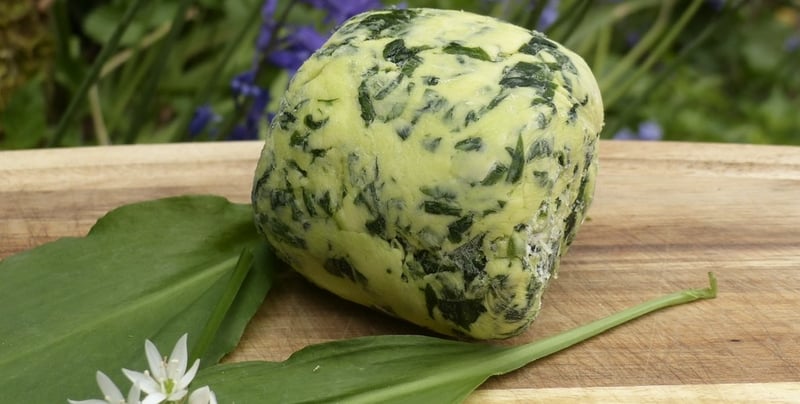
Les plantes variant selon la saison et les conditions météorologiques, chaque stage est unique. Vous pourrez rencontrer des incontournables comme l’ail des ours, les orties ou l’oseille, mais aussi des espèces comestibles ou médicinales moins connues. En apprenant à les identifier dans leur habitat naturel, vous acquerrez des connaissances pratiques que vous pourrez appliquer lors de vos promenades ou explorations en autonomie.
Non, le stage convient parfaitement aux débutants complets. Les instructeurs savent guider les participants étape par étape, en commençant par une identification claire des plantes et en abordant progressivement des notions plus avancées de transformation et de cuisine. Les débutants trouvent souvent cette approche structurée rassurante, car elle évite toute confusion et fait de la sécurité une priorité.
Si vous avez déjà de l’expérience, vous trouverez également cette journée très enrichissante. Les participants plus expérimentés profitent souvent du stage pour renforcer leur confiance, vérifier leurs compétences d’identification et découvrir de nouvelles utilisations de plantes qu’ils connaissent peut-être déjà. Tout le monde repart avec une plus grande appréciation de la diversité et du potentiel des plantes sauvages à la fin du printemps.
Il est recommandé de porter des chaussures solides et confortables, adaptées aux bois et aux sentiers accidentés. Des vêtements d’extérieur adaptés aux prévisions météorologiques sont indispensables, idéalement superposés, avec une veste imperméable en cas d’averses. Un carnet, un appareil photo ou un téléphone pour prendre des photos peuvent également être utiles pour garder une trace de vos découvertes.
Vous préparerez et partagerez un repas plus tard dans l’après-midi ; il est donc conseillé d’apporter des encas ou un déjeuner léger pour conserver votre énergie jusque-là. Une gourde est également recommandée. Tout le matériel spécialisé, l’équipement de cuisine et les ingrédients du repas sont fournis par les instructeurs.
Oui, les espèces toxiques sont incluses afin que les participants sachent lesquelles éviter. C’est un élément essentiel de la cueillette sauvage en toute sécurité, car de nombreuses plantes comestibles peuvent ressembler à des espèces toxiques. L’instructeur soulignera les différences et vous enseignera des techniques d’identification claires afin de réduire les risques lors de vos cueillettes en autonomie.
Reconnaître les plantes dangereuses est aussi important que connaître les plantes comestibles, et ce stage vous donne une compréhension équilibrée des deux. En les observant dans leur habitat naturel, vous gagnerez en confiance pour les identifier correctement et éviter les erreurs à l’avenir.
Toutes les exigences alimentaires peuvent être prises en compte. Lors de la réservation, il vous suffit d’informer les organisateurs de vos allergies, intolérances ou préférences. Les instructeurs ont l’habitude d’adapter le repas aux participants afin que chacun puisse profiter des plats préparés pendant le stage.
Si vous préférez ne pas goûter au gibier sauvage pendant la session de cuisine, aucune pression ne vous sera imposée. Des ingrédients de remplacement seront toujours disponibles, l’objectif restant de préparer un repas collectif que tout le monde se sente à l’aise de manger.
La journée comprend une promenade tranquille à travers différents habitats, qui dure généralement quelques heures le matin. La promenade n’est pas soutenue, mais elle se déroule sur des terrains boisés accidentés ; une condition physique modérée est donc utile. De bonnes chaussures facilitent grandement les déplacements en tout confort.
L’après-midi est consacré à la préparation des aliments et à la cuisine au camp de base en forêt, une activité moins exigeante physiquement. Dans l’ensemble, le stage est accessible à la plupart des adultes disposant d’une mobilité raisonnable, et le rythme permet de favoriser autant l’apprentissage que le plaisir.
Oui, la photographie est encouragée, car elle permet de renforcer les connaissances acquises. Photographier les plantes dans leur environnement naturel vous aide à mémoriser leurs principales caractéristiques d’identification. De nombreux participants aiment également photographier la préparation des plats ou le repas collectif pour garder un souvenir de la journée.
Cela dit, les instructeurs demanderont que les photos soient prises avec discrétion, en particulier pendant les activités de groupe, afin de ne pas distraire les autres. Les notes et les croquis dans un carnet peuvent aussi compléter utilement les photographies et vous aider à créer votre propre référence pour vos futures cueillettes.
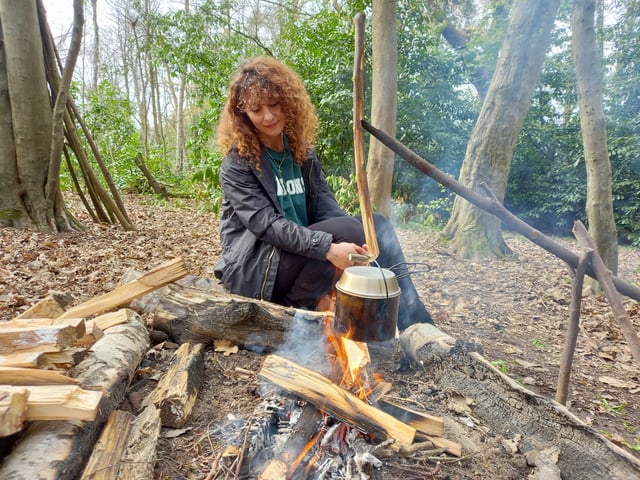

Devon, United Kingdom
À partir de £120
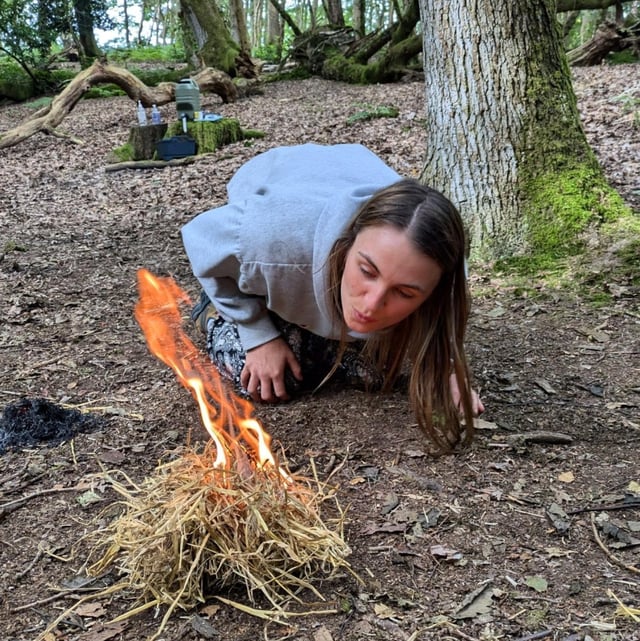
Kent, United Kingdom
À partir de £120

London, United Kingdom
À partir de £69
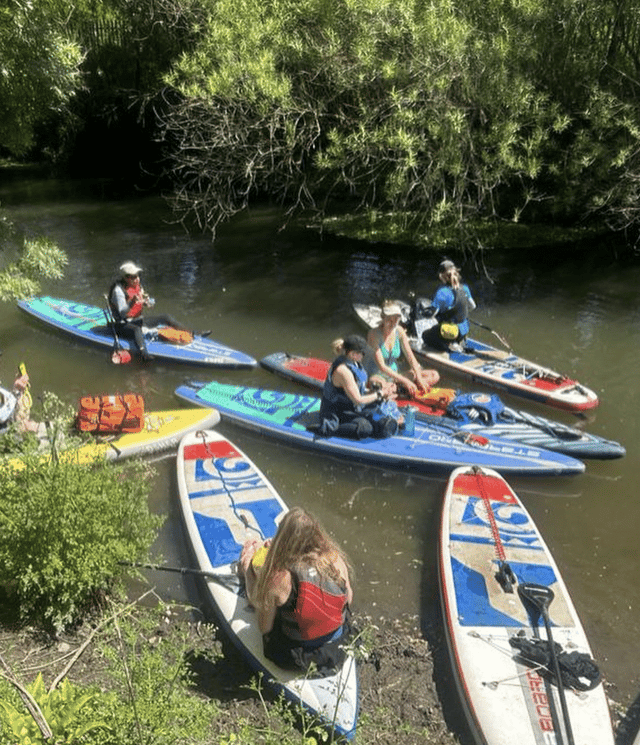
Surrey, East and West Sussex, United Kingdom
À partir de £89

Surrey, East and West Sussex, United Kingdom
À partir de £89


Surrey, East and West Sussex, United Kingdom
À partir de £75
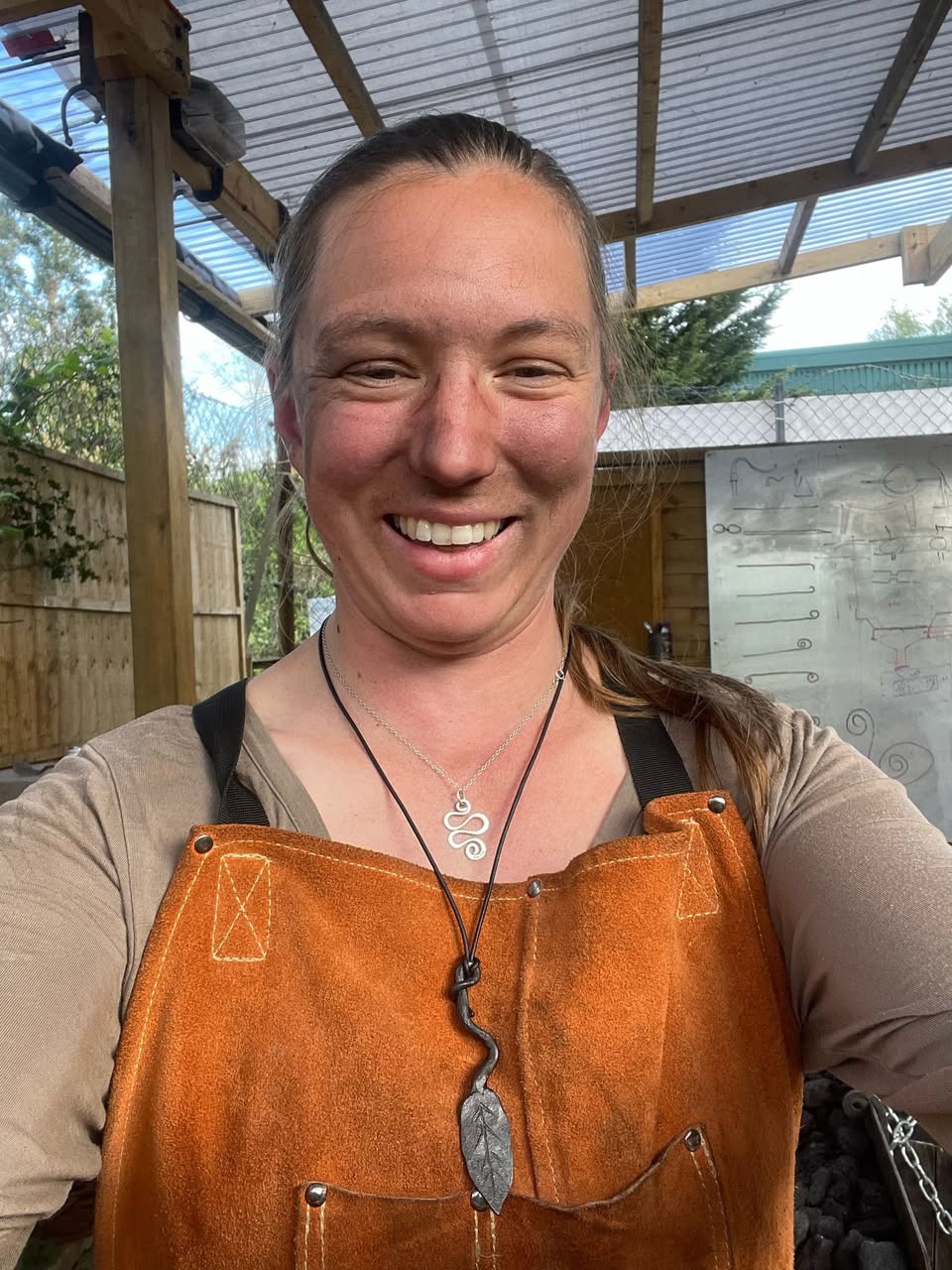
À propos du centre
South London
Géré par Pippin & Gile Bushcraft & Foraging Courses, partenaire de adventuro.
London, United Kingdom
À partir de £42
London, United Kingdom
À partir de £225
London, United Kingdom
À partir de £135
London, United Kingdom
À partir de £110
London, United Kingdom
À partir de £110