We partner with Rewilding Britain to help protect our natural spaces for future adventures.
All centres are vetted for safety and quality. Your adventure is in good hands with adventuro.
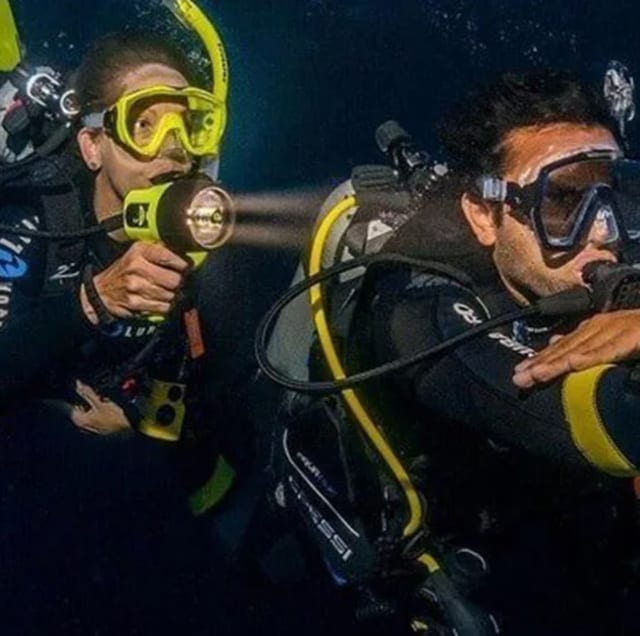
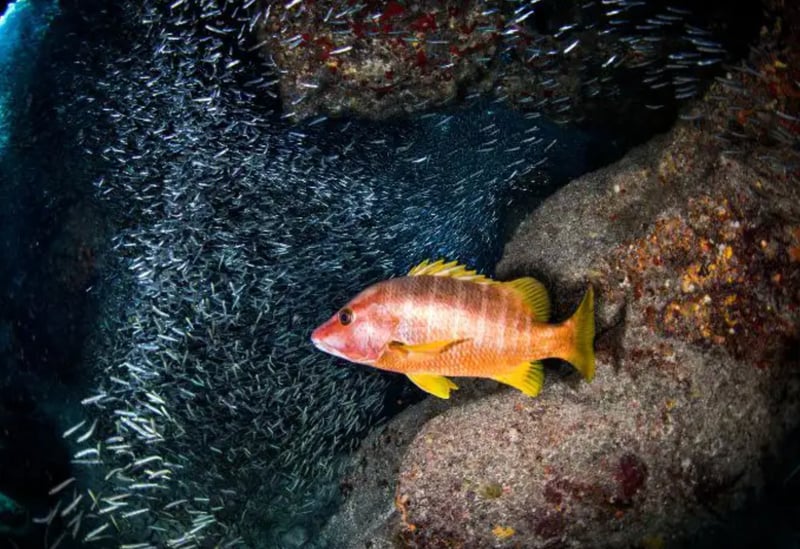
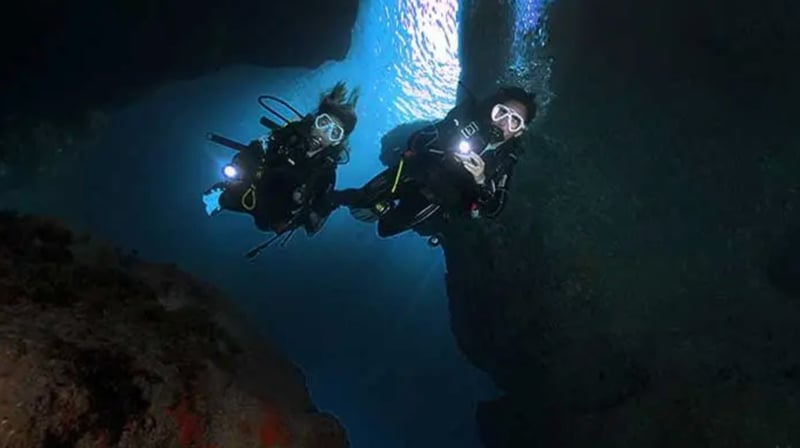
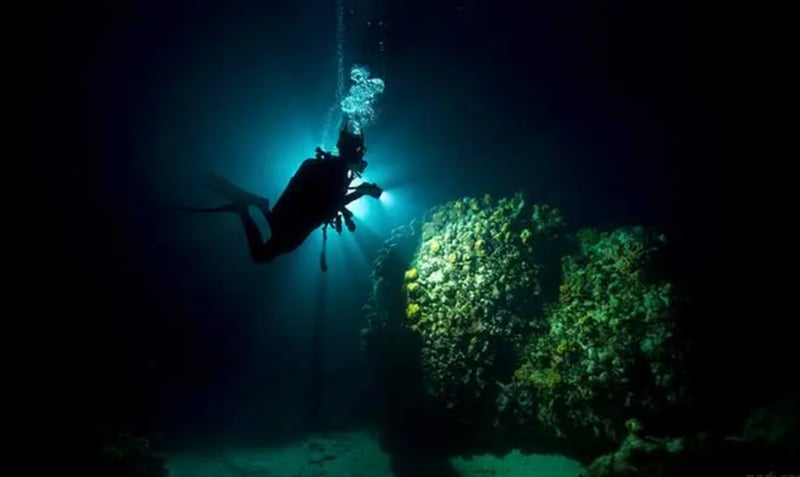
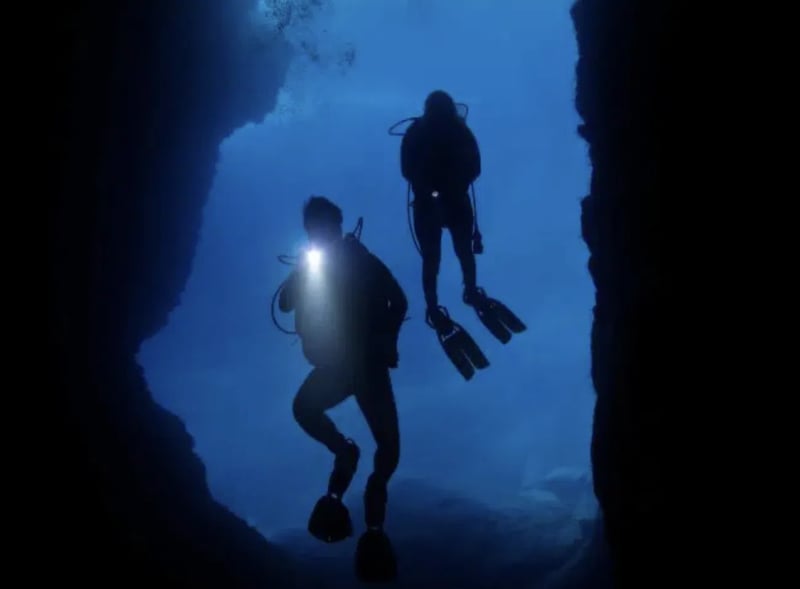
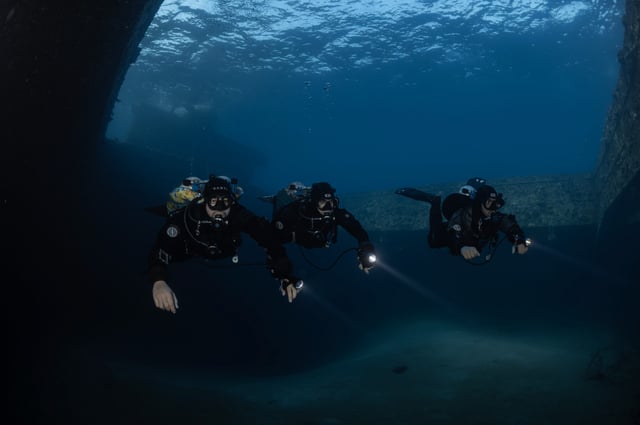
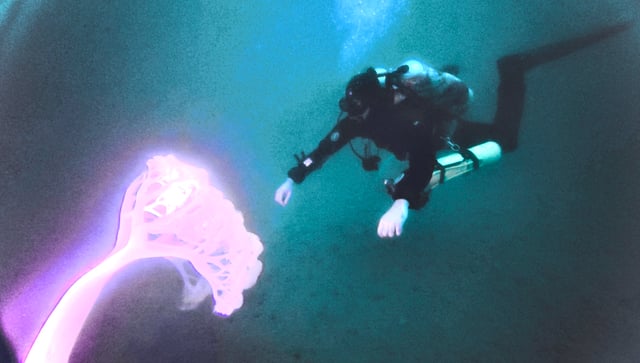
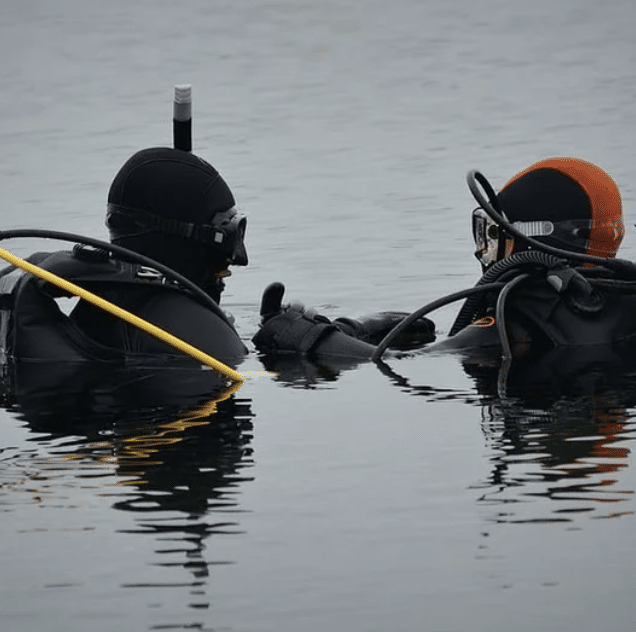
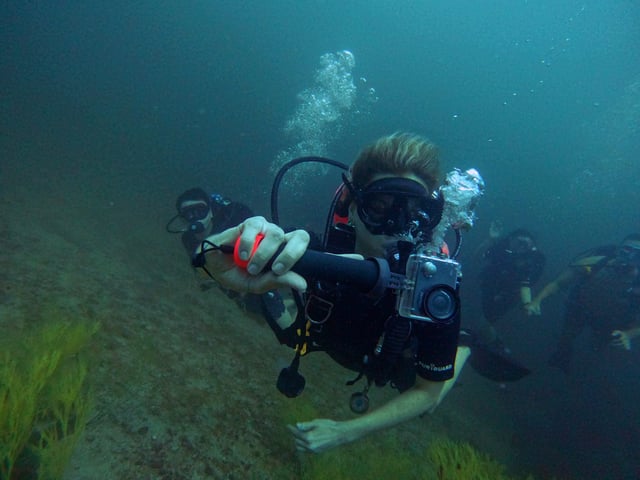
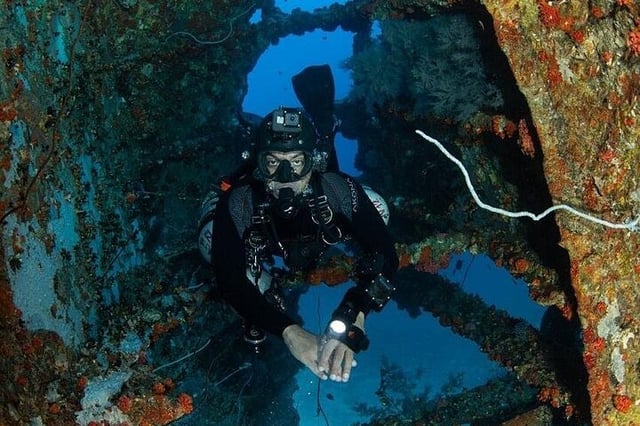
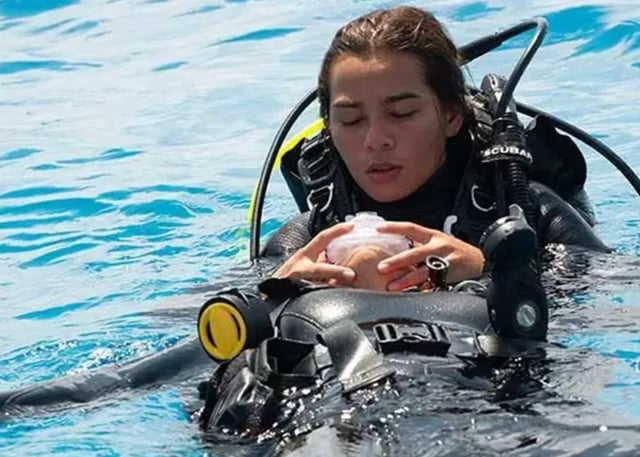
Night diving reveals a completely different side of Dibba Al Fujairah’s reef systems, offering certified divers the chance to observe nocturnal marine behaviour in a calm and controlled setting. As light fades, colours appear stronger under torch illumination and a wider range of species emerge from the reef. This structured evening dive provides a safe introduction to night-time diving techniques under experienced supervision.
The focus of the experience is on observation, buoyancy awareness, and understanding how the underwater environment changes after sunset. Divers can expect a quiet, atmospheric dive with clear guidance and close support from qualified professionals.
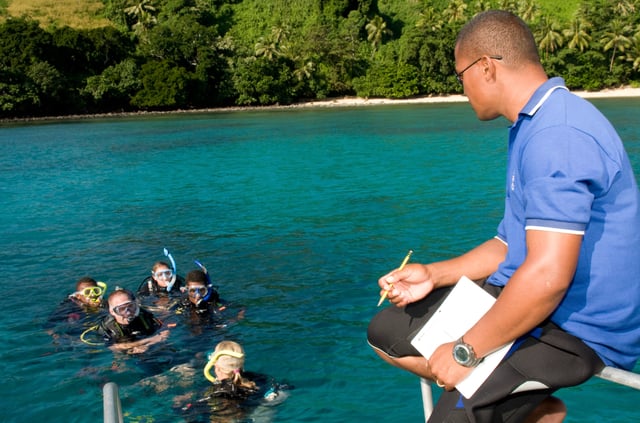
Your evening begins with a detailed briefing covering night-specific procedures, torch handling, communication, descent planning, and navigation references. Instructors explain changes in visibility, how marine life behaviour differs at night, and methods for maintaining stable buoyancy while managing light sources. As night dives require heightened spatial awareness, the team places strong emphasis on positioning, buddy contact, and calm breathing patterns.
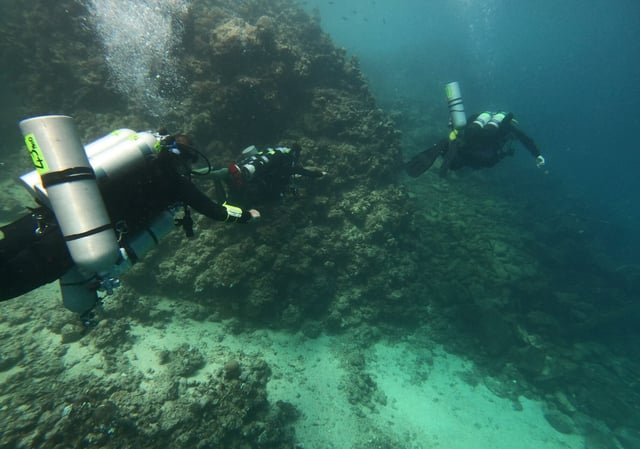
Once in the water, divers descend carefully as a group, using torches to illuminate key features of the reef. Nocturnal species such as crabs, urchins, cuttlefish, shrimp, hunting moray eels, and resting fish are commonly seen during these dives. Colours appear more vivid under artificial light, revealing details not visible during the day. Instructors guide the group along a conservative route designed to stay within comfort zones while showcasing the reef’s night-time activity.
Following the dive, divers return to the boat for surface debriefing, drinks, and snacks. Instructors discuss environmental awareness, buoyancy control, and any technique refinements to support future night dives. The shorter duration of the trip makes it ideal for divers wanting evening activity without committing to a full half-day programme.
Dibba Al Fujairah offers some of the region’s most reliable reef systems for night diving, with sheltered bays and stable underwater terrain. Conditions typically allow smooth entries and controlled descents even after sunset. The coastline provides natural protection from large swells, giving divers a more predictable environment than many open-water night dive locations.
The departure point is easily accessed by car, with optional transportation for those travelling from Dubai or other emirates. The surrounding mountain landscape and sheltered inshore reefs create an excellent backdrop for a calm, well-organised night dive. Marine life diversity in this area is notably high, making it a popular training and exploration site for certified divers.
All divers must be certified (minimum Scuba Diver/Junior Open Water Diver or equivalent) and comfortable diving in open water conditions. A reasonable level of health and fitness is required, and participants may need to complete a medical questionnaire depending on history.
Minimum age is 10, with Junior divers following depth limits appropriate to their certification. Divers must bring either an Emirates ID or passport depending on residency status.
Night diving requires clear guidance, and our instructors provide thorough briefings, structured routes, and close supervision throughout the dive. The aim is to build confidence while allowing divers to enjoy the unique aspects of night-time marine activity. Small group ratios ensure divers receive individual attention and continuous support.
We maintain reliable equipment, strong safety procedures, and a focus on environmental respect. With extensive experience running night dives in Dibba, our team makes the experience accessible, calm, and technically well-managed for divers of varying backgrounds.
Night diving changes visibility, light conditions, and marine behaviour. Torches highlight details and colours that aren’t visible during the day, and many nocturnal species become active after sunset. This creates a very different atmosphere and requires divers to focus more on torch communication and buoyancy control.
It also encourages slower, more controlled movement. Divers typically stay closer together, using light patterns and instructor guidance to maintain orientation throughout the dive.
A dedicated night diving certification is not required, but divers must hold a Scuba Diver, Open Water Diver, or Junior equivalent. Instructors provide all necessary night-specific briefings before the dive to ensure participants understand torch protocols, navigation, and buddy procedures.
Divers new to night diving will follow conservative routes and remain close to instructors to maintain comfort and safety.
Night-time brings out species such as crabs, shrimp, cuttlefish, hunting moray eels, and various nocturnal fish. Many daytime fish rest in crevices or hover quietly above coral heads. Colours appear sharper under torchlight, making coral textures and smaller creatures easier to observe.
Conditions vary, but Dibba’s reefs regularly provide excellent opportunities for macro-focused sightings and observing natural marine behaviour.
With proper supervision and briefing, night diving is safe for certified divers. The instructor controls descent, route, time, and communication to ensure divers remain within their comfort zone. Equipment checks, torch protocols, and group spacing are all part of the standard safety procedure.
Divers are encouraged to move slowly and maintain close contact with their buddy and instructor throughout the dive.
The dive typically lasts 35–45 minutes depending on air consumption, conditions, and diver comfort. The full trip duration is around two hours, including briefing, gearing up, the dive, and post-dive procedures.
Night dives are usually shallower to support enhanced observation and easier navigation.
Divers can rent torches if they do not have personal equipment. Torches must be suitable for open-water diving, with adequate brightness and battery capacity for the full session.
Backup torches may be recommended depending on conditions and equipment setup.
Bring swimwear, footwear suitable for boat surfaces, an extra set of clothes, a towel, and your Emirates ID or passport. A refillable water bottle is useful, though drinks are provided.
Avoid wearing bright screens or lights on the boat that may interfere with night vision.
Yes, certified Junior Open Water divers aged 10–14 may join under closer supervision, following depth limits appropriate to their certification. The instructor will adjust the dive profile to match their comfort and safety requirements.
A parent or guardian must accompany minors on the trip.
About the centre
Dibba Al Fujairah
Operated by Nemo Diving Center, a partner of adventuro.
Fujairah, United Arab Emirates
From Dhs256.63