We partner with Rewilding Britain to help protect our natural spaces for future adventures.
All centres are vetted for safety and quality. Your adventure is in good hands with adventuro.
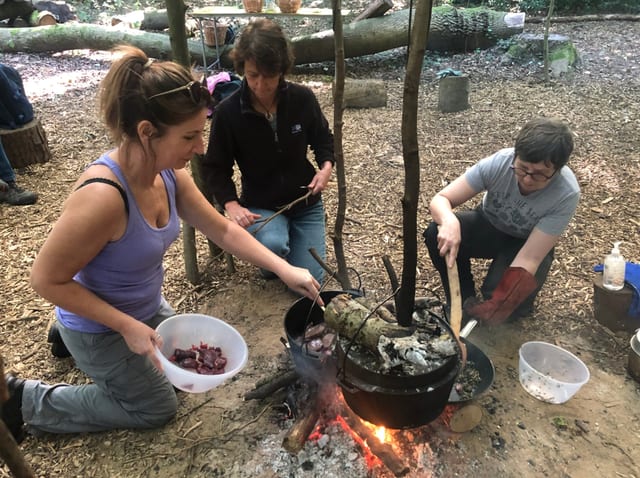
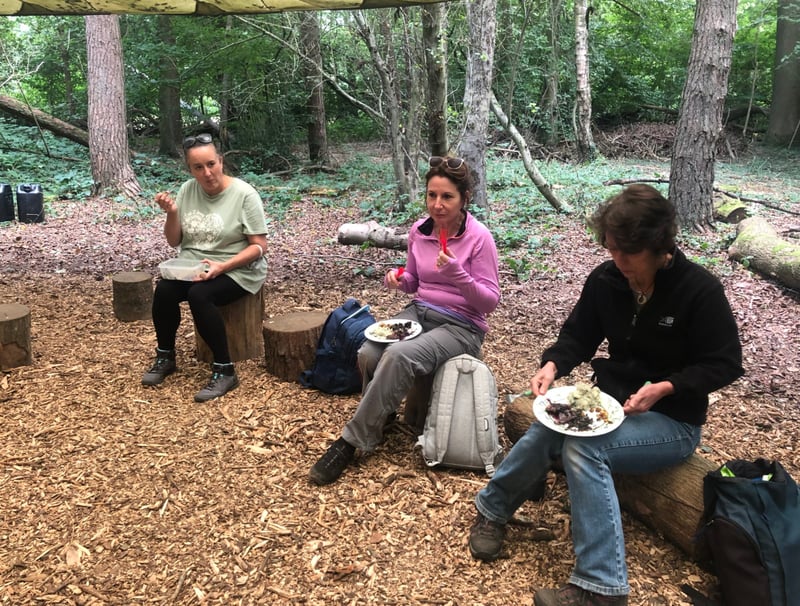

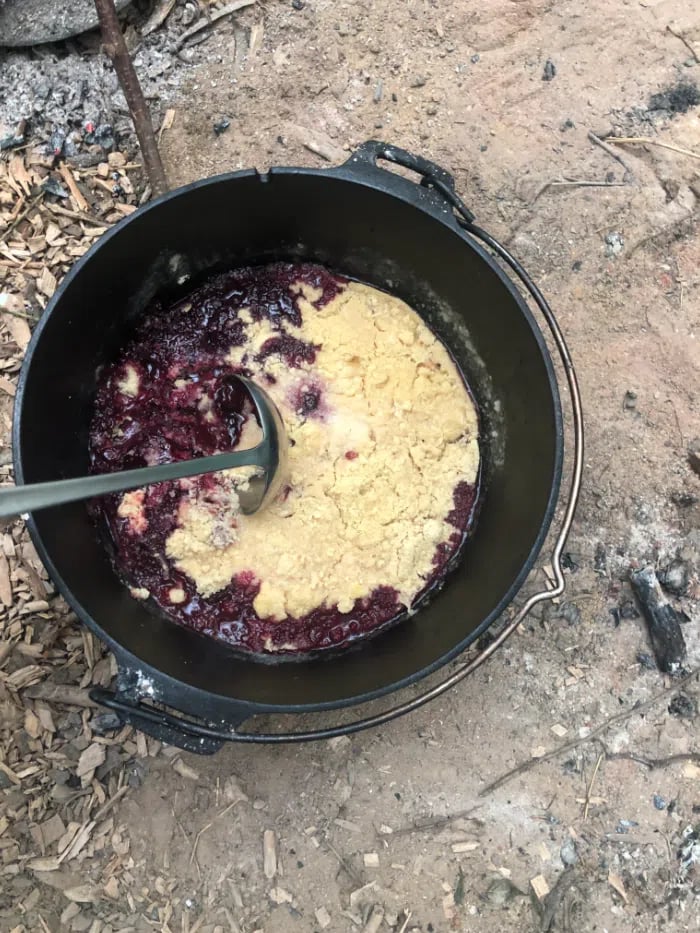
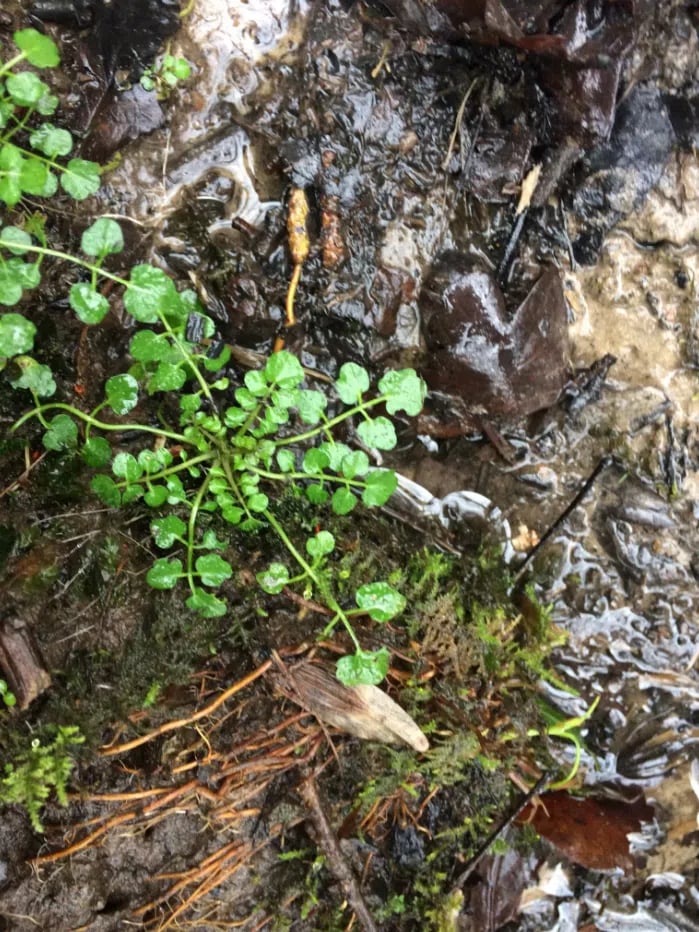
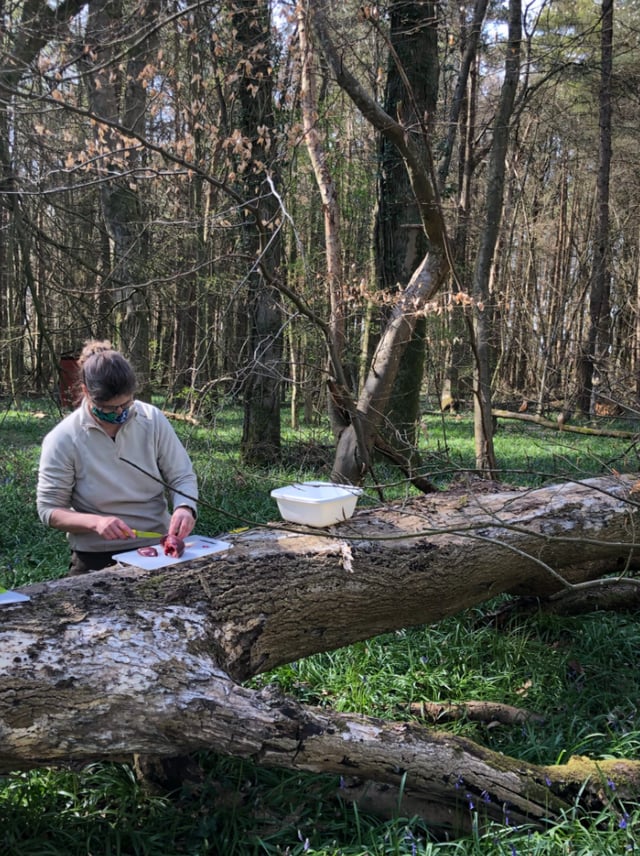
Spend a full day exploring the edible, medicinal, and even poisonous plants that thrive in the autumn countryside. Guided by skilled instructors, you’ll learn how to recognise species in different habitats, understand their folklore, and discover practical uses. The day finishes with everyone preparing and sharing a hearty meal cooked over the fire using the plants you’ve gathered. This course blends walking, learning, and campfire cooking in a friendly and supportive setting, making it perfect for both beginners and those with some experience.
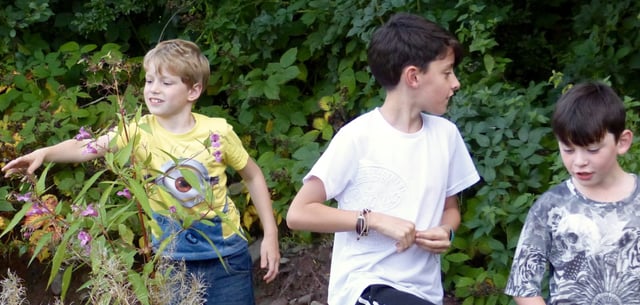
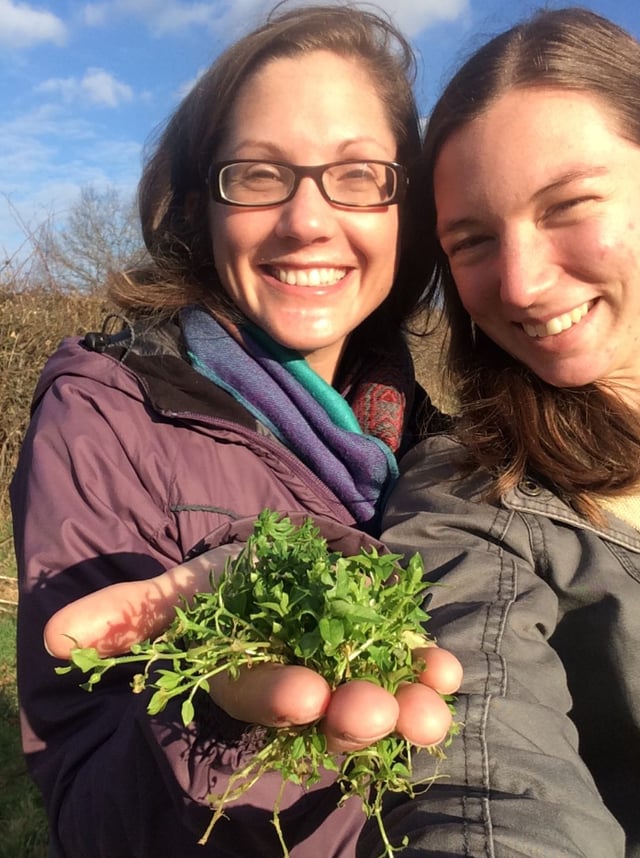
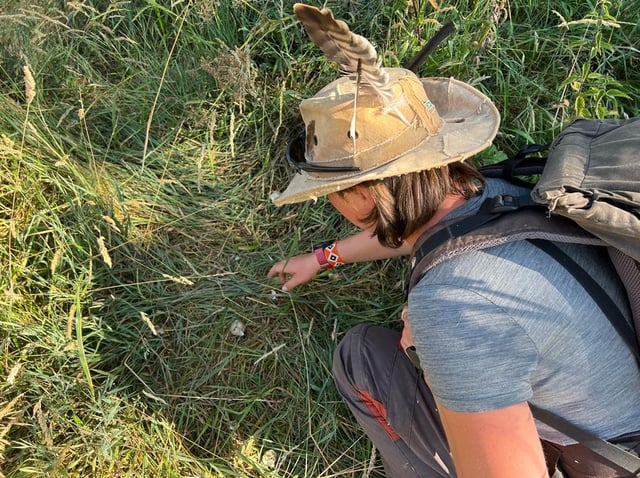
The morning is spent walking through hedgerows, woodland edges, and grassy clearings, where you’ll be shown a wide variety of seasonal plants. The instructor will explain how to recognise their key features and point out which ones are edible, medicinal, or harmful. Along the way, you’ll also hear stories and folklore that highlight the cultural significance of many species.
During the walk you’ll have plenty of time to take photos, make notes, and ask questions, making the experience interactive and memorable. There will also be the chance to taste some of the plants raw if you choose, which helps build confidence in your identification skills.
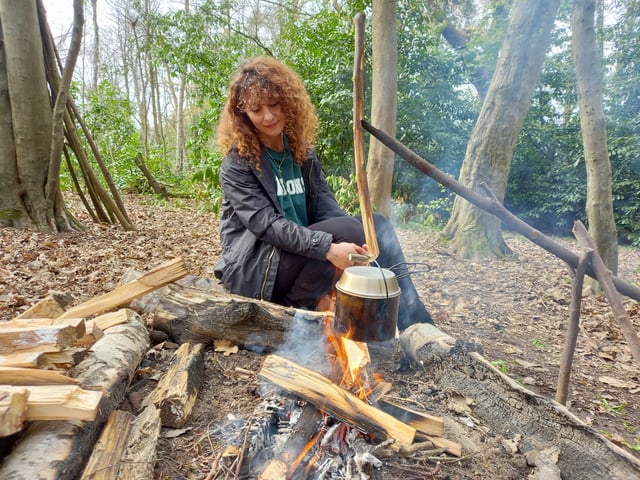
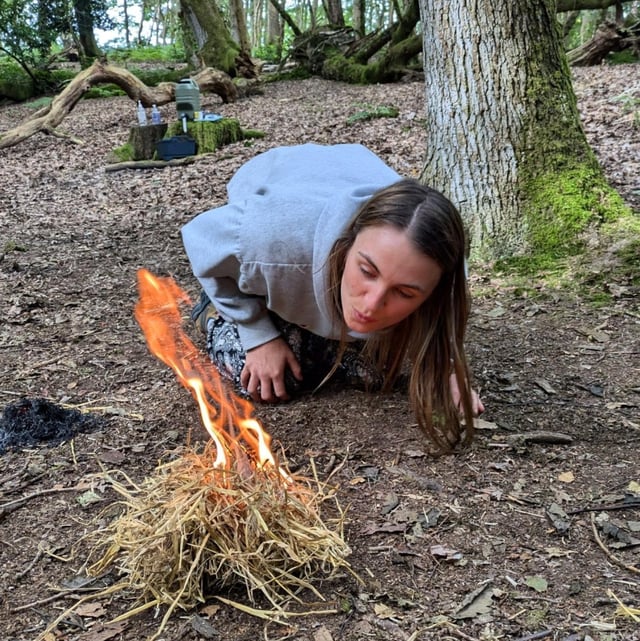
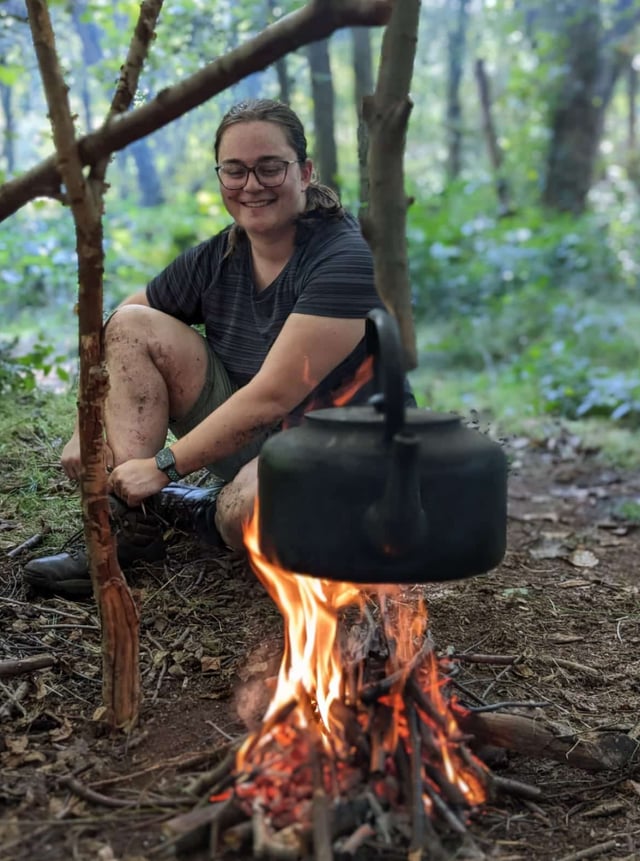
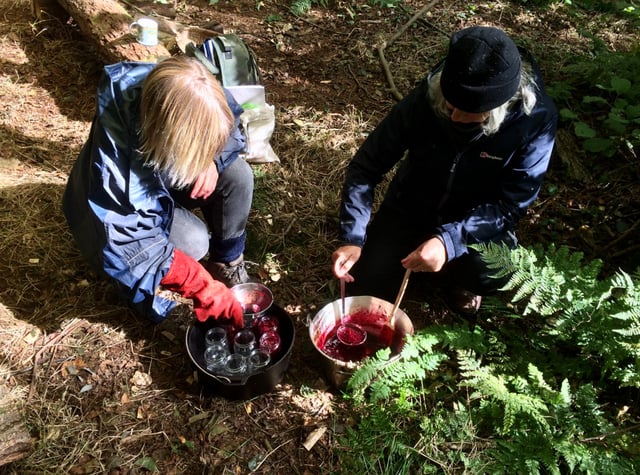
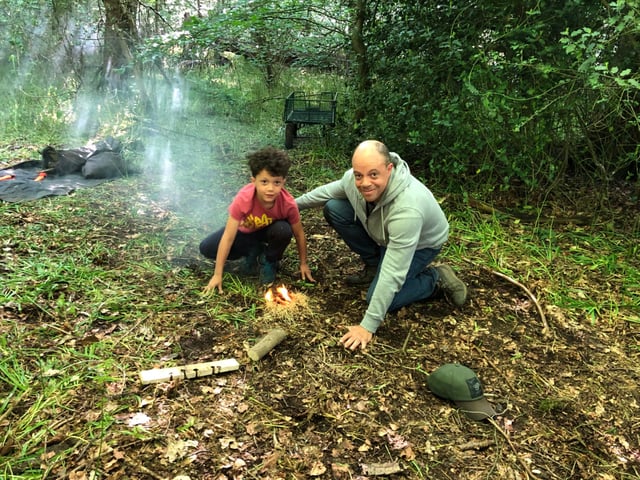
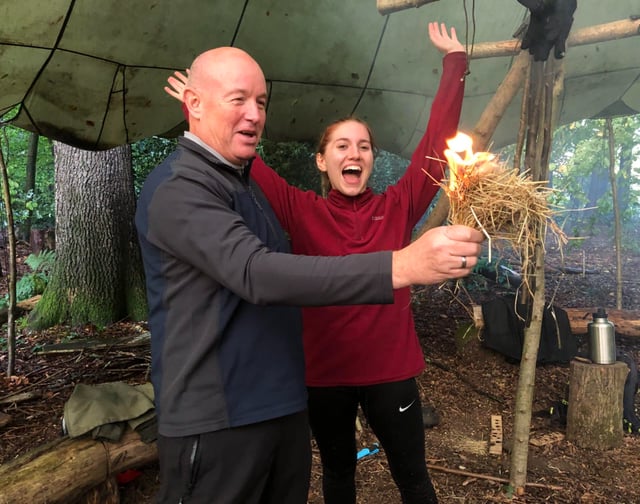
In the afternoon, the focus turns to cooking. At the woodland base camp you’ll work together to prepare a shared meal using the plants you’ve foraged. You’ll be shown how to cook over a campfire and introduced to a range of outdoor techniques. There is also an optional opportunity to prepare wild game such as a small mammal or bird. The day ends with the group gathering to eat, share stories, and reflect on everything you’ve learned.
The course is held in South London Woods, just outside the city in CR3. These woodlands are rich in diverse habitats, making them ideal for spotting a wide range of plants during the autumn season. They are easy to reach by car or public transport, providing a convenient escape into nature without needing to travel far.
Alternatively, courses can be run in private woodlands in South Wales, set within the Bannau Brycheiniog (Brecon Beacons) National Park. This location offers an even wilder setting, where the landscape is varied and the range of foraged species is extensive. Both locations are carefully chosen to provide a safe and rewarding environment for learning.
No prior experience is needed, as the instructors provide step-by-step guidance throughout the day. The course is designed to suit beginners as well as those with some foraging knowledge who want to deepen their skills.
A reasonable level of fitness is required since the walk takes place over woodland paths and uneven ground, but the pace is relaxed and allows for frequent stops.
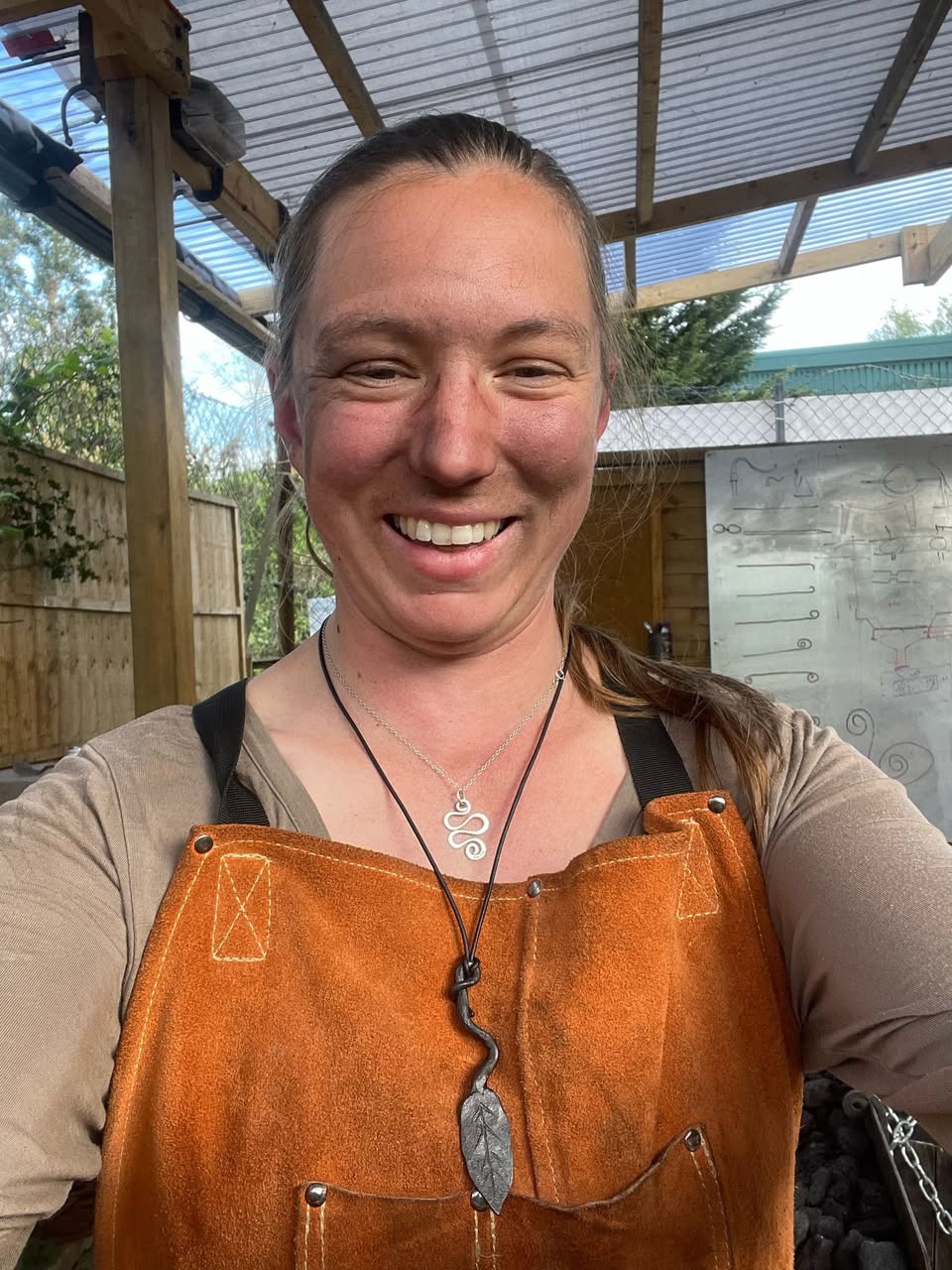
The centre is known for running practical, informative courses that combine expert tuition with a relaxed, enjoyable atmosphere. The instructors bring years of knowledge, drawing on both personal experience and formal training, to make the day engaging and memorable.
Every course is kept small to ensure everyone has the chance to interact, ask questions, and gain hands-on practice. With a strong focus on sustainability, safety, and respect for nature, the sessions give you not just skills for the day but knowledge you can use for years to come.
Yes, private courses are available at the South Wales woodland site in the Bannau Brycheiniog National Park.
These private sessions offer a tailored experience where you can set your own pace and focus on the skills most interesting to your group. The setting in the national park also adds a special sense of adventure. You can book these by using the 'Can't find dates or have a large group?' button above the booking form and sending us an enquiry.
During the course, your instructor will highlight edible plants, poisonous species to avoid, and those with traditional medicinal uses. You’ll be shown clear identification features, with a strong emphasis on avoiding any plant unless you’re fully confident.
To reinforce learning, you’ll have time to take photos, make notes, and compare samples side by side. By the end of the day you’ll feel more confident distinguishing safe plants from those best left untouched.
Yes, there are opportunities to taste selected plants in their raw state under the guidance of your instructor. These tastings are always optional, but they help bring learning to life by allowing you to connect flavour with identification.
Later in the day, you’ll prepare and share a meal over the fire that includes many of the foraged ingredients. This creates a practical and enjoyable way to round off the day and appreciate the uses of what you’ve gathered.
Courses run in all weather conditions, as part of the experience is learning how to forage and cook outdoors regardless of the forecast. Shelter is available at the woodland base camp for cooking and discussions.
Instructors will adapt the pace and route if conditions are particularly wet, ensuring safety and comfort remain a priority. Waterproof clothing and sturdy footwear are strongly recommended.
Expect to walk at a steady pace for several hours across uneven ground, with frequent stops for plant identification and discussions. The total distance is not excessive, but the terrain may include tree roots, slopes, and muddy paths.
Breaks are included, and the group returns to the woodland base camp for the cooking session. If you’re comfortable with light walking in the outdoors, you’ll be well-suited to the course.
Yes, understanding which plants to avoid is just as important as learning about edible ones. Instructors carefully explain common dangerous species and how to recognise them.
You’ll learn practical methods for safe identification, such as checking leaf shape, growth pattern, and habitat. This knowledge builds the confidence to forage safely outside of the course.
You don’t need anything beyond comfortable clothing suitable for the weather, sturdy footwear, and a small notebook or phone for making notes and taking photos. A packed lunch, snacks, and water are also essential.
All necessary materials for the cooking session, including ingredients and equipment, are supplied. Bringing waterproofs and layers will help ensure you stay comfortable throughout the day.
Absolutely. No previous foraging experience is required, and all key skills are taught from the ground up. The course is structured to build confidence gradually through guided walks and practical exercises.
Even those who already have some knowledge will benefit from expanding their skills, trying new recipes, and learning from experienced instructors in a supportive environment.

Surrey, East and West Sussex, United Kingdom
From £89




About the centre
South London
Operated by Pippin & Gile Bushcraft & Foraging Courses, a partner of adventuro.