We partner with Rewilding Britain to help protect our natural spaces for future adventures.
All centres are vetted for safety and quality. Your adventure is in good hands with adventuro.
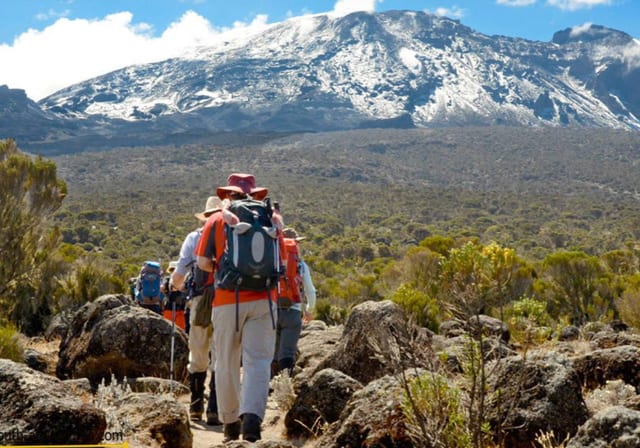
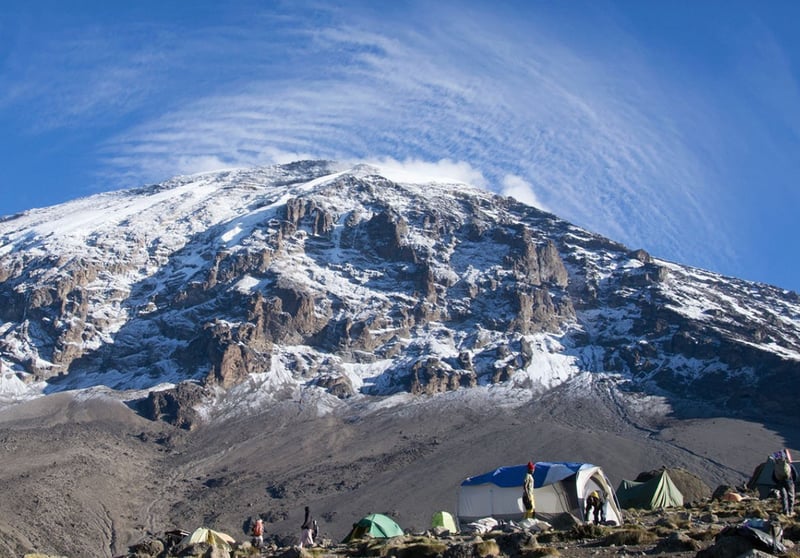
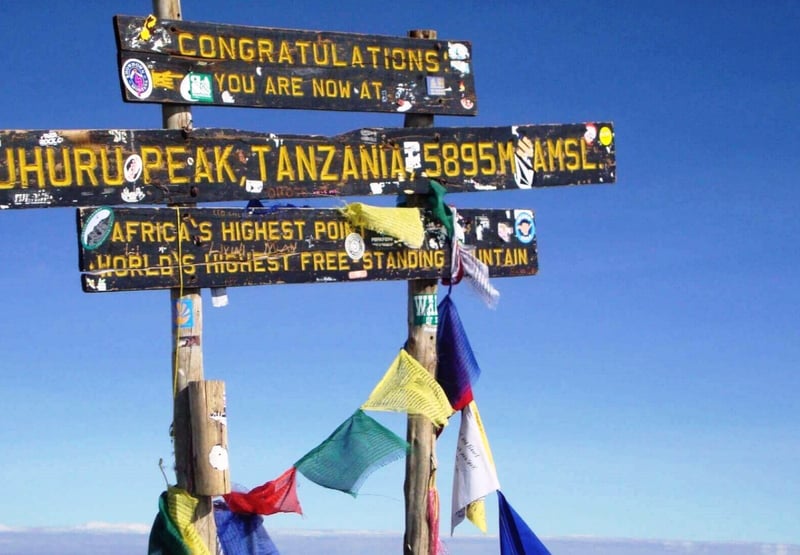


The Lemosho Route is widely regarded as one of the most scenic ways to climb Kilimanjaro, beginning on the remote western flank and crossing the Shira Plateau before joining the southern circuit. It offers a strong acclimatisation profile, varied landscapes, and a quieter approach during the initial stages.
This eight-day itinerary provides a balanced ascent with multiple acclimatisation opportunities, increasing summit success rates. Professional guides, a full support team, reliable camp infrastructure, and structured safety procedures ensure a well-managed experience from forest trailhead to the summit of Uhuru Peak.
Duration: 8 days trekking (+ arrival & departure days)
Altitude: Challenging high-altitude ascent, summit at 5895m (Uhuru Peak)
Route: Western approach via Lemosho
Accommodation: Tented accommodation on the mountain
Food: Meals and purified water included
Support: Professional guides, porters, cooks
Start/Finish: Arusha
Arrive at Kilimanjaro International Airport or travel by shuttle from Nairobi. Transfer to the hotel in Arusha. At 17:30, attend a detailed briefing and equipment check. Guides verify insurance and medical cover and review the ascent plan.
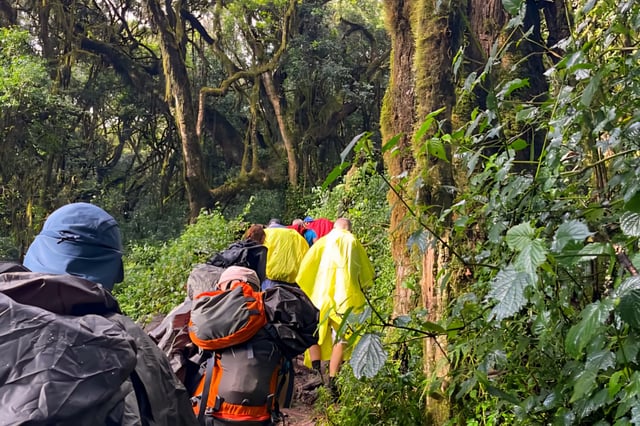
After breakfast, drive for around two hours to Londorossi Gate for registration before continuing to the Lemosho trailhead. Begin hiking through rainforest, where wildlife sightings are common. The day ends at Mti Mkubwa (“Big Tree”) Camp after a 3–4 hour ascent.
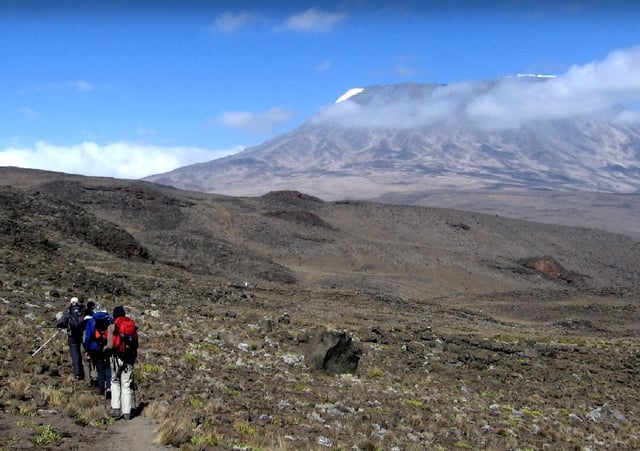
Leave the forest and enter moorland terrain as the trail climbs steadily toward the Shira Plateau. Views open widely across the plains. After a full day of gradual ascent, reach Shira Camp for dinner and overnight.
This shorter day allows further acclimatisation. Walk toward Shira Cathedral and continue to Shira Hut. The camp is exposed and can be significantly colder than previous nights. Afternoon rest supports adaptation at higher altitude.
Traverse the southwest flank of the mountain with views across the southern circuit. Reach the base of Lava Tower for lunch, an important acclimatisation stop at 4600m. Afterward, descend into Barranco Valley for overnight. This “climb high, sleep low” stage is essential for altitude adaptation.
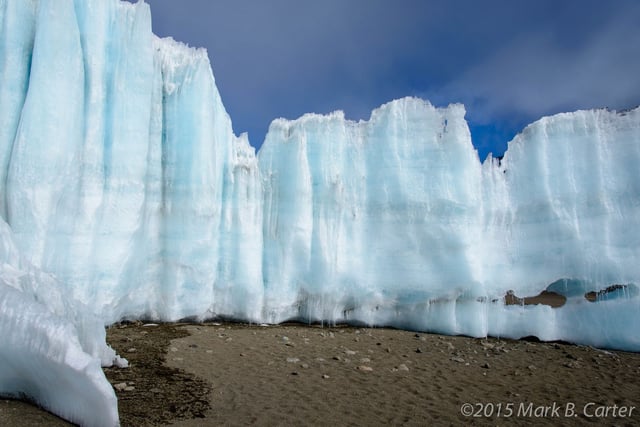
Begin the day with a steep ascent of the Barranco Wall, a non-technical but physically demanding section that leads to excellent viewpoints beneath the Heim Glacier. Continue through the alpine desert toward Karanga Valley and climb to Karanga Camp. Overnight at 4000m.
Take the gradual traverse toward Barafu Ridge and ascend to the final high camp before summit day. The afternoon is reserved for rest, hydration, and preparation for the early-morning ascent. Overnight at Barafu Camp.
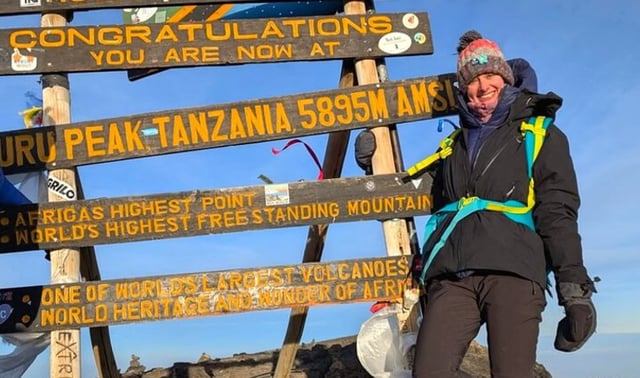
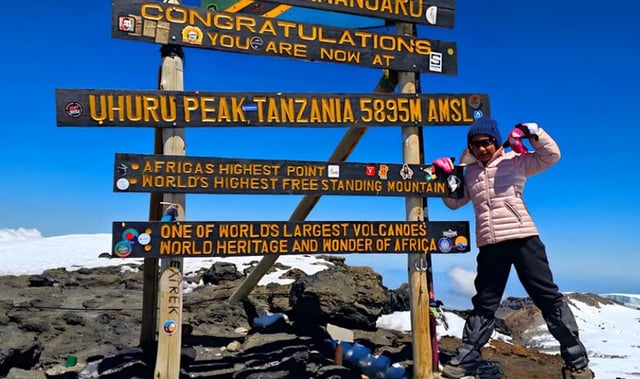
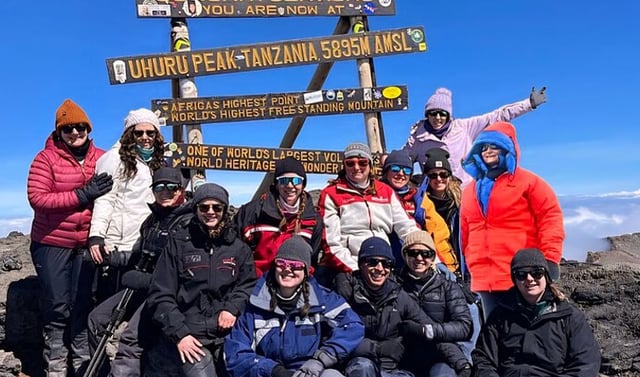
Start shortly before midnight for the summit attempt. Climb steadily to Stella Point (5735m) and watch the sunrise over Mawenzi. Those with sufficient energy continue along the crater rim to Uhuru Peak, the highest point in Africa. After celebrating, descend rapidly to Barafu for rest, then continue down to Mweka Camp. Total walking time is 13–15 hours.
Descend through rainforest to Mweka Gate to receive summit certificates. After lunch, drive back to the hotel in Arusha for a warm shower and recovery.
Transfer to Kilimanjaro International Airport or onward destinations in Tanzania or Kenya.
The Lemosho Route begins on Kilimanjaro’s west side, offering remote forest approaches, strong wildlife potential, and early solitude before joining the main southern circuit. It passes through rainforest, moorland, alpine desert, and high-altitude volcanic terrain before reaching the summit at Uhuru Peak.
Arusha is the logistical base for pre-climb preparation, accommodation, and onward travel. Descent ends at Mweka Gate on the southern side of the mountain.
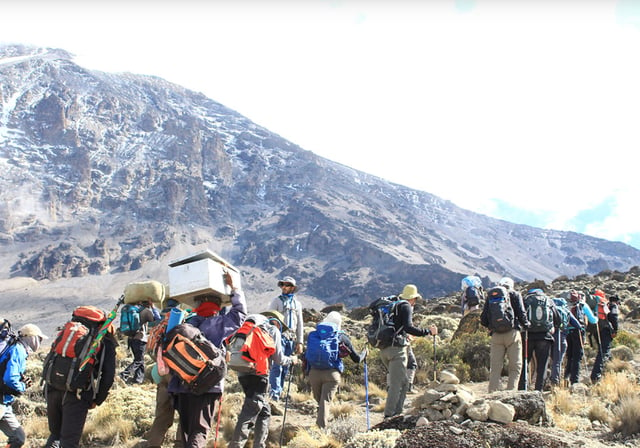
Trekkers should have good overall fitness and be comfortable with sustained multi-day hiking. Summit day is demanding, involving long hours, low temperatures, and high altitude exposure. No technical climbing skills are required.
Altitude acclimatisation is central to this itinerary. The eight-day structure provides multiple elevation gains and recovery periods. Hydration, steady pacing, and adequate nutrition are essential. Guides assess participants daily to ensure safe progression.
Guides on the Lemosho Route are highly experienced with the southern circuit and understand how to manage pacing, acclimatisation, weather shifts, and summit timing. Their safety training includes oximeter use, emergency oxygen deployment, and crisis management procedures.
Support staff ensure ethical porter treatment, fresh meals, purified water, and reliable tent systems. All transfers, mountain fees, and salaries are included, creating a cohesive and well-supported expedition. The route’s combination of scenic value and high success rate makes it one of the strongest choices for a Kilimanjaro climb.
The Lemosho Route offers one of the best acclimatisation profiles on the mountain due to its gradual elevation gains and longer itinerary. It also provides some of the most varied scenery, from remote forest to high alpine desert.
Because it joins the southern circuit, it incorporates iconic features such as Lava Tower and Barranco Wall, creating a well-balanced and rewarding ascent.
The trek is considered challenging mainly due to altitude and the length of summit day. Daily distances are moderate, and the longer schedule improves acclimatisation. Good fitness is required, but no technical skills are needed.
Summit day demands strong mental and physical endurance, as climbers typically walk for more than 13 hours.
High-quality four-season tents are used on the mountain, with sleeping tents, dining tents, and toilet tents set up by porters. Hotels in Arusha are included before and after the trek, allowing for rest and preparation.
Camps such as Mti Mkubwa, Shira, Barranco, Karanga, Barafu, and Mweka are well established and suited to high-altitude conditions.
Essential kit includes hiking boots, warm layers, waterproof outerwear, gloves, headlamp, and a daypack. Summit night requires high-insulation clothing, including thermal layers and windproof jackets. Trekking poles are provided.
Trekkers should also bring sunscreen, hydration systems, snacks, personal medication, and any preferred blister-prevention supplies.
The eight-day structure is specifically designed to support safe acclimatisation. Trekkers ascend gradually, with strategically placed “climb high, sleep low” sections such as the Lava Tower day. Guides use oximeters to monitor oxygen levels and watch for symptoms of altitude sickness.
Any medical concerns are addressed immediately, and emergency oxygen is carried for safety.
Summit day begins before midnight to take advantage of firm scree and clear skies. The ascent to Stella Point is steep and slow, followed by a traverse to Uhuru Peak. The sunrise over Mawenzi is a highlight for many climbers.
After summiting, the descent to Barafu and then to Mweka Camp is long but manageable with trekking poles and disciplined pacing.
Trekking days typically range from 3 to 7 hours, with the exception of summit day. The varied durations support altitude adjustment while keeping daily strain manageable.
Rest periods are built into the itinerary at key elevations such as Shira Hut and Karanga Camp.
Meals include soups, vegetables, rice, pasta, eggs, porridge, fresh fruit, and hot drinks. Portions are large to support high-altitude energy demand. Purified drinking water is available at all camps.
Special dietary requests can usually be accommodated with advance notice.
Group sizes generally range from 2 to 12 trekkers, depending on bookings. Small groups allow tighter safety oversight and flexible pacing. Each group is supported by guides, cooks, and porters.
Ethical porter treatment is central to the operation, ensuring fair wages and proper equipment.
About the centre
Kilimanjaro National Park
Operated by Bencia African Adventure and Safaris, a partner of adventuro.
Kilimanjaro & Arusha, Tanzania
From $2200
Kilimanjaro & Arusha, Tanzania
From $2600
Kilimanjaro & Arusha, Tanzania
From $2600