
Ready to find a course or session?
RYA Day Skipper Theory is the shorebased course that teaches you to make the key decisions needed to skipper a small vessel in familiar waters. Over forty hours plus exam time you cover seamanship, coastal navigation, chartwork, tides, meteorology and collision regulations. Some practical experience helps, but you do not need to be a seasoned sailor to start.
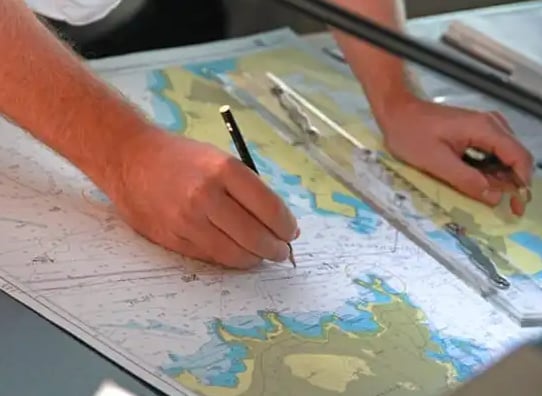
Centres teach in classrooms, online or by distance learning. You will work with dividers and charts until plots feel routine, and learn when to trust the plotter and when to look out the window. Theory is dry work compared with Competent Crew, but mistakes here are cheaper than on a lee shore. That is the point.
The course prepares you for Day Skipper Practical Sailing or Day Skipper Practical Motor. Practical schools expect this certificate before they let you lead a crew. Chartwork at the table saves arguments at the helm later.
Most students spread revision across several weeks rather than cramming the night before the exam. Your instructor will say when you are ready to sit the paper.
Day Skipper Theory includes a formal written exam set by the RYA training centre, in addition to ongoing knowledge checks during the course.
Quick answers about this qualification. For anything else, use live chat or browse bookable activities below.
Find activitiesIt is the shorebased Day Skipper course covering seamanship, coastal navigation, chartwork, tides, meteorology, pilotage, collision regulations and electronic navigation. Successful students are prepared to make key decisions when skippering a small vessel in familiar waters.
It is the classroom half of the Day Skipper qualification, taken before or alongside building practical sea time.
Some practical experience is desirable so terms like tack, gybe and mooring make intuitive sense, but the RYA does not mandate a prior certificate for theory. Centres on adventuro answer common questions quickly if you leave a comment when you book.
Competent Crew or regular dinghy sailing is ideal preparation. Leave a comment when you book if you are pure theory so far so instructors can suggest pre-reading.
Forty hours of teaching plus exam time. Classroom courses often use two long weekends or a weekly winter series. Online versions spread study over weeks at your pace. Weather may reorder the timetable; flexible return travel avoids stress on the last day.
Budget extra homework hours between sessions. Chartwork skills come from repetition, not one heroic Sunday.
Yes. Day Skipper Theory includes a written exam on navigation, tides, weather, seamanship and collision regulations. Online students usually sit the exam at a centre in person. RYA Recognised Training Centres teach to the same syllabus even when boats and scenery differ.
Centres run practice papers before the real thing. Ask about resit policy when you book if exams make you anxious.
Classroom suits people who want dividers in hand and immediate instructor feedback. Online suits busy diaries and remote students who can visit a centre for the exam. Ask about instructor ratio and boat type when you compare dates on adventuro.
Leave a comment when you book with your learning preference. Some schools blend both with evening clinics.
For classroom courses, notepad, 2B pencils, eraser and any student pack the centre lists. Instruments are often provided in class. If your experience is non-standard, a short comment on booking saves time on day one.
Online students buy a course pack with charts and almanac extracts. Confirm postage times before you start modules at home.
Basic arithmetic for tides and speed-time-distance is enough. Instructors teach the methods step by step; you are not doing calculus. Coastal and inland venues both work when the school teaches to RYA standards.
If maths anxiety is real, say so early. Centres can allocate extra tutorial time and show calculator-friendly workflows.
Book Day Skipper Practical Sailing or Day Skipper Practical Motor once you also meet their sea time requirements: five days, one hundred miles and four night hours onboard. Pack for cold spray even in summer; British sailing rewards dry socks afterward.
Theory alone does not let you charter yachts commercially. It is the navigation foundation for practical training.
No minimum for theory. Practical Day Skipper courses require age sixteen, so younger sailors can study theory early if motivated. Your centre sends a kit list after booking; read it before you buy new gear.
Leave a comment when you book for school-age students so centres confirm exam arrangements and parental consent.
It is thorough but fair if you attend the hours and practise plots. Common fails come from rushed tide calculations and not labeling bearings clearly. Many students book the next module at the same school to keep momentum on the pathway.
Past papers and instructor feedback exist precisely because chartwork rewards cheerful repetition. Allow time to resit if life intervenes during the course.
adventuro lists classroom and online Day Skipper Theory providers. Compare exam location, student pack costs and if tidal software is included in the course fee before you commit. Matching the venue to the water you will use afterward makes the certificate more useful.
Studying near the waters you will sail afterward helps because local chart familiarity sticks better than abstract examples from a textbook port you may never visit.

Become a confident yacht skipper with 15 days of hands-on sailing and theory. English Channel and Mediterranean options. No experience needed. Book now!
From £ 1675
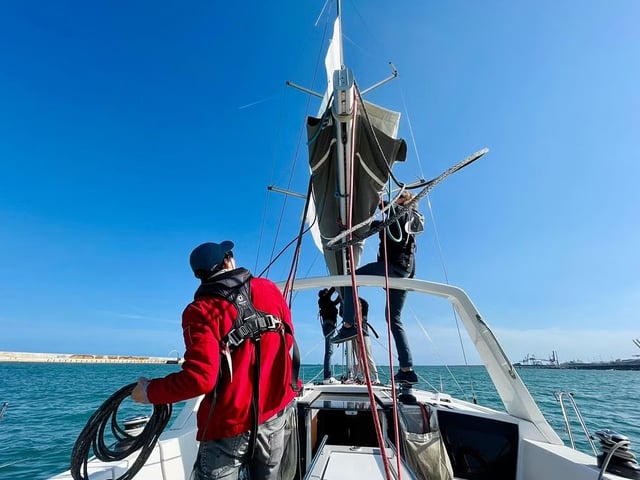
Learn to skipper a sailing yacht in Barcelona with a 10-day course for €2085. Includes practical and theory training. For ages 16+, max 5 per group.
From € 2085
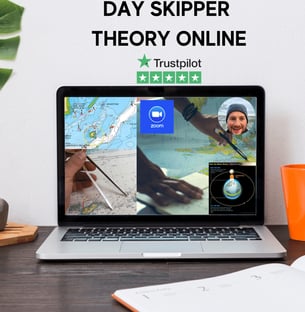
Learn RYA Day Skipper theory online from £300 pp at your own pace with instructor support, navigation, tides, chartwork, and passage planning.
From £ 335
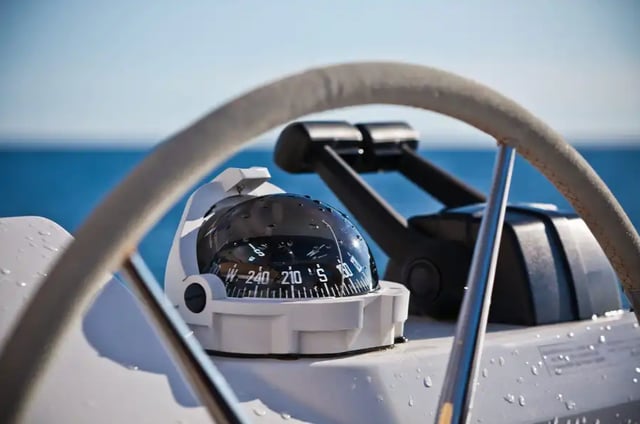
Discover coastal navigation, tides and passage planning with classroom or online study options. Ideal prep for skippering. From £299.
From £ 299
Master coastal navigation and seamanship from home with flexible RYA online training from £298 including instructor support.
From £ 298
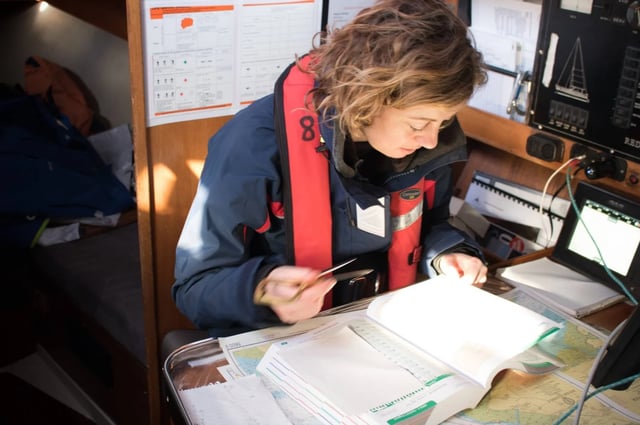
Gain Day Skipper skills on the Solent with hands-on yacht handling, navigation, pilotage, and live-aboard experience.
From £ 930
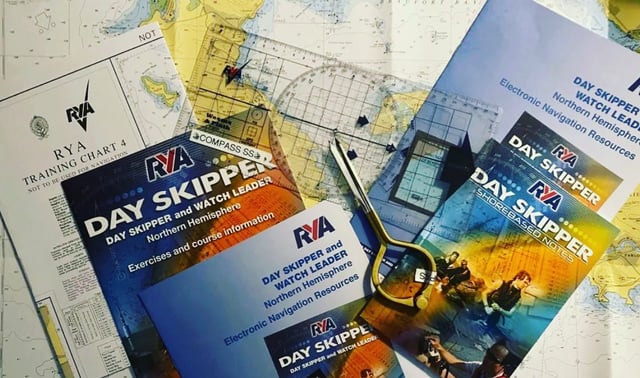
Build essential sailing theory knowledge with the RYA Day Skipper Online course. Flexible learning with support from qualified instructors, £289.99pp.
From £ 298.99

Gain essential coastal navigation and seamanship skills over 5 days. Includes chart work, safety, collision regulations, and more. Perfect for sailors and motor boaters.
From £ 430

Get your international Day Skipper qualification in Barcelona. 9 days, €1299, 16+ years, including food, accommodation, and practical training.
From € 1299
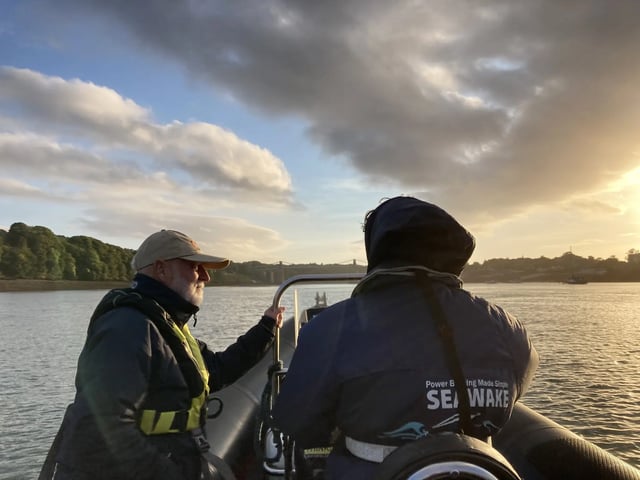
RYA Day Skipper Theory from £350. Chartwork, navigation, meteorology and seamanship, classroom, online or by distance learning.
From £ 495