We partner with Rewilding Britain to help protect our natural spaces for future adventures.
All centres are vetted for safety and quality. Your adventure is in good hands with adventuro.
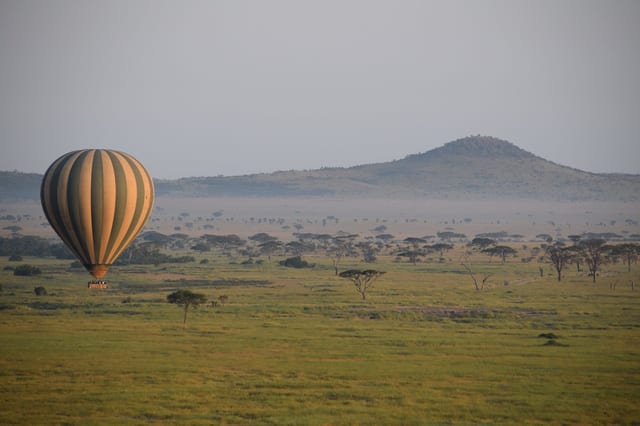
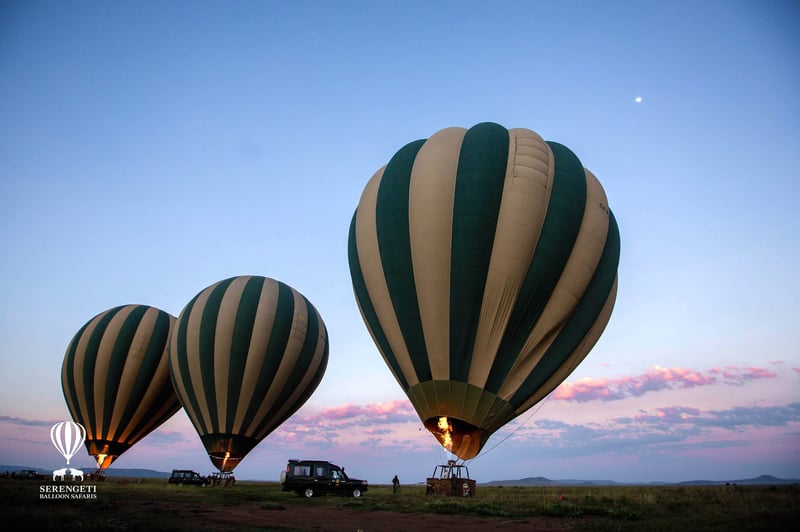
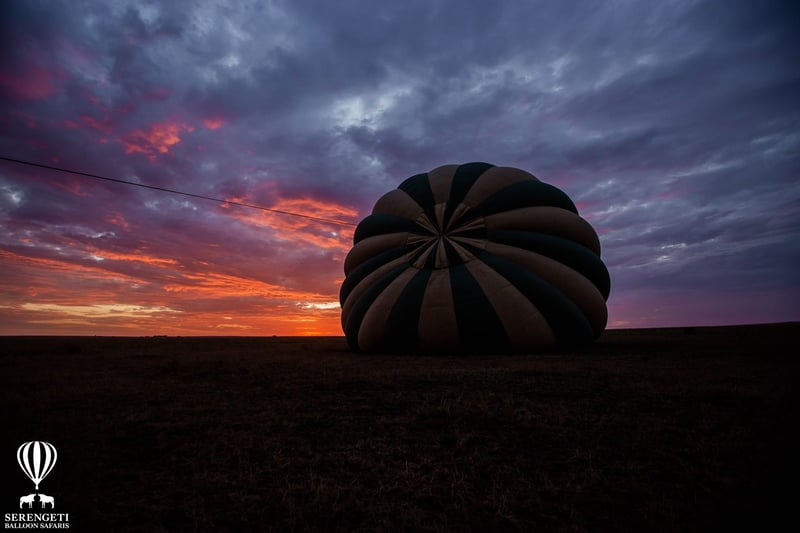
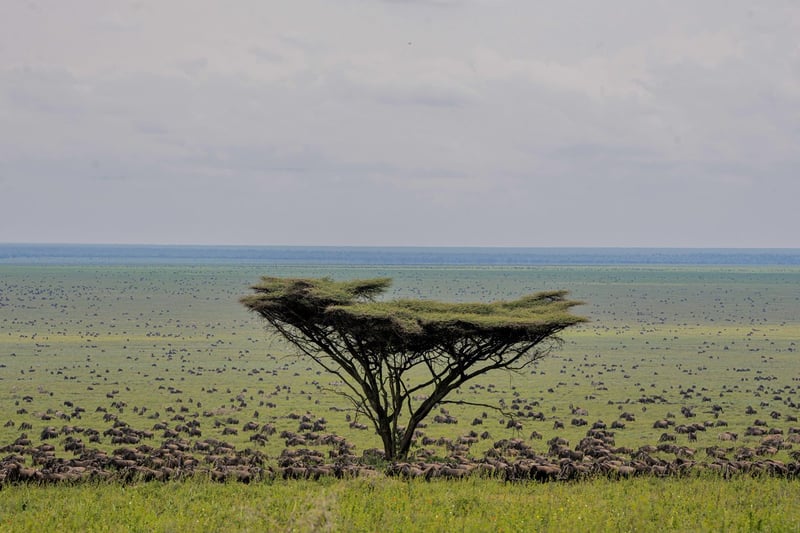
Pre-dawn pickup, a sunrise hour in the basket, then breakfast on the ground. You fly the Serengeti in silence between burner blasts, with the plains opening underneath as the light comes up. This is an add-on while you are already staying in the park, not a day trip from Arusha. Sightings vary, and the ride is not primarily a wildlife-viewing activity.
After the briefing you watch the balloon inflate and climb into the basket when the crew say so. The flight lasts around one hour at first light, with plains, rivers and acacia below. Herds and the occasional predator are possible, but they are a bonus rather than the point of the morning.
Breakfast with champagne follows the landing, served on the ground rather than back at camp. Launch sites shift with the season: central Serengeti is year-round, north July to October, Western Corridor June to October, and southern Serengeti and Ndutu December to March. The step-by-step morning is in the itinerary below.
Flights run over Serengeti National Park. Where the basket goes up depends on the months and where you are staying, so you need a lodge or camp in the park for pickup. There is no collection from Arusha or Moshi for this add-on.
Central Serengeti is the year-round option. North, west and south or Ndutu are seasonal, so the team match the launch to your lodge rather than sending you across the park before dawn. Give them your lodge name and dates when you request a morning.
No flying experience is required. You should be able to climb into a basket before dawn and follow the crew's landing instructions, including how to bend your knees when the basket comes down.
The morning is a passenger flight, not a piloting lesson. The crew handle inflation, flying and landing.
Lodge pickup, the hour in the air and a champagne breakfast afterwards are the shape of the morning. Seasonal launch areas are set out so you can match the flight to where you are staying rather than treating the Serengeti as one launch pad.
It is an add-on, not a full safari. A ranger walk is a different morning and will not stack on the same dawn, because balloon pickup starts while it is still dark.
No flying experience is required. You should be able to get into a basket before dawn and follow the crew during landing.
The morning is a passenger flight, not a piloting lesson. The crew handle inflation, flying and landing.
Your lodge or camp is the pickup point between 4:30 and 5:30, while it is still dark. Dress in warm layers; the plains are cold before sunrise. This collection is from the Serengeti, not from Arusha.
At the launch site the crew run a safety briefing, then inflate the balloon. You watch the fabric rise and climb into the basket when they say so. Follow the landing advice they give now; it matters more at the end of the hour than it does in the dark.
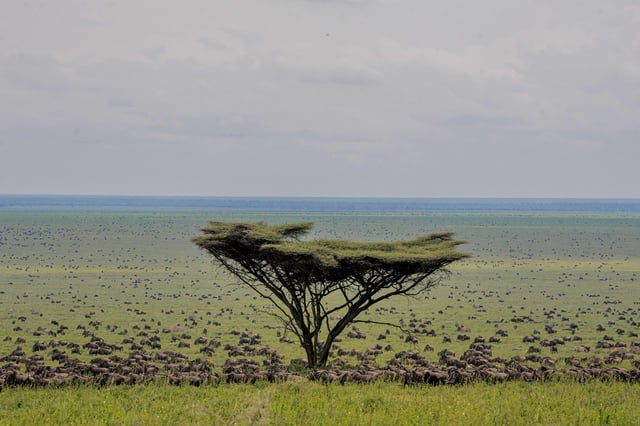
The flight lasts around one hour. You rise as the sun comes up, with plains, rivers and acacia below. Wildebeest, zebra and antelope are the animals most often seen; predators are occasional. This is not primarily a wildlife-viewing activity.
The crew land the basket where the wind allows. You follow the brief: knees bent, hold on, wait for instructions before you climb out. This is the practical end of the flight, not a second sightseeing stop.
Champagne breakfast is served in the bush after you land. That is the close of the activity. Return to camp or the rest of your safari day is separate from this add-on, and later game drives are not included.
You are collected from your lodge or camp in the Serengeti between 4:30 and 5:30. There is no pickup from Arusha or Moshi for this flight.
If you are not already staying in the park, arrange the safari first, then add the balloon. Give the team your lodge name and dates so they can match the seasonal launch area.

À propos du centre
Serengeti National Park, Tanzania
Géré par Nihapa Tours, partenaire de adventuro.


Highlands & Islands, United Kingdom
À partir de £499
Kilimanjaro & Arusha, Tanzania
À partir de $4762
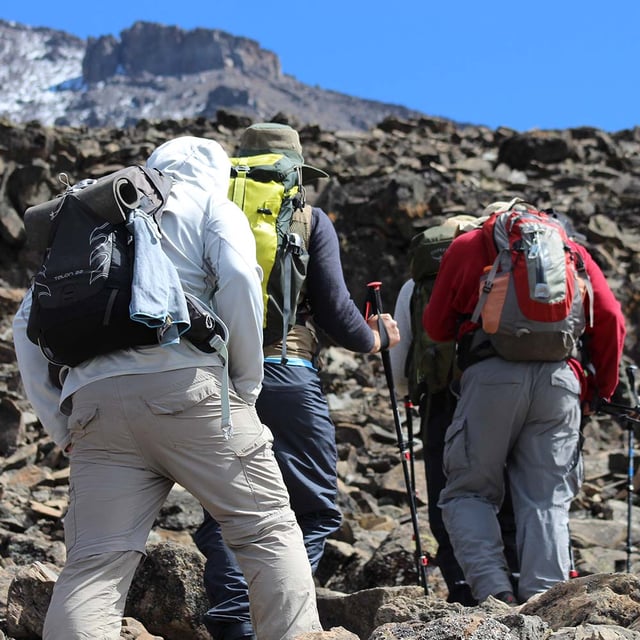
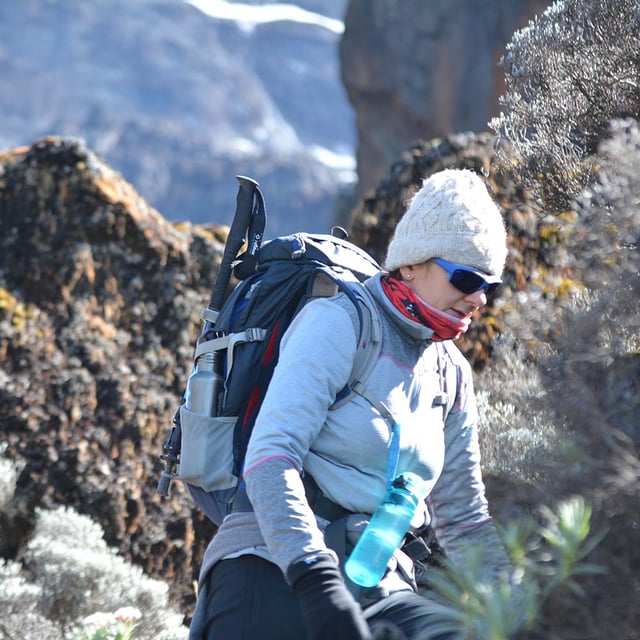
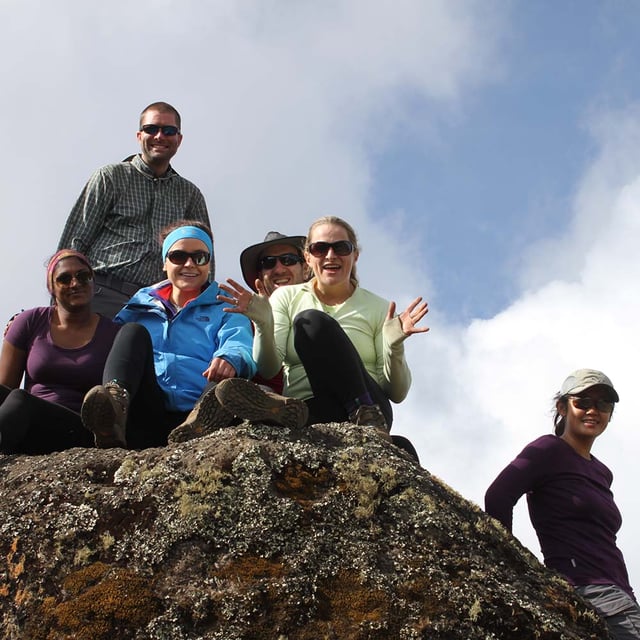
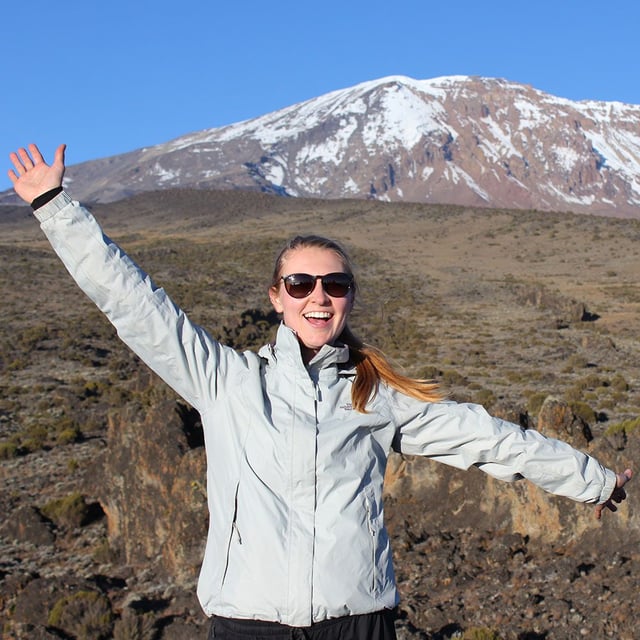
Kilimanjaro & Arusha, Tanzania
À partir de $3618
Kilimanjaro & Arusha, Tanzania
À partir de $60