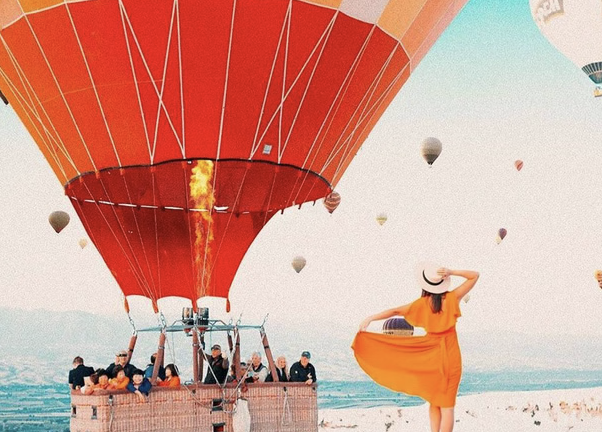
Hot Air Balloning
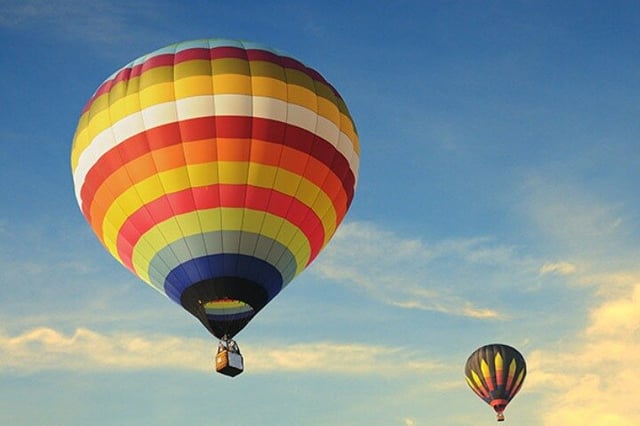
A hot air balloon ride is a slow, silent drift over the landscape at sunrise. Calm, beautiful and not a rollercoaster in sight.

A hot air balloon ride is a slow, silent drift over the landscape at sunrise. Calm, beautiful and not a rollercoaster in sight.
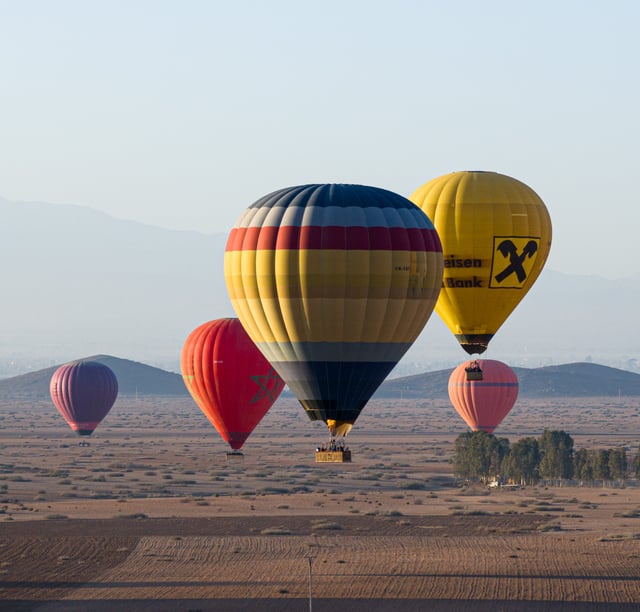
Sunrise hot air balloon flight near Marrakech with hotel pickup, pilot and crew, about one hour in the air, plus champagne toast and breakfast.
From € 60
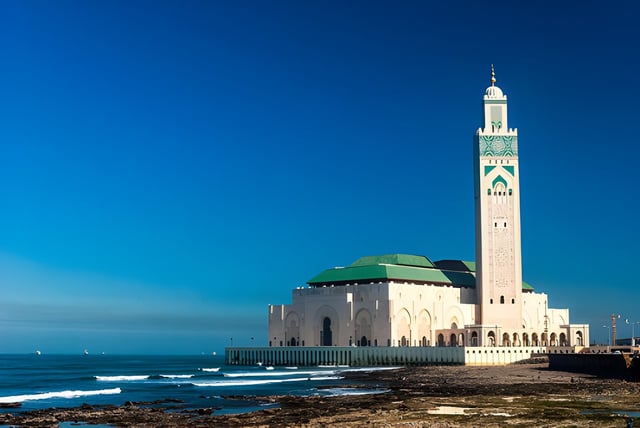
Three-day trip linking Casablanca and Marrakech with a night in the Agafay Desert, combining city culture, desert scenery and a hot air balloon flight.
From € 950
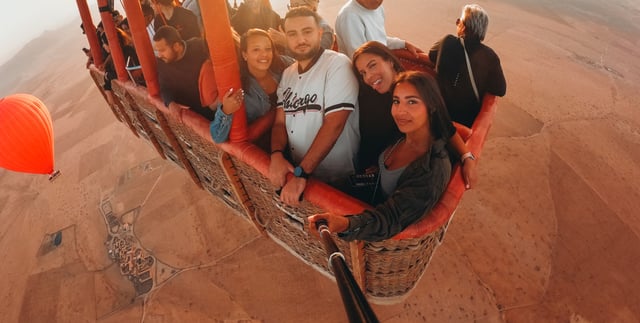
Soar over Agadir at sunrise in a hot air balloon with breakfast and transfers included, from €199.
From € 250
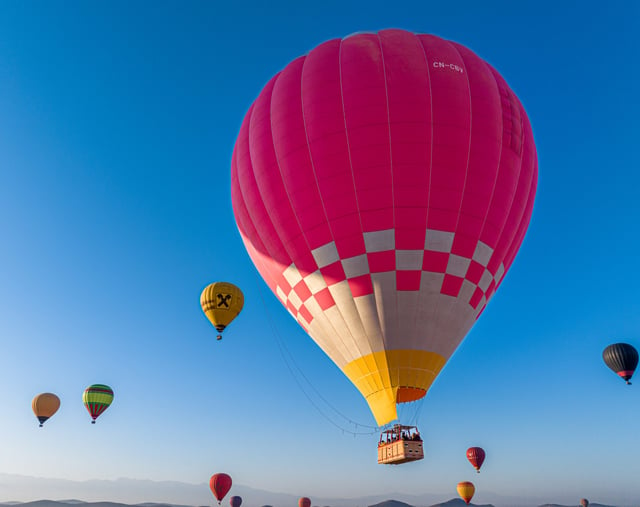
Four-day couples escape in Marrakech: premium riad with private terrace, sunrise balloon over the palmeraie, golden-hour camel trek, and a private chef rooftop dinner. From $1,200 per couple.
From € 900
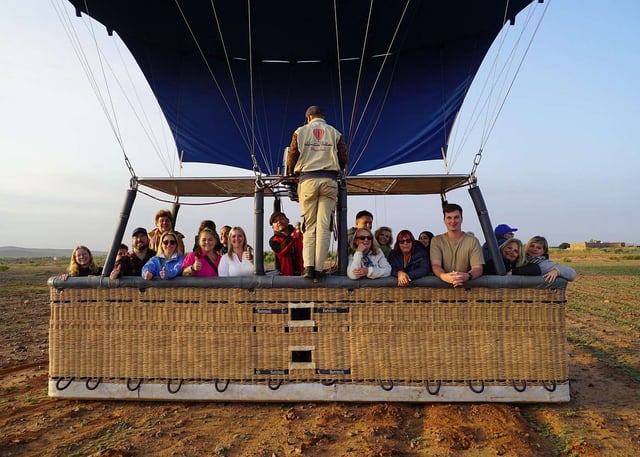
Sunrise hot air balloon flight above Agadir and the Atlas Mountains, including the balloon inflation process, flight time and a breakfast after landing.
From € 190
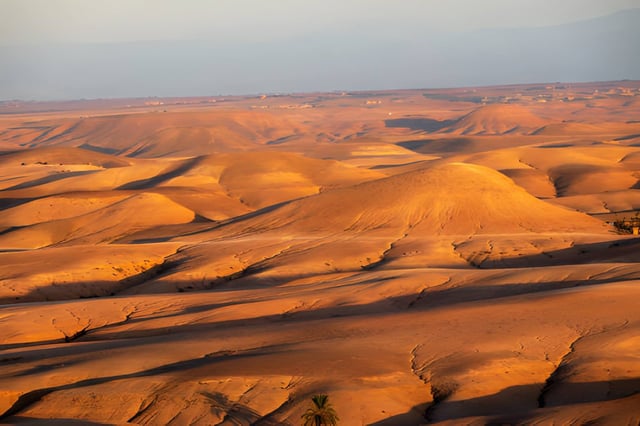
Sunrise hot air balloon flight near Marrakech followed by an overnight stay in a Berber-style Agafay Desert camp, with dinner, breakfast and desert time included.
From € 400
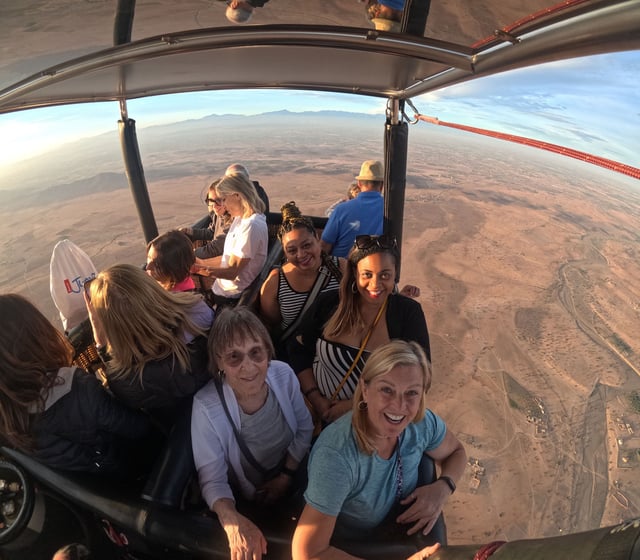
Signature Marrakech morning: sunrise hot air balloon flight over the Atlas foothills, Berber breakfast, then a gentle Palmeraie camel trek. From $185 per person with private riad pickup.
From € 90
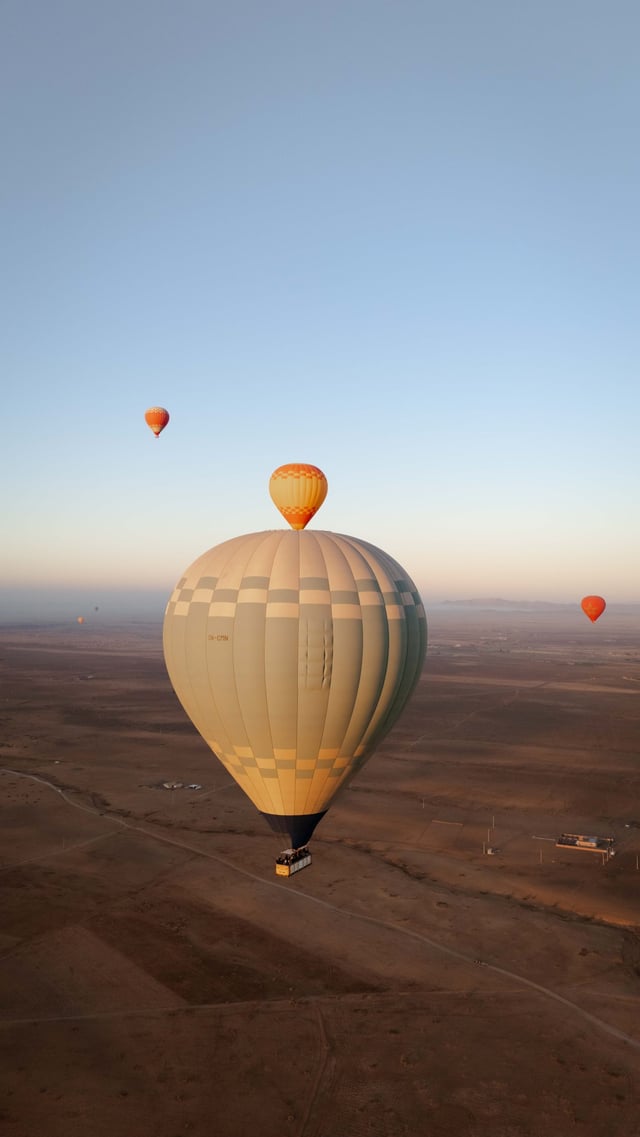
Sunrise hot air balloon flight over the Palmeraie and Berber villages, followed by two hours of quad biking through the surrounding countryside near Marrakech.
From € 130
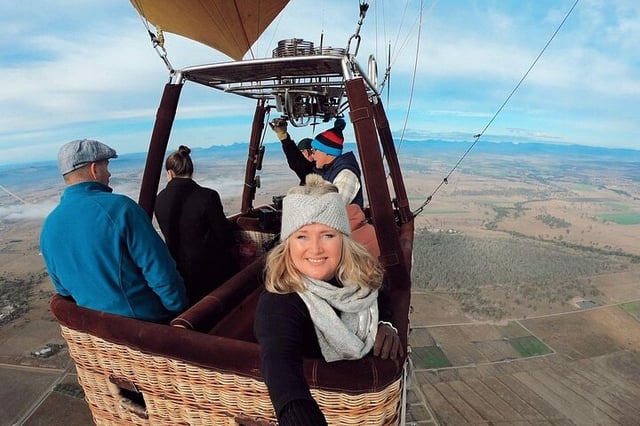
Sunrise hot air balloon over Luxor with hotel pickup and wide views across the Nile Valley. From $158.
From $ 158
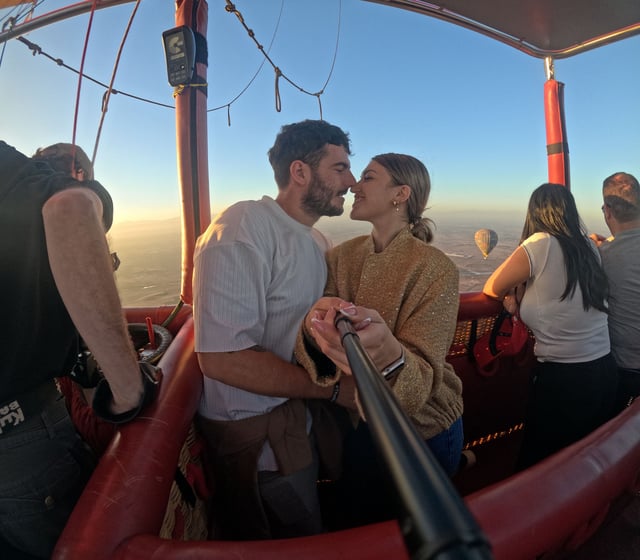
Sunrise hot air balloon flight near Marrakech combined with a scenic Atlas Mountains day trip, all in a single long day with hotel pickup included.
From € 170
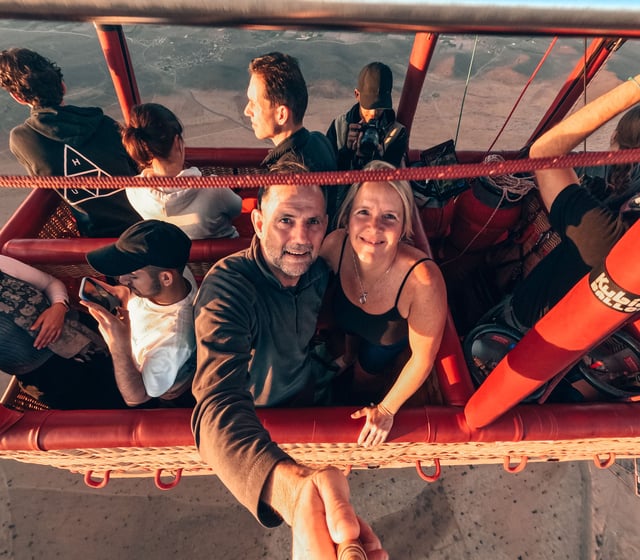
Sunrise hot air balloon flight over the Palmeraie followed by a guided Marrakech city and souks tour, combining desert skies with the medina in one day.
From € 150
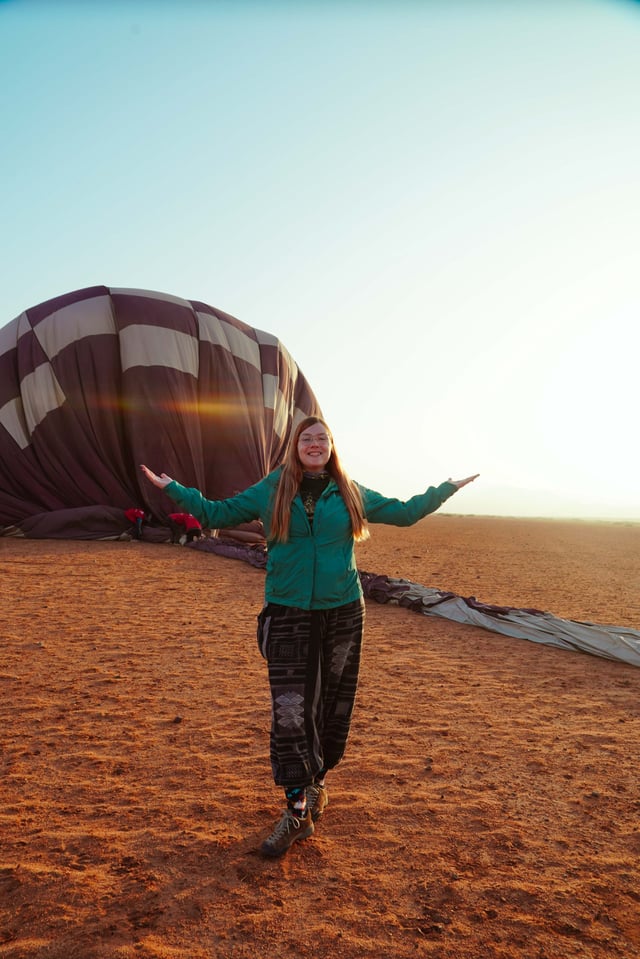
Private hot air balloon flight in Marrakech with a smaller VIP basket compartment, seamless transfers and an elevated breakfast experience after landing.
From € 315
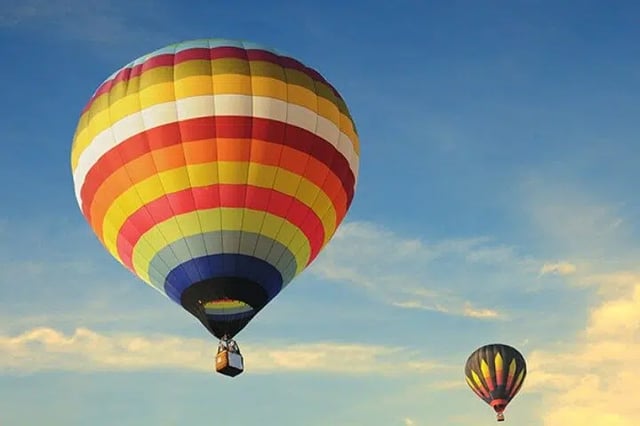
Sunrise balloon flight over the Margham Desert, then an Arabic breakfast at camp before your SUV return. From USD 257.15 per person.
From $ 257
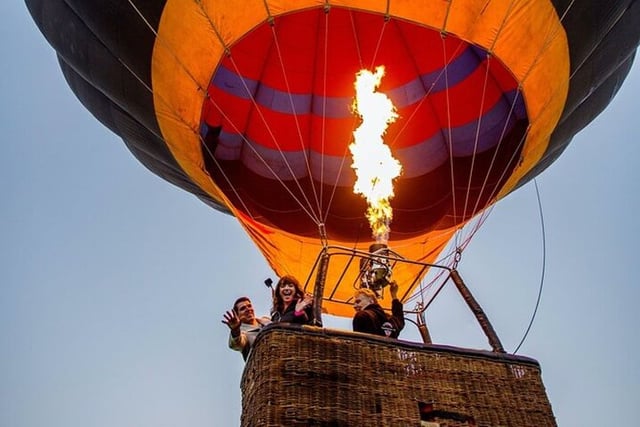
Morning or afternoon hot air balloon experience in Agadir with hotel pickup and return, with guides, safety briefing and activity kit. From $260.00.
From $ 260
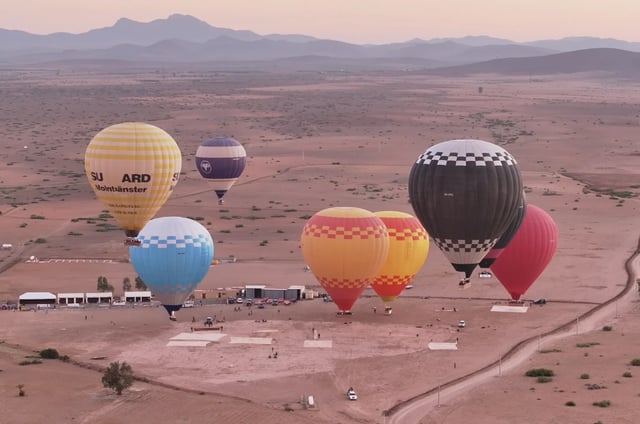
Premium Marrakech Desert Tour: Sunrise hot air balloon flight, quad bike adventure & camel trek. Includes luxury transfers & expert guides. Book now!
From € 150
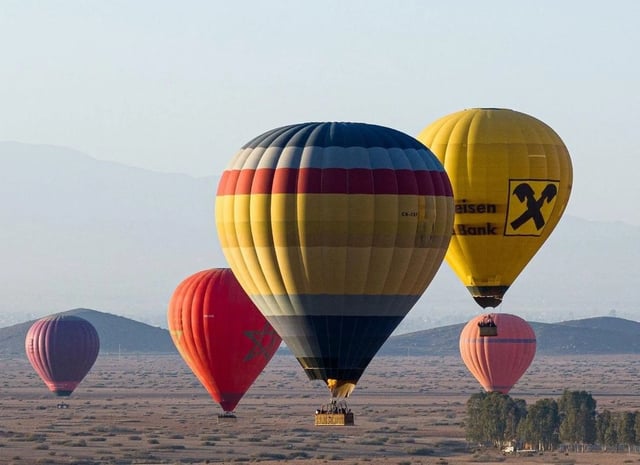
Start your adventure with a stunning hot air balloon ride at sunrise over the Atlas Mountains, and explore the old city and its lively Souks.
From € 165
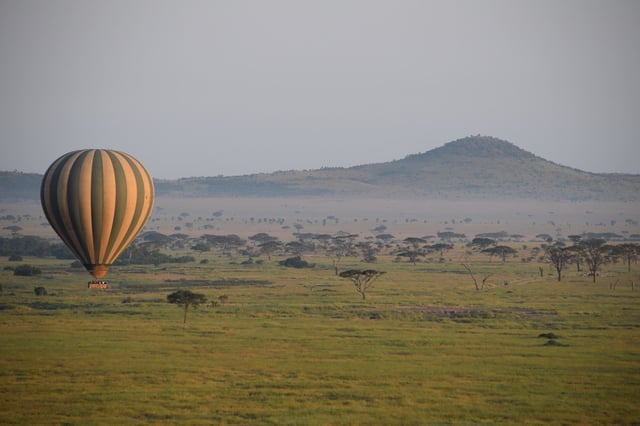
A sunrise balloon flight of about one hour over the Serengeti, with a champagne breakfast after landing, from $450pp.
From $ 500
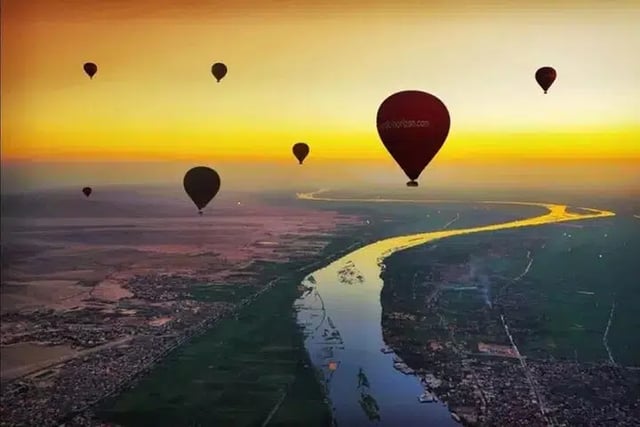
Private overnight Luxor trip from Hurghada with Egyptologist guiding, sites, hotel, and sunrise balloon, from €435.
From € 435
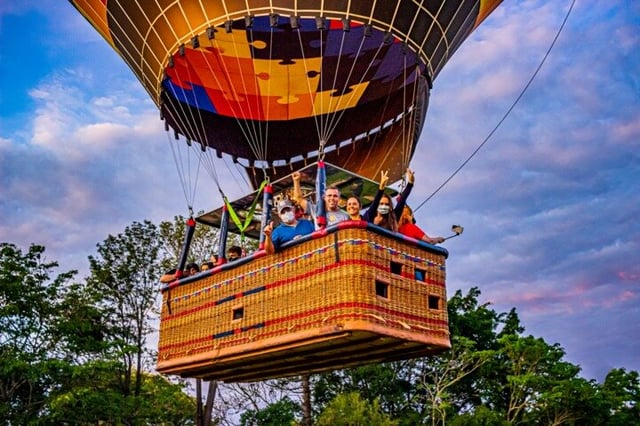
Sunrise hot-air balloon over Boituva farmland, with overnight inn stay and private São Paulo transfers.
From $ 930
Sunrise balloon, camp breakfast, falconry, a 30-minute quad and a short camel ride, with hotel transfer. From USD 558.27 per person.
From $ 558