We partner with Rewilding Britain to help protect our natural spaces for future adventures.
All centres are vetted for safety and quality. Your adventure is in good hands with adventuro.
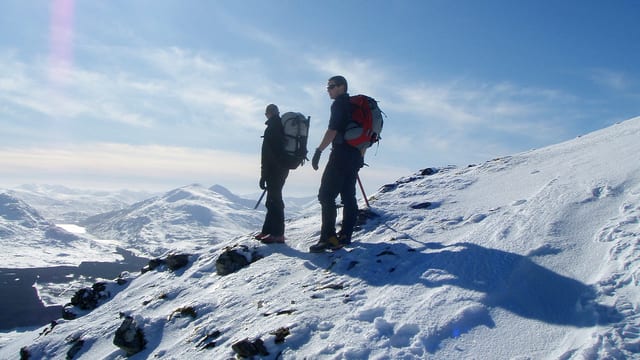
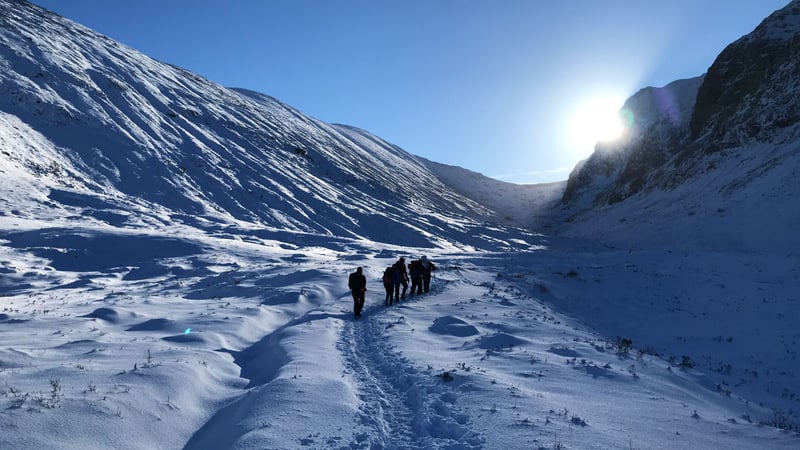
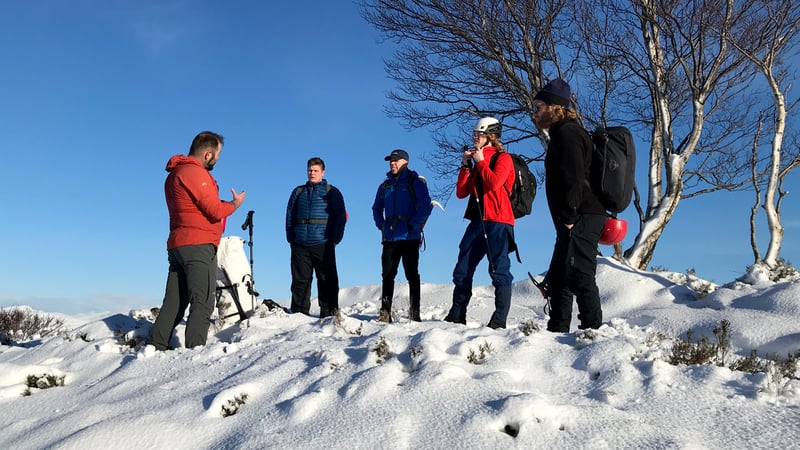
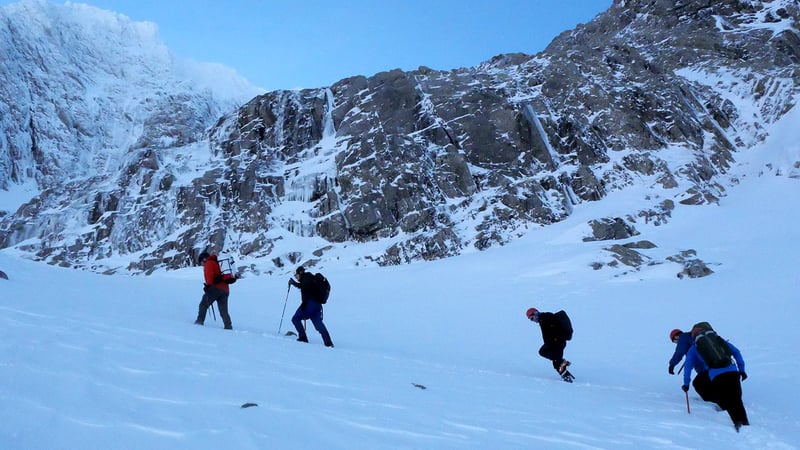
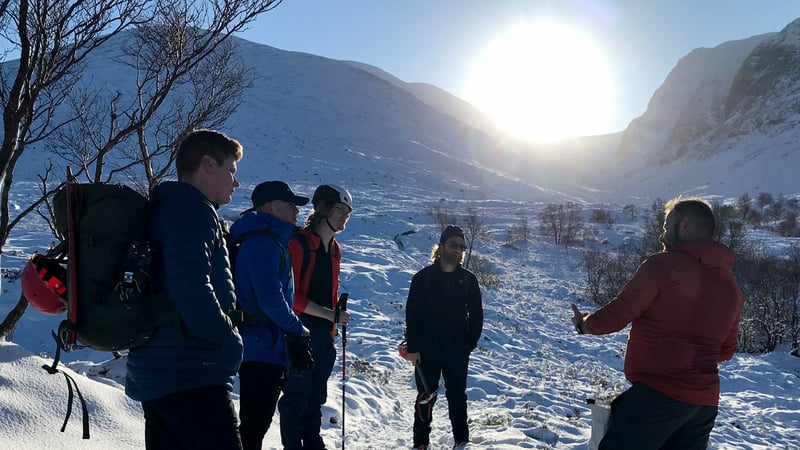
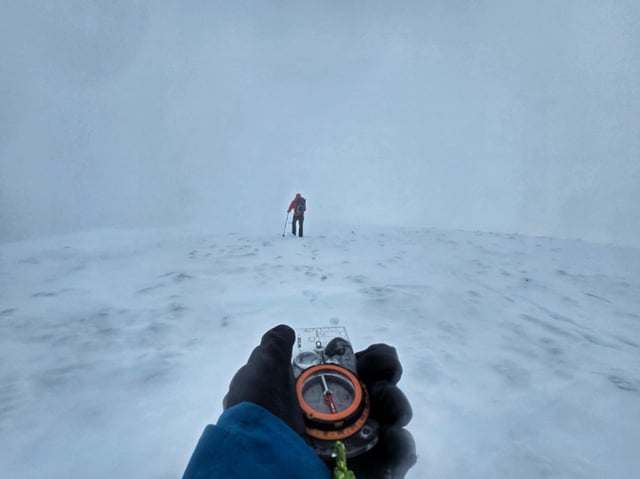
Crisp air, crunching snow and big Highland views make winter hillwalking feel like a different sport from summer paths, and this full guided day is built for anyone curious about that world without committing to a long training course. Your leader shapes the route around weather, avalanche awareness and the group’s pace so you travel on real mountain ground while picking up movement and kit skills naturally along the way. You finish with a clearer picture of what Scottish winter demands and whether you want more guided days or formal skills training later in the season.
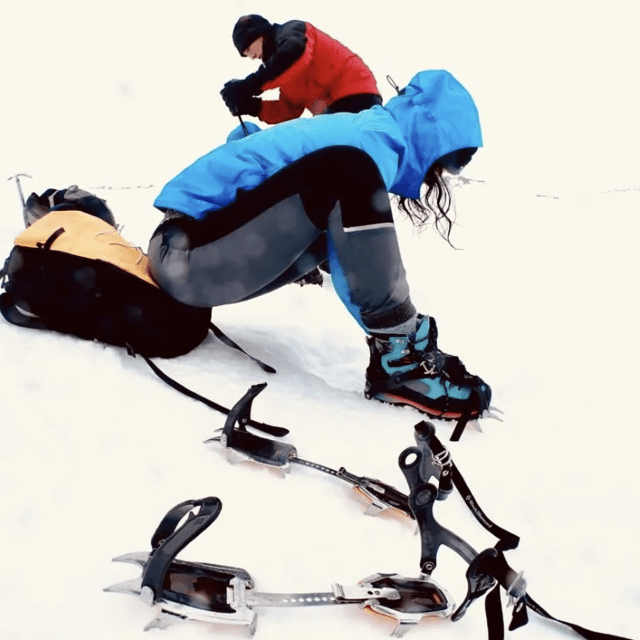
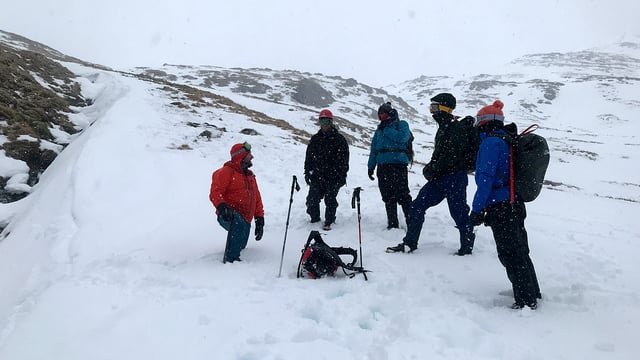
Mornings start with a weather and route briefing at the roadhead, then a kit check for helmet, ice axe, crampons and rucksack before you walk in steadily onto the hill. On the move your guide coaches axe carry, footwork on snow and ice, and simple decisions about line choice while building in food stops so the day feels like a genuine mountain journey rather than a rushed tick list.
Afternoons follow terrain that suits conditions and group confidence, from glens to more exposed sections when the snowpack and visibility allow. The day ends with an honest debrief on what you covered, how conditions shaped the plan, and sensible next steps if you want the two-day skills course, a longer week on the hill, or another guided walk.
Days run from Fort William beneath Ben Nevis or from Aviemore on the edge of the Cairngorms National Park, with the exact meeting point confirmed ahead of your date once the venue is set. Routes are chosen on the day to match visibility, wind and underfoot conditions rather than forcing a fixed summit plan when the mountains say otherwise.
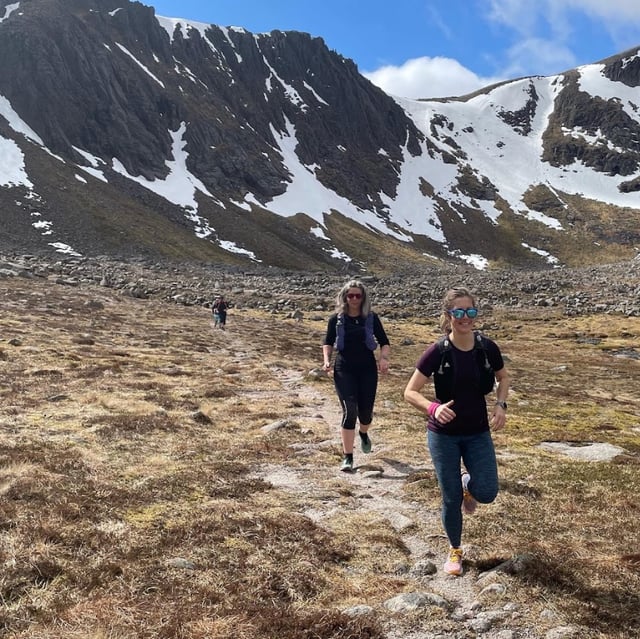
Both areas give classic Highland winter scenery, from corries and plateaux to long views across snow-covered ridges. You need your own transport to reach the daily roadhead and should arrive ready for a full day away from shops or cafes near the hill.
No prior winter mountaineering experience is required, though summer hillwalking helps with pacing, navigation and self-care on a long day out. You should have reasonable fitness for several hours on uneven, snowy terrain while carrying food, spare layers and personal kit in a rucksack.
B2-rated winter boots with compatible crampons are essential, along with full waterproofs and warm layers. A detailed kit list arrives before the course, and local shops can hire winter boots if you do not own suitable footwear.
Winter leaders keep groups to three to six people so guidance stays personal, with time to coach technique and judgement on the move instead of marching through a fixed route card. Routes flex with the weather so the day stays safe and enjoyable when snow, wind or visibility turn demanding.
Since 2005 the instruction team has delivered outdoor courses across the South East and also provides professional safety cover for television and film productions, bringing calm, qualified coaching to winter days in Scotland.
Your guide confirms the exact meeting location before the course, based on whether the day runs from Fort William or Aviemore and on the weather forecast in the days beforehand. Joining instructions explain parking, what to carry for the walk-in, and how early to arrive for kit checks.
You need your own vehicle to reach the start point. Plan travel and accommodation with some flexibility until the course is confirmed as going ahead, because winter conditions can require late changes to venue or timing.
No. The day suits beginners as well as summer hillwalkers who want a first guided winter outing without a multi-day syllabus. Your guide sets route and pace to match the group and keeps terrain appropriate for conditions on the day.
If you want structured training with repeated ice axe arrest drills and longer avalanche classroom work, the two-day or five-day winter skills courses follow a clearer training arc across consecutive hill days.
Days run from Fort William or Aviemore depending on the date and conditions. The precise meeting point is confirmed ahead of your course once the venue for that date is set, usually with parking and walk-in details included.
You need your own vehicle to reach the start point and to access roadheads for the day's route. Keep travel plans flexible until the course is confirmed as going ahead, because winter weather can shift plans at short notice.
A helmet and ice axe are supplied for the day. These are checked and fitted before you leave the roadhead so you know how to carry and use them safely on the hill, including when they are stowed on your rucksack during easier sections.
You bring personal clothing, B2 boots, crampons, waterproofs, food, water and a rucksack. A full kit list is shared before the course, and local shops can hire winter boots if you do not own suitable footwear.
Transport and overnight stays are not included. Plan your own travel and accommodation, staying locally the night before if you need an early start for a full winter day on the hill.
Winter days can start early and finish in fading light, so many participants stay near the meeting area rather than commuting long distances on the morning of the course.
Adverse conditions may lead to postponement or a change of venue. Decisions can be made up to 24 hours beforehand, or on the day once ground conditions are seen and the guide can assess avalanche and wind exposure on the planned route.
If the day cannot run safely, the activity is rescheduled when possible rather than pushing on in unsuitable conditions, and your guide explains the reasoning so you learn from the decision process.
You should be comfortable walking for several hours on hilly, uneven ground while carrying a day pack with food, spare layers and personal kit. The day is steady rather than a race, but winter underfoot conditions add effort compared with summer paths.
If you are unsure about suitability, contact the team in advance so they can advise honestly based on your recent hillwalking experience and any health factors that might affect a long day in cold weather.
It is a guided mountain day with techniques introduced along the route at a level appropriate for beginners, not a full winter skills syllabus with repeated arrest drills and formal avalanche classroom sessions. You still learn practically, but the priority is a safe, enjoyable journey.
If you want two or five days of structured training, the dedicated winter skills courses build competence across consecutive days on the hill with clearer learning outcomes for independent travel.
Sessions run with small groups, typically three to six participants, so the guide can keep everyone in sight and adapt the day. This also keeps briefing and coaching time meaningful for each person rather than spreading attention too thin on steep ground.
If minimum numbers are not met, dates may be rearranged so the group size stays appropriate for safety and quality on the hill.
The day takes place on open mountain ground with variable access paths. Non-participants are not supervised and must stay clear of the guided group for safety on steep or icy ground where a slip could affect others.
Contact the team before the day if you have questions about public access near the planned route so expectations are clear in advance.
The guided day prioritises mileage and mountain experience with light skills coaching en route, while the two-day introduction covers core winter skills in more depth with repeated practice across consecutive days.
Many people treat this day as a taster before committing to a longer training course, or as a memorable outing when they already hillwalk in summer and want to see Scottish winter with a qualified leader.
Highlands & Islands, United Kingdom
From £310

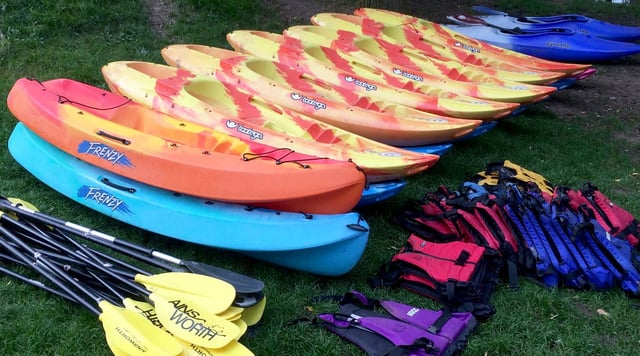
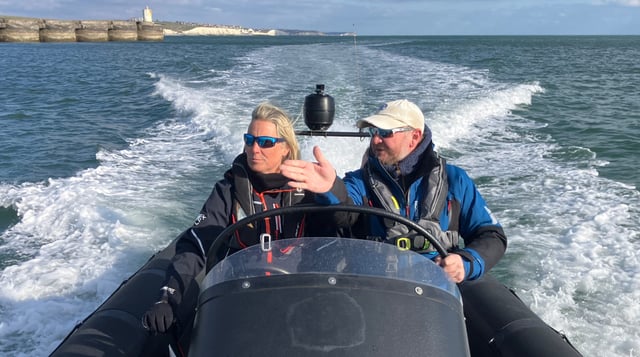
Surrey, East and West Sussex, United Kingdom
From £425
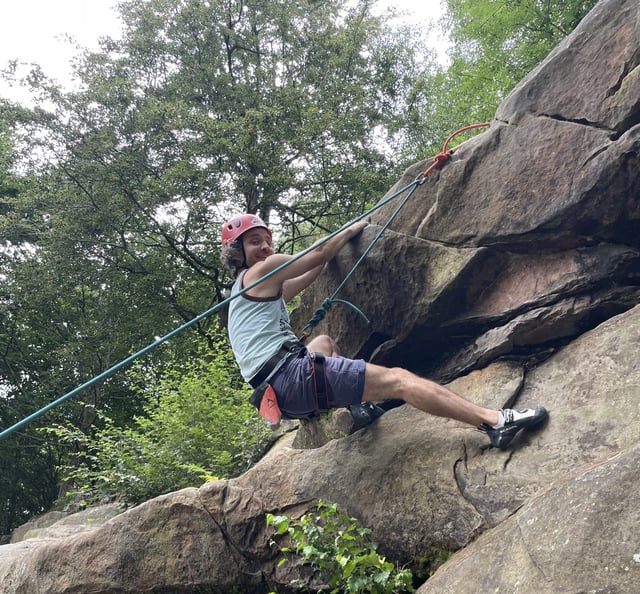
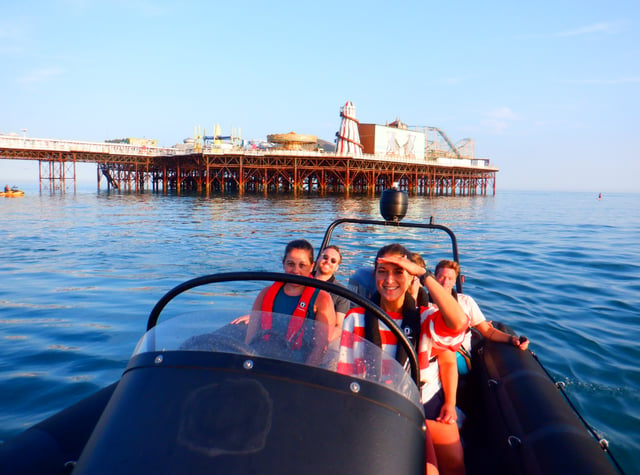
Surrey, East and West Sussex, United Kingdom
From £65
About the centre
Fort William
Operated by Hatt Adventures, a partner of adventuro.