
We partner with Rewilding Britain to help protect our natural spaces for future adventures.
All centres are vetted for safety and quality. Your adventure is in good hands with adventuro.
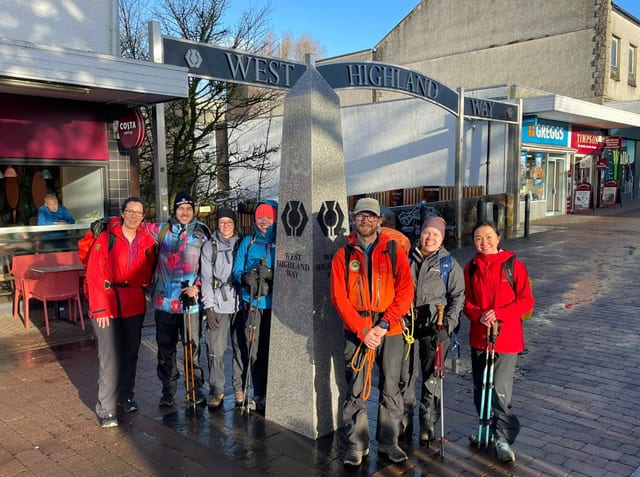
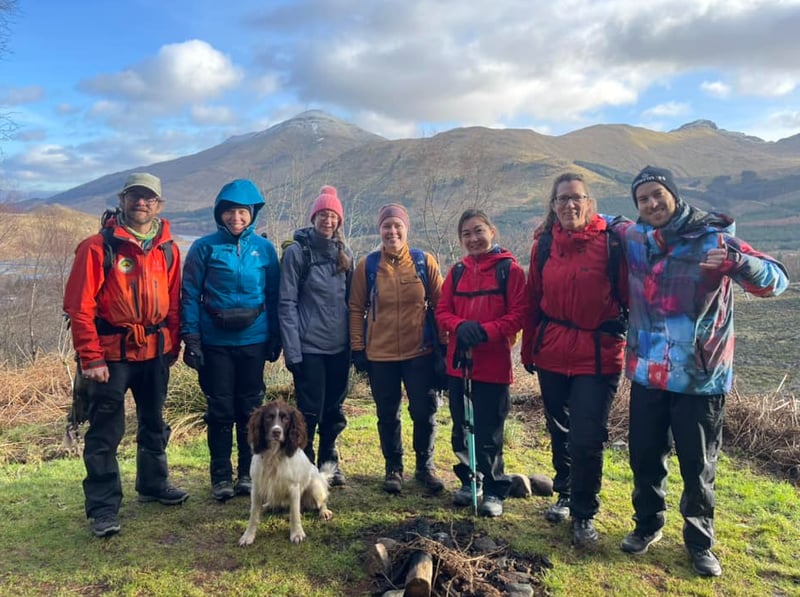
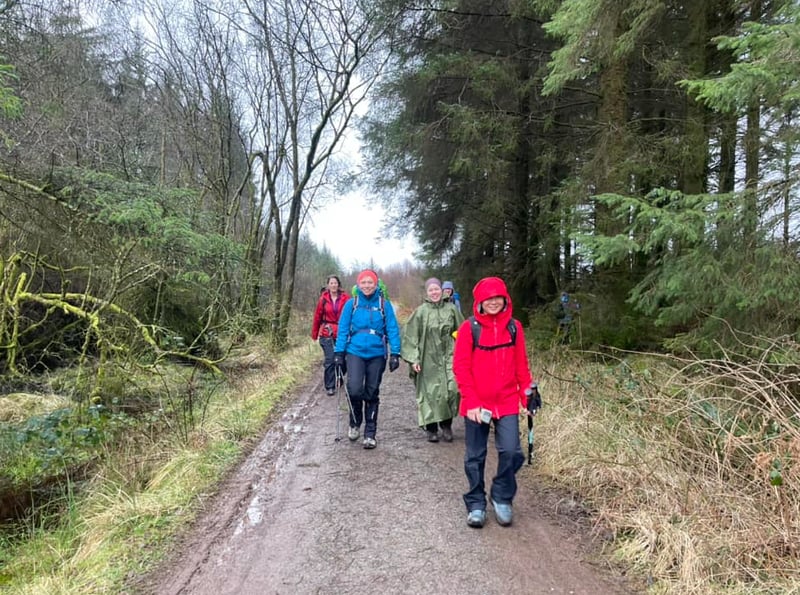
Walk the West Highland Way the way few others do—on snow-dusted trails, under long shadows, and with the quiet of winter all around you. This winter version of the classic 150km route from Glasgow to Fort William offers remote beauty, quieter paths, and a greater physical challenge, making it one for the adventurous at heart.
Friday night – Glasgow arrival
Upon meeting in Glasgow, you’ll transfer to your hostel accommodation. Here you’ll meet your group and guide for a full kit check, route briefing, and to prepare everything for the start of the hike. Early rest is encouraged, as the next day starts on trail.
Saturday – Milngavie to Drymen (19km)
After breakfast, you’ll head to the official start of the West Highland Way in Milngavie. The trail begins gently, winding through Mugdock Country Park before transitioning to farmland and woodland tracks. You'll pass Dumgoyne Hill and the Glengoyne Distillery before reaching Drymen, a small village that marks your first overnight stop.
Sunday – Drymen to Rowardennan (23km)
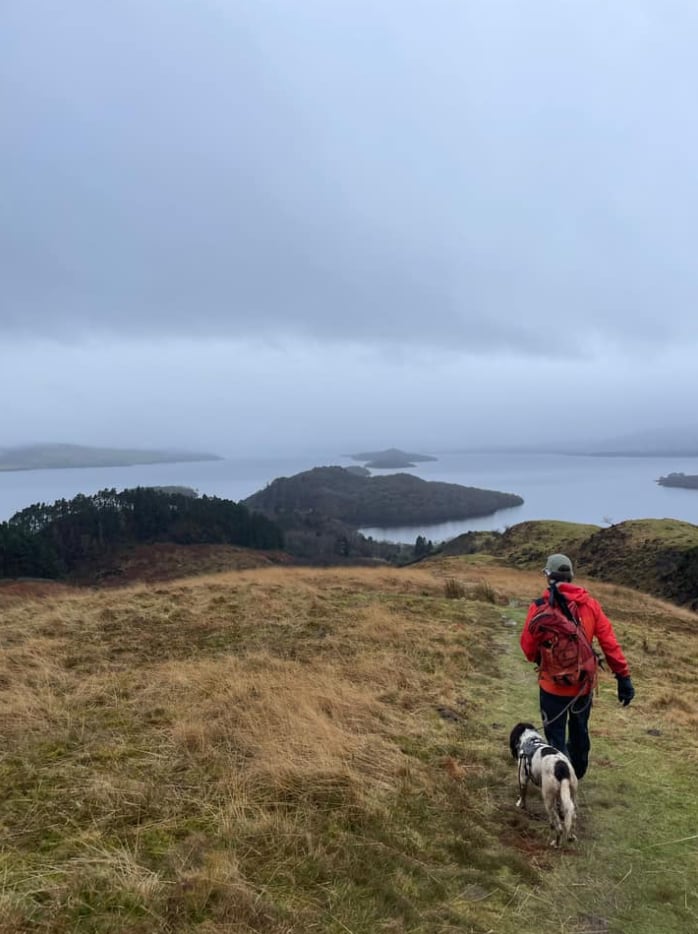
The day begins with a climb through Garadhban Forest, followed by open views of Loch Lomond. You’ll summit Conic Hill (weather permitting), offering panoramic views over the loch and its islands. The route then drops down into Balmaha for a potential café break before continuing along the rugged eastern shoreline of Loch Lomond through native woodland to Rowardennan.
Monday – Rowardennan to Inverarnan (21km)
Today’s section is one of the most remote along the loch. The path becomes rougher and rockier as you navigate tree roots, narrow ledges, and occasional scrambling sections. It’s a physically demanding day that rewards with solitude and sights like the Inversnaid Waterfall. After passing the waterfall and possibly spotting wild goats, you’ll reach Inverarnan in the northern reaches of the loch.
Tuesday – Inverarnan to Tyndrum (19km)
Leave Loch Lomond behind and follow the River Falloch through Glen Falloch, entering the Highlands proper. The trail here is easier underfoot and more open, passing through native moorland with surrounding peaks coming into view. There’s a chance for a warm stop at Crianlarich or a quick break near a bothy before continuing to the small village of Tyndrum.
Wednesday – Tyndrum to Kingshouse (30km)
This is the longest day of the trip, though the gradient remains manageable. The trail follows the West Highland Line and military roads through wide glens and open moor. You’ll pass the Bridge of Orchy and cross the remote and exposed Rannoch Moor, often under snow and wind in winter. Arriving at Kingshouse, tucked beneath the Glencoe peaks, marks the start of the most dramatic terrain of the route.
Thursday – Kingshouse to Kinlochleven (14km)
A shorter day but not without effort. You’ll begin with an ascent of the Devil’s Staircase, a zig-zag mountain pass offering sweeping views of Glencoe and beyond. The descent into Kinlochleven is steep and rocky, so care is needed—especially if snow is present. The village below is sheltered and surrounded by steep-sided peaks, offering a peaceful overnight stay.
Friday – Kinlochleven to Fort William (23km)
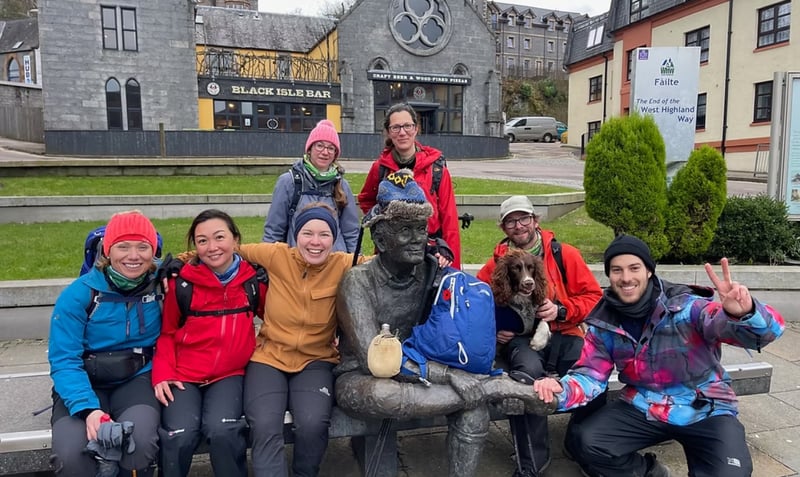
The final day starts with a climb out of Kinlochleven, leading into Lairigmor, a wide and remote pass flanked by imposing mountains. As you hike, Ben Nevis slowly emerges in the distance. You’ll descend through forest tracks into Glen Nevis and finish the route in Fort William. Celebrations and a hot meal await.
Optional – Extra night(s) in Fort William
Choose to extend your stay to rest or explore more. For those looking for a final challenge, a guided winter hike of Ben Nevis is available (conditions permitting).
The West Highland Way stretches from Milngavie, on the outskirts of Glasgow, to Fort William in the Scottish Highlands. The 150km route passes through a wide variety of landscapes, including lowland woods, lochside paths, open moors and glens, and dramatic highland scenery.
During winter, this route is quieter and far more challenging, offering an entirely different experience to the busy summer trail. The hike is linear, heading north every day with overnight stops in villages or remote settlements, with luggage transferred daily so you're free to carry just your essentials.
Accommodation is provided each night in a combination of hostels, bunkhouses, B&Bs and small hotels—always clean, warm, and welcoming. Rooms are typically shared twin or dorm-style, depending on the venue, with access to showers and space to dry clothing or boots each night.
The 6 nights included in the main trip are booked in advance to align with each stop along the trail. Optional extra nights in Fort William can also be arranged if you want to stay on, whether to relax after the hike or to climb Ben Nevis in full winter conditions.
This trip requires a solid level of fitness and confidence walking for extended periods over several consecutive days. Expect up to 30km of hiking in a single day, with slippery, uneven ground and potential for snow, ice, wind and limited daylight. A head torch will be used at times, and some days may start or end in the dark. Participants should be comfortable hiking in winter conditions and have suitable footwear and clothing. Prior experience of long-distance walking is strongly recommended.
This company was founded on the belief that the UK has all the mountains, wildness and challenge you need—without the cost or carbon footprint of flying abroad. By offering fully guided mountain trips with the option of transport from London, they make it easy to leave the city and get straight into real adventure.
Every trip is designed to be logistically simple but rewarding, with luggage transfers, clear support, and experienced leadership. The team is passionate about getting people outside, and this winter West Highland Way offers a unique chance to walk one of the UK's best trails in conditions few others experience—with comfort and guidance built in.
This trip requires a good level of fitness due to the length and terrain of each day’s hike. You will be walking between 14km and 30km daily, often on uneven, slippery ground with potential snow and ice. The winter conditions can make the walking more strenuous than a summer hike, so prior experience with long-distance walking or hiking is recommended.
It is also important to be comfortable carrying a daypack with essentials such as water, snacks, warm clothing, and safety gear. If you have concerns about your fitness, it’s best to discuss them before booking to ensure the trip matches your abilities and expectations.
Winter on the West Highland Way can bring a variety of conditions including cold temperatures, snow, ice, and strong winds. Daylight hours are limited, so some hiking may take place in low light or darkness. Weather can change rapidly, and you should be prepared for wet and cold conditions at any time.
The group leader will monitor weather and trail conditions closely and adjust plans if necessary to maintain safety. Proper winter clothing, waterproof layers, and sturdy boots with good grip are essential to cope with the elements.
While this is a guided trip with expert leadership, prior hiking or walking experience is highly recommended. The route includes long days of walking on rough terrain with sections that may be slippery or steep, especially in winter. Confidence on uneven ground and the ability to keep a steady pace are important for your safety and enjoyment.
Beginners or those with limited experience in winter hiking might find this trip particularly demanding and should consider building experience on easier routes first.
You’ll need suitable clothing for cold, wet, and variable weather including thermal layers, waterproof jacket and trousers, gloves, hat, and sturdy hiking boots with ankle support. A head torch is essential as some walking may occur in darkness. Trekking poles can be helpful on slippery or steep sections.
Your daypack should also include water, snacks, a map or guidebook, a first aid kit, and any personal items like medication. Luggage transfers mean you only carry essentials during the day, but you must be prepared for the conditions.
Your main luggage will be transferred daily between accommodation stops by support staff. This means you only carry a small daypack with essentials on the trail. This service helps reduce fatigue and lets you enjoy the hike without the burden of heavy packs.
You will be responsible for packing your luggage sensibly to fit within the transfer arrangements, and any special requirements should be discussed before the trip starts.
Accommodation is a mix of hostels, bunkhouses, B&Bs and small hotels depending on availability along the route. You can expect shared twin rooms or dormitory-style rooms with access to showers and communal areas.
All accommodation is booked in advance and offers a warm, comfortable place to rest after long hiking days. This arrangement allows you to travel light on the trail and have a reliable, cosy space each night.
Breakfast and packed lunches are included daily, designed to fuel your hiking efforts. Breakfasts will usually be served at your accommodation, and packed lunches are provided to take on the trail.
Evening meals are not included, giving you the flexibility to explore local pubs, cafés or restaurants in the evenings. Your group leader can advise on nearby options at each stop.
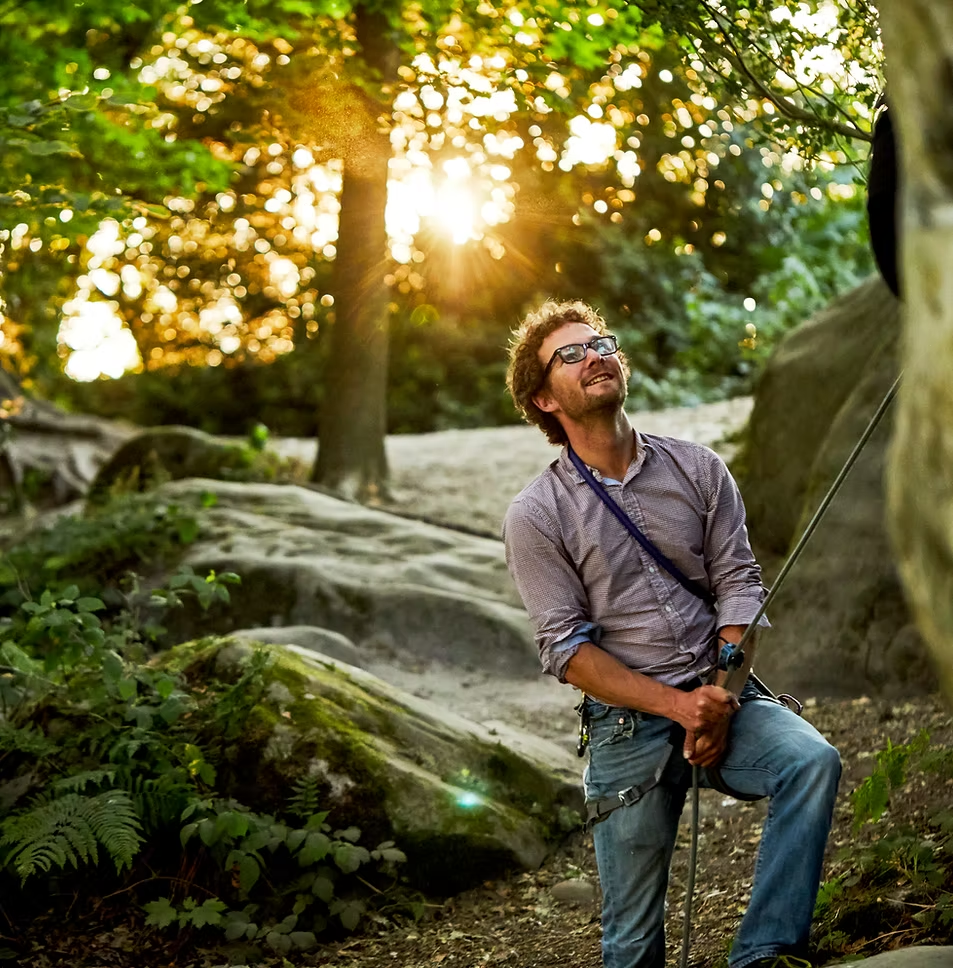
Operated by City Mountaineering, a partner of adventuro.
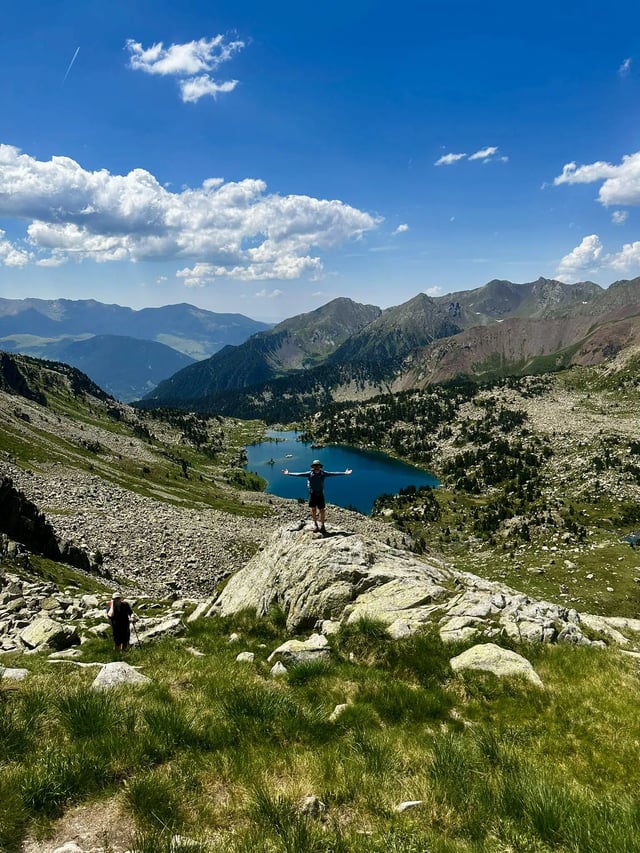
Cataluña (Catalonia), Spain
From £1440
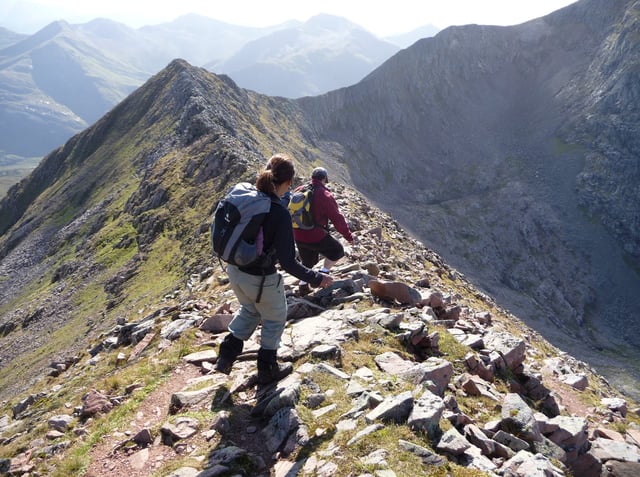
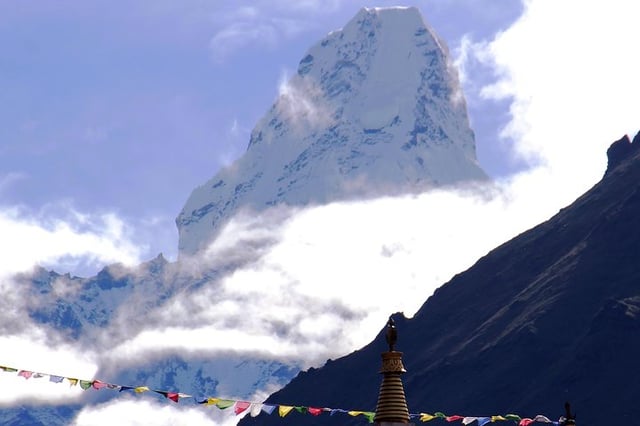
Arunachal Himalaya (Tawang & Siang Region), Nepal
From $1450
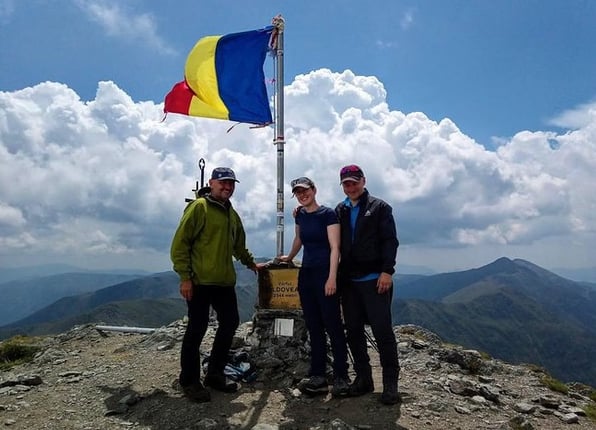
Brașov and Southern Carpathians, Romania
From €1216
Highlands & Islands, United Kingdom
From £995
Dalcross, Inverness
From £1095
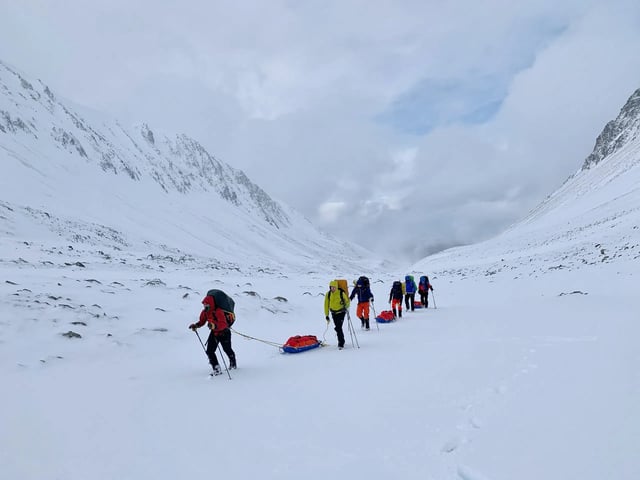
Highlands & Islands, United Kingdom
From £1245
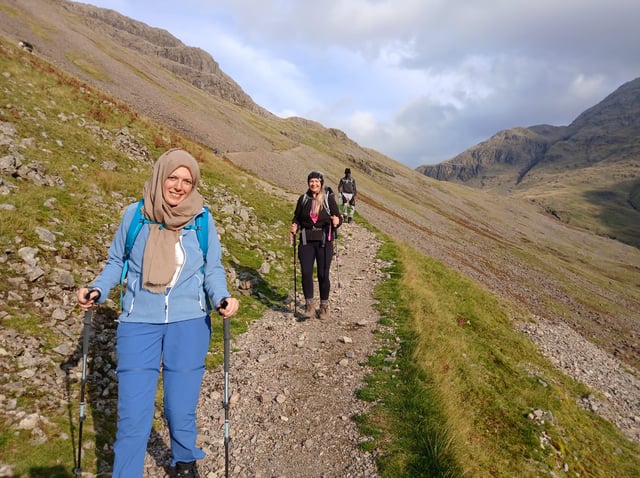
Cumbria, United Kingdom
From £945
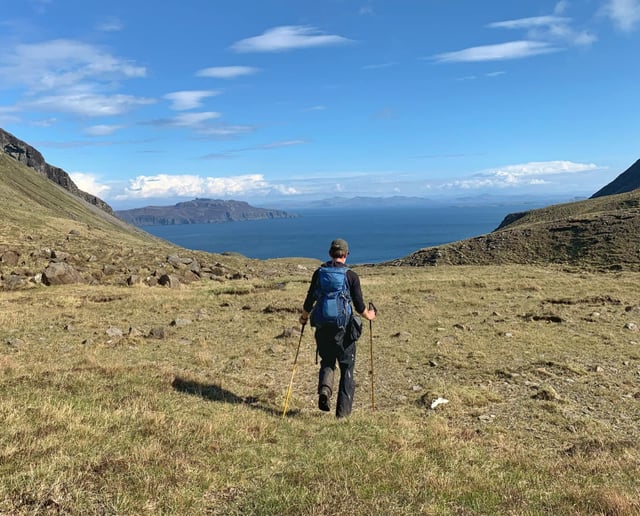
Dalcross, Inverness
From £845