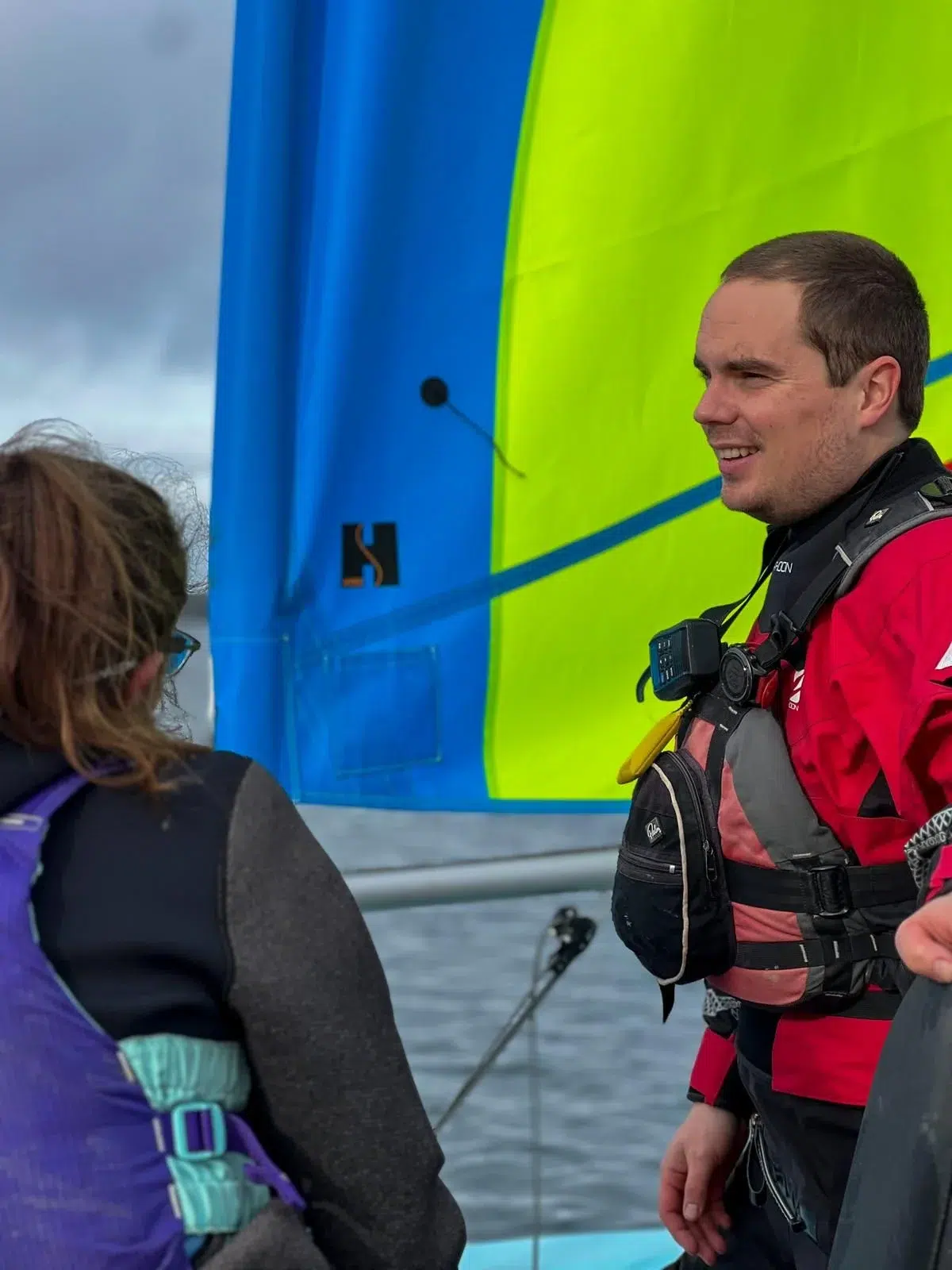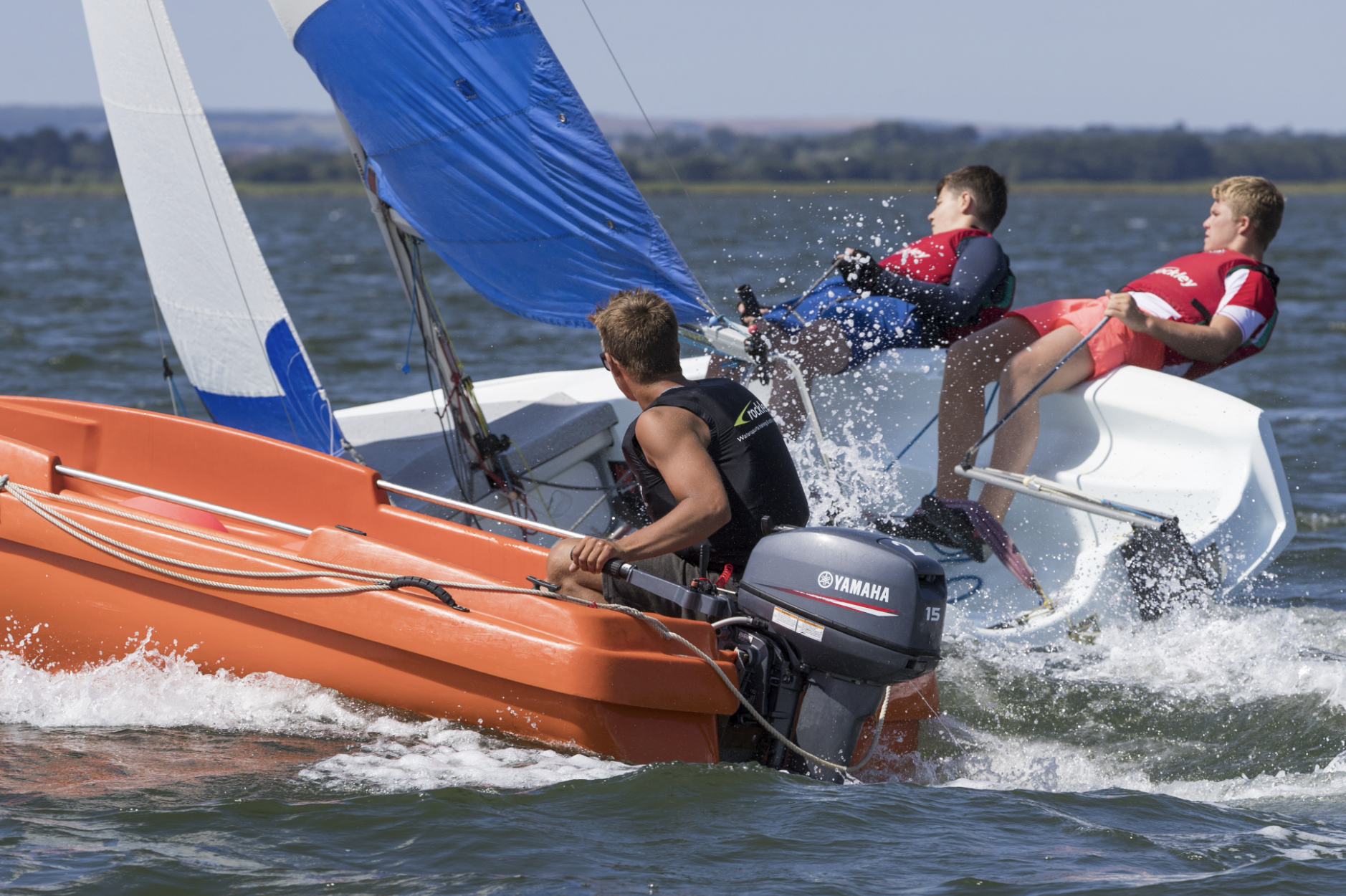
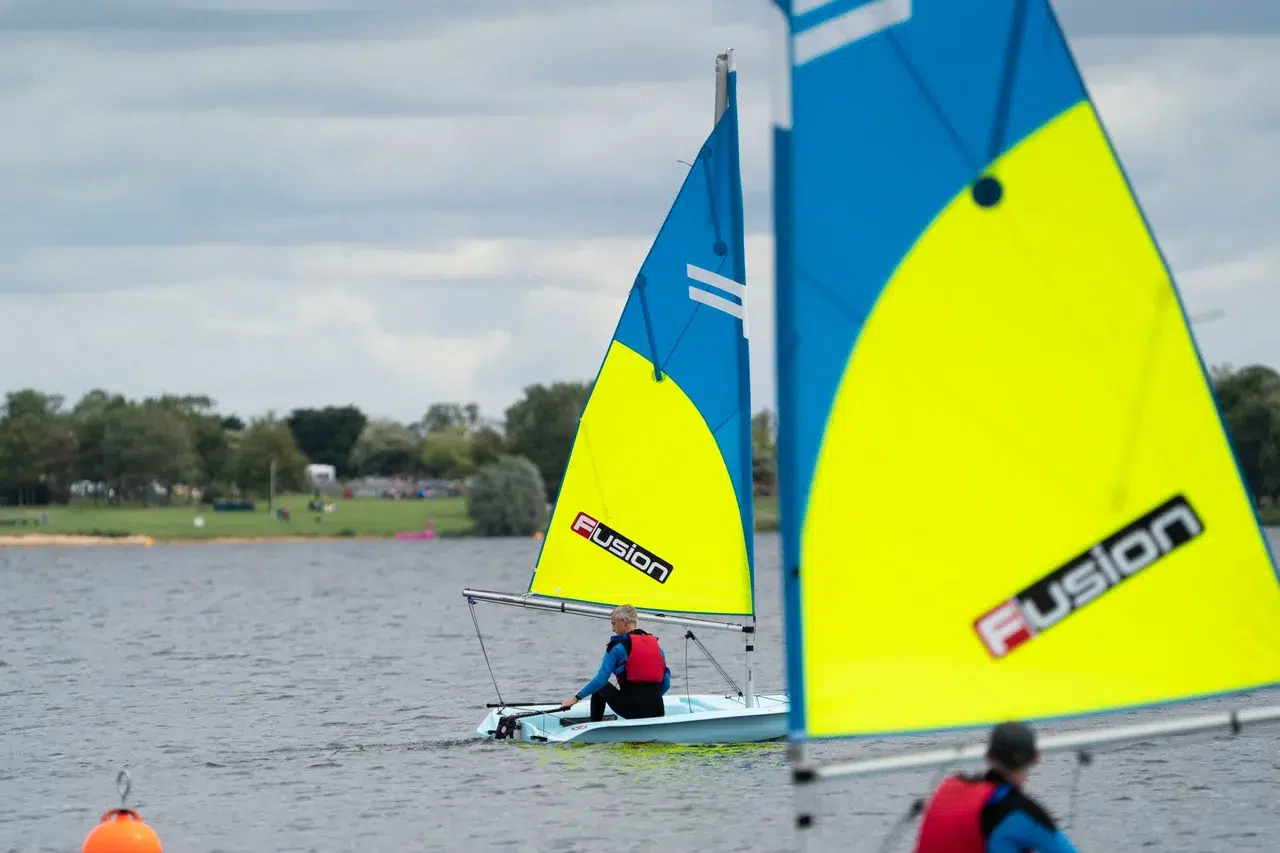
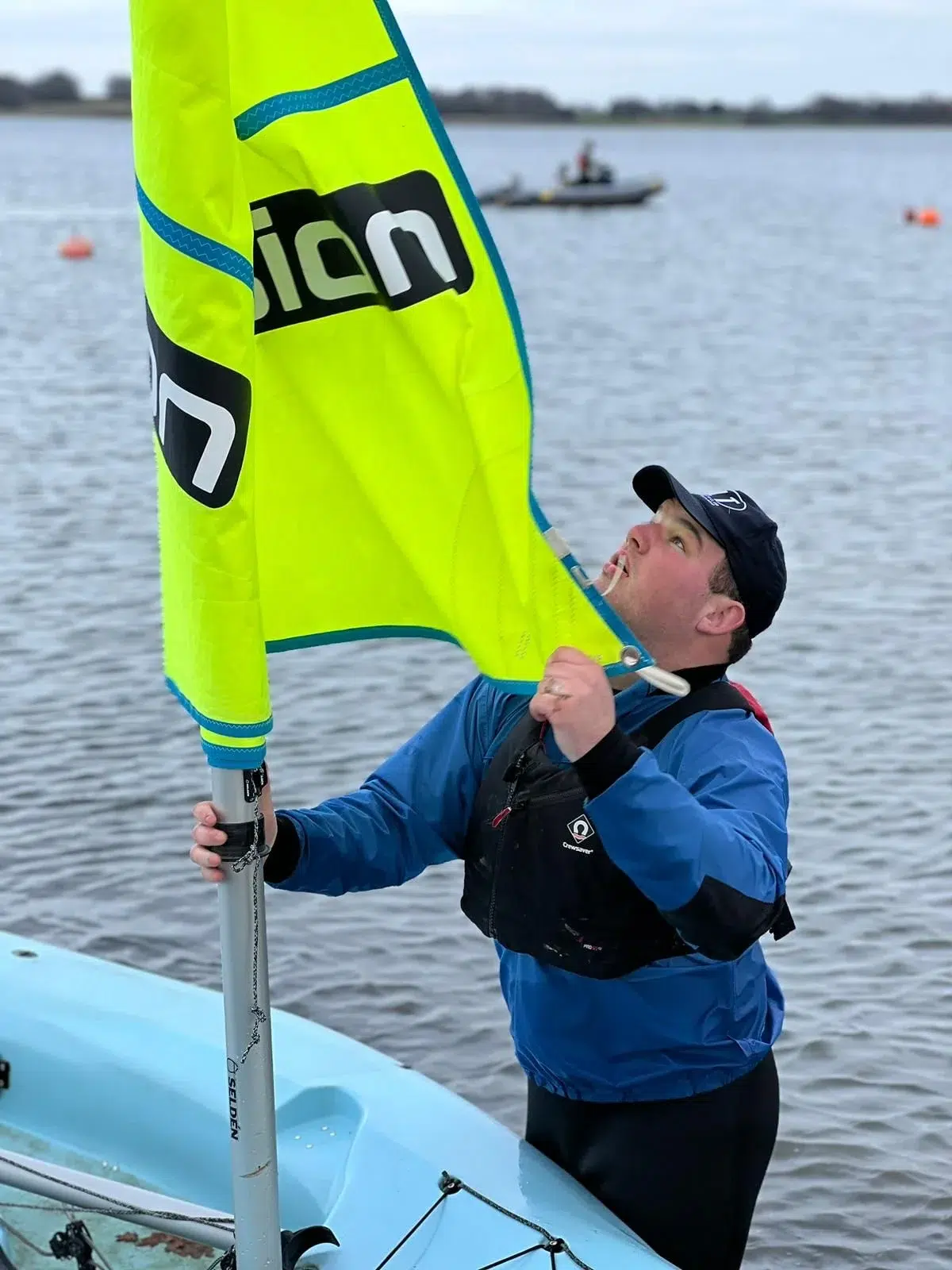
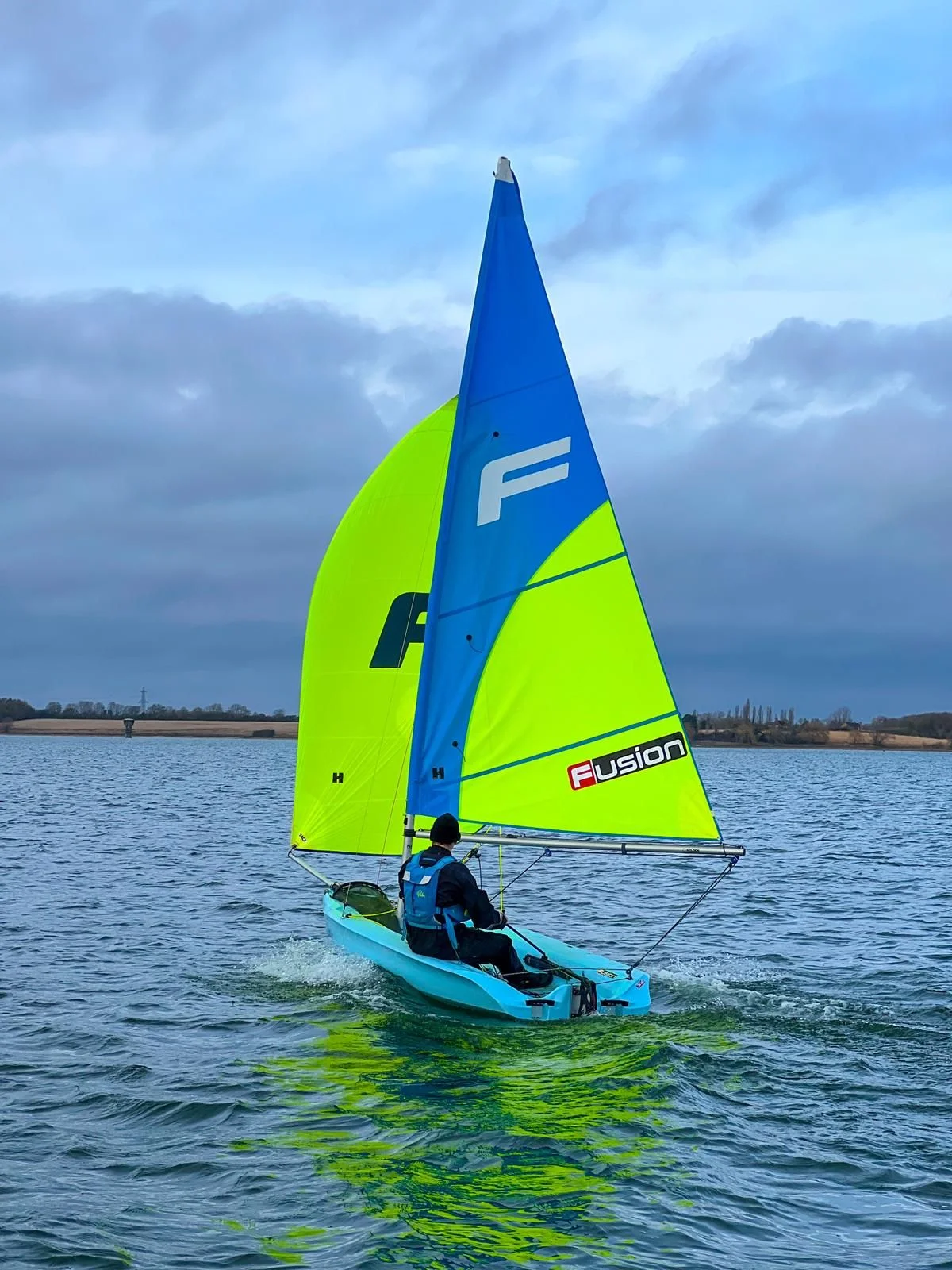
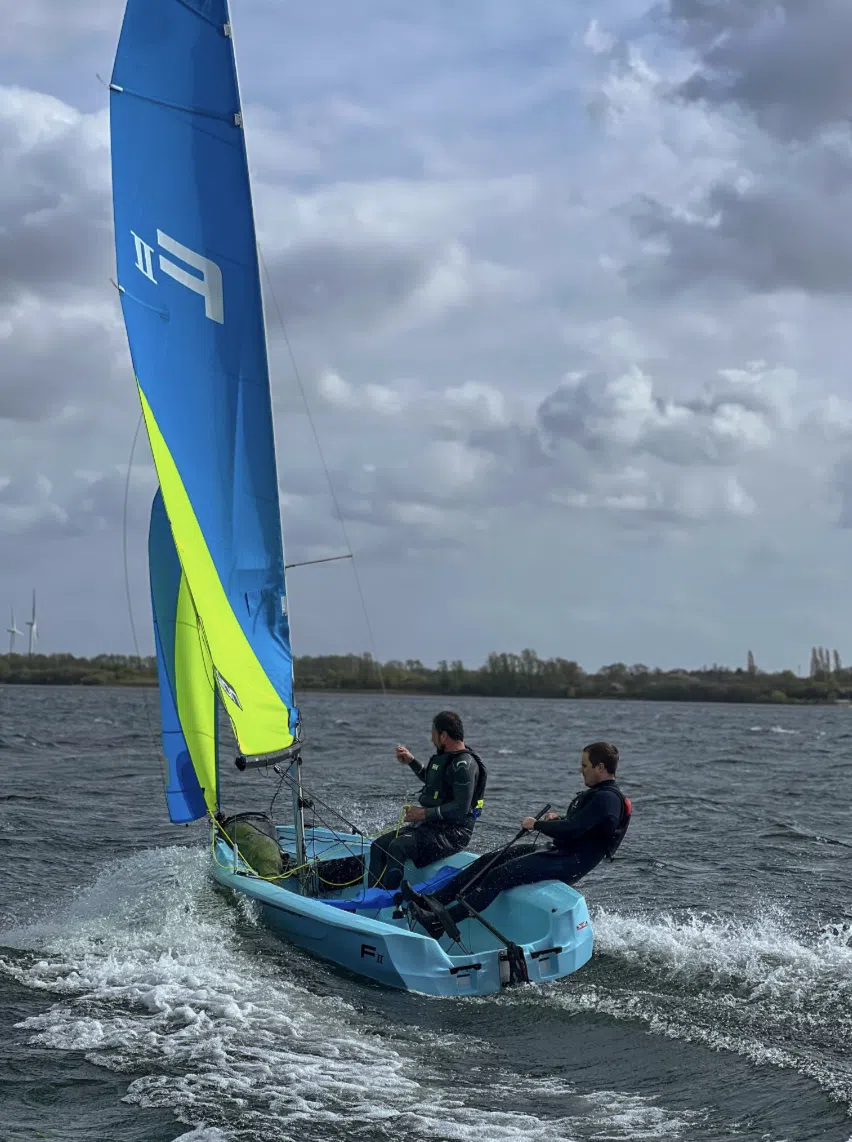
This two-day practical course develops your ability to handle a dinghy with confidence and sound judgement in moderate conditions. It builds on existing sailing skills and focuses on manoeuvring, problem solving, and making safe decisions afloat. Much of the time is spent sailing independently, allowing you to strengthen your seamanship through experience.
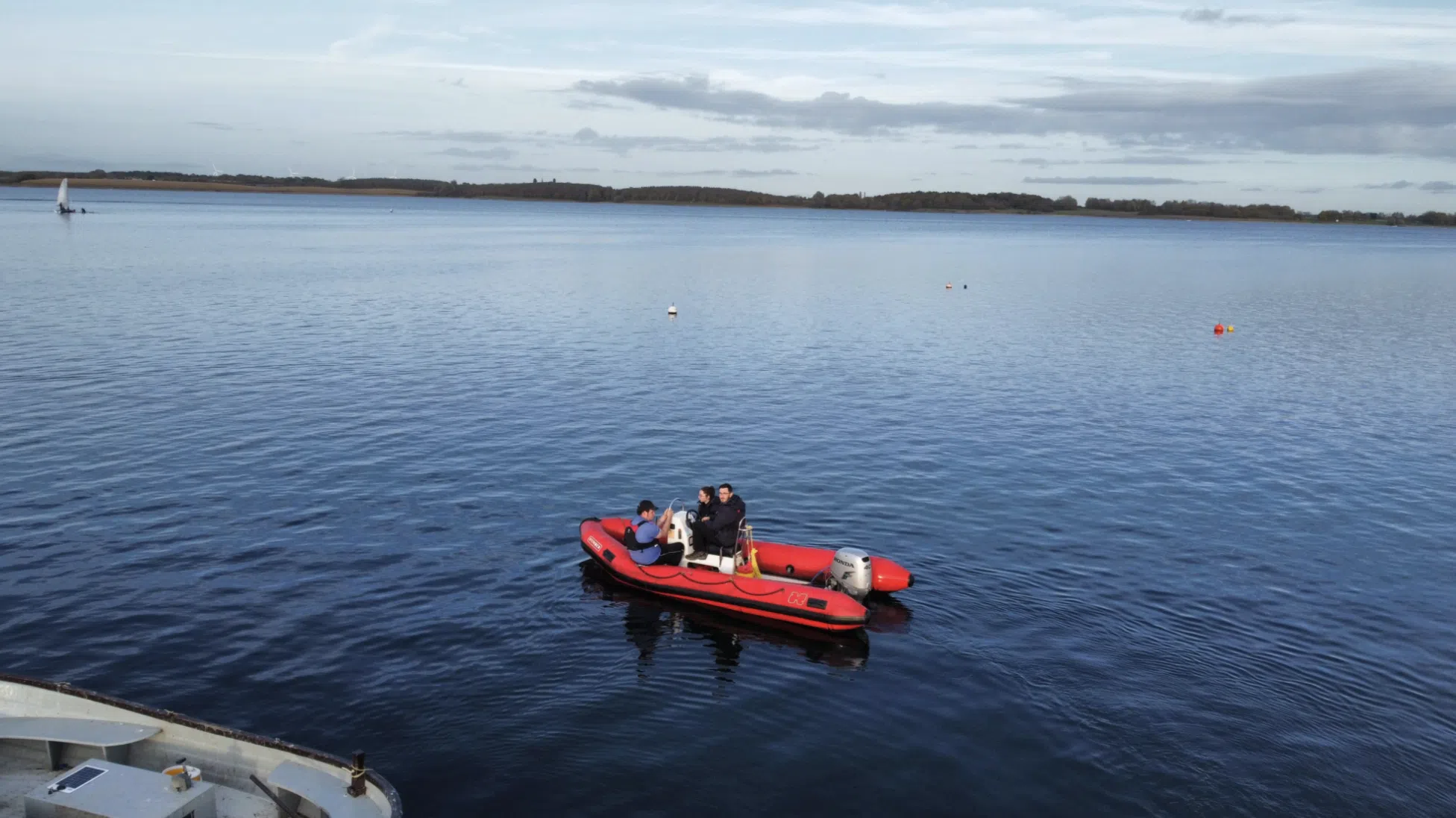
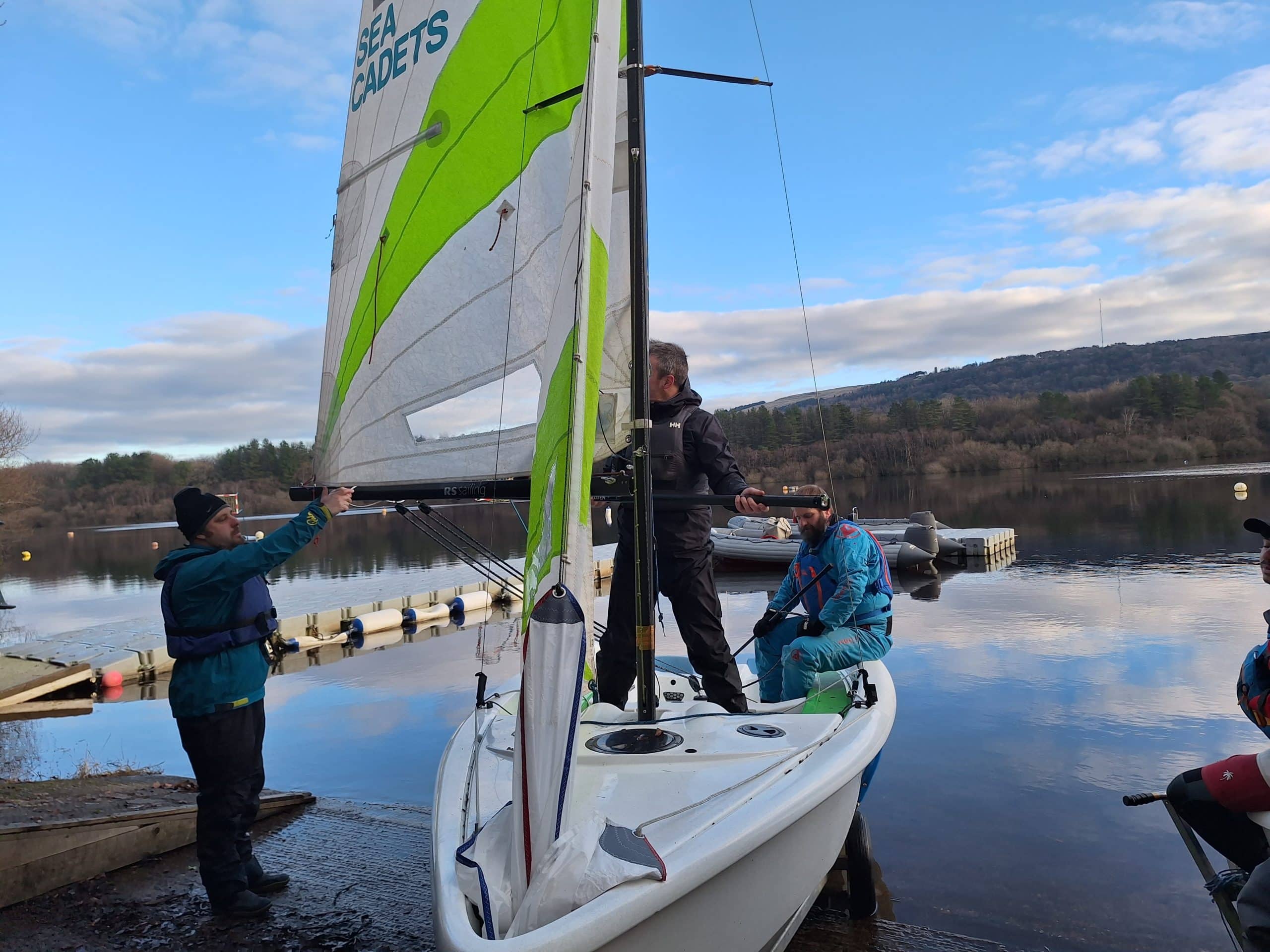
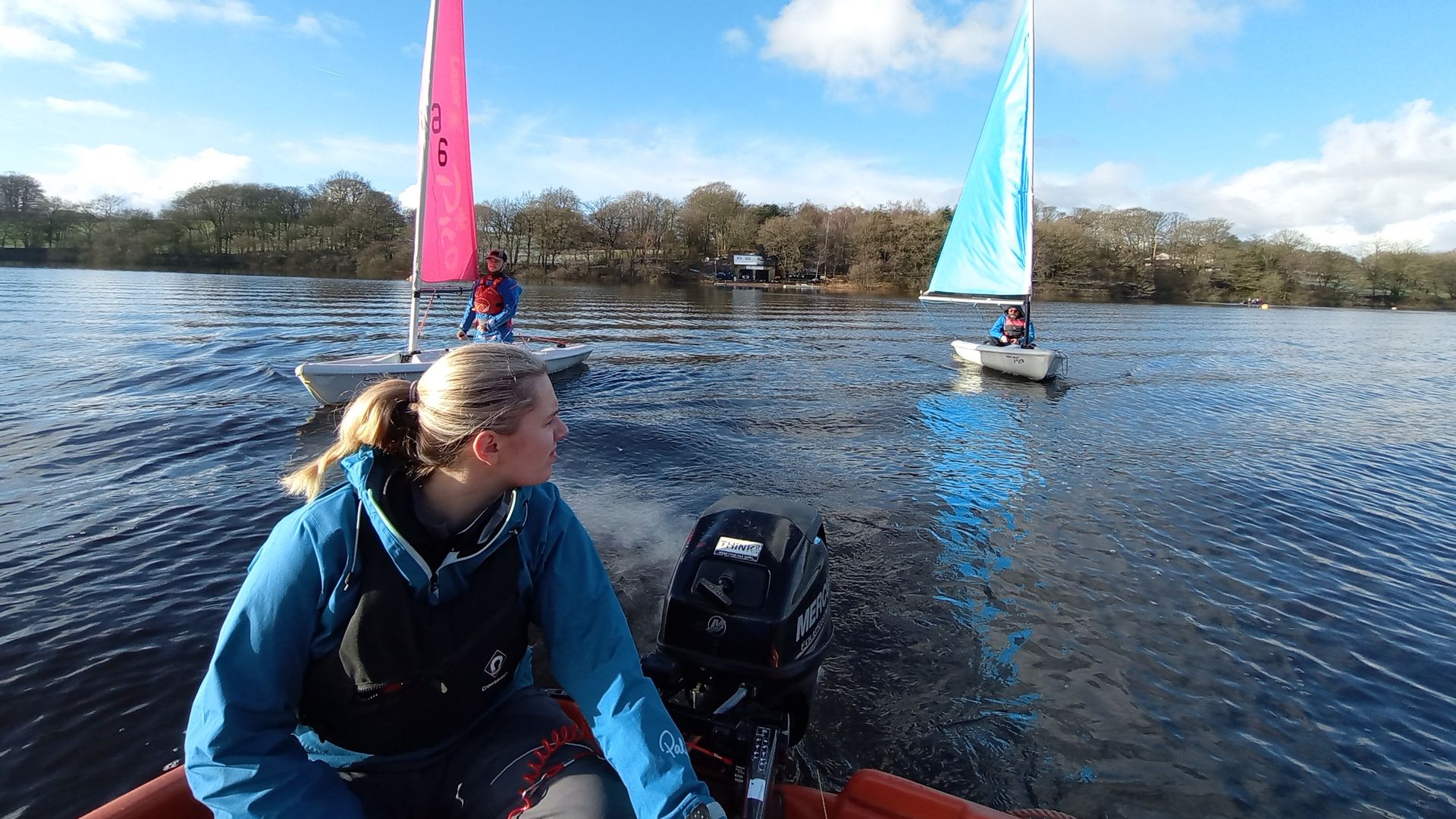
Training begins with a review of foundational skills to ensure you are comfortable with handling the boat before taking on more complex manoeuvres. The course then moves quickly into practical on-water sessions where you will launch, recover, and manage the boat in different wind angles and shore conditions. Instructors provide targeted coaching from safety boats, allowing you to practise independently while still receiving timely feedback. The emphasis is on identifying risks early, keeping the boat under control, and applying consistent trimming and steering techniques.
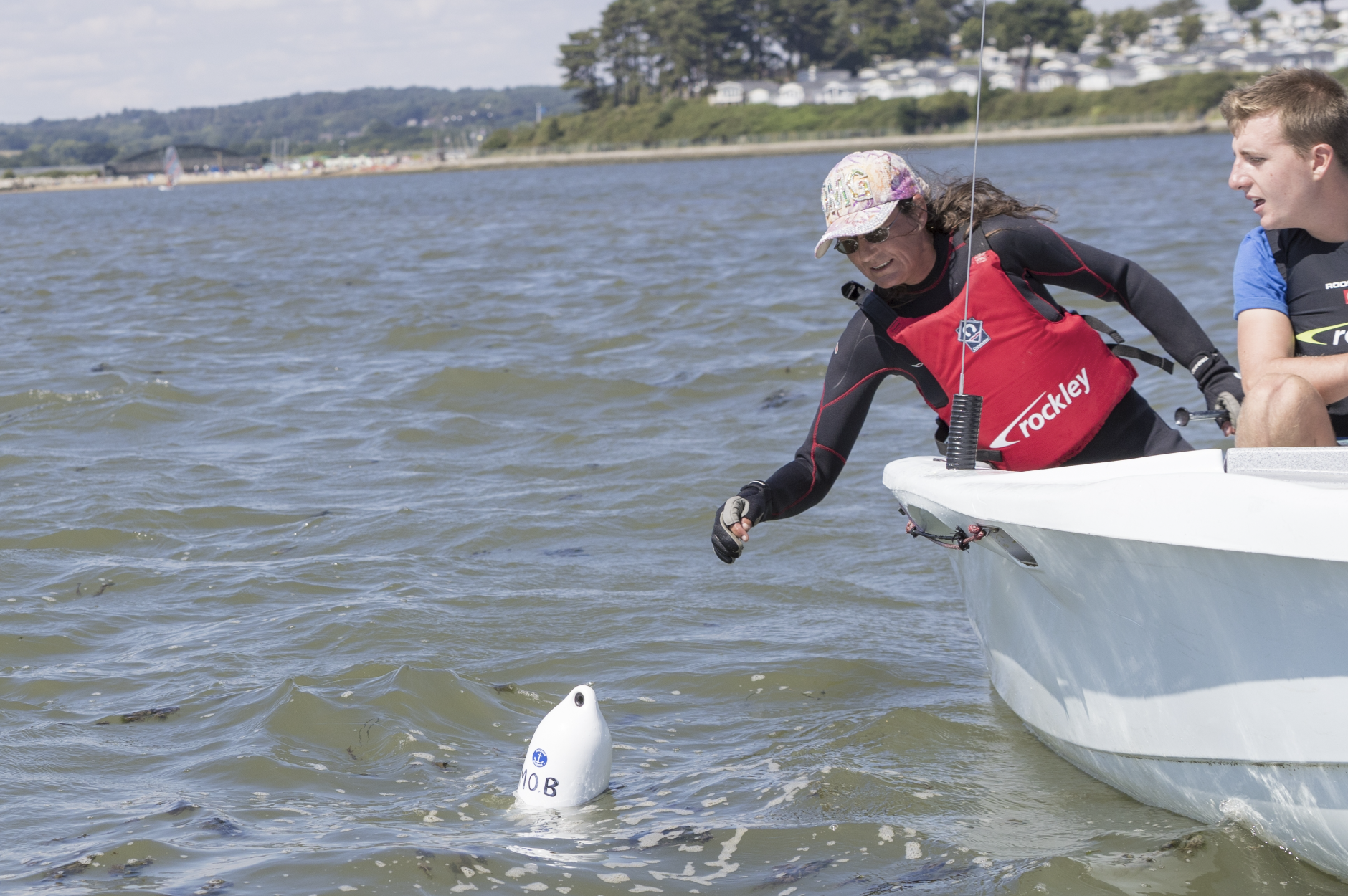
As the course progresses, you will work through structured exercises designed to build self-reliance. These include managing sail area in changing conditions, executing controlled stops, practising person-overboard recovery, and learning to anchor or pick up a mooring with confidence. You will also deal with common afloat scenarios such as equipment issues, unexpected gusts, and decision points where good seamanship prevents escalation. By the end of the course, you will have a clear understanding of how to approach manoeuvres methodically and maintain situational awareness in moderate conditions.
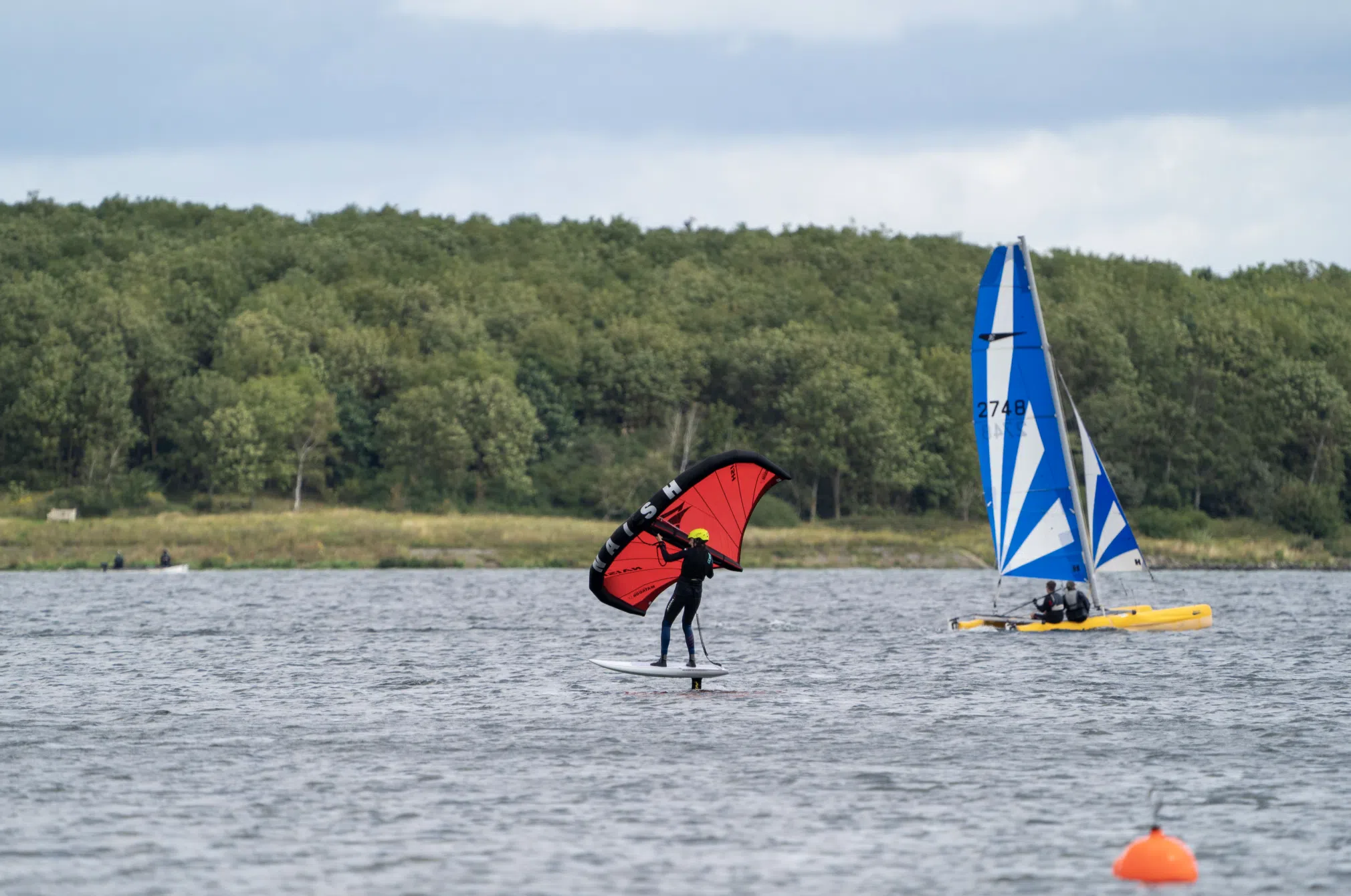
Sessions take place on an inland sailing venue known for consistent training conditions across the year. The reservoir provides open water areas for manoeuvring practice, along with more sheltered sections for controlled exercises and precision drills. The site is bordered by extensive natural surroundings, giving you an environment that balances safety with realistic exposure to wind shifts and varying fetch.
Launch points, slipways, and shoreline gradients allow for a variety of launching and recovery scenarios, reflecting situations you may encounter in wider sailing environments. The centre’s on-water safety team supports all practical sessions, ensuring that while independent sailing is encouraged, help is available if required.
You should already be sailing to the standard of RYA Level 3 Better Sailing or Stage 4, with consistent boat handling in moderate winds. This includes competent tacking, gybing, upwind and downwind control, and an understanding of the core principles of trim and balance. Participants without these skills may struggle with the problem-solving elements of the course.
As much of the time is spent afloat without the instructor in the boat, you must be comfortable operating independently and be able to respond safely to instructions given from a safety craft. Suitable clothing for a full day on the water is essential, and you should be prepared for variable weather. Age requirements vary and will be confirmed at booking.
Instruction is delivered by qualified coaches who have extensive experience supporting sailors transitioning from structured training to independent control. Their approach ensures you receive precise, practical feedback that helps refine technique while building the judgement needed for unsupervised sailing. Because you spend significant time sailing without an instructor on board, the development of your decision-making is authentic and transferable to wider sailing environments.
The venue offers reliable water access, well-maintained fleets, and a professional safety setup, creating an environment where you can test and improve your seamanship with confidence. Whether your goal is club racing, adventure sailing, or simply becoming a more capable dinghy sailor, this course provides the technical depth and practical repetition required to progress.
You should already be sailing confidently to the standard of RYA Level 3 Better Sailing or Stage 4. This means you should be able to control the boat on all points of sail, tack and gybe consistently, and understand the fundamentals of trim and balance. These foundation skills are important as this course focuses on problem solving and independent manoeuvring, not basic handling.
Without these prerequisites, you may struggle with the decision-making and seamanship tasks expected during the sessions. If you are unsure whether you meet the requirement, the centre can recommend a suitable preparatory course.
A significant portion of the course is spent afloat without the instructor in the boat. This approach allows you to develop judgement, awareness, and practical seamanship that cannot be fully learned with an instructor on board. You will still be under supervision from a safety craft and receive feedback between exercises.
Independent time varies depending on weather conditions and the exercises planned, but it forms the core of the course and is one of the most valuable learning components.
You will work on launching and recovering in varied conditions, controlling speed, practising controlled stops, and reducing sail safely when needed. The course also includes picking up a mooring, anchoring, and recovering a person overboard, all of which require careful judgement and boat control.
These manoeuvres simulate situations you may encounter in real sailing environments, helping you build confidence and technical reliability.
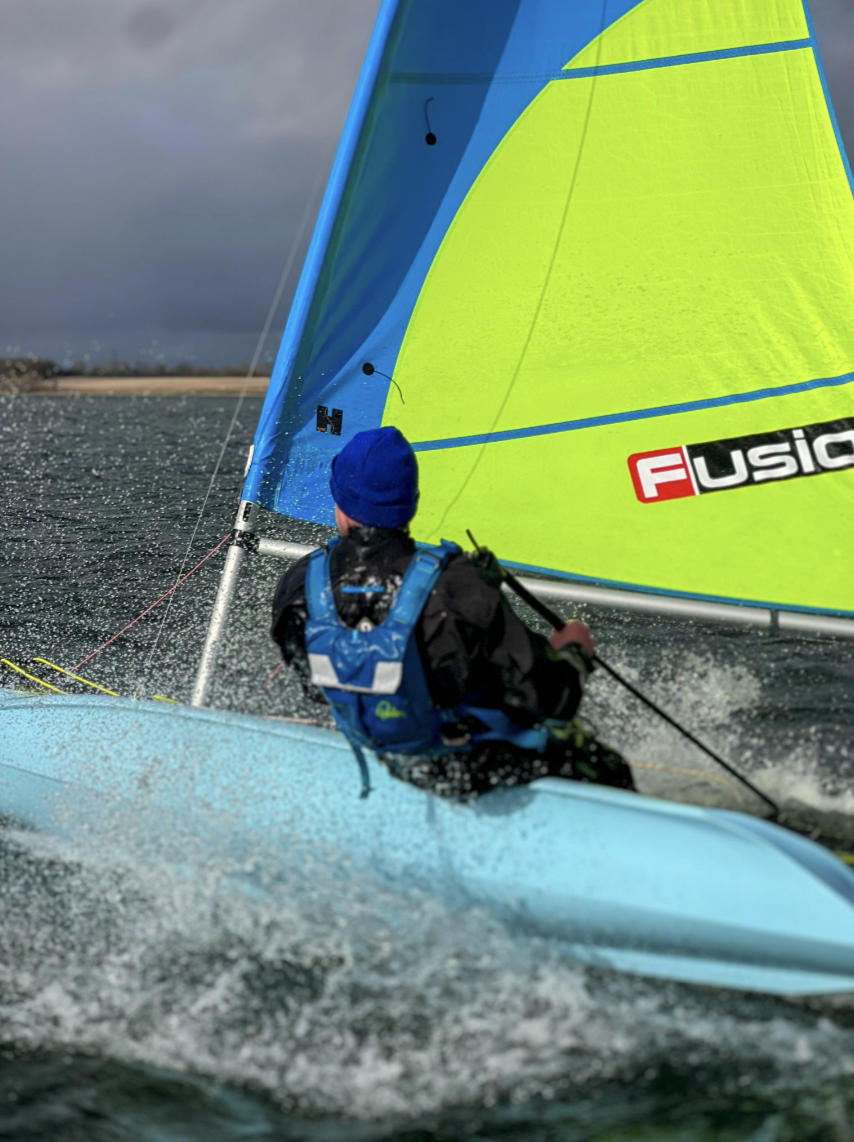
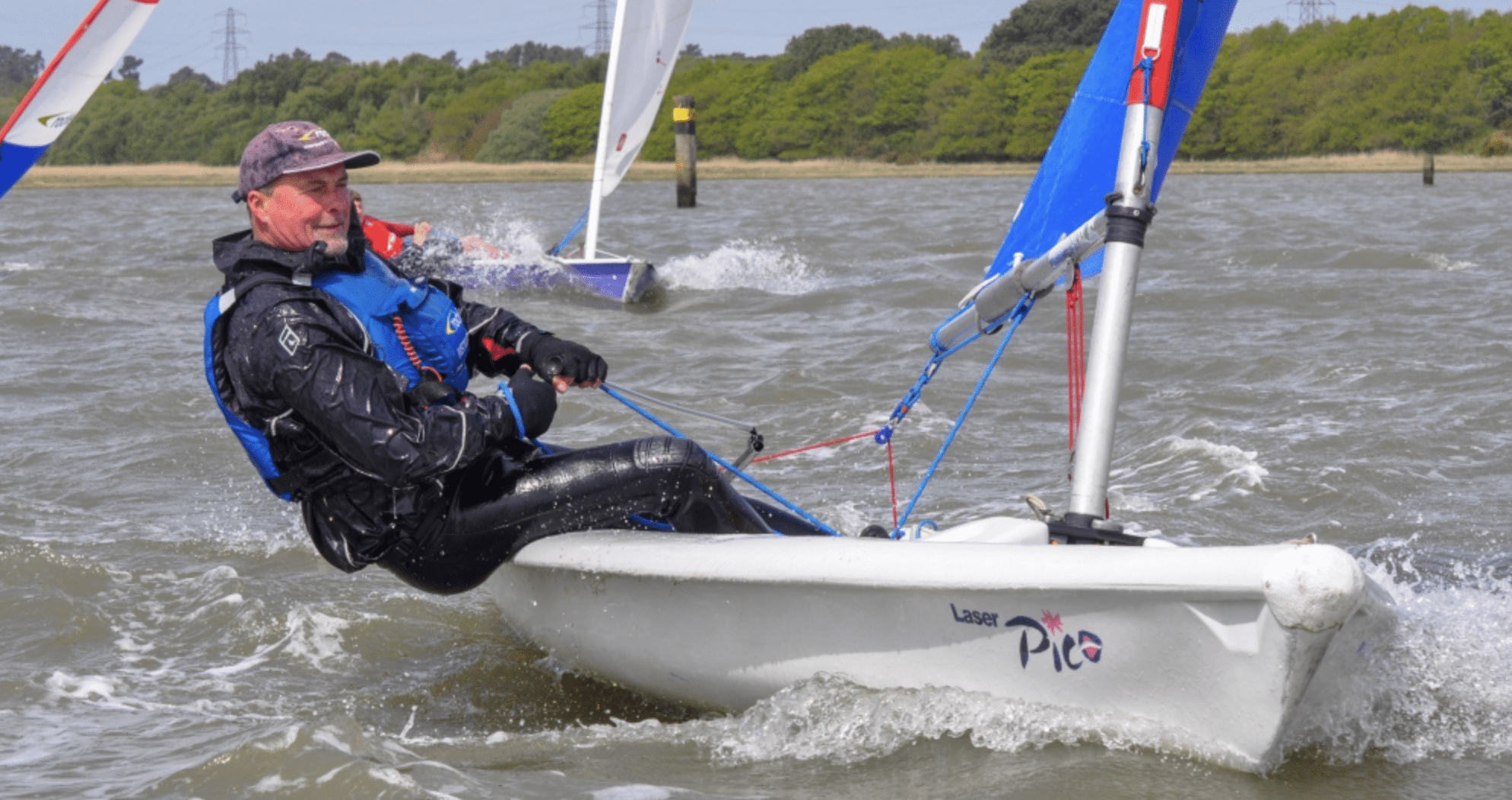
Training typically takes place in centre-owned training dinghies that are stable, responsive, and well suited to seamanship practice. These boats allow for repeated manoeuvres and provide clear feedback as you refine your technique.
Equipment availability may vary depending on conditions and group size, but all boats used are appropriate for the course aims and RYA standards.
The course runs in moderate conditions suitable for practising manoeuvres that require clear control and decision-making. You should be prepared for changeable weather, as inland waters can shift quickly with wind direction and strength.
If conditions become unsuitable, instructors may adjust the session plan or bring parts of the programme ashore for theory or scenario-based learning.
You should wear sailing-appropriate clothing such as waterproof layers, warm mid-layers, gloves, and suitable footwear with good grip. A wetsuit or drysuit may be useful depending on the season. Sunscreen, water, and a change of clothes are also recommended.
If you are unsure what is provided, contact the centre in advance. Personal buoyancy aids are often available but may be provided by the centre.
Minimum age is set by the delivering centre and may vary depending on the fleet, weather expectations, and supervision requirements. Many centres accept teenagers who have already reached Stage 4, while others may set a higher limit for seamanship-level courses.
If you’re booking for a younger sailor, it’s best to check the minimum age requirement during the booking process to ensure suitability.
Yes. Even though much of the sailing is independent, instructors give detailed feedback after each exercise. You will cover what worked well, where improvements can be made, and how to apply good seamanship principles to future decisions.
This combination of self-reliance and structured review is central to the course and helps accelerate your progression.
All essential safety equipment and dinghies are provided. You may bring your own sailing clothing, gloves, or buoyancy aid if preferred. However, personal kit is optional unless stated otherwise.
If you have specialised equipment or prefer certain setups, you can discuss this with instructors before the course begins.
On successful completion, you will meet the standard for the RYA Seamanship Skills certificate, demonstrating that you can handle a dinghy confidently, carry out key manoeuvres, and make sound decisions afloat. This certificate supports progression towards more advanced courses such as Day Sailing or Sailing with Spinnakers.
Assessment is continuous throughout the course, based on practical exercises and demonstration of seamanship principles.
About the centre
Grafham Water Centre
We partner with Rewilding Britain to help protect our natural spaces for future adventures.
All centres are vetted for safety and quality. Your adventure is in good hands with adventuro.
Operated by Grafham Water Centre, a partner of adventuro.
Somerset and Dorset, United Kingdom
From £275
Herefordshire, Worcestershire and Warwickshire, United Kingdom
From £200
Somerset and Dorset, United Kingdom
From £450