We partner with Rewilding Britain to help protect our natural spaces for future adventures.
All centres are vetted for safety and quality. Your adventure is in good hands with adventuro.
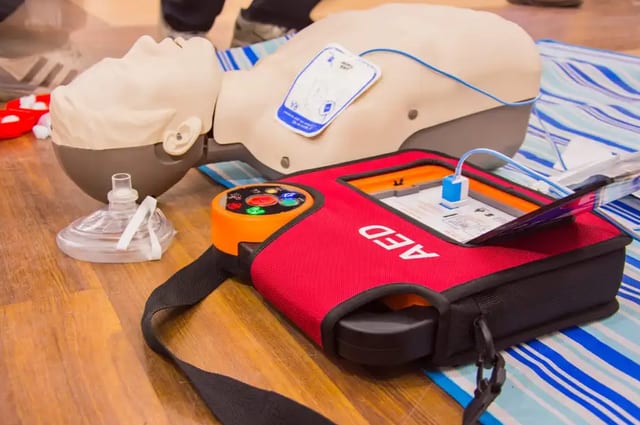
Knowing how to respond in an emergency on the water can make a real difference when help isn’t immediately available. This course focuses on practical first aid skills tailored specifically to boating environments, helping you stay calm and act effectively. It’s a hands-on day designed to build confidence in situations you might realistically face afloat.
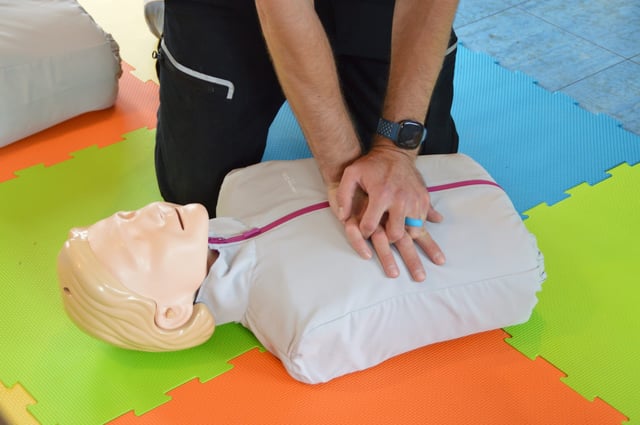
Starting in the classroom, the day begins with an introduction to first aid principles before moving quickly into practical, scenario-based learning. You’ll practise CPR techniques, recovery positions adapted for onboard spaces, and how to respond to common boating-related incidents such as slips, burns, or impact injuries. The focus is on clear actions and simple processes that can be applied under pressure.
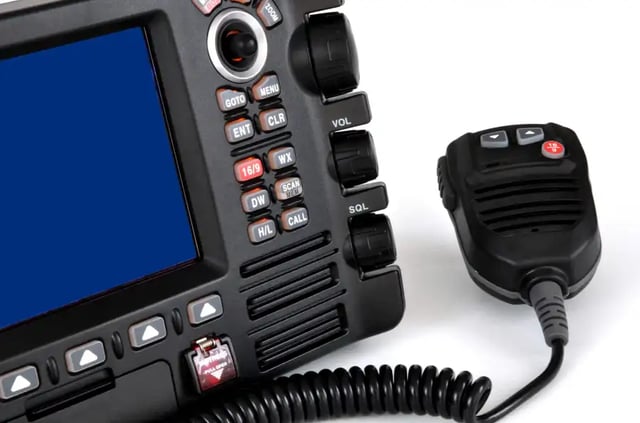
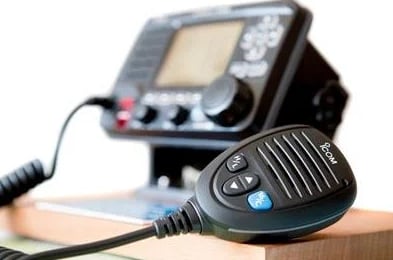
As the course progresses, attention shifts to marine-specific challenges including cold shock, hypothermia, seasickness, and dehydration. You’ll also learn how to communicate effectively with emergency services using VHF radio and understand what to expect during a rescue. By the end of the day, you’ll feel more prepared to manage incidents calmly and support others until professional help arrives.
Courses are delivered in the Southampton area, primarily at Hamble Point Marina and Marchwood Yacht Club. Both venues are well known within the local boating community and provide a comfortable, practical setting for learning with easy access and on-site facilities. Please use the booking form below to select which location you'd like to attend.
The locations are close to active waterways, which helps keep the training relevant to real boating environments. This makes it easier to relate scenarios to situations you may encounter while boating along the south coast or further afield.
No previous first aid or boating experience is required. The course is designed to be accessible for complete beginners, with clear instruction and step-by-step guidance throughout the day.
It’s also suitable for experienced boaters and professionals who need to update their certification or refresh their skills. The marine focus ensures the content remains relevant regardless of your level of experience.
Drawing on years of hands-on experience, Rob ensures the course stays practical, relevant, and easy to follow. His approach focuses on real situations rather than theory-heavy learning, helping you understand what to do when it actually matters.
Small group sizes and interactive teaching mean you’ll get involved throughout the day, rather than just listening. The aim is to leave you feeling confident in your ability to respond, whether that’s helping a crew member, managing an onboard incident, or coordinating with emergency services.
This course is designed for anyone who spends time on the water, including skippers, crew members, and those working professionally in marine environments. It’s particularly useful for individuals progressing through RYA qualifications, as the certificate is often required for higher-level courses and commercial endorsements.
The training is also valuable beyond boating, as the skills you learn can be applied in everyday situations. Whether you’re dealing with a minor injury or a more serious emergency, the course helps you respond with confidence and clarity.
No previous first aid or boating experience is required. The course is structured so that complete beginners can follow along easily, with clear explanations and practical demonstrations throughout the day.
For those who already have some first aid knowledge, the course acts as a refresher with a strong focus on marine-specific scenarios. This makes it particularly useful for updating skills in a boating context.
The course runs over a single day, typically lasting between six and eight hours. This allows enough time to cover all key topics in detail while also giving participants plenty of opportunity to practise techniques.
The structure balances theory and hands-on learning, ensuring you stay engaged throughout and leave with practical skills you can remember and apply.
You’ll learn how to perform CPR, place someone in the recovery position, and manage injuries such as bleeding, fractures, and burns. The course also covers cold shock, hypothermia, seasickness, and dehydration, all of which are particularly relevant to boating.
In addition, you’ll gain an understanding of how to call for help using VHF radio and how to manage a situation until professional assistance arrives. This combination of skills prepares you for a wide range of potential emergencies.
Yes, the RYA One Day First Aid Certificate is MCA approved and widely recognised. It satisfies the first aid requirements for qualifications such as Coastal Skipper, Yachtmaster, and Advanced Powerboat.
The certificate is also accepted for many commercial endorsements, making it an important qualification for those working in the marine industry.
The certificate is typically valid for three years. After this period, it’s recommended that you complete a refresher course to ensure your skills remain up to date.
Regular refreshers are important, as first aid techniques and best practices can evolve over time. Staying current helps ensure you’re prepared to respond effectively in an emergency.
Assessment is carried out throughout the day through practical participation rather than a formal written exam. You’ll be observed during scenarios to ensure you understand and can apply the techniques taught.
This approach keeps the course practical and focused on real-world application, rather than testing theoretical knowledge alone.
You should wear comfortable clothing suitable for practical activities, as you’ll be involved in hands-on exercises throughout the day. Bringing snacks, drinks, and any personal medication is also recommended.
A notebook can be useful for taking notes, although all key information is covered during the session. You may also be asked to bring photo ID, depending on the course requirements.
Über das Zentrum
Hamble-le-Rice, Southampton
Betrieben von Associated Marine Training / AMT Boat Experiences Ltd, einem Partner von adventuro.



Leicestershire, Rutland and Northamptonshire, United Kingdom
Ab £125
Hampshire and Isle of Wight, United Kingdom
Ab £495
Hampshire and Isle of Wight, United Kingdom
Ab £1895